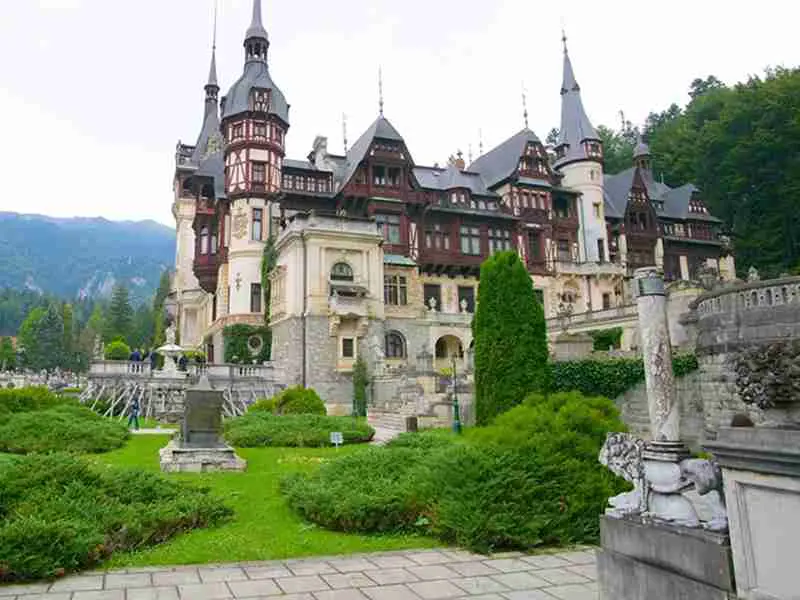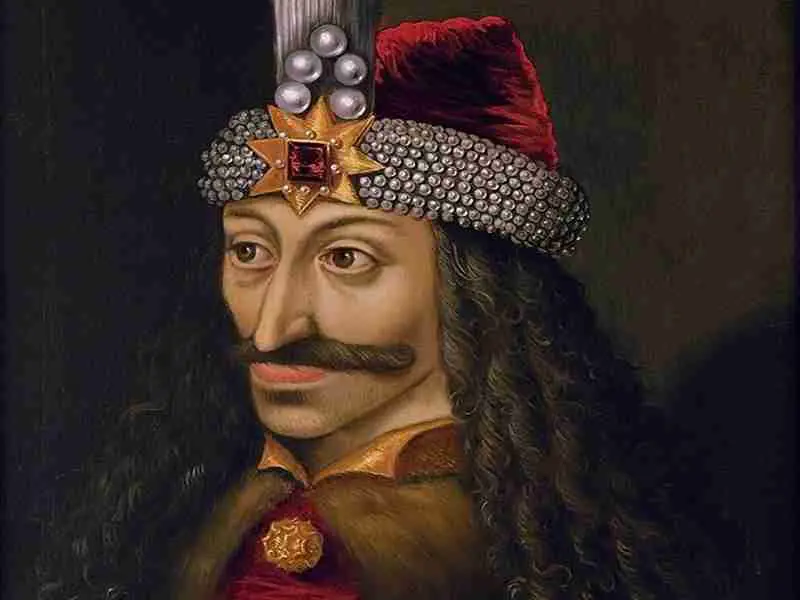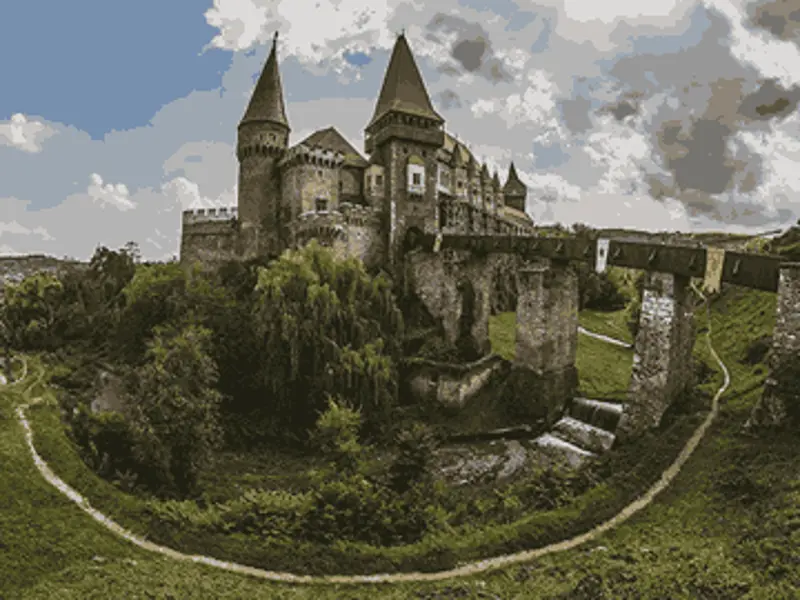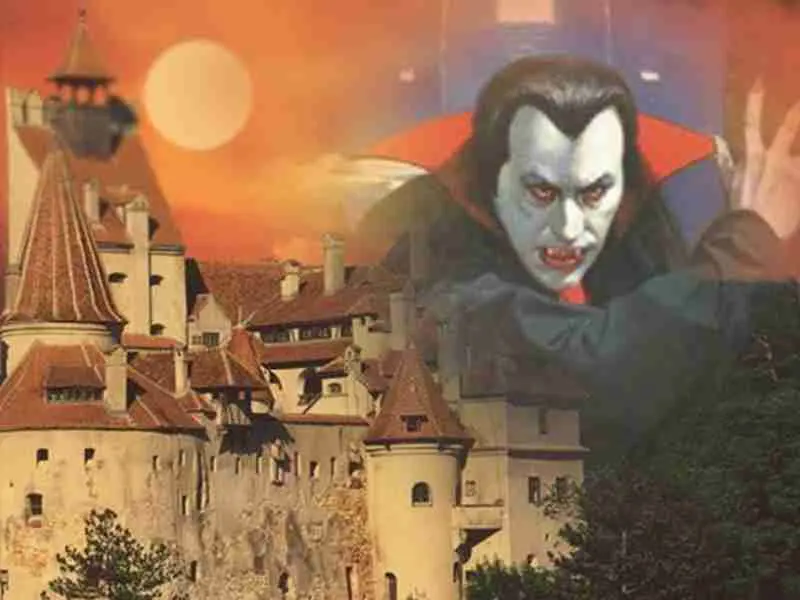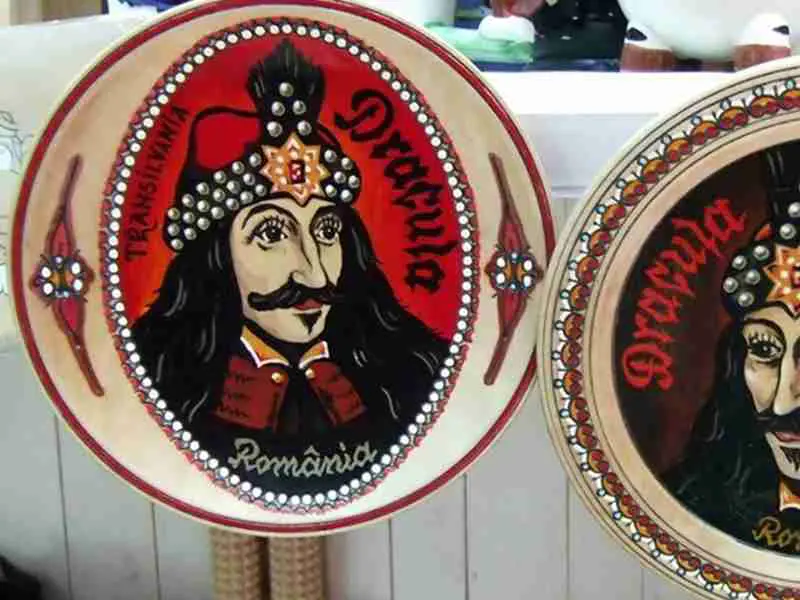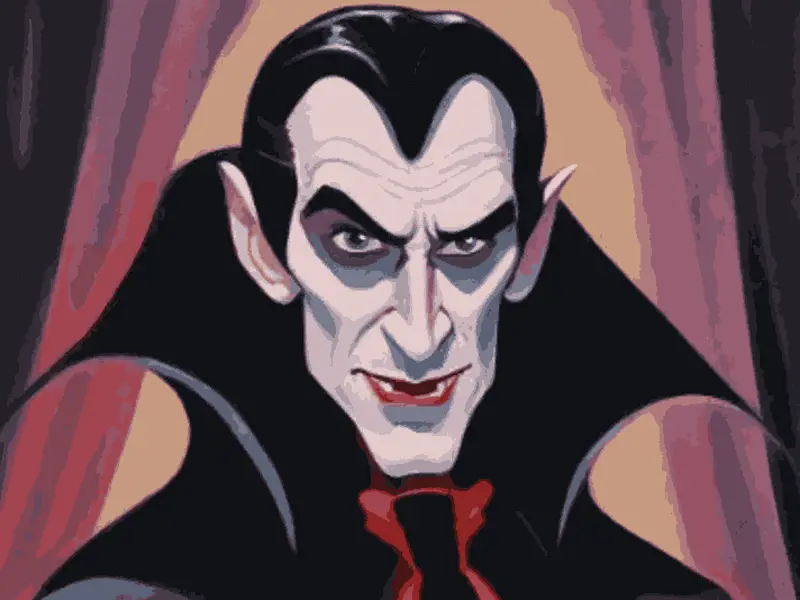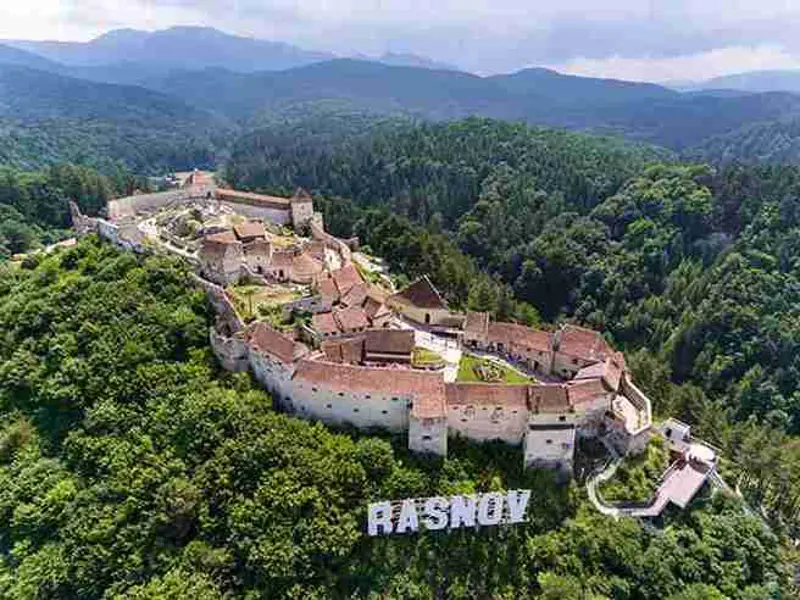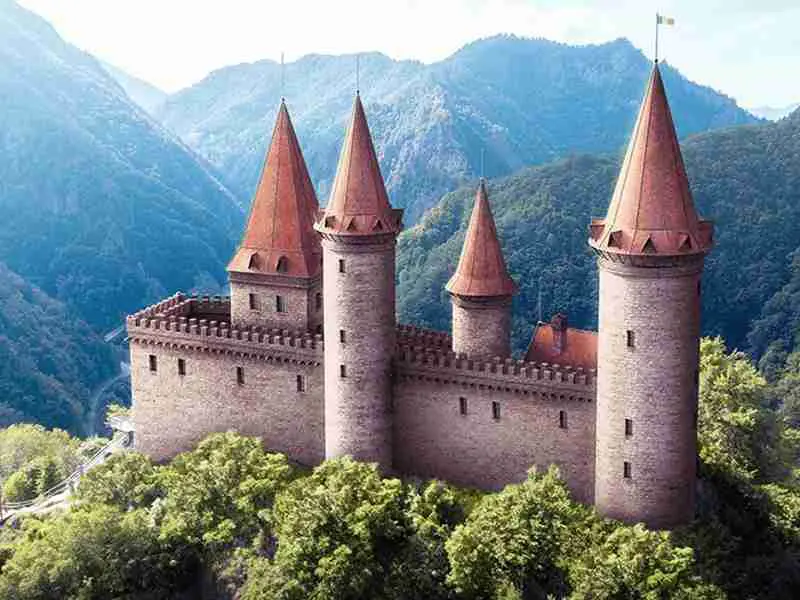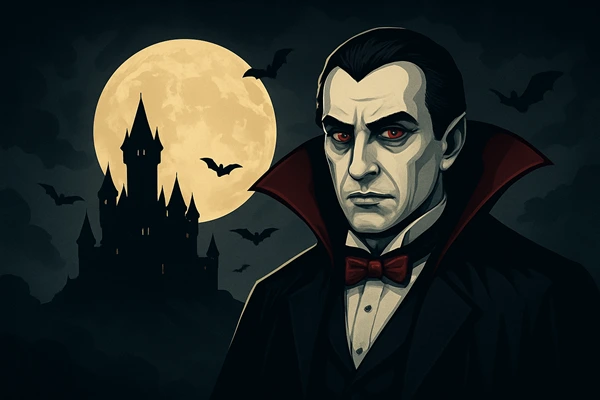
CThe concept of vampirism in Transylvania is the result of a complex mix of ancestral fears, misinterpreted empirical observations, and traditions passed down from generation to generation. In rural communities, where science was little known and natural phenomena seemed inexplicable, the idea that a spirit or a returned dead could affect people's lives was extremely strong. The subsequent association with the figure of Dracula crystallized all these fears into a single symbol, transforming him into a universal archetype of the vampire. Thus, vampirism is not just a scary story, but a mirror of the collective fears of an era marked by mystery and uncertainty.
What elements fueled the fear of vampires in medieval communities?
- Mysterious deaths affecting entire families
- Lack of medical knowledge of contagious diseases
- The occurrence of frequent local epidemics
- The need for spiritual explanations for tragedies
- The strong influence of religious rituals
What signs were considered evidence of transformation into a vampire?
- Pale skin and body rigidity misinterpreted
- Natural post-mortem bleeding perceived as unnatural
- Movements or sounds caused by natural gases in the body
- Slow states of putrefaction at low temperatures
- Visual impressions created by dim light during wake
What were the communities' reactions to the appearance of a potential vampire?
- Ritual vigil kept by the family over several nights
- Consulting the village elders or "initiated" individuals
- Lighting protective fires around the household
- Making sacred signs around the houses
- Organizing processions and collective prayers
What role does the figure of Dracula play in these beliefs?
- It is the central symbol that united Romanian folklore with Western literature
- It represents the dark and misunderstood power of the supernatural
- It highlights the historical fear of sacrifice, death and revenge
- It borrows elements from local customs regarding the undead
- It has become a universal character due to subsequent artistic interpretations
What are the modern views on vampirism?
- Vampirism is seen as a psychological symbol of fear of the unknown
- It has become a fascinating theme in art, film, and literature
- It has been reinterpreted as a myth about desire and power
- It is connected to the phenomenon of modern Gothic culture
- It remains a subject of study in anthropology and cultural history
Conclusion
The myth of vampirism is much more than a scary story; it is a mechanism through which people have tried to explain tragedies, understand death, and make sense of phenomena that are difficult to interpret. The legend of Dracula amplified all these beliefs, transforming them into a global phenomenon. Today, vampirism remains a captivating subject precisely because it retains the echo of a world in which fear, mystery, and spirituality were inseparable.