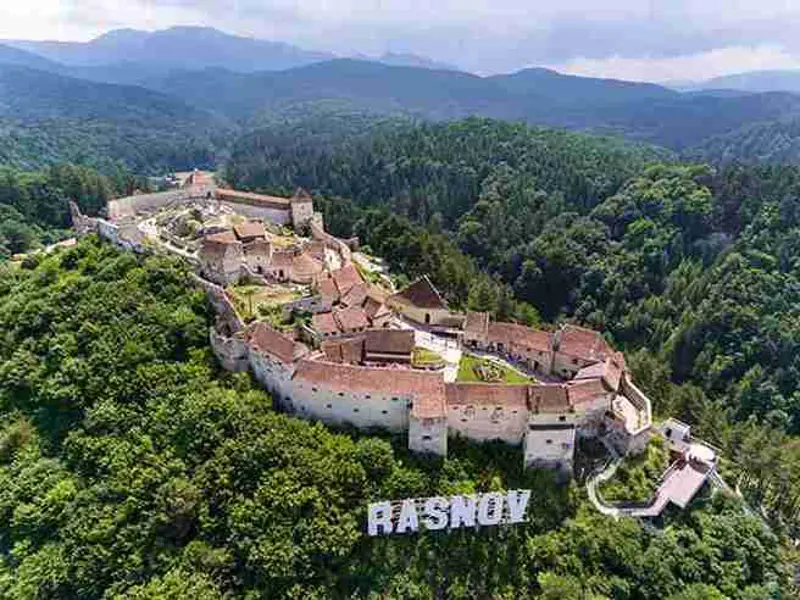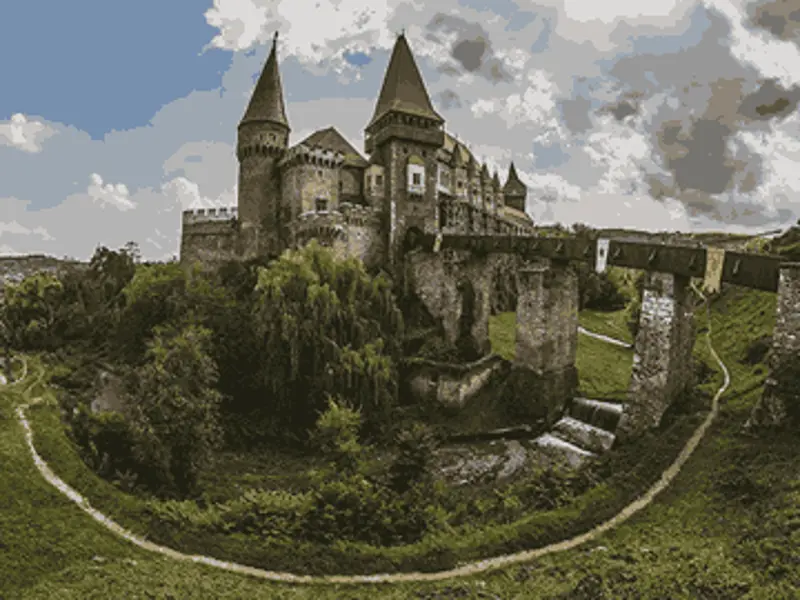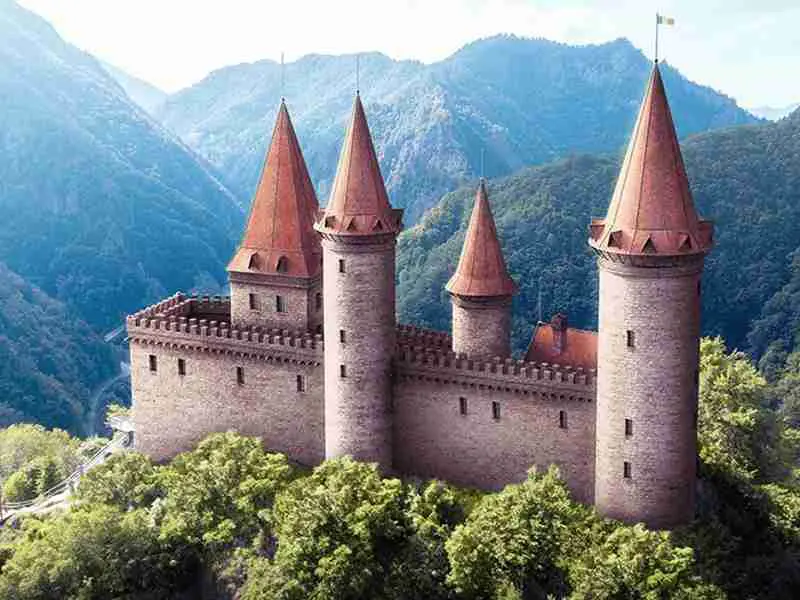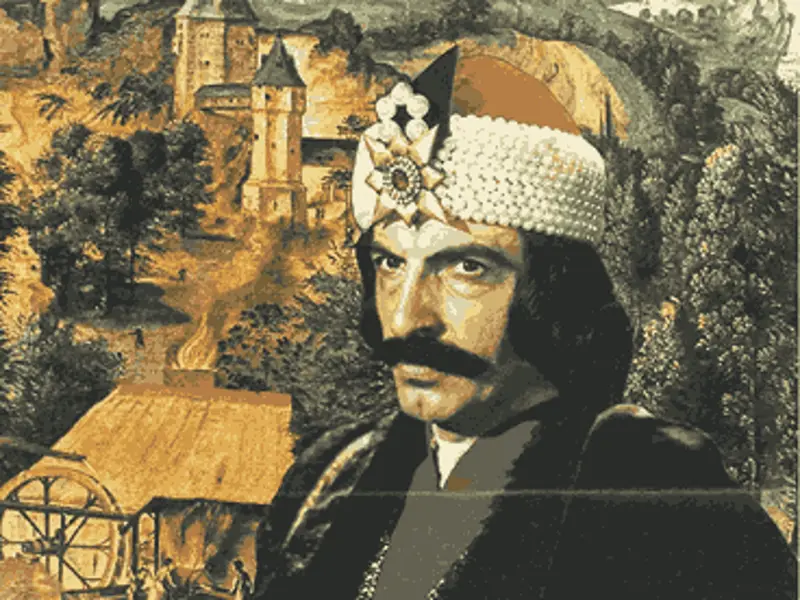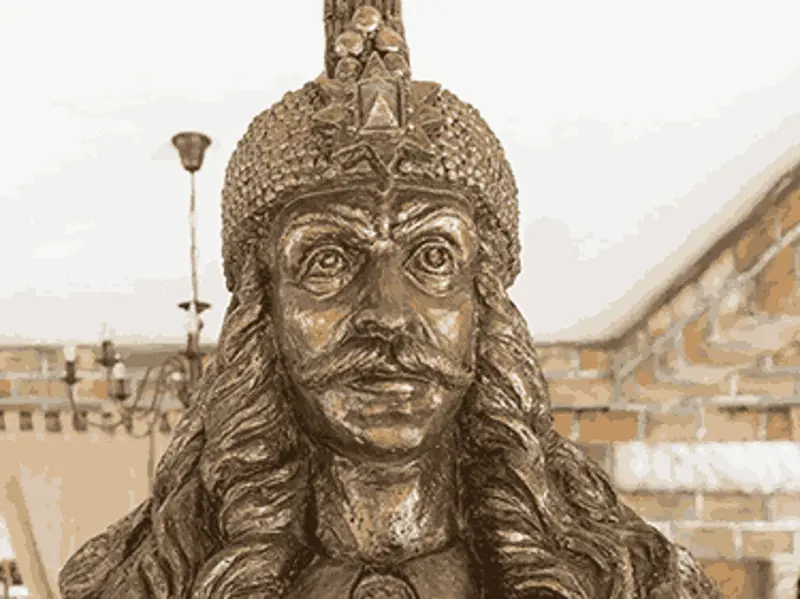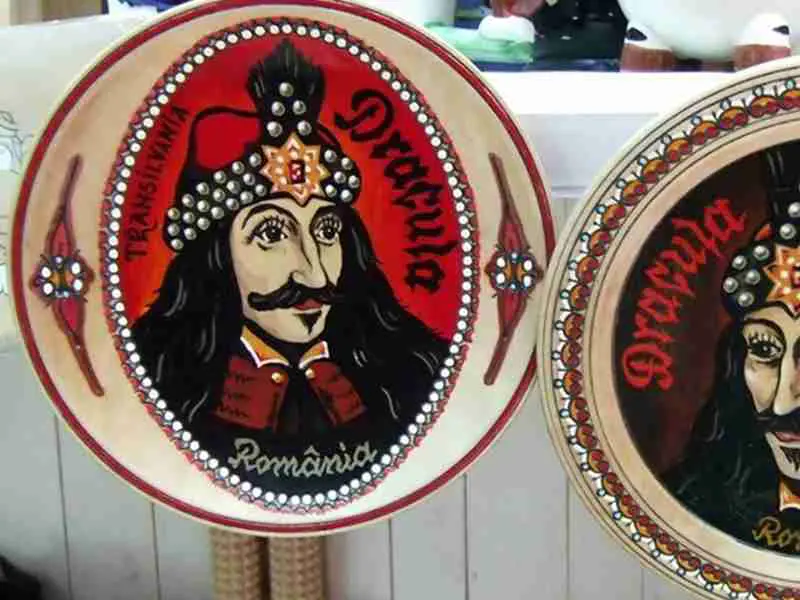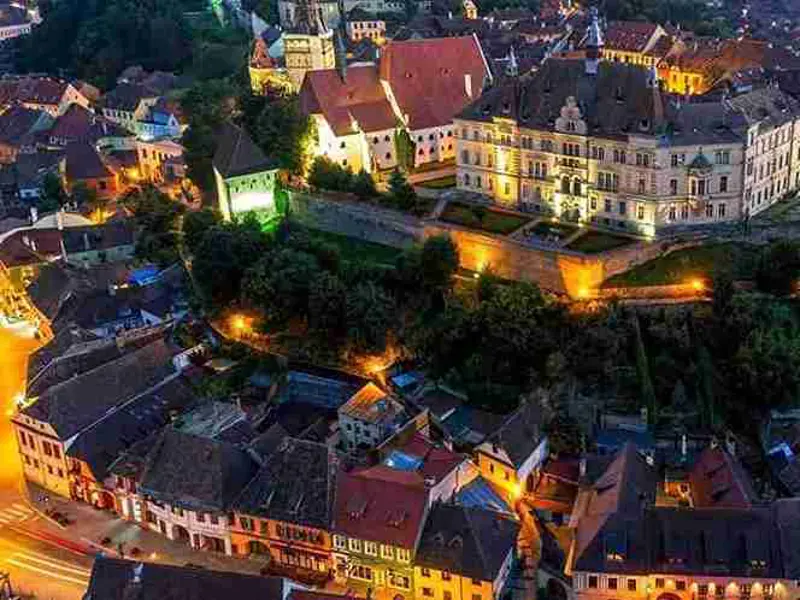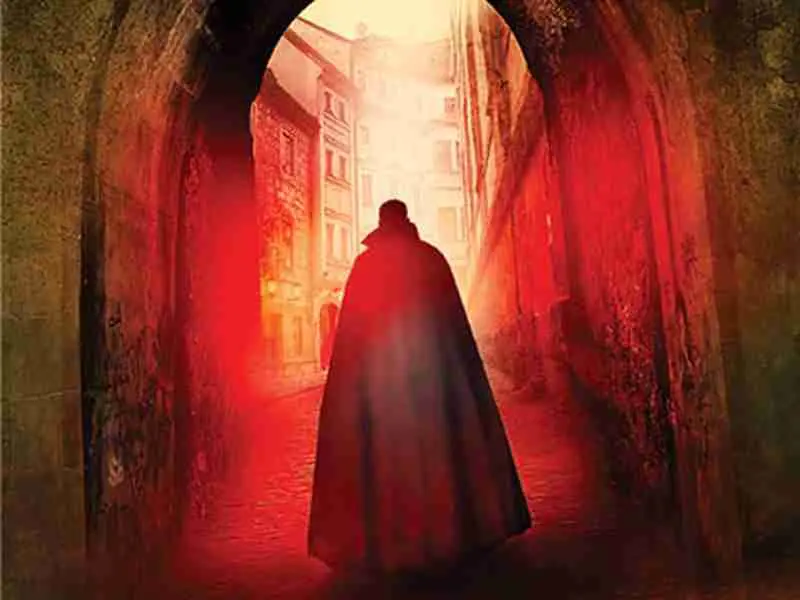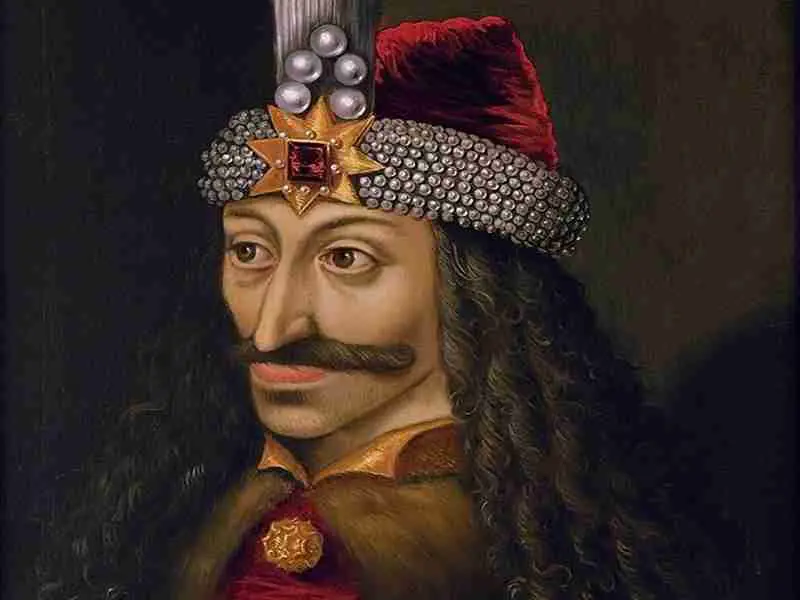
The figure of Dracula has deep roots in Eastern European history, inspired by the life and deeds of the Wallachian ruler Vlad Țepeș. Over the centuries, the line between truth and fiction has blurred, and the ruler's image has been reinterpreted in countless ways, becoming a symbol of harsh justice and Transylvanian mystery.
The historical origin of the character Dracula
Vlad Țepeș, also known as Vlad Dracula, ruled Wallachia in the 15th century, a period marked by conflicts with the Ottoman Empire and internal power struggles. The name "Dracula" comes from the Order of the Dragon, whose symbol was worn by his father, Vlad Dracul. Through his severe methods of punishment, Vlad Țepeș was feared by traitorous nobles and respected for his desire to impose justice. Historians consider him a harsh but effective ruler who managed to bring stability to a turbulent period in the Romanian Middle Ages.
From ruler to vampire myth
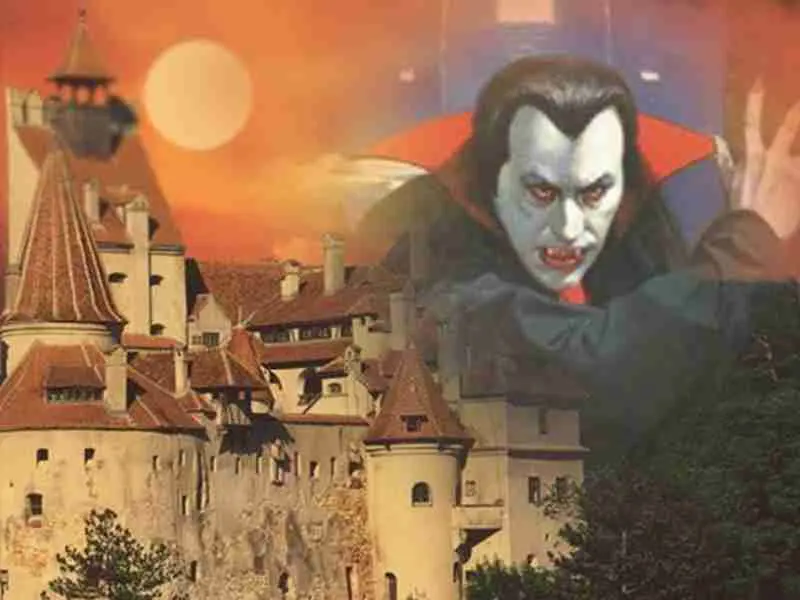
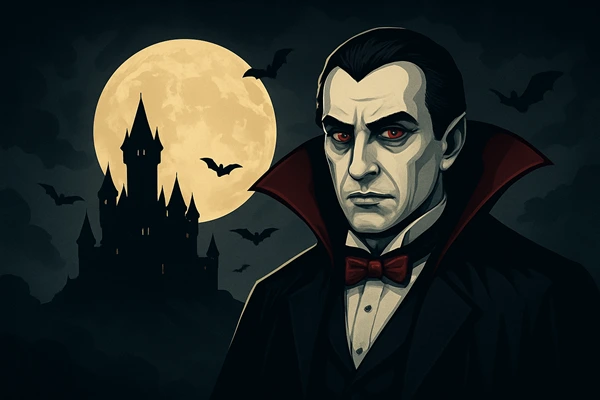
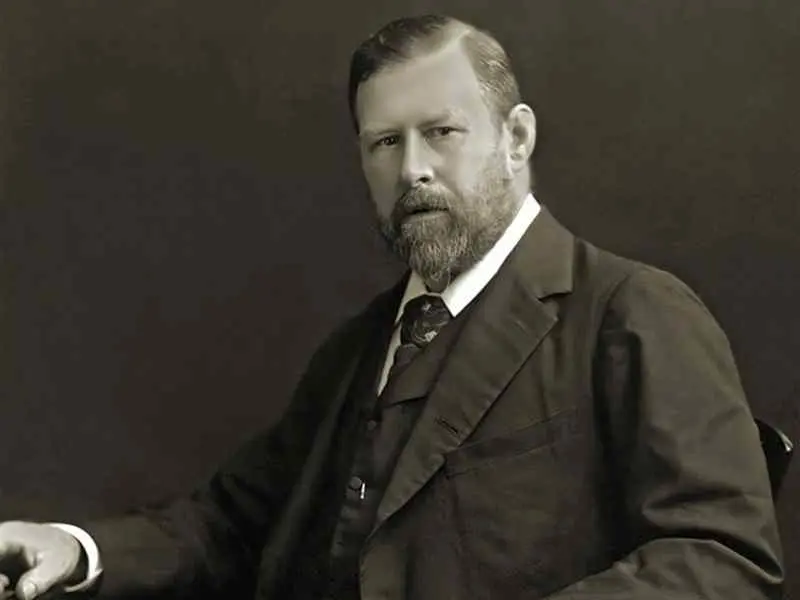
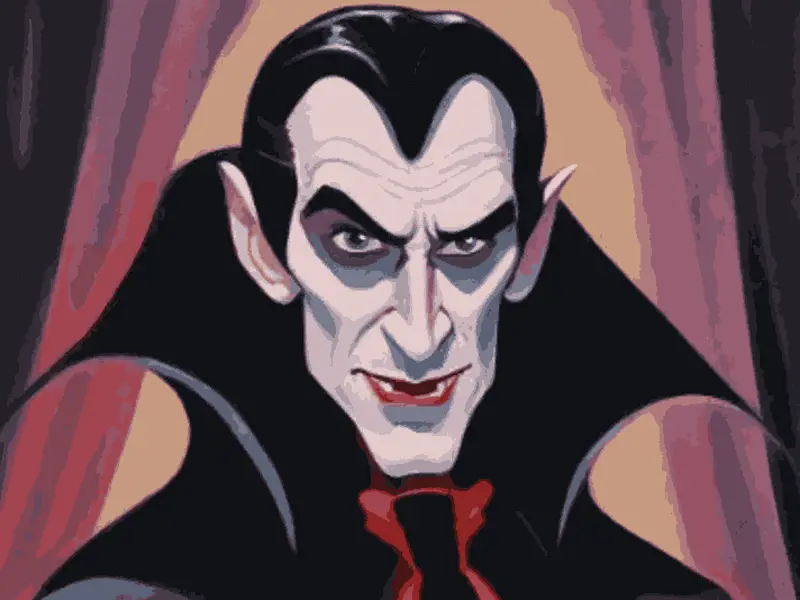
The legend of the vampire Dracula took shape in the 19th century, when Irish writer Bram Stoker published the novel “Dracula.” Using Vlad Țepeș’s bloody reputation, the author created a dark, noble, and immortal figure who became a global symbol of Gothic and mystery. Over time, the myth was fueled by local stories, superstitions about the undead and the Moroi, and a Western fascination with the exoticism of Transylvania.
Dracula – between history and cultural identity
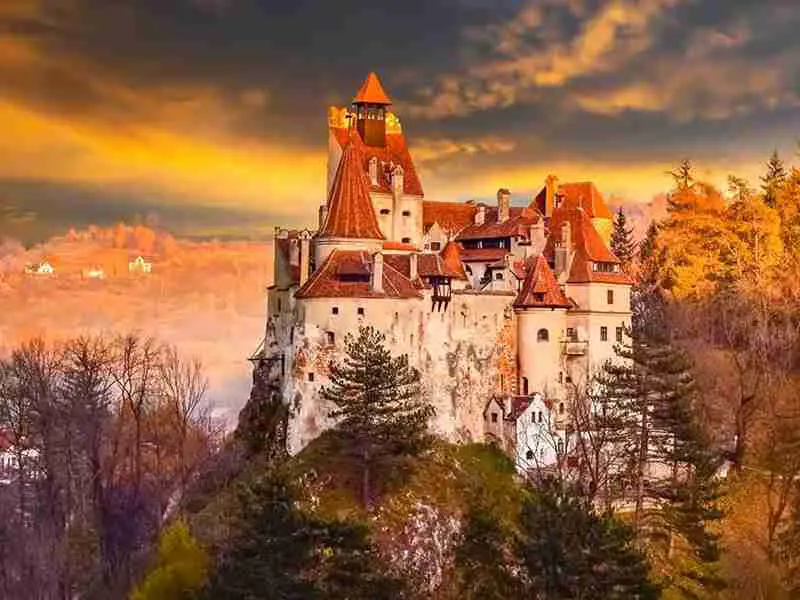
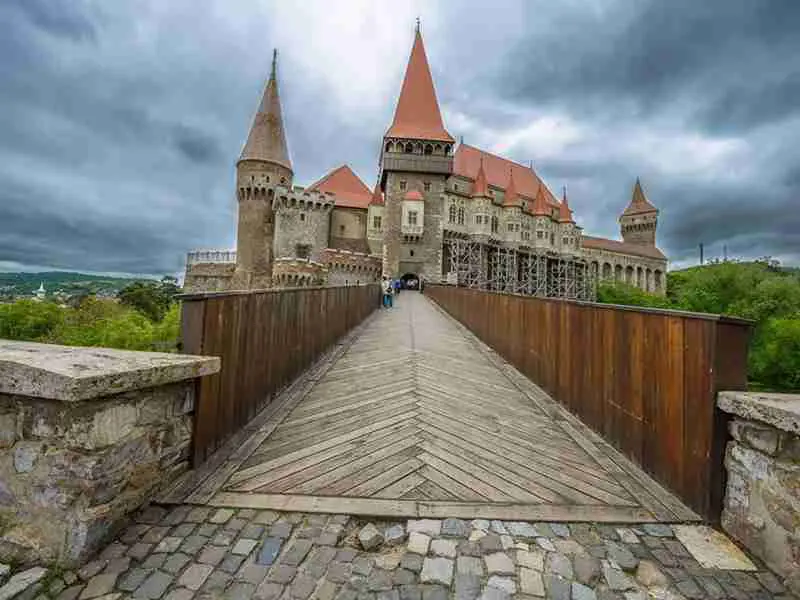
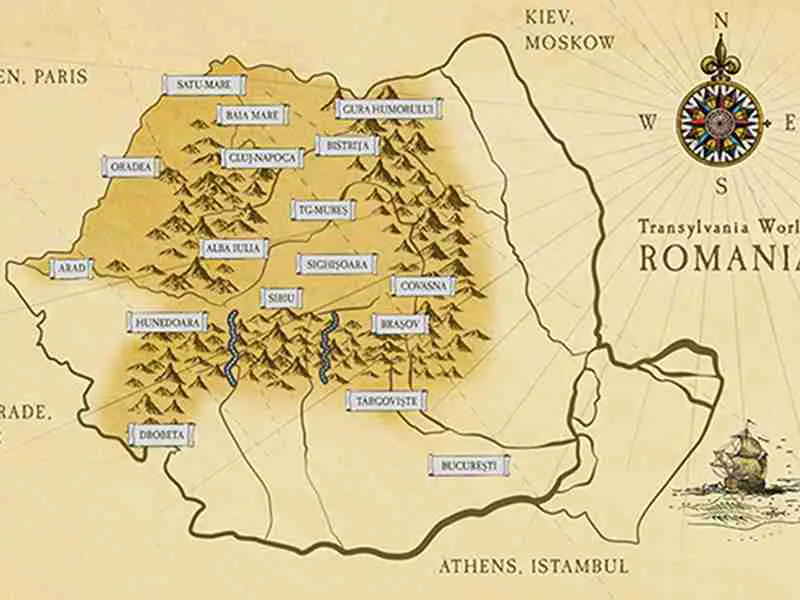
In Romanian culture, Vlad Țepeș is not seen as a monster, but as a symbol of justice and resistance. His image has been rehabilitated, and numerous historical studies and monuments honor his memory as a ruler who defended the country with determination. Today, the name Dracula represents a bridge between history, myth and tourism, attracting millions of visitors curious to discover the truth behind the legend. Here, the myth becomes part of the identity of Transylvania and modern Romania.