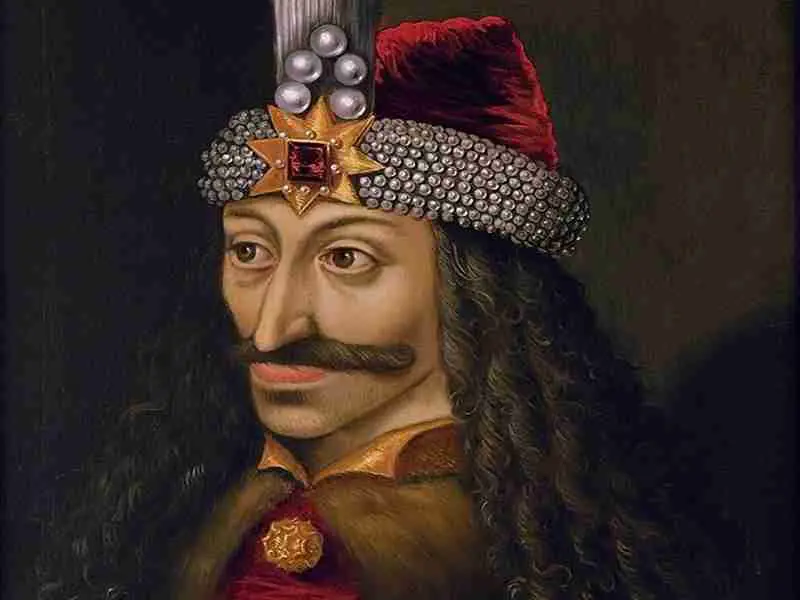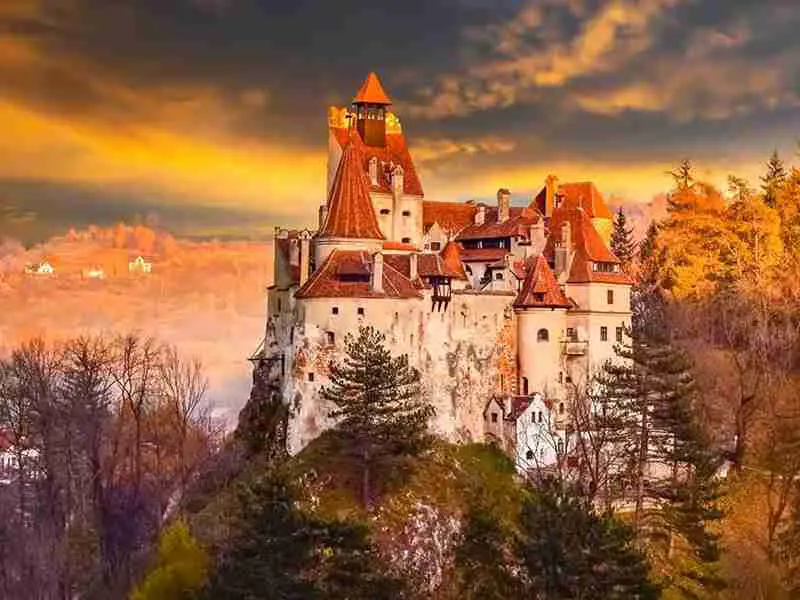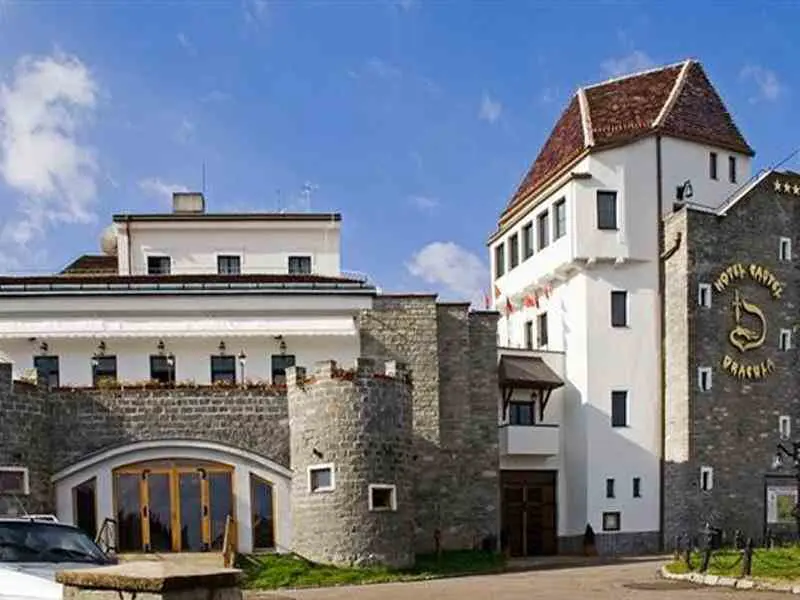
The myth of Dracula is inseparable from the idea of vampirism, born from Transylvanian tales of the undead and damned souls. The fascination with bloodlust and the desire for immortality made the image of the ruler Vlad Țepeș merge with that of the vampire, creating one of the most persistent legends in universal culture.
The origins of vampirism in Romanian beliefs
In the old villages of Transylvania, it was said that some of the dead returned from their graves to feed on the energy of the living. These undead were feared, and protective rituals included fire, garlic, and Christian symbols. From this came the image of the vampire – a being living between life and death, attracted to blood, a symbol of life force.
Dracula – from ruler to legendary vampire
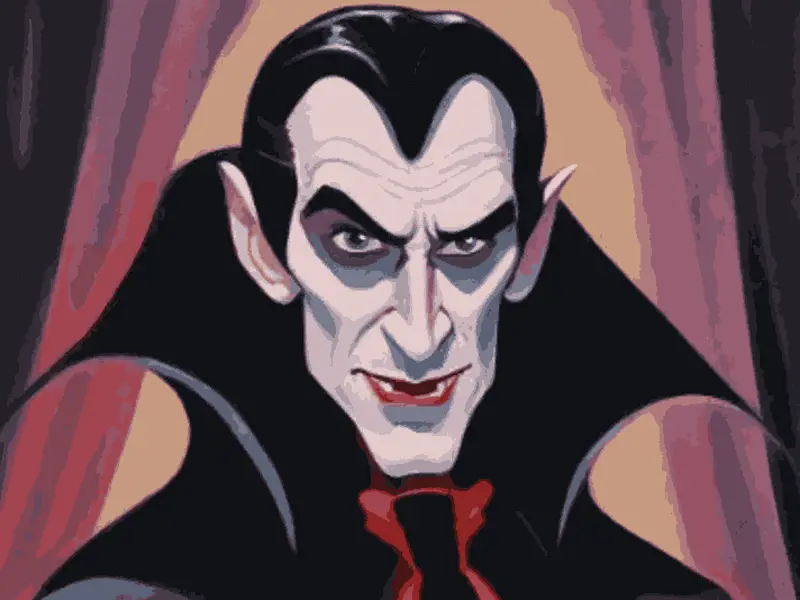
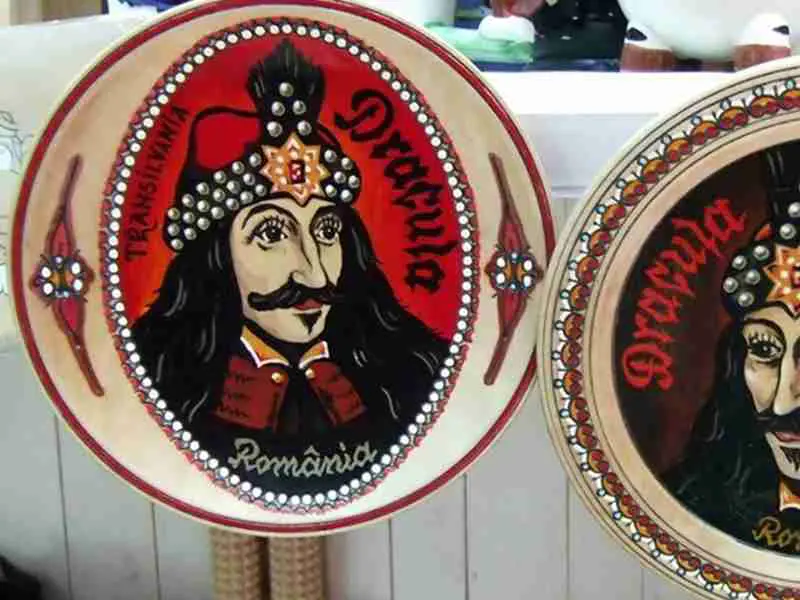
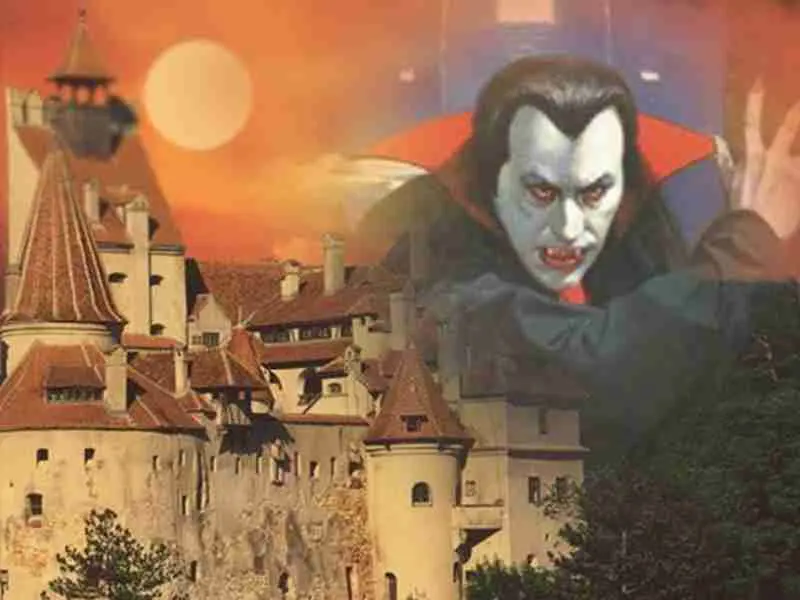
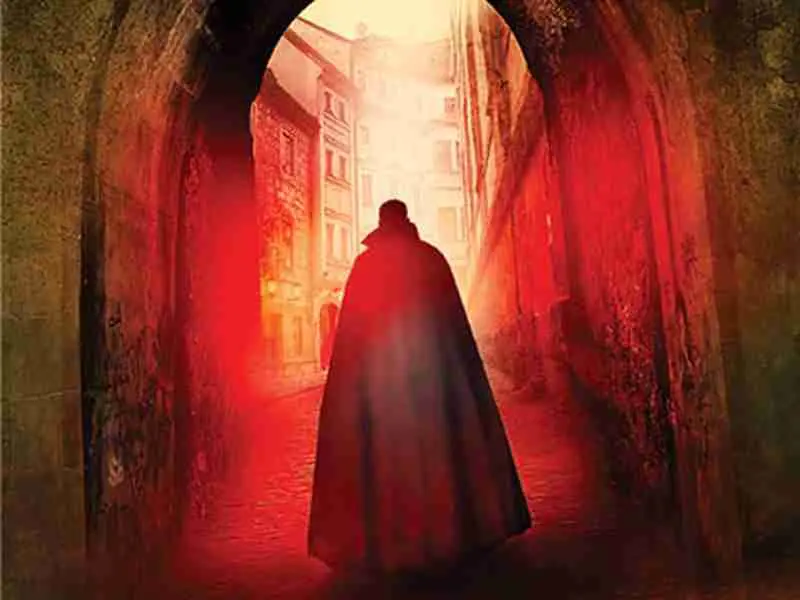
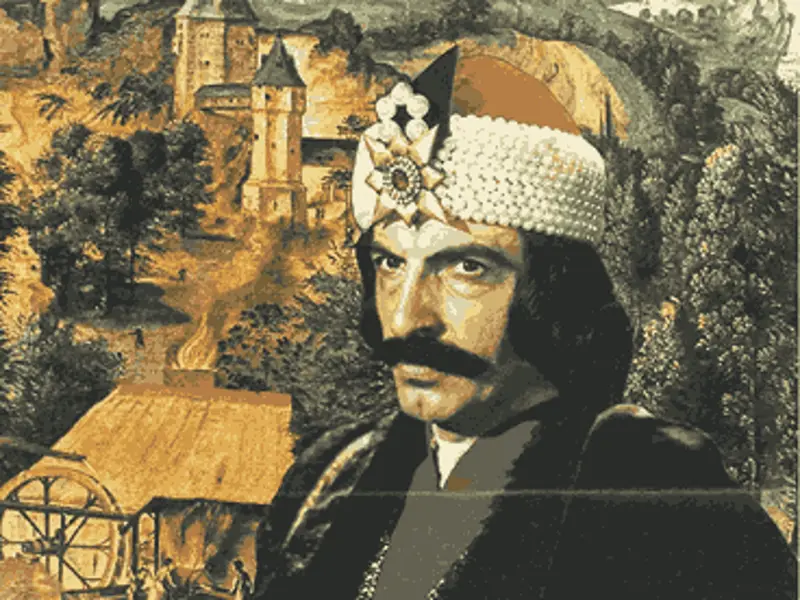
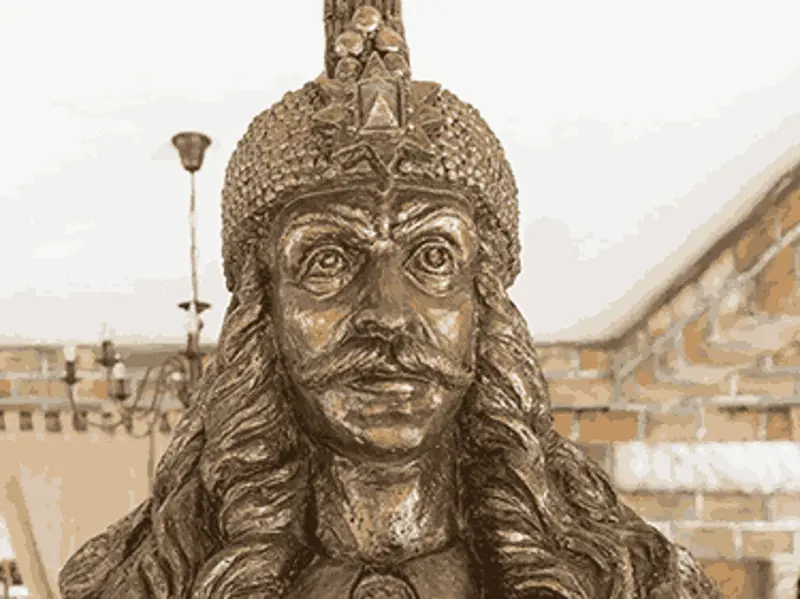
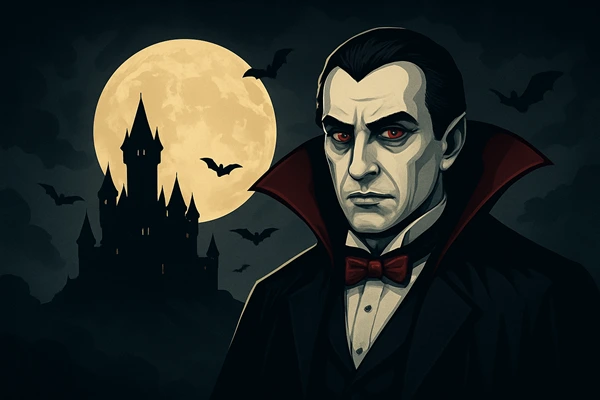
Vlad Țepeș's personality, associated with cruel punishments and cruelty, inspired Western writers to transform him into the archetype of the vampire. In Gothic literature, Dracula becomes the eternal figure of the cursed one – a nobleman of darkness, trapped between the power to live forever and the curse of loneliness.
Vampirism as a symbol of immortality
In essence, the vampire is not just an evil being, but an expression of man's desire to defy death. Dracula becomes a symbol of eternity, absolute power, and the fear of losing one's soul. His myth transcends the ages, constantly reinterpreted in films, books, and art, as a reflection of human nature – seduced by darkness, but always attracted to life.