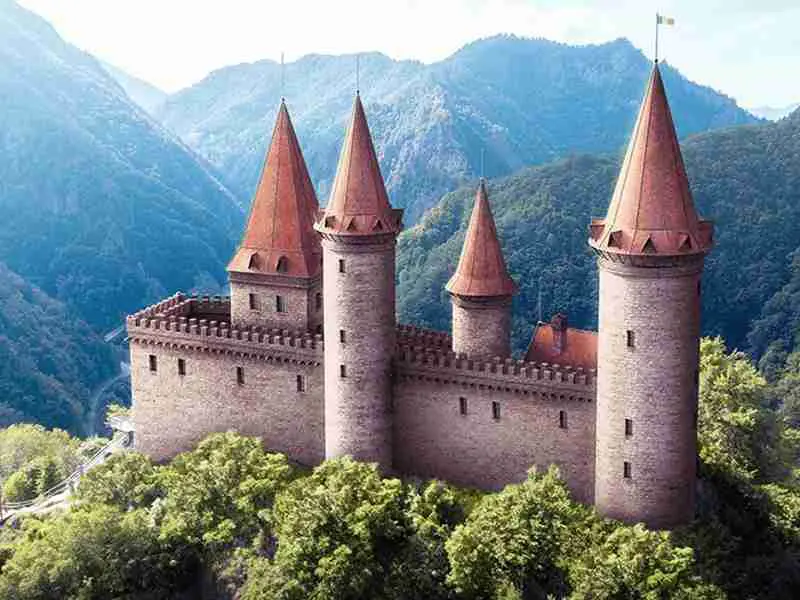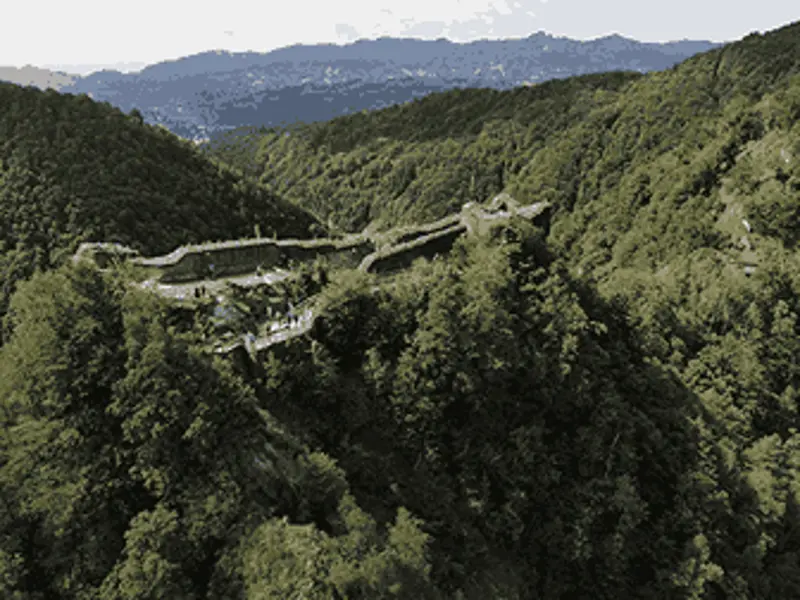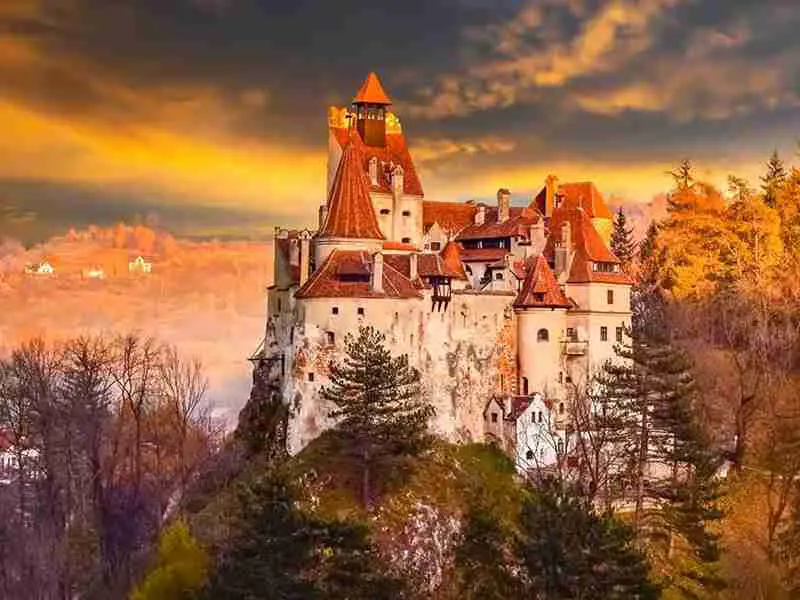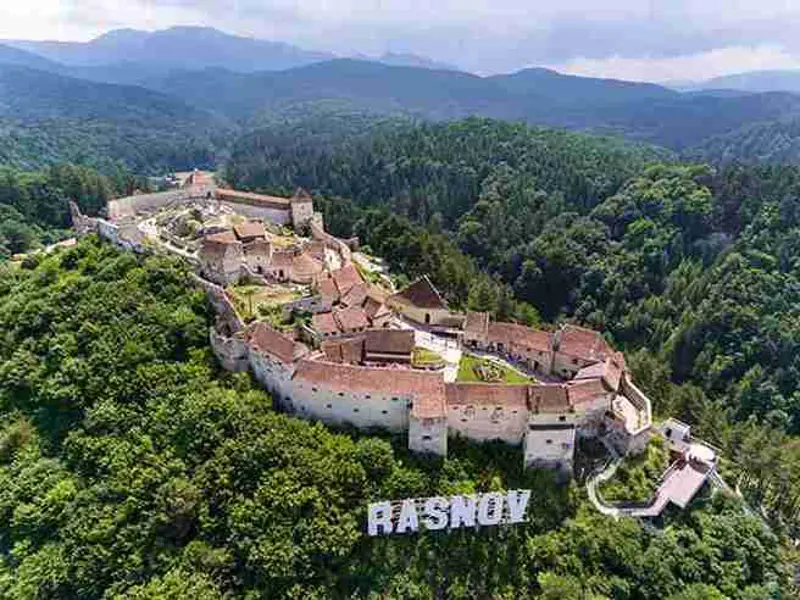
On the road connecting Brașov to Bran, at the foot of the Bucegi and Piatra Craiului mountains, stands the imposing Râșnov Citadel – a symbol of Transylvanian resistance, courage and free spirit. Built in the Middle Ages to defend the inhabitants against invaders, the citadel has become a veritable stone story over the centuries, with legends, heroes and mysteries.
Today, Râșnov Citadel is one of the most visited tourist attractions in Romania, an essential part of the Dracula Trail and the medieval heritage of Transylvania. Here, history is felt at every step, and the view over Țări Bârsa takes you back in time, to a world of knights and freedom struggles.
History of Râșnov Fortress
The first fortifications in the Râșnov area date back to the 13th century, when the Teutonic Knights were granted the right to defend the Land of Bârsei. After their withdrawal, the Saxon locals built a fortification on the steep hill overlooking the valley, to defend themselves from Tatar and Ottoman invasions.
Historical documents attest to the existence of the fortress in 1335, when the inhabitants of Râșnov took refuge here during a Tatar invasion. Built of stone and brick, the fortress was intended as a long-term shelter, with housing, food storage, and a deep well, essential in case of siege.
Architecture and structure of the fortress
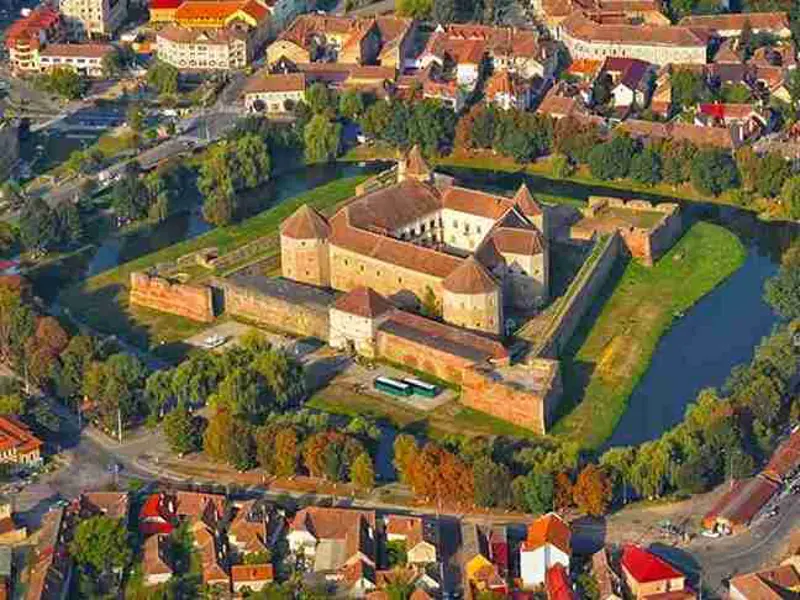
The Râșnov Fortress is notable for its strategic location and architecture adapted to the terrain. The fortification consists of two enclosures: an outer one, with walls over 5 meters high, and an inner one, where the dwellings, workshops and the fortified church were located.
- Thick stone walls – capable of withstanding attacks with catapults and cannons.
- Defense towers – strategically positioned to oversee the entire valley.
- Main gate – equipped with a drawbridge and barbican.
- Fortress well – 146 meters deep, dug by hand between 1623 and 1642, in legend associated with two Turkish prisoners.
Legend has it that Turkish prisoners captured by the inhabitants were made to dig the well with the promise of freedom, but after 17 years of work, it is not known whether their promise was kept. On the walls of the well, you can still read Arabic inscriptions - traces of that fascinating story.
Râșnov and the legends of Transylvania
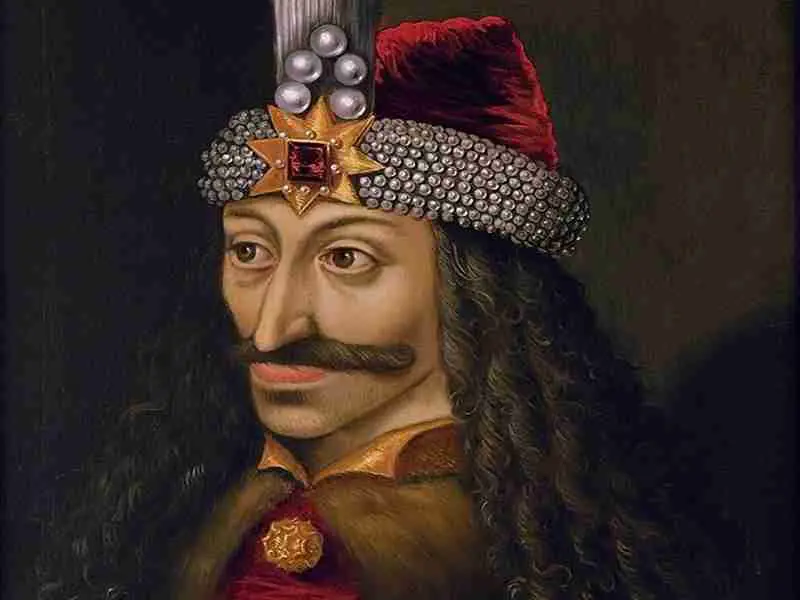
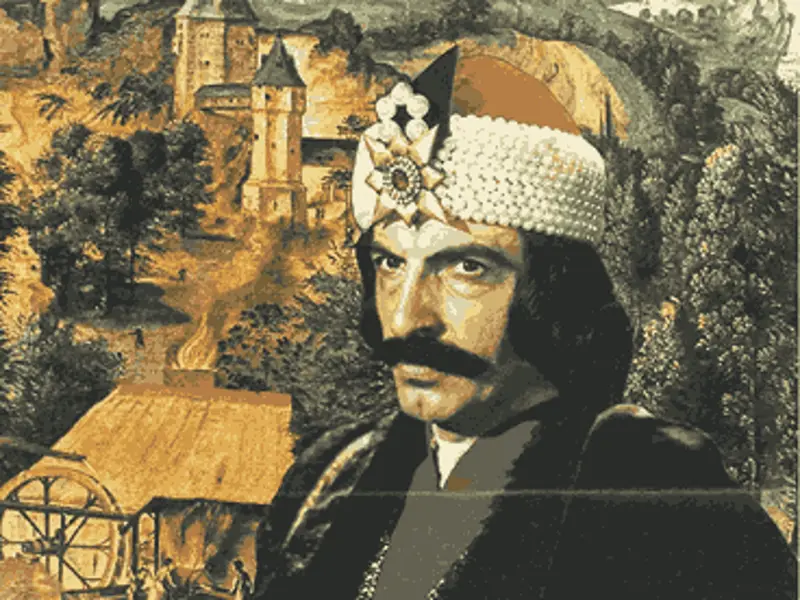
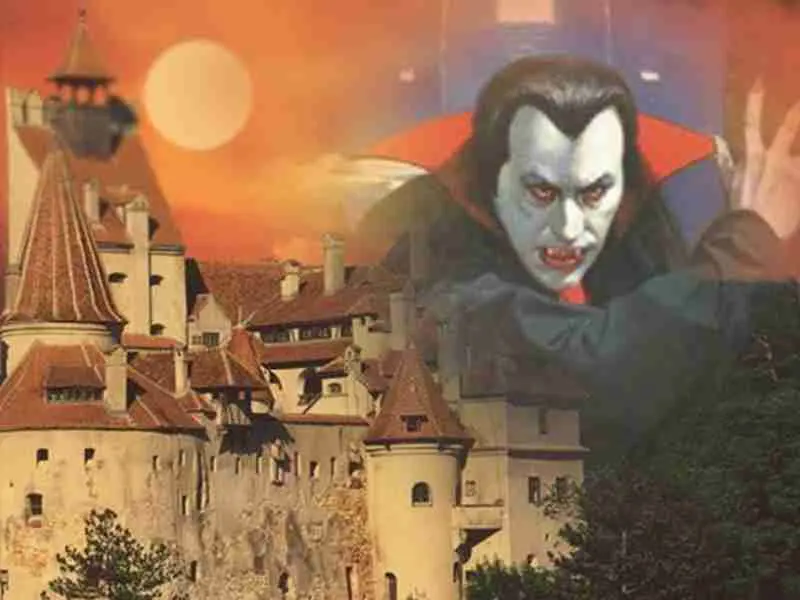
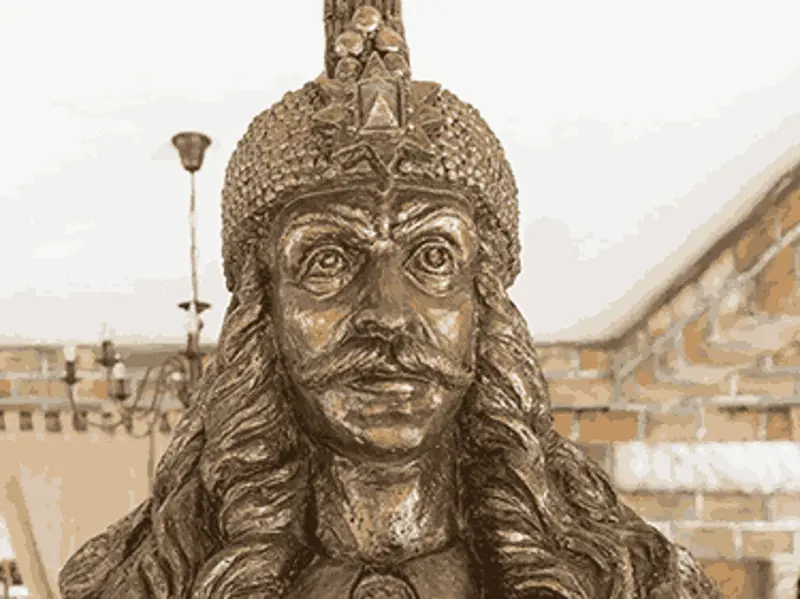
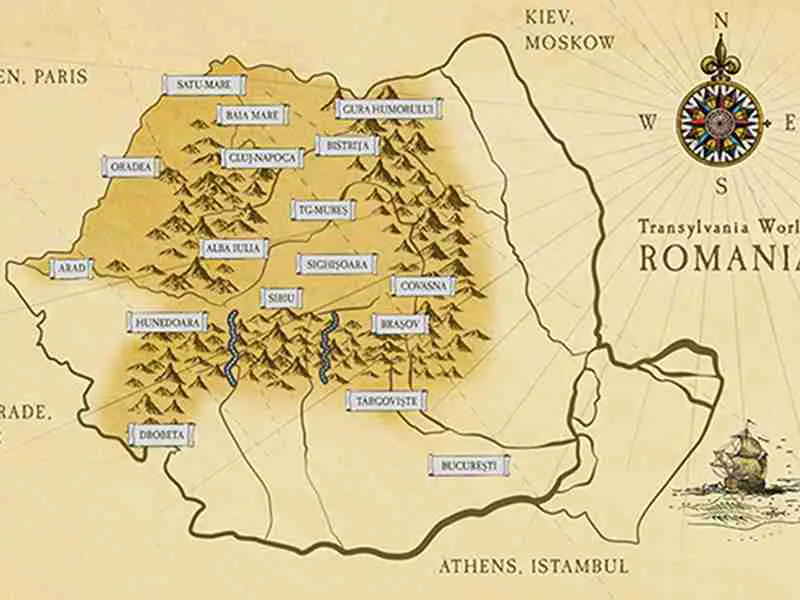
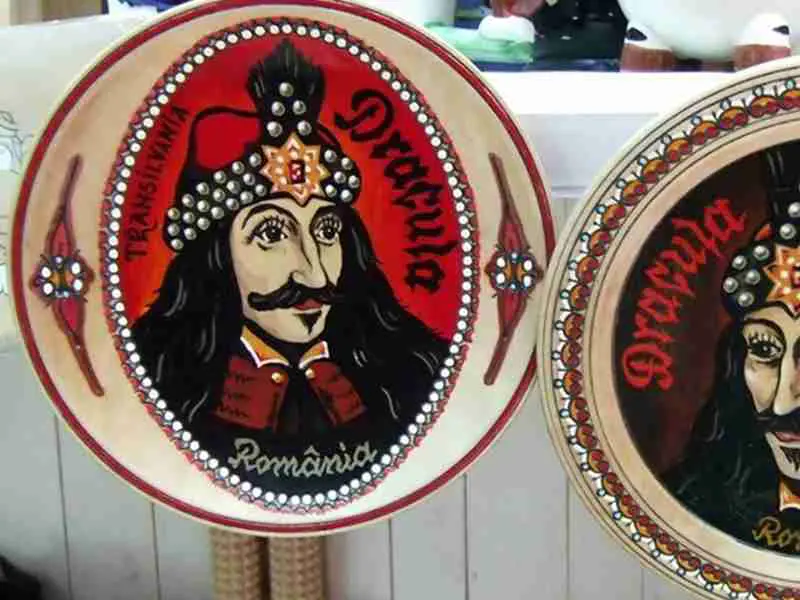
Râșnov, located between Brașov and Bran Castle, is part of the legendary territory of Dracula. In the 15th and 16th centuries, the area was under the influence of Wallachian rulers and Saxon nobles, and Vlad Țepeș was a well-known character in these parts. It is said that the people of Râșnov respected him for his courage and discipline, but also feared him for the cruelty with which he punished traitors and thieves.
Today, numerous themed tours from Bran and Brașov include Râșnov as an important stop on the “Dracula's Trail”, offering visitors the opportunity to discover the real history behind the legend of the vampire count.
Life in the fortress
The Râșnov Fortress was a real city in miniature. Here lived the Saxon families, the craftsmen and the soldiers who defended the walls. The fortress was self-sufficient – it had a bakery, a school, a chapel, stables and blacksmith and carpentry workshops.
In times of peace, people would descend into the village for agriculture and trade, and in times of danger, they would retreat within the walls of the fortress, sometimes for months.
What can you visit today at Râșnov Citadel?
- Defense towers – offer a spectacular panorama of Țara Bârsea and the Bucegi mountains.
- Inner courtyard – where tools, medieval costumes and authentic weapons are exhibited.
- Râșnov Citadel Museum – houses collections of medieval artifacts, documents and historical models.
- The legendary well – one of the deepest in Europe, with a story full of mystery.
- The fortified church – a place of peace and spirituality, located within the walls.
Events and traditions in Râșnov
Throughout the year, the fortress comes to life through cultural events and festivals dedicated to the Middle Ages and the history of Transylvania.
- Râșnov Medieval Festival – historical reenactments, knightly parades and medieval fighting shows.
- Râșnov Historical Film Festival – screenings, debates and outdoor cultural events.
- “Shadows of the Citadel” Night Tours – thematic experiences about the legends and hidden stories of the place.
Curiosities about Râșnov Citadel
- The fortress was never conquered by force, but was only temporarily abandoned due to famine or disease.
- During the Tatar invasion of 1335, it was the only place in the region to resist the attack.
- Part of the fortress was restored with the support of the locals, who preserved traditional construction methods.
- Legend says that on quiet nights, echoes can be heard from the deep well – the voices of those who dug it.
How to get to Râșnov Citadel
- 🚗 By car – 15 km from Brașov and 10 km from Bran, on the DN73 road.
- 🚶♂️ On foot – approximately 15-20 minutes of climbing from the base of the hill, through the forest.
- 🚠 By panoramic elevator – a modern experience that offers a superb view of the fortress and the city of Râșnov.
Conclusion
Râșnov Fortress is a place where time seems to have stood still. Its stone walls tell stories of bravery, faith and survival. In the context of the legend of Dracula, the fortress symbolizes the strength of the people of Transylvania to defend their freedom and identity, in a world dominated by myths and struggles.