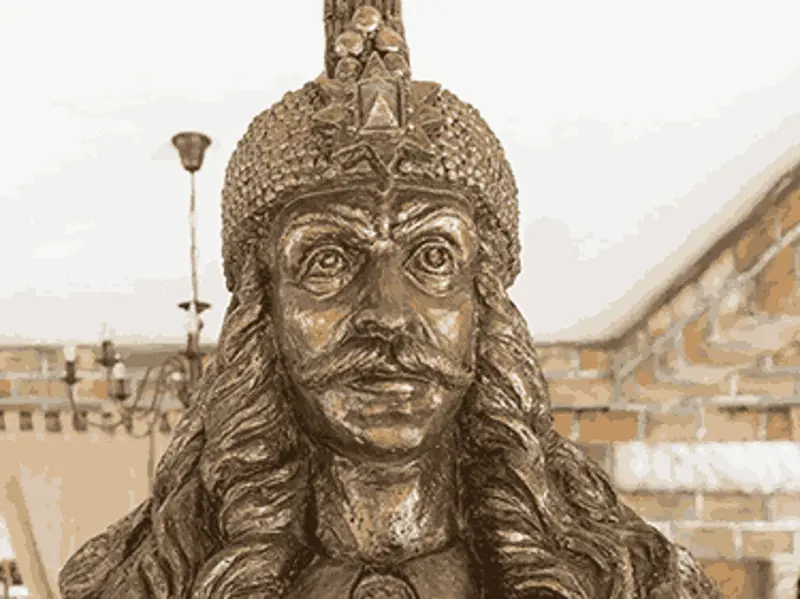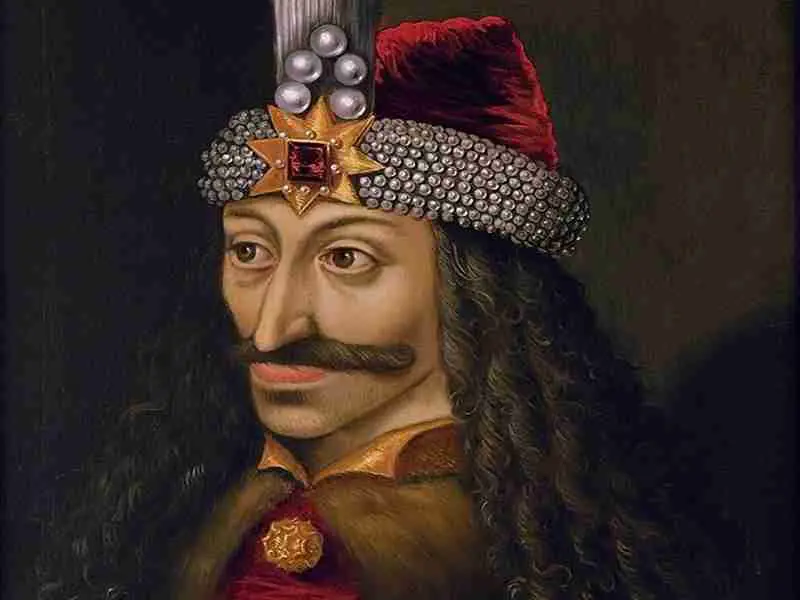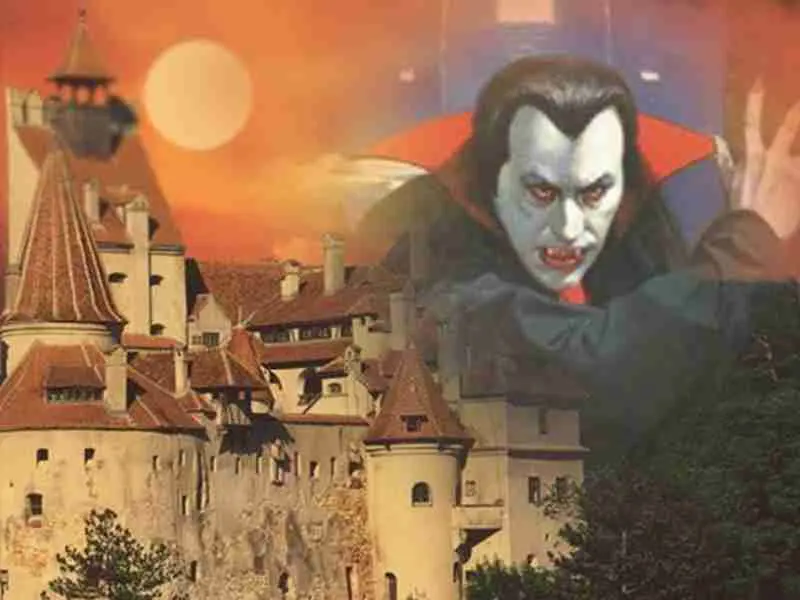
Dracula has become one of the most influential literary figures of all time. Inspired by the history of ruler Vlad Țepeș and the legends of Transylvania, the myth has been transformed into a complex story of fear, desire, and immortality.
The birth of a literary symbol
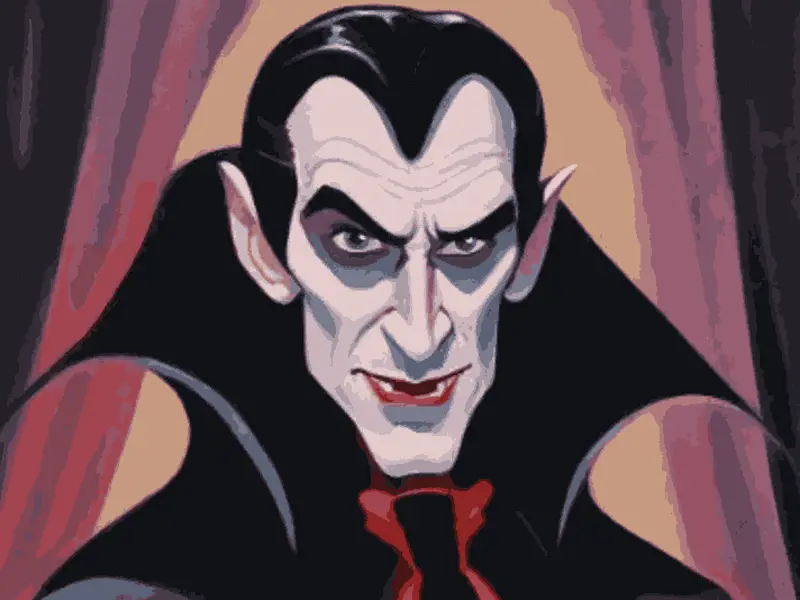
In the 19th century, the fascinating world of Eastern Europe became a source of inspiration for authors passionate about mystery and the supernatural. The character Dracula was created as a synthesis between Romanian folk myths and the Victorian fear of the unknown. The vampire thus became a metaphor for the power of seduction, moral corruption, and thirst for control.
From Gothic novel to universal symbol
The story of Count Dracula transcended the boundaries of Gothic literature, becoming a global symbol. In later writings, he is reinterpreted as a tragic being, caught between humanity and curse. Each author adds a new facet to the myth, keeping alive the connection between fiction and the real history of Transylvania.
Dracula and his influence on modern literature
Today, the image of Dracula dominates fantasy and Gothic literature, inspiring thousands of authors around the world. The character continues to symbolize the conflict between life and death, love and damnation, attraction and fear. Beyond the story, it remains a reflection on human nature and the temptation of immortality.