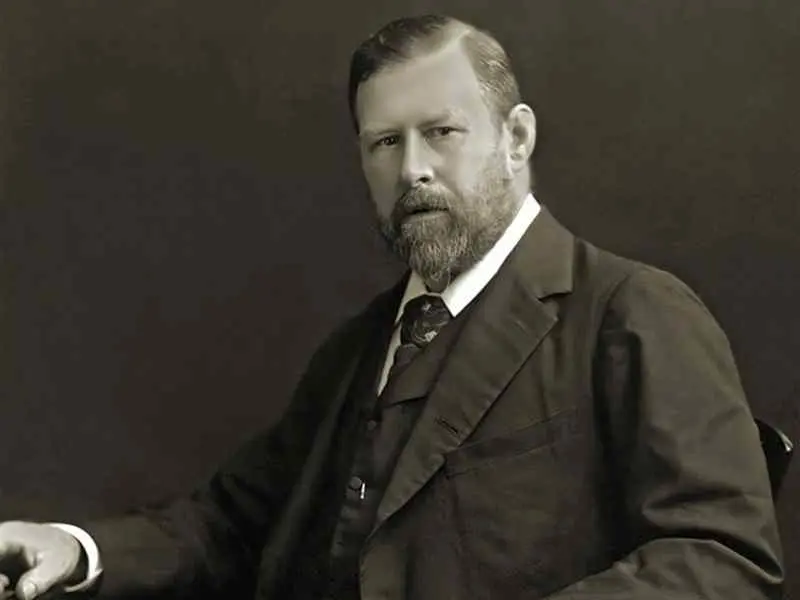
Bram Stoker, the author of the novel "Dracula," managed to transform an Eastern European legend into a masterpiece of Gothic literature. Fascinated by the myths of Transylvania and the history of Vlad Țepeș, the Irish writer created a character who became a universal symbol of mystery and fear.
The life and inspiration of Bram Stoker
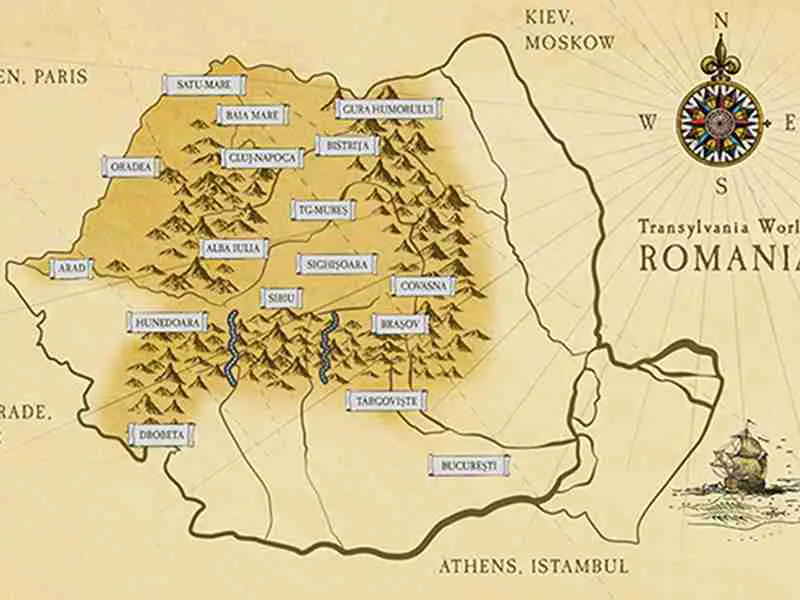
NBorn in Dublin in 1847, Bram Stoker was originally a theater critic and manager of the famous actor Henry Irving. During the documentation for the novel "Dracula", Stoker intensively studied Romanian folk traditions, superstitions and legends. Although he never visited Romania, he managed to reproduce the mysterious atmosphere of the Carpathians and the mystical aura of Transylvania with remarkable narrative force.
Dracula – a mix of history and myth
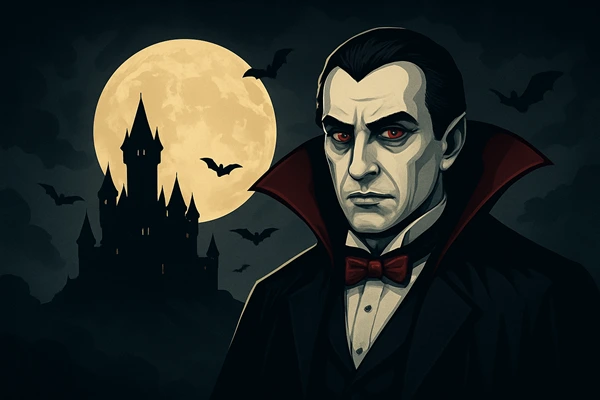
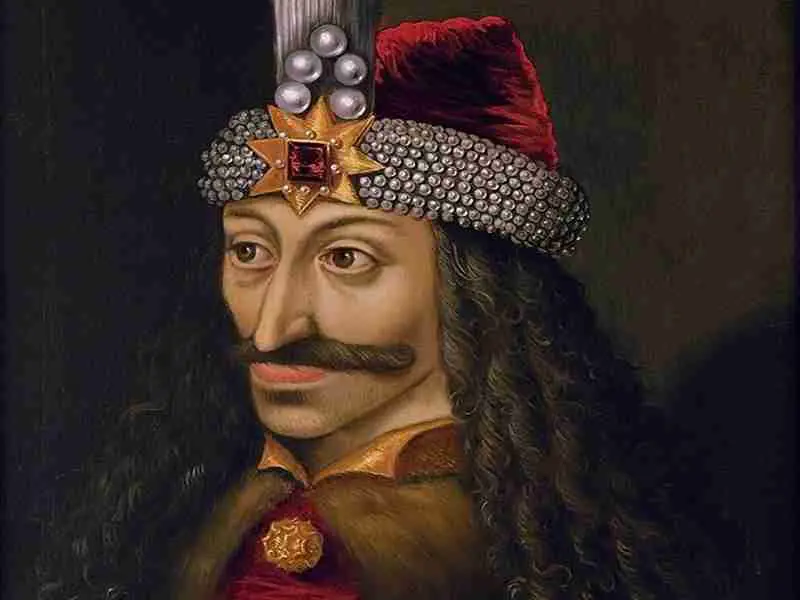
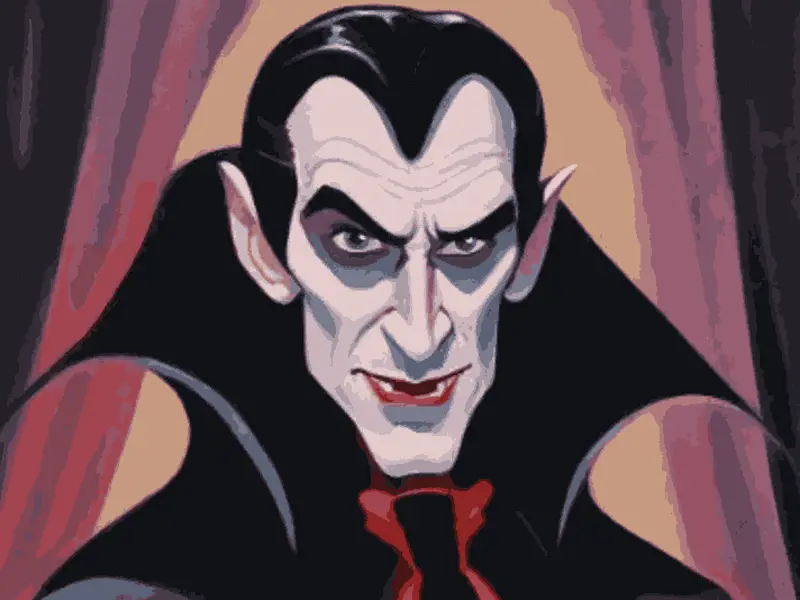
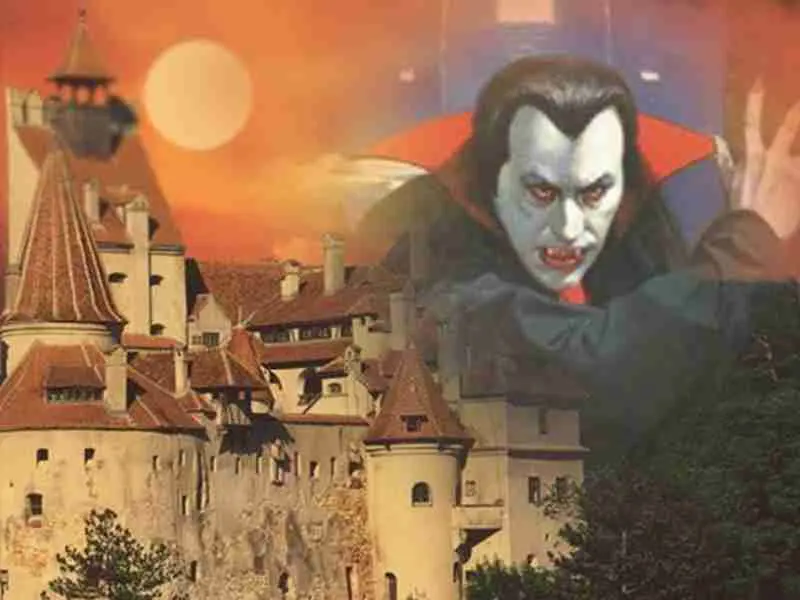
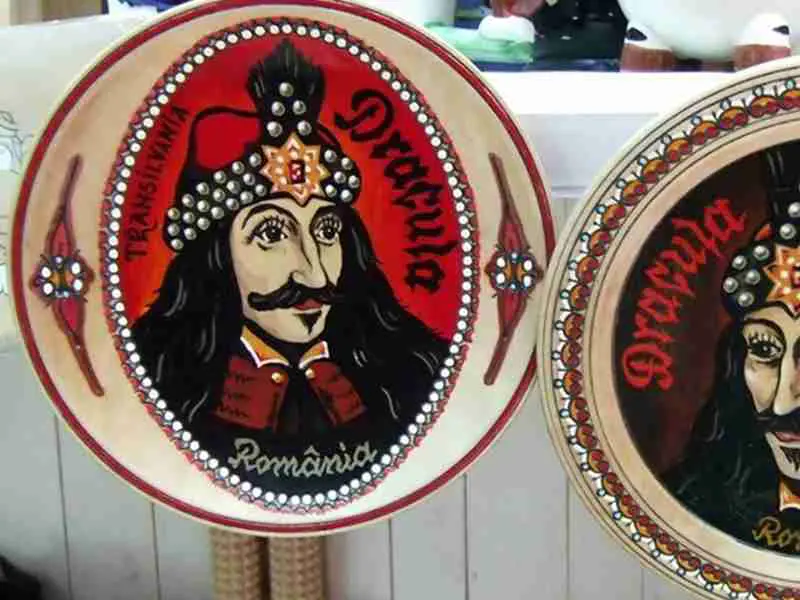
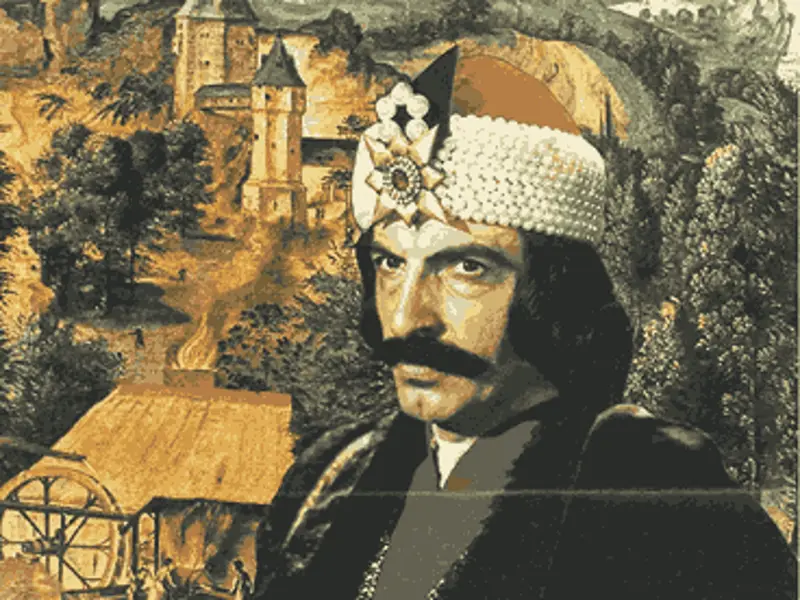
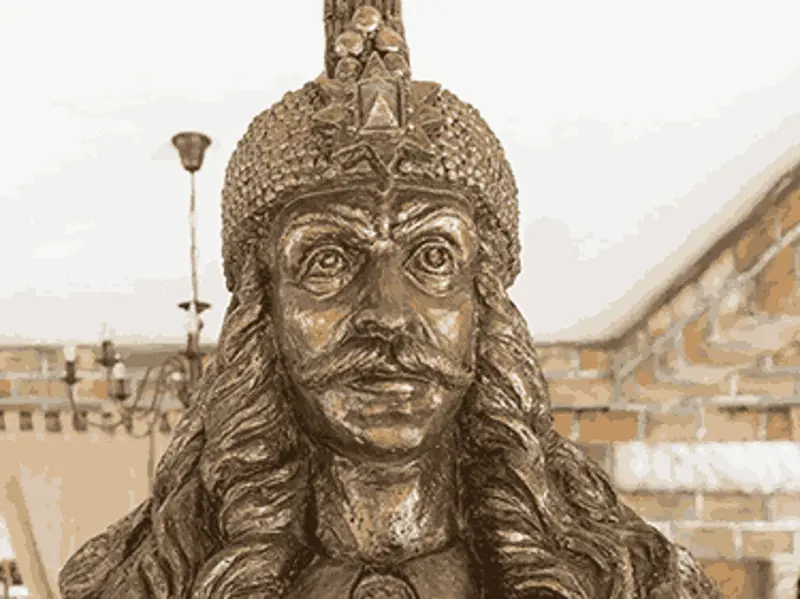
The character of Count Dracula is a combination of the historical figure of Vlad Țepeș and the vampire myth popular in Eastern Europe. Stoker used these sources to create a story of power, immortality, and inner terror, exploring the fears of the Victorian era. The novel became a pillar of the Gothic genre and a work that redefined the concept of the literary monster.
Bram Stoker's Literary Legacy
More than a century after its publication, "Dracula" continues to influence writers, directors, and artists around the world. Bram Stoker created not just a story, but a modern mythology that blends fantasy with history. Through his sober, epistolary style, he transformed the fear of the unknown into an art of suspense that endures to this day.