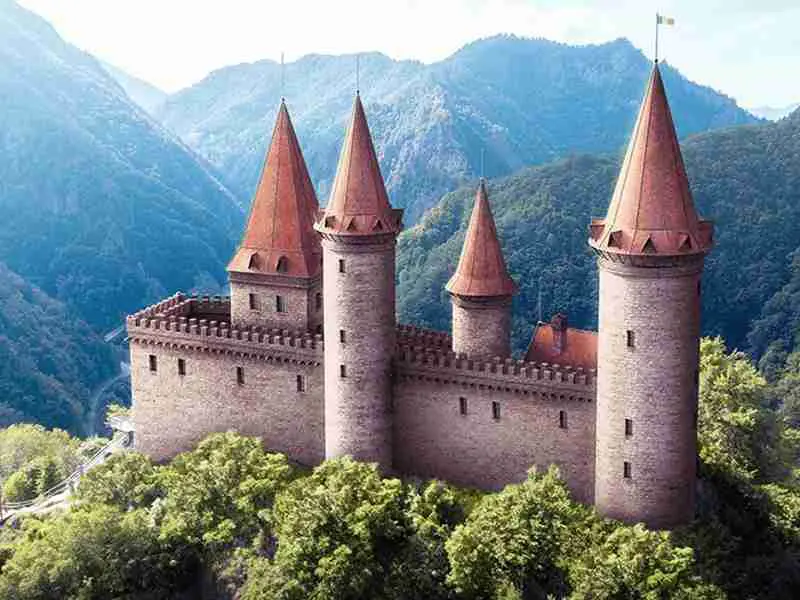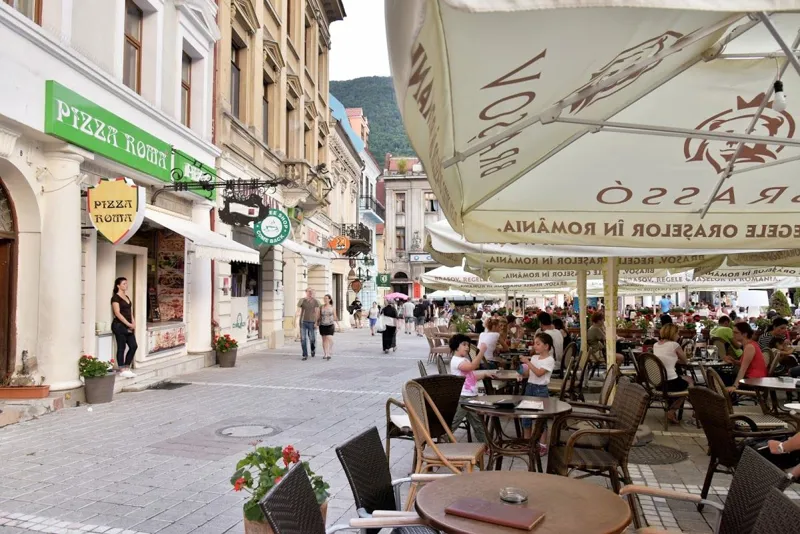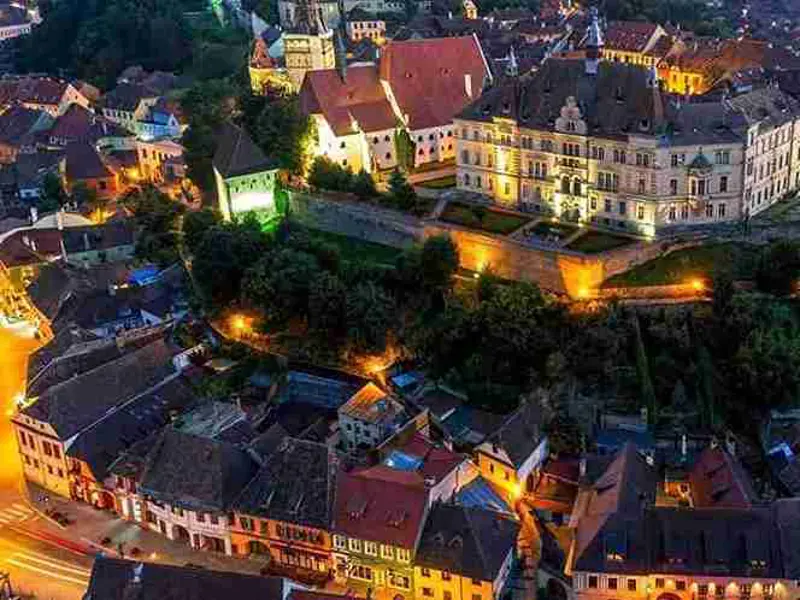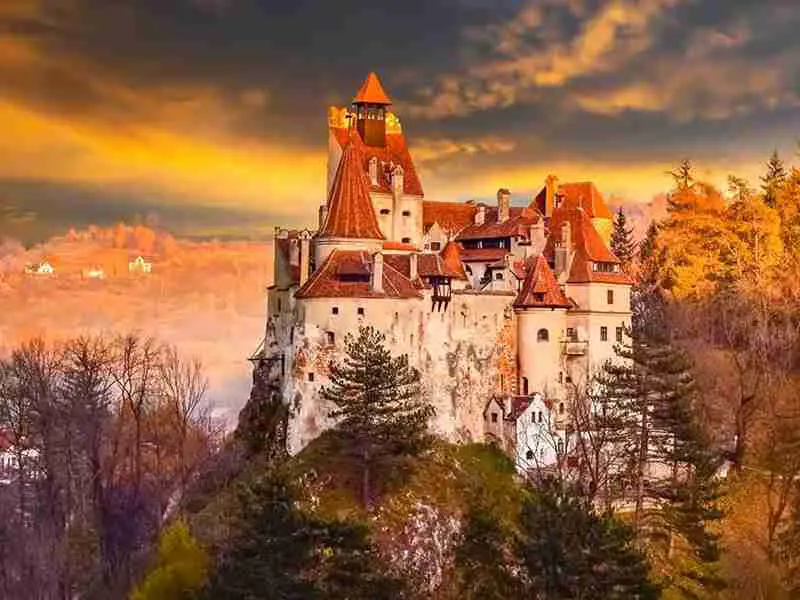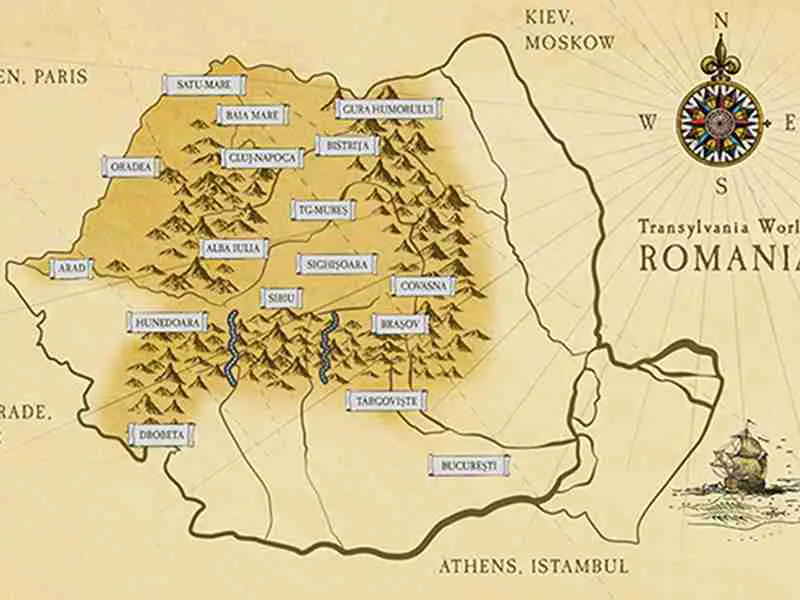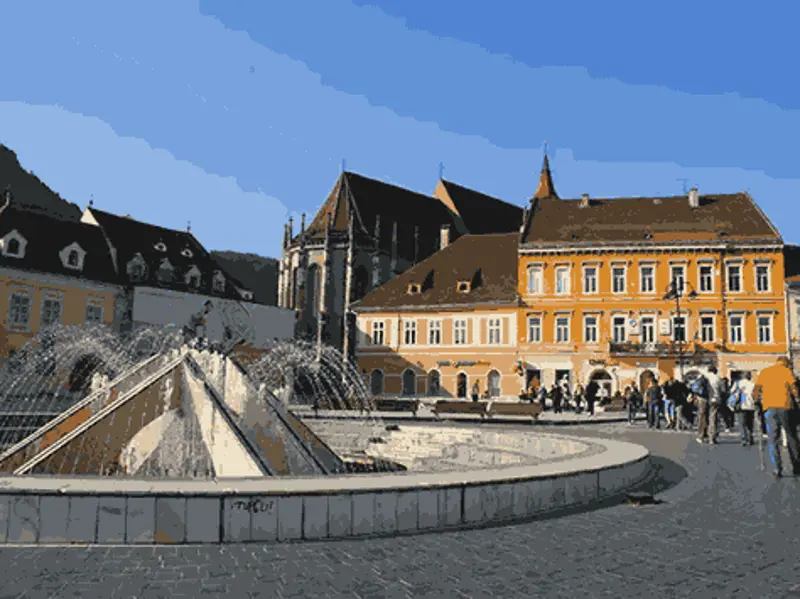
In the heart of Transylvania, between gentle hills and ancient stone walls, lies Sibiu – a city that proudly bears the medieval legacy of the Saxons and the eternal charm of the age of knights. With wide squares, defensive towers, secret passages and fascinating legends, Sibiu is known as the city of guilds and one of the best-preserved historic centers in Europe.
Over the centuries, Sibiu has been a stronghold of craftsmen, merchants and intellectuals, but also a place shrouded in mystery – a space where historical reality subtly intertwines with the stories and symbols of Transylvania, the homeland of the myth of Dracula.
The origin and history of the city of Sibiu
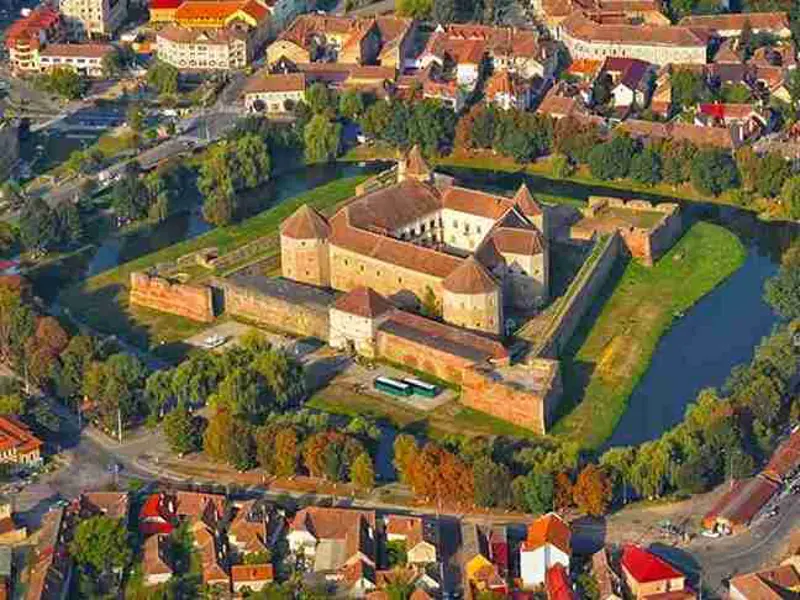
Founded in the 12th century by Saxon settlers from Germany, Sibiu – then known as Hermannstadt – quickly became one of the most prosperous commercial centers in Transylvania. The city was protected by thick walls, defensive towers, and massive gates, built by the artisan guilds that made Sibiu a model of medieval urbanism.
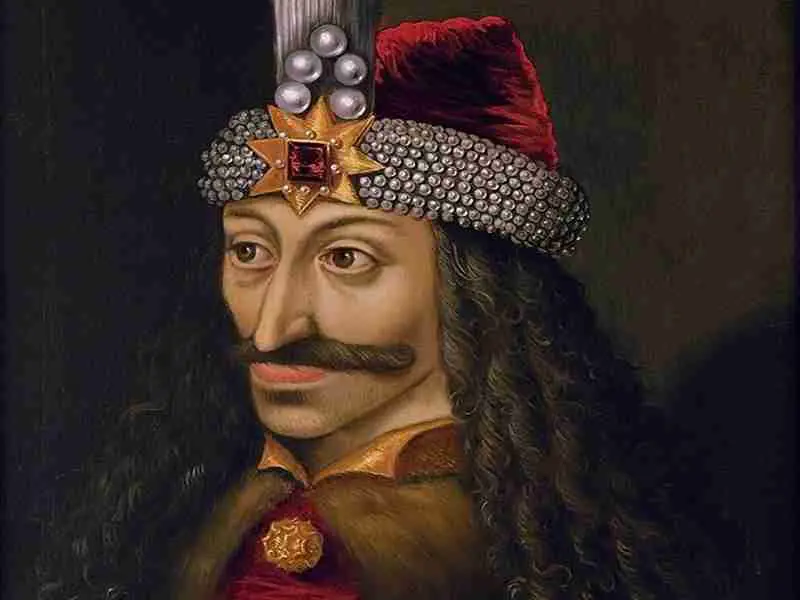
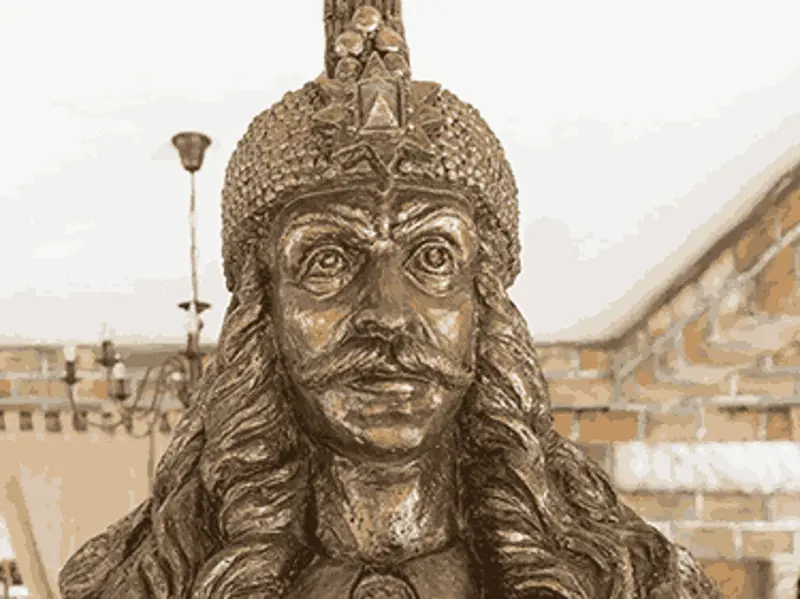
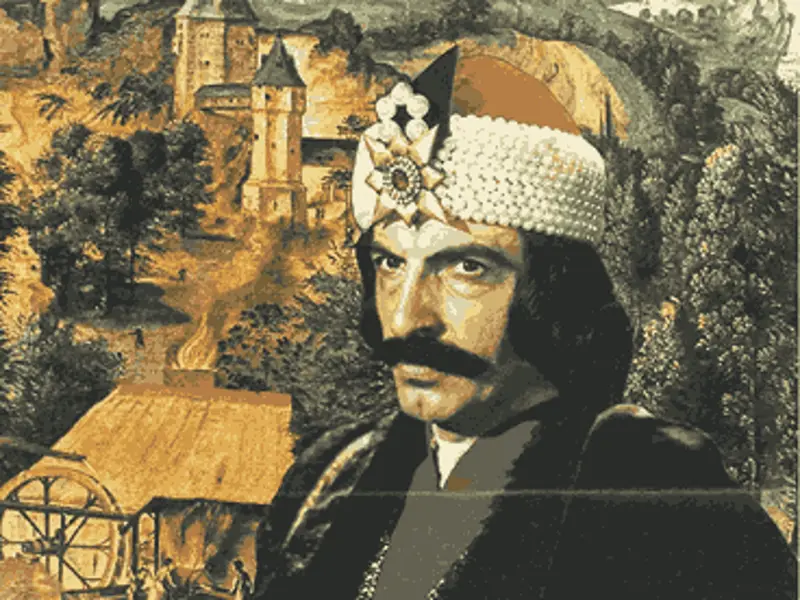
In the 15th century, Sibiu was an important bastion of Christianity, located on the border between Wallachia and Transylvania. Vlad Țepeș had commercial and military relations with the Sibiu Saxons, but also harsh conflicts, caused by economic disputes between the merchants and the Wallachian ruler. Chronicles of the time speak of the ruler's campaigns who attacked the Saxon fairs to impose discipline and his unyielding justice.
The Guilds of Sibiu – the strength and soul of the city
At its peak, Sibiu was known as the city of 19 guilds, each with its own laws, traditions, and symbols. These guilds built the defensive towers that still bear their names today, being remarkable examples of medieval military architecture.
- The Potters' Tower – built by the potters' guild, offers a superb view of the southern walls.
- The Weavers' Tower – one of the best-preserved defensive towers, dating back to the 15th century.
- The Carpenters' Tower – part of the third belt of fortifications, a symbol of the Saxons' craftsmanship in construction.
- The Butchers' Tower – strategically located in the Cibin Square area, on the former trade routes of Sibiu.
Each tower represented the honor of a guild and was defended by its craftsmen. In times of peace, the towers were warehouses, and in times of war, they became defensive fortresses.
Medieval architecture and Transylvanian charm
Sibiu impresses with its unique architecture. The defensive walls, houses with high roofs and windows that “seem to be looking” give the city a mysterious air. Legend has it that these windows are the “eyes of Sibiu” – symbols of the vigilance and protective spirit of the inhabitants.
- Piața Mare – the heart of the city, the place where fairs, public executions and guild meetings were held.
- Piața Mică – surrounded by buildings with arcades, a space for craftsmen and merchants.
- Turnul Sfatului – built in the 13th century, offers an impressive view of the historic center.
- Podul Minciunilor – the oldest cast iron bridge in Romania, surrounded by legends that say it wobbles when someone tells a lie.
Historical connections with the era of Vlad Țepeș
Although there is no evidence that Vlad Țepeș personally visited Sibiu, the city was directly involved in the economic conflicts between the Transylvanian Saxons and the Wallachian ruler. German chronicles from the 15th century describe his attacks on nearby Saxon fairs to enforce strict trade regulations.
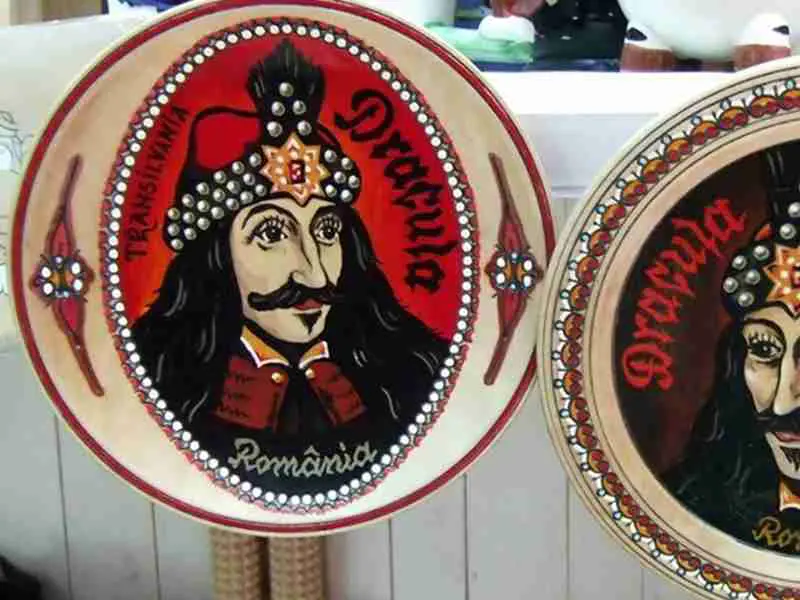
At the same time, the Saxons of Sibiu were the first to document the deeds and campaigns of the Impaler, unwittingly contributing to the creation of his legendary image – that of a fearsome but just ruler. Some of these chronicles also indirectly inspired the later image of the character Dracula.
Sibiu legends and mysteries
Sibiu is a city of legends. Under its walls are hidden secret tunnels that connected the guild towers, and above the Main Square, it is said that an old bell announced the appearance of enemies or unusual events.
The Legend of the Bridge of Lies
According to tradition, the bridge sways or even "talks" when someone is lying. It is said that in the Middle Ages, young lovers swore eternal love on this bridge, and those who did not keep their promise were punished by crossing it in shame, in front of the crowd.
Legend of the Underground
Beneath medieval Sibiu, there is believed to have been a complex network of tunnels used by guilds to retreat in case of invasion. Some passages have been discovered near the Council Tower and the Evangelical Church, but many remain unexplored.
What can you visit in Sibiu?
- Brukenthal Museum – one of the oldest art galleries in Central Europe.
- Evangelical Cathedral – a 14th-century Gothic gem with a 73-meter-high tower.
- Council Tower – the symbol of Sibiu and the best place for panoramic views of the Great Square.
- Big Square and Small Square – lively spaces with terraces, art and authentic architecture.
- Stairs Passage – a picturesque medieval alley, ideal for photos.
Medieval events and traditions
Sibiu hosts annual events that bring back to life the charm of the Middle Ages:
- Medieval Festival "Transylvanian Fortresses" – with parades, dance performances, jousting tournaments and period music.
- Christmas Fair in Piața Mare – one of the most beautiful in Europe, with a magical atmosphere and spectacular lights.
- International Theatre Festival in Sibiu – a world-renowned event, combining modern art with the historical spirit of the city.
How to get to Sibiu
- 🚗 By car – on DN1 or A1 highway, 275 km from Bucharest and 140 km from Brașov.
- 🚆 By train – direct connections with Bucharest, Brașov, Cluj-Napoca and Timișoara.
- ✈️ By plane – Sibiu International Airport has domestic and international flights.
Conclusion
Sibiu is a city that keeps the essence of the Middle Ages alive. With its ancient walls, guild towers and legends echoing among the rooftops, the city offers an unmistakable experience. It is a place where history comes to life, and every corner carries a story. In the context of the legend of Dracula, Sibiu adds a subtle touch of realism – a place of people, trade, honor and Transylvanian mystery.