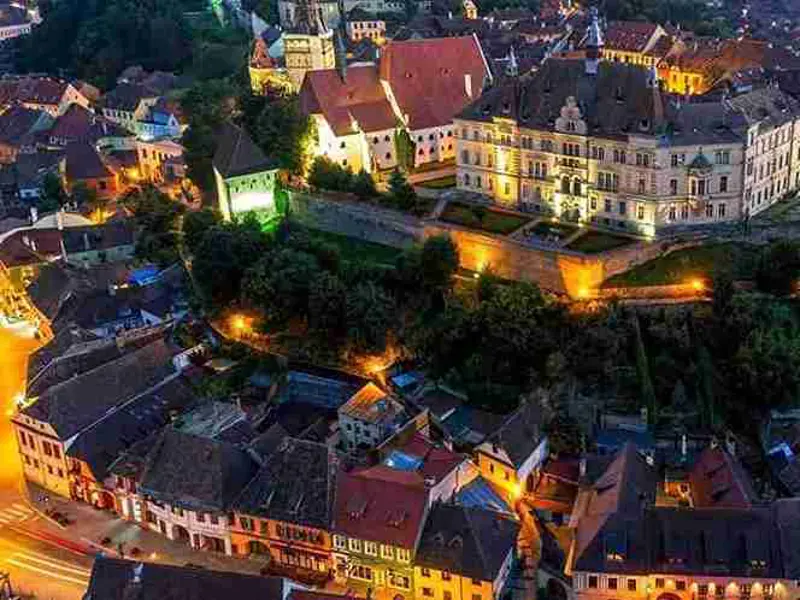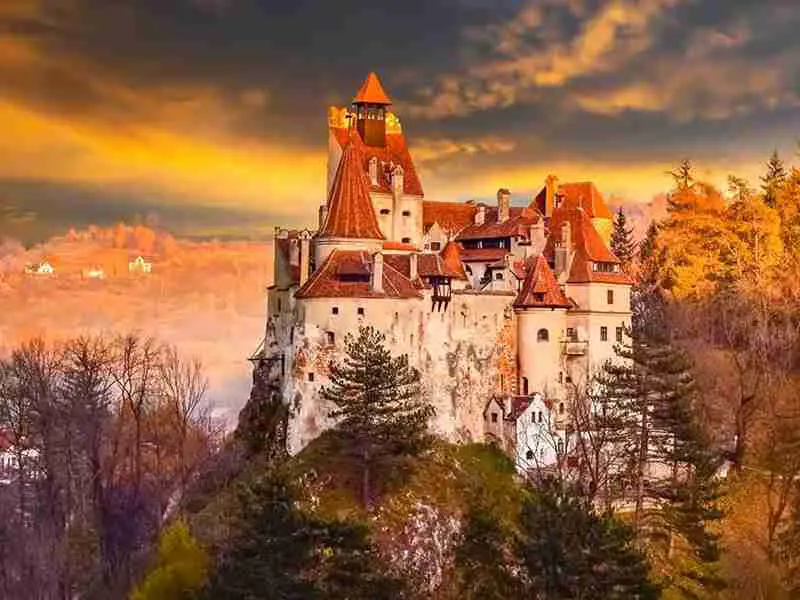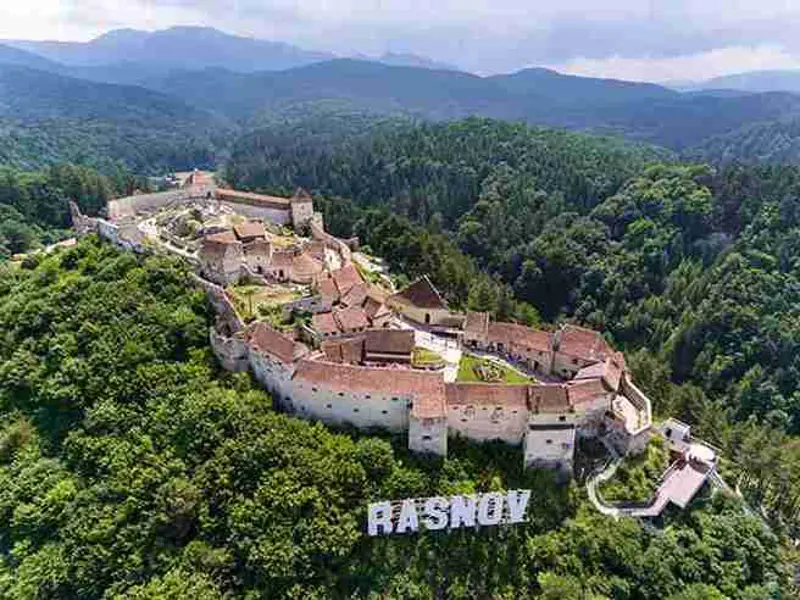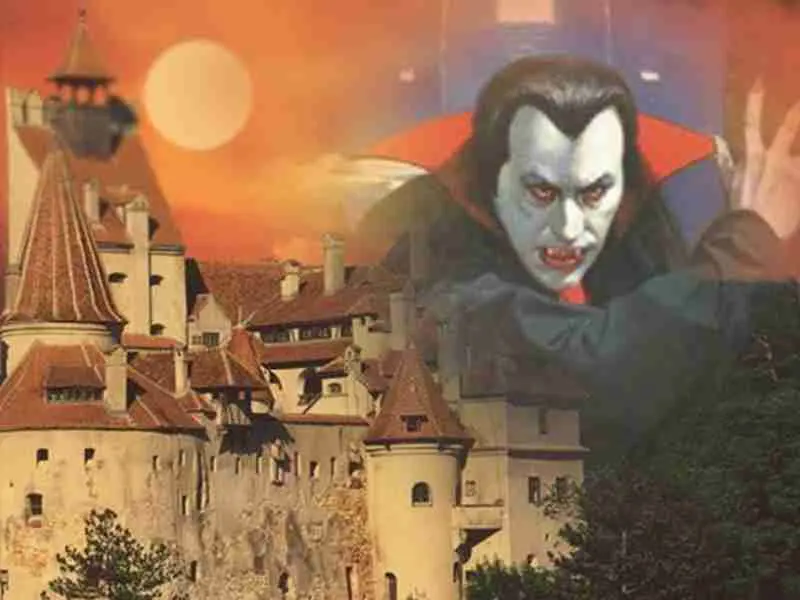
The mythology surrounding Dracula is one of the most fascinating stories to emerge from Eastern Europe. In the heart of Transylvania, the vampire myth was shaped by ancient beliefs about undead, spirits, and forces of darkness. Over time, this legend has transformed into a universal symbol of mystery and the afterlife.
The origins of the vampire myth in Romanian folklore
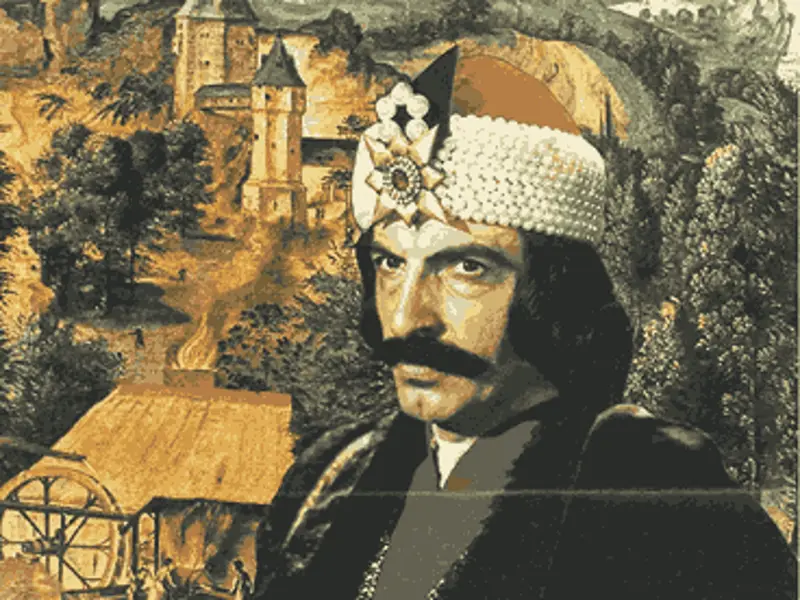
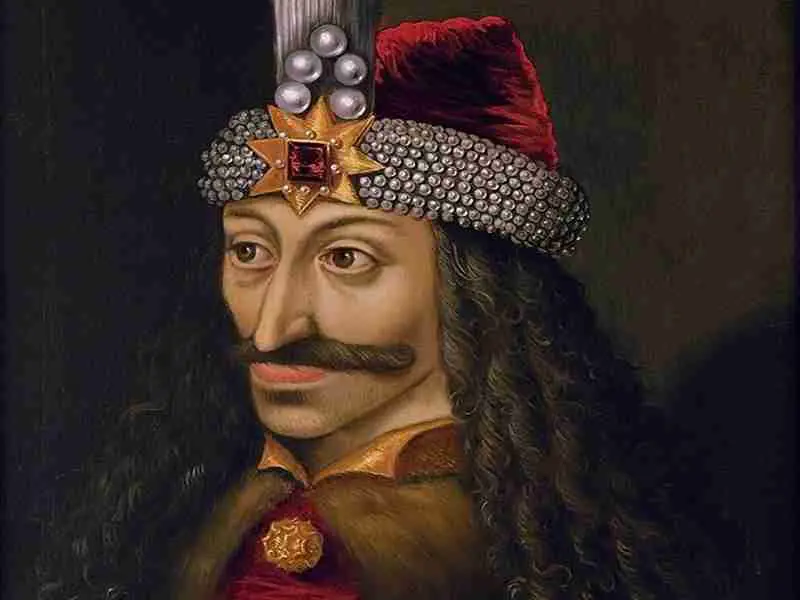
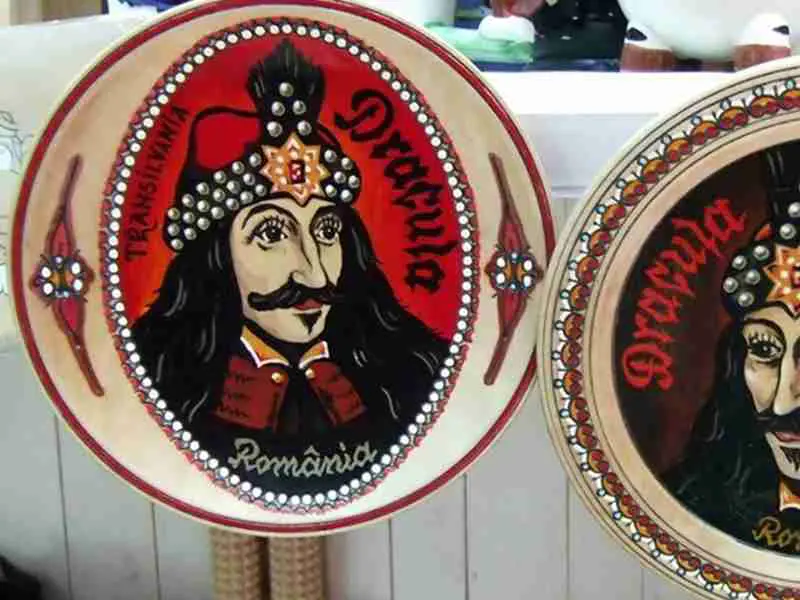
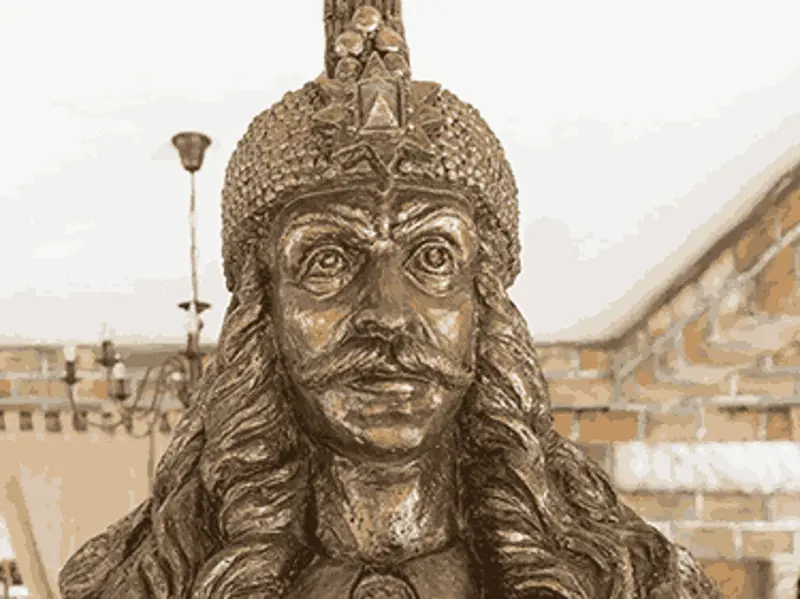
In Romanian folk tradition, the undead were the souls of the dead who could not find peace and returned among the living. These stories, passed down from generation to generation, were taken up by foreign writers and historians, who associated them with the figure of the ruler Vlad Țepeș, known for his cruelty and relentless justice. Thus, the myth of Dracula became a bridge between reality and the supernatural world.
Dracula – from undead to symbol of immortality
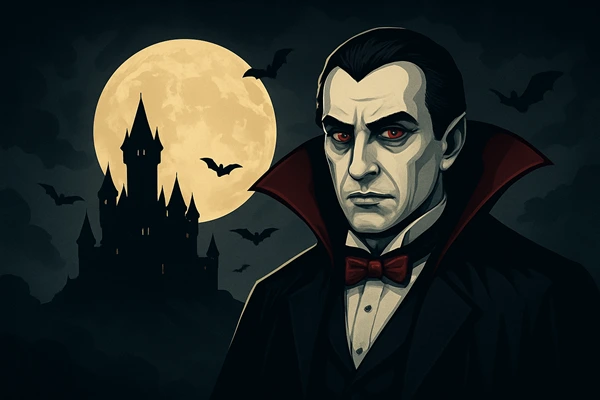
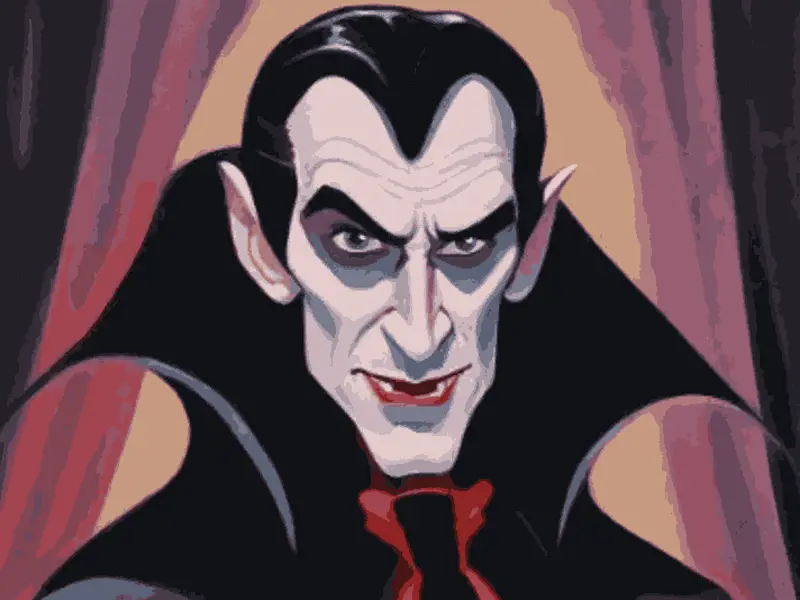
The legend of Dracula evolved from the myths of the undead and the Moroi, transforming into a universal story about fear, death and the desire for eternal life. The vampire has become an ambivalent figure – monstrous and seductive, rejected, but at the same time revered. In modern literature, he represents man's fascination with the unknown and the inner struggle between light and darkness.
The mythological symbol of Dracula in contemporary culture
In contemporary mythology, Dracula is no longer just a creature of the night, but an archetype of strength, freedom and resistance to death. In Transylvania, the myth has become an element of identity, integrated into art, literature and cultural tourism. From local stories to films and festivals, Dracula continues to live on, constantly redefining himself, like legends that never die.