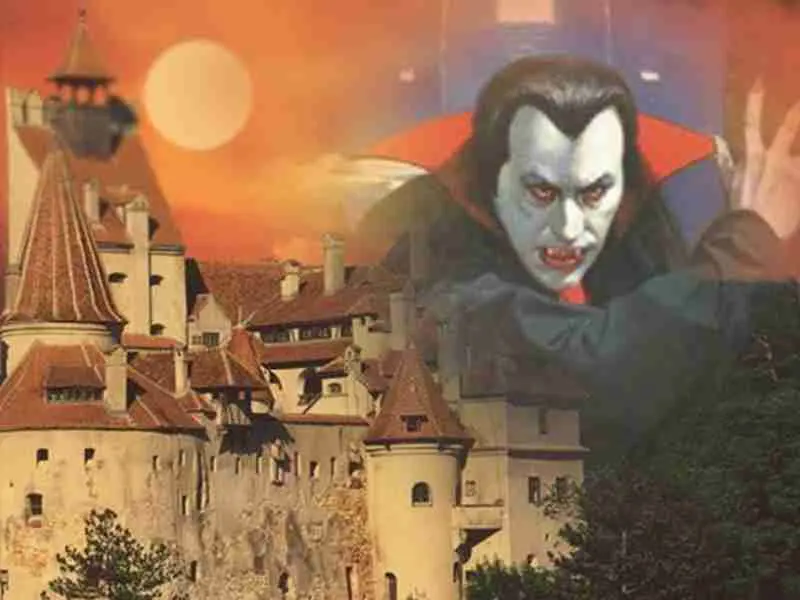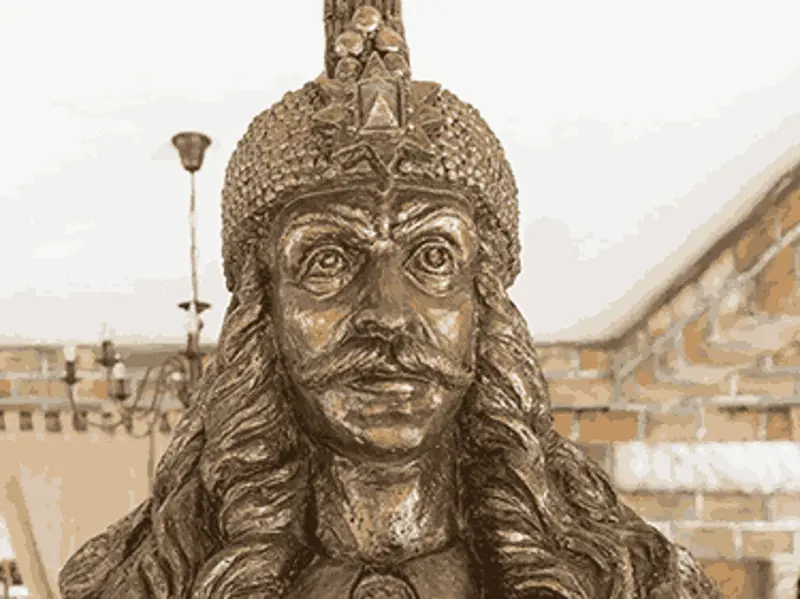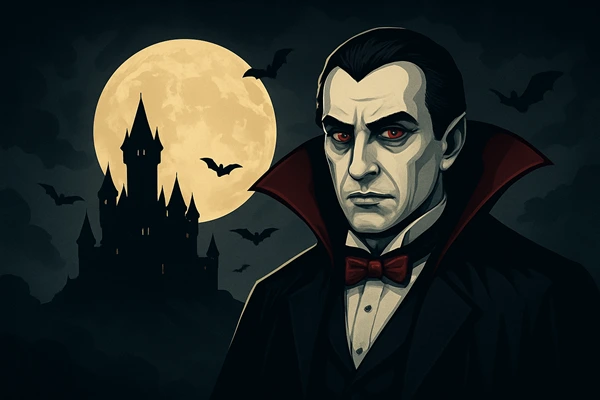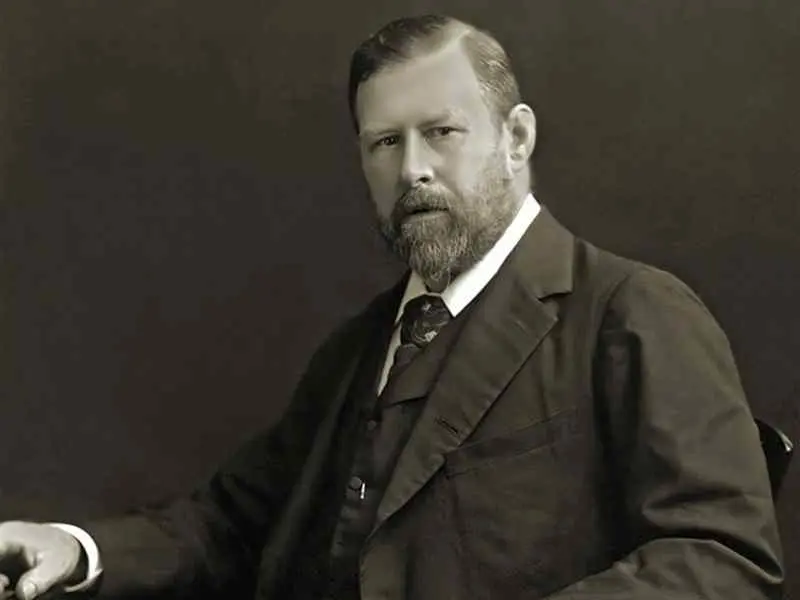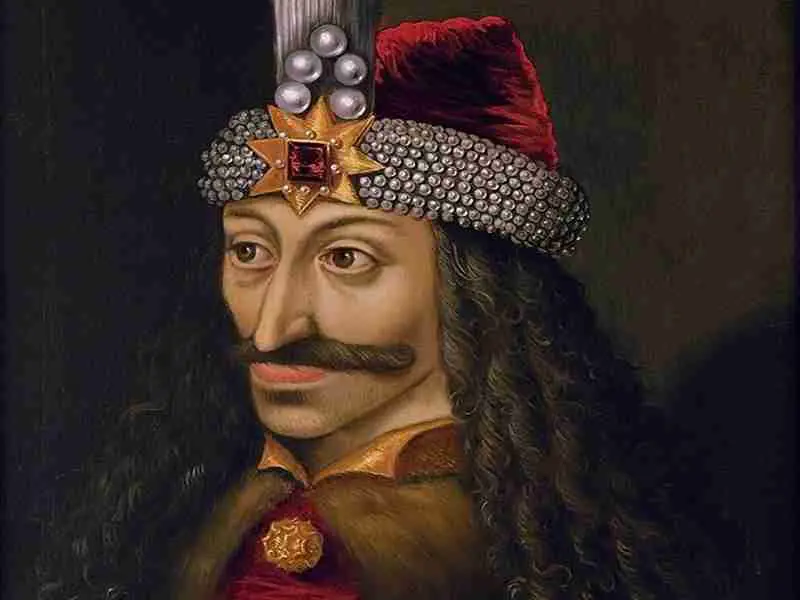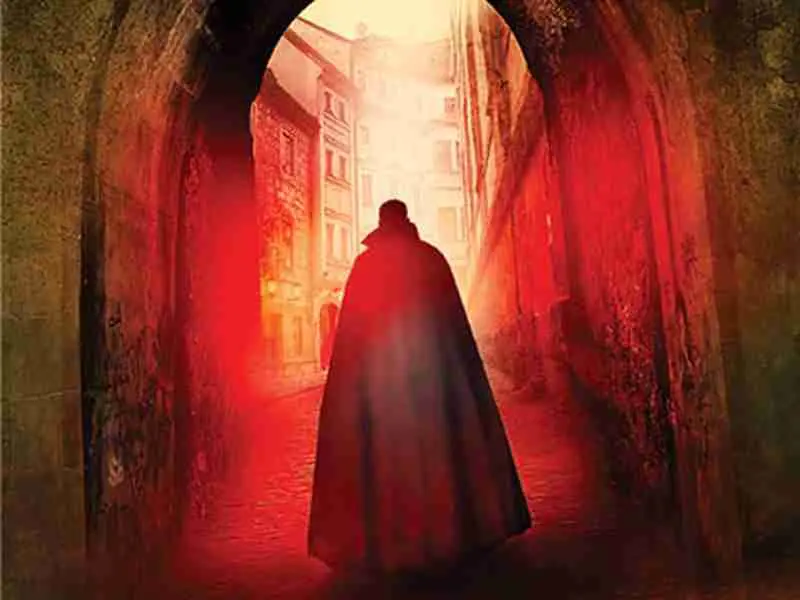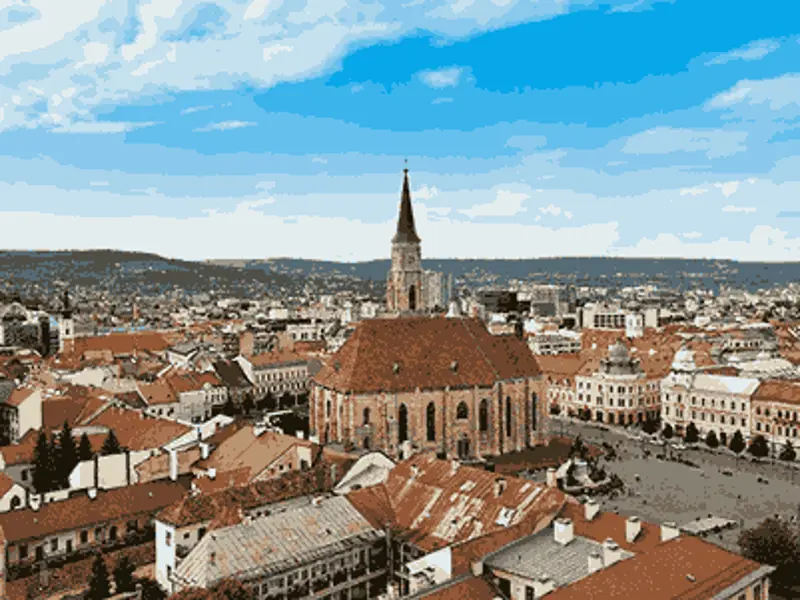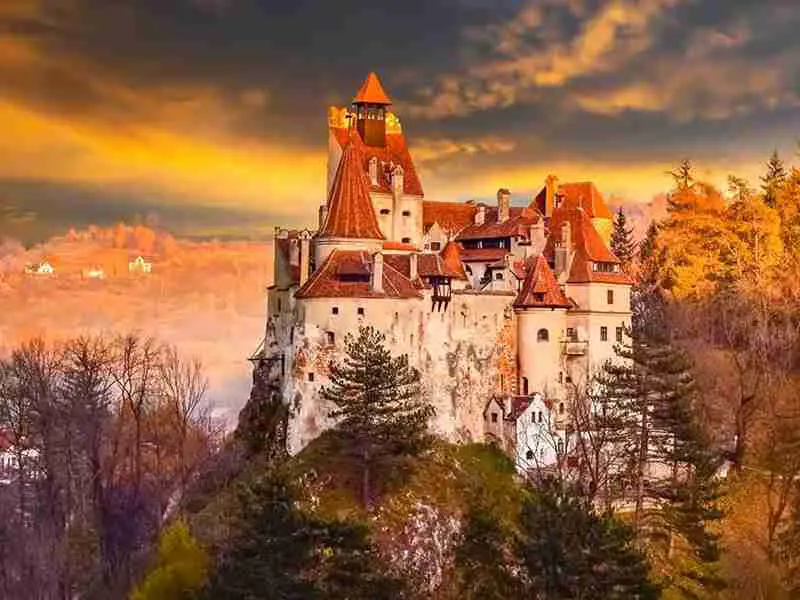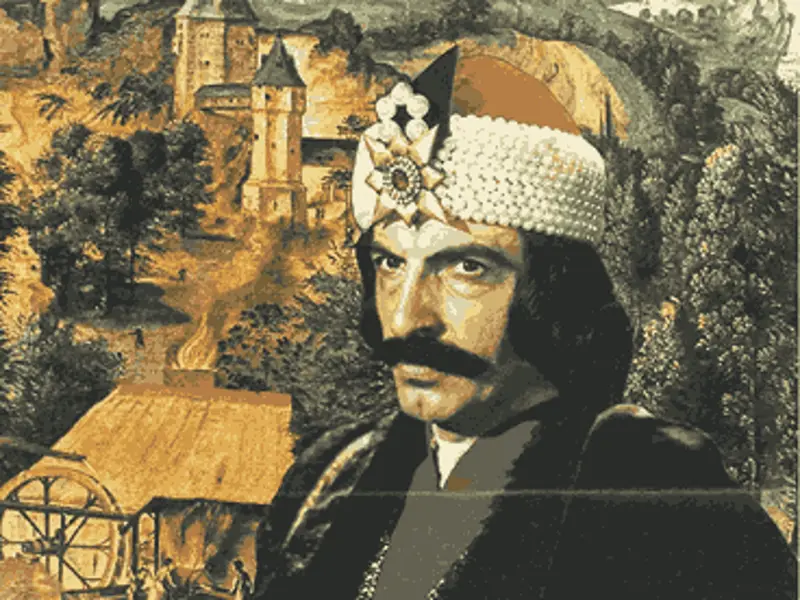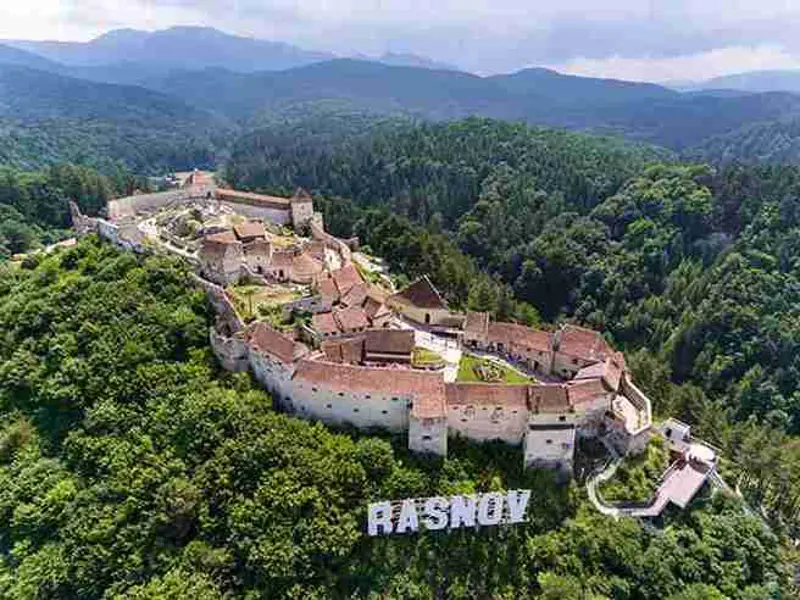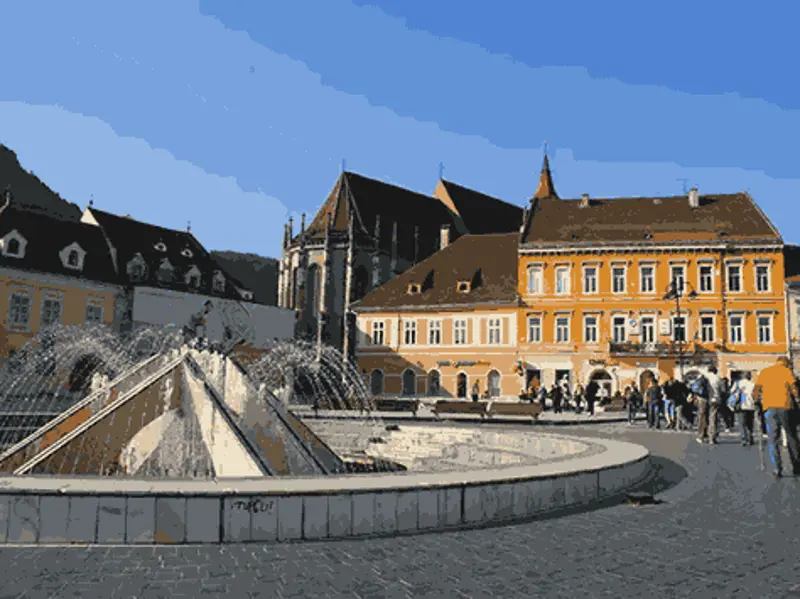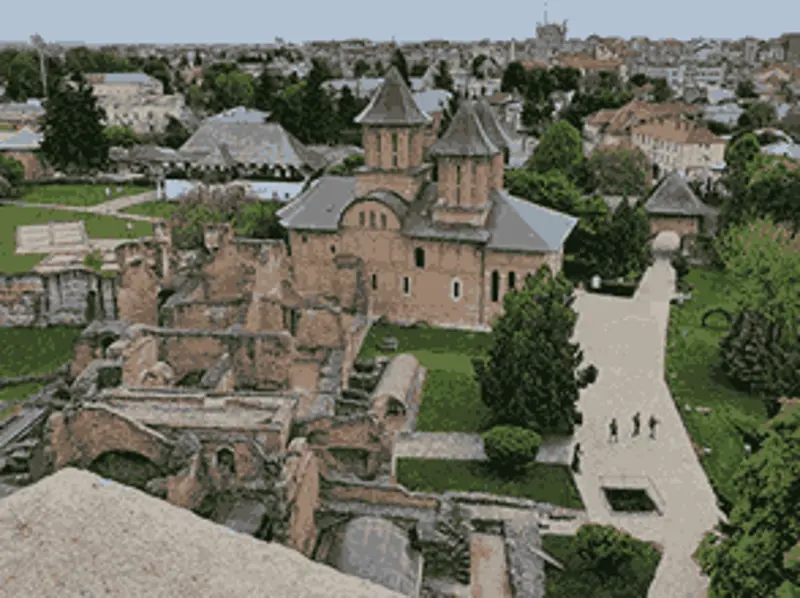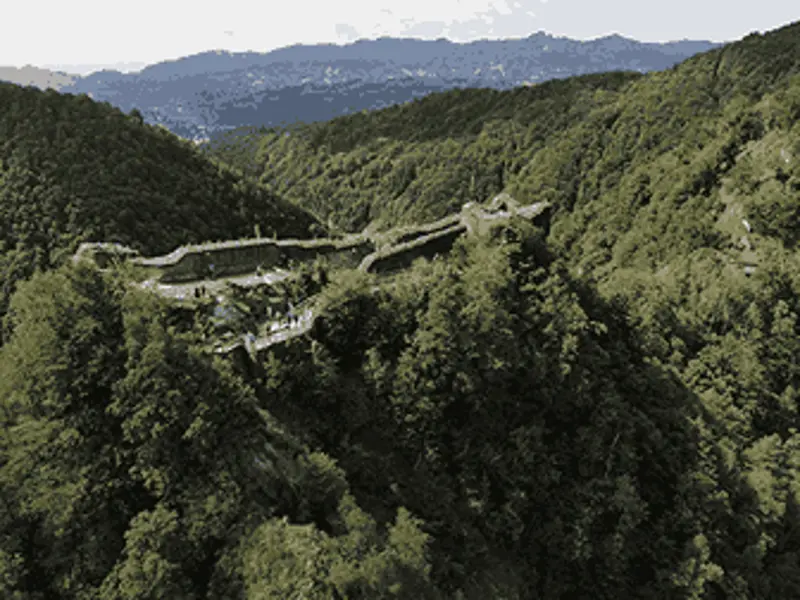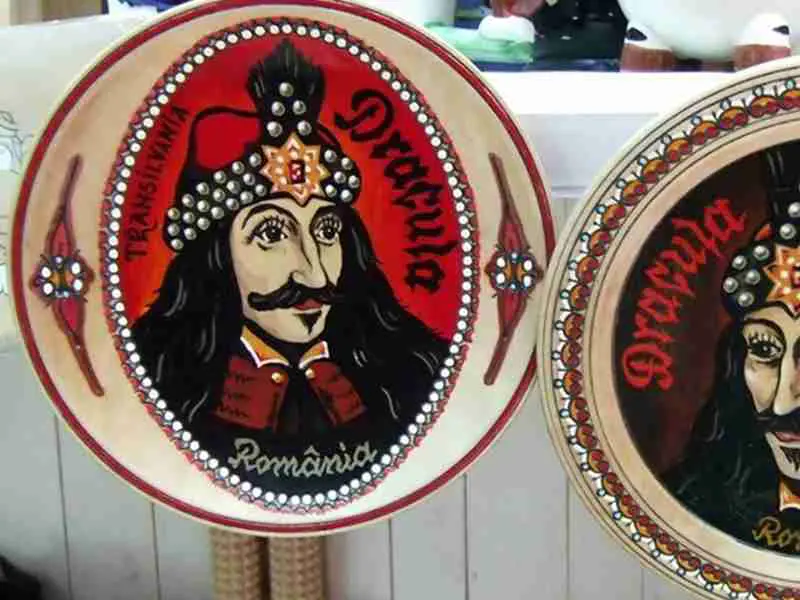
Dracula is no longer just a figure of Transylvanian myth, but a universal symbol of darkness, seduction, and the struggle with one's own nature. Over the centuries, his image has transcended the boundaries of history and folklore, transforming into a global cultural phenomenon.
Dracula in literature
The fascination with the mystery of Transylvania inspired famous writers to bring the character of Dracula to life. The vampire myth became an allegory of the fear of the unknown, the desire for power, and immortality. Gothic literature reinforced the image of the count as a tragic being, caught between life and eternal damnation.
Dracula on the big screen
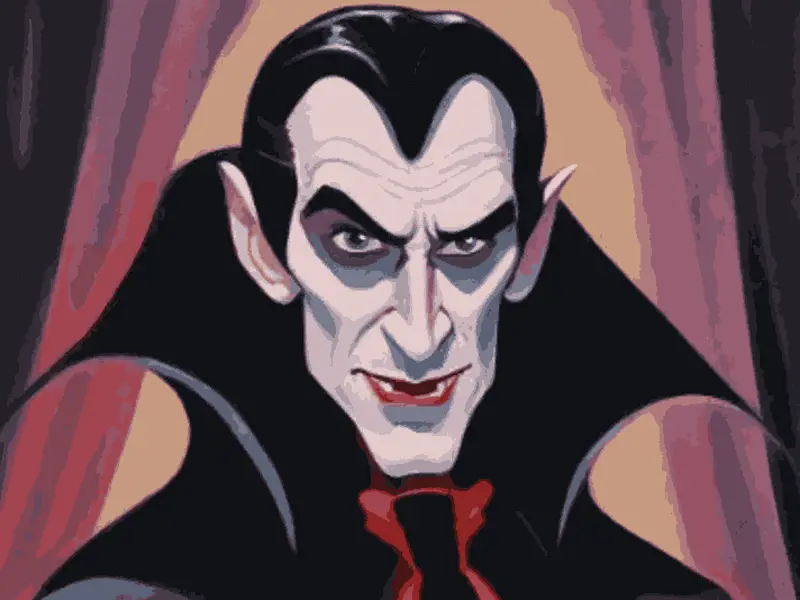
From the expressionist films of the 1920s to modern blockbusters, Dracula has become a constant presence in cinema. Directors have reinterpreted him as a monster, a romantic hero, or a symbol of forbidden seduction. Each generation rediscovers the legend, adapting it to their own fears and desires.
Dracula as a cultural symbol
In art, literature, and music, Dracula embodies the struggle between humanity and darkness. He is a reflection of man's dual nature – the thirst for life and the fear of death. Beyond the legend born in the heart of Transylvania, he has become a mirror of our own shadows.