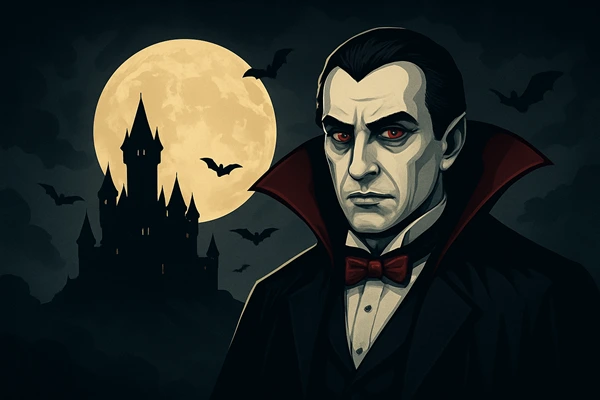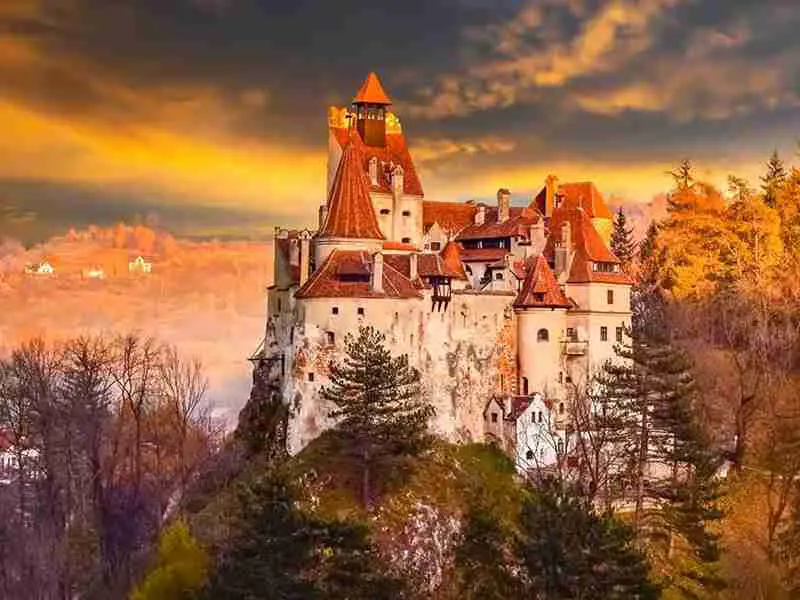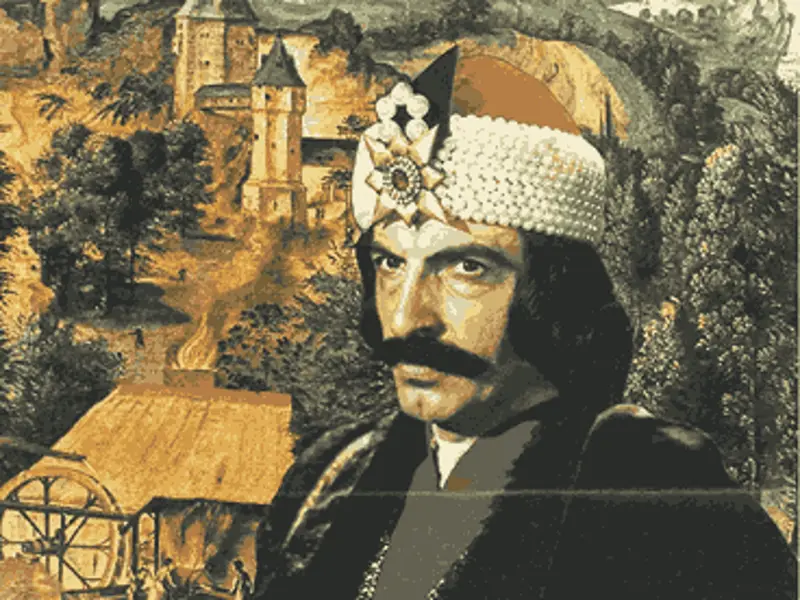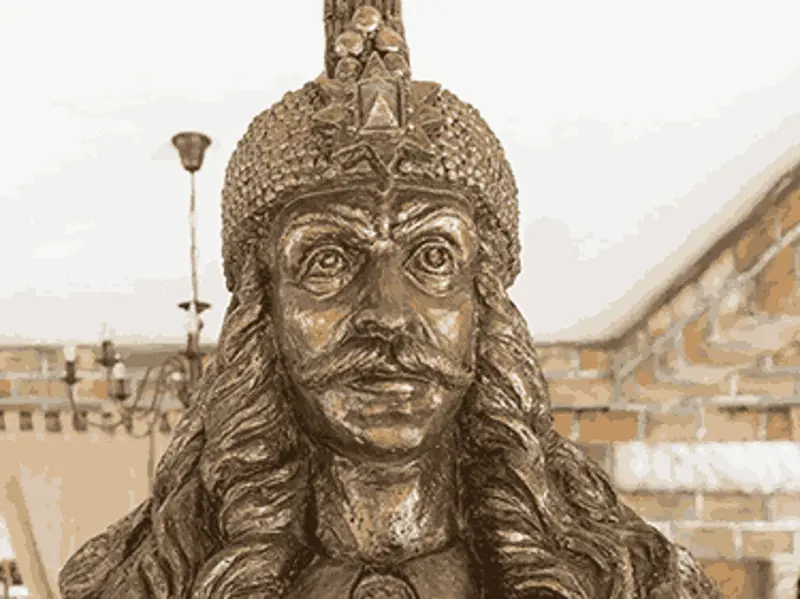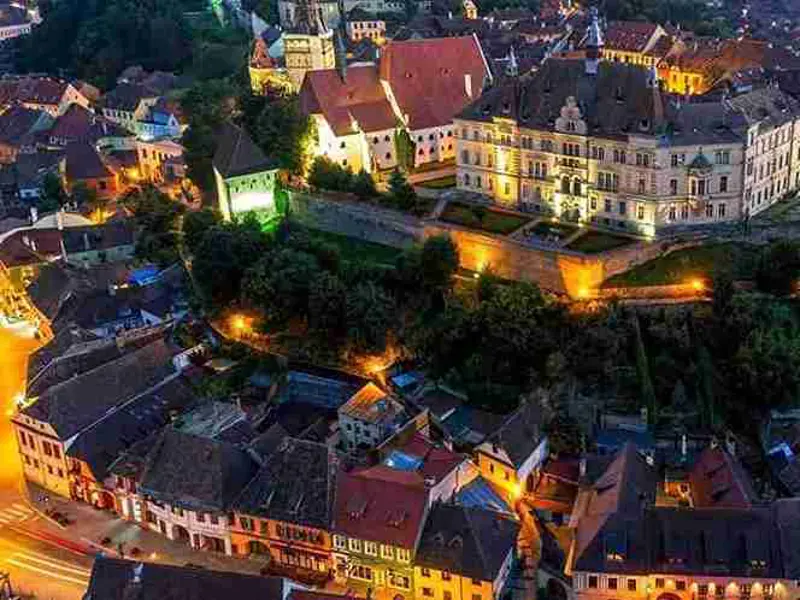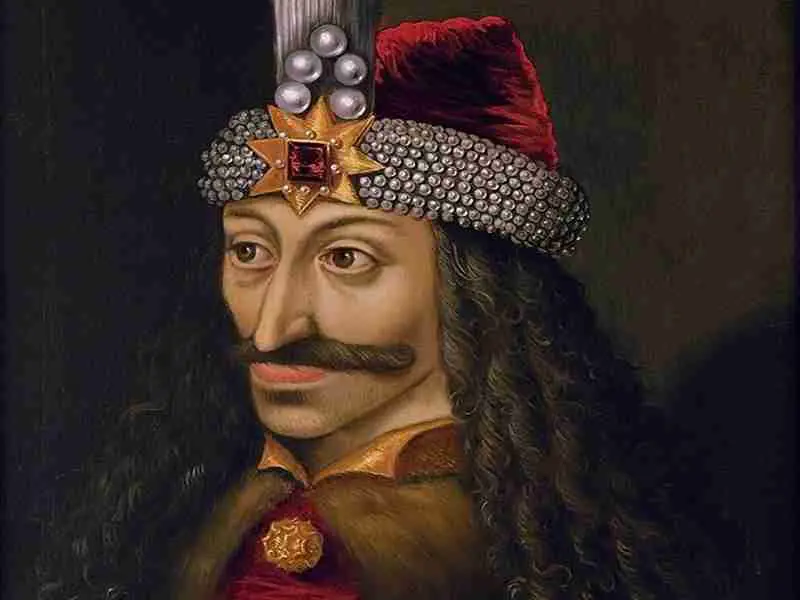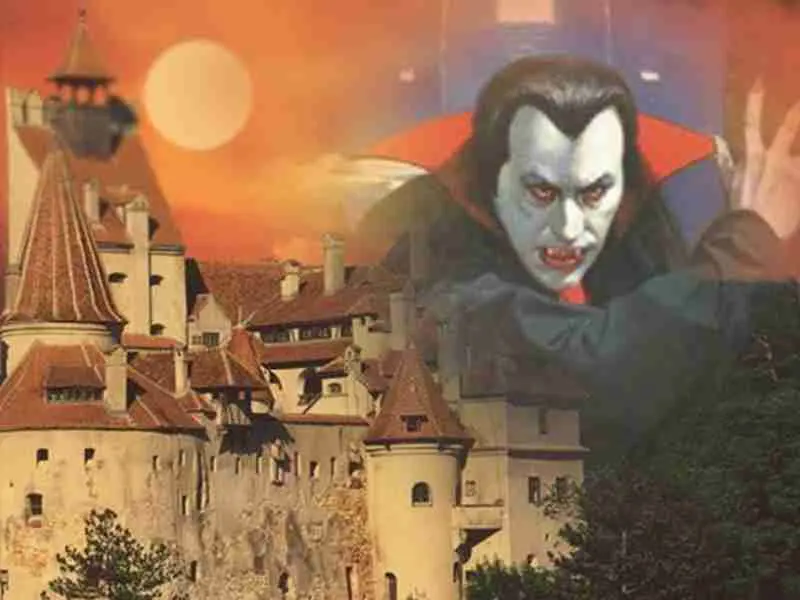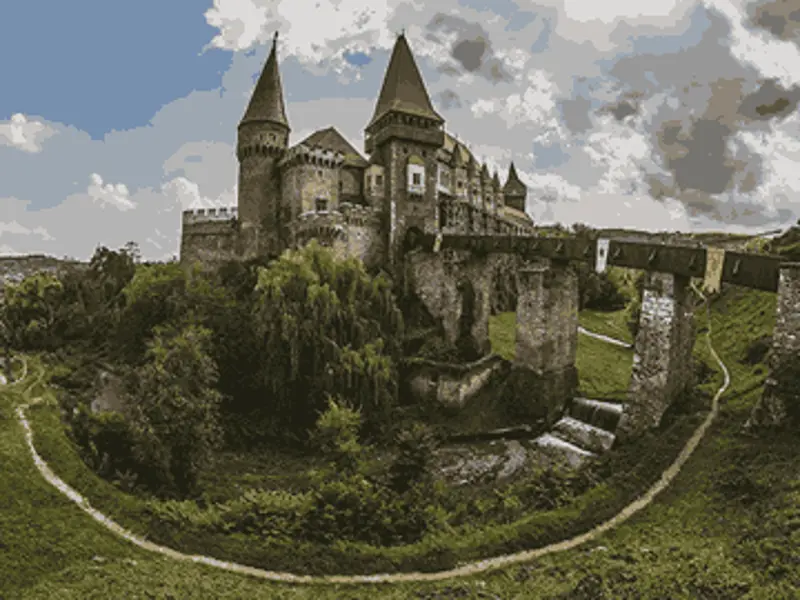
The vampire myth has deep roots in Eastern European traditions, where tales of the undead and spirits that feed on the blood of the living were part of rural folklore. In Transylvania, these legends merged with the historical figure of Vlad Țepeș, giving rise to the legendary character Dracula.
The origin of the vampire myth
In medieval villages, people believed that the souls of those who could not find rest turned into undead. These beliefs were passed down from generation to generation, becoming the basis of the myth of the vampire – a cursed being, caught between life and death. In Transylvania, the legend took on a special form, through the mixture of superstition and history.
Dracula – the ultimate symbol of vampirism
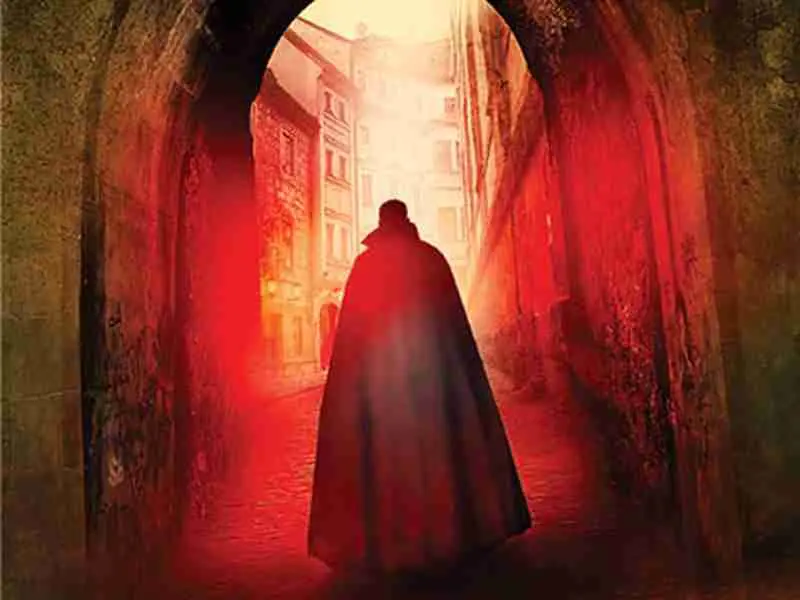
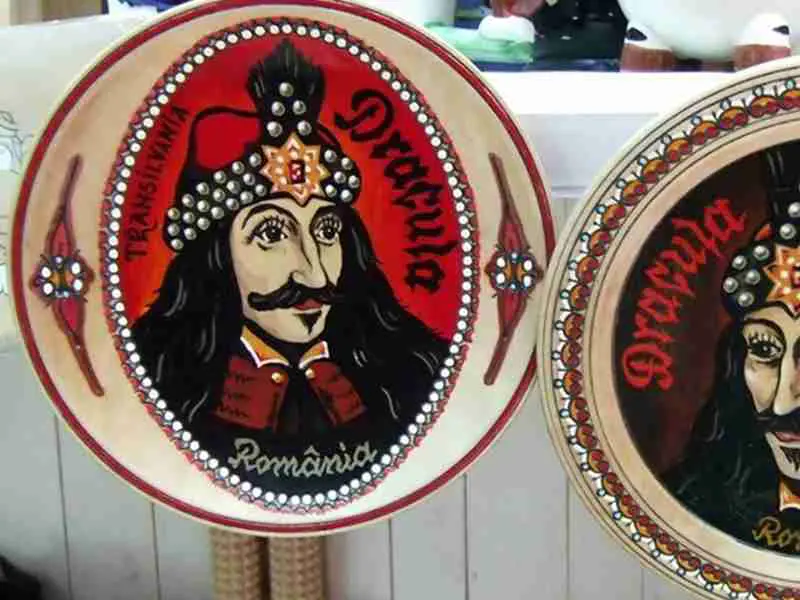
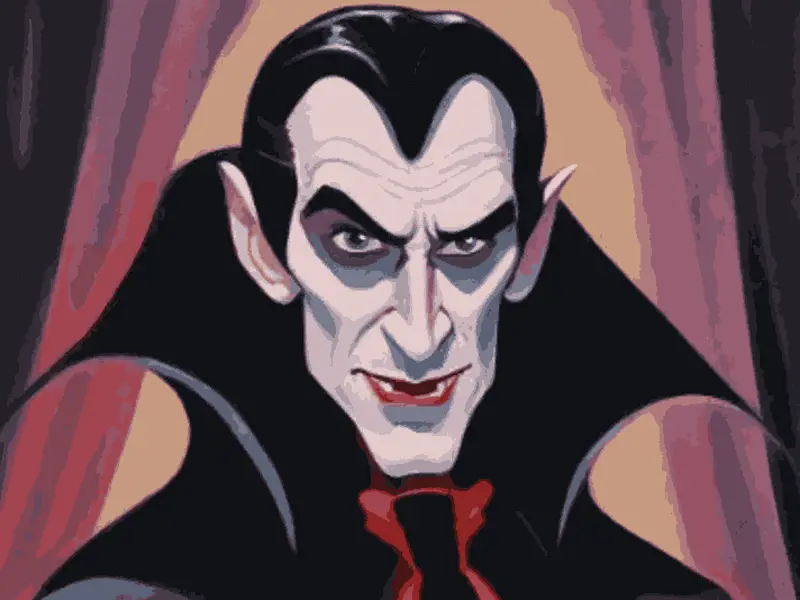
The image of Dracula was shaped by the stories of Vlad Țepeș, a ruler feared for his cruelty. Over the centuries, writers and artists have transformed the historical figure into a symbol of darkness, seduction, and immortality. Thus, the myth of the vampire has transcended the borders of Romania, becoming an essential part of universal culture.
The meaning of the myth today
Beyond horror, the vampire myth represents the fear of death and the desire for eternal life. Through the figure of Dracula, people explore the contrast between light and darkness, between humanity and monster. In this sense, the vampire legend remains one of the most powerful metaphors of the human condition.