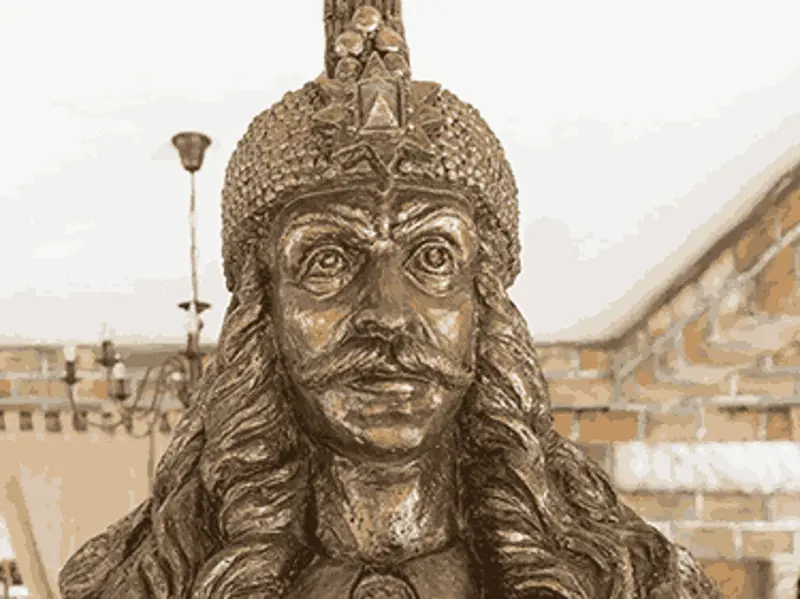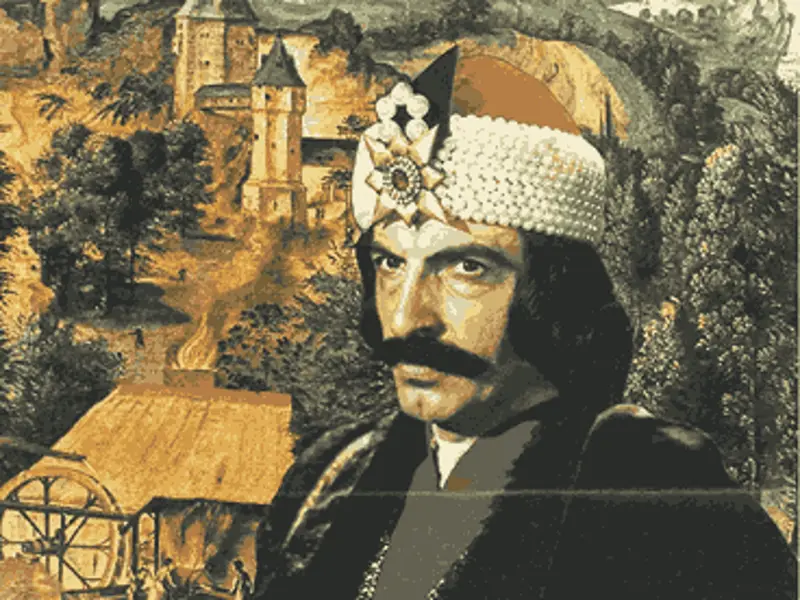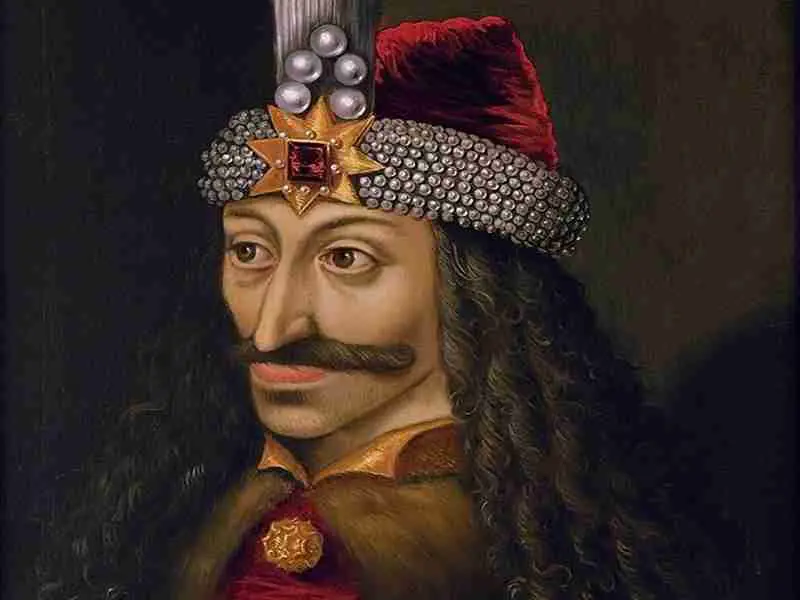
Târgoviște, located in the heart of Wallachia, is a city that breathes history at every turn. The former capital of Wallachia and one of the most important medieval princely residences, Târgoviște is closely linked to the name of Vlad Țepeș, the ruler who became legendary for his courage, cruelty, and unyielding sense of justice.
Here, within the walls of the Princely Court, one of the most fascinating stories of the Romanian Middle Ages was built – a story of power, terror and order in a world of chaos. Târgoviște remains today a symbol of the medieval era, of tradition and of the legend of Dracula.
History of the city of Târgoviște
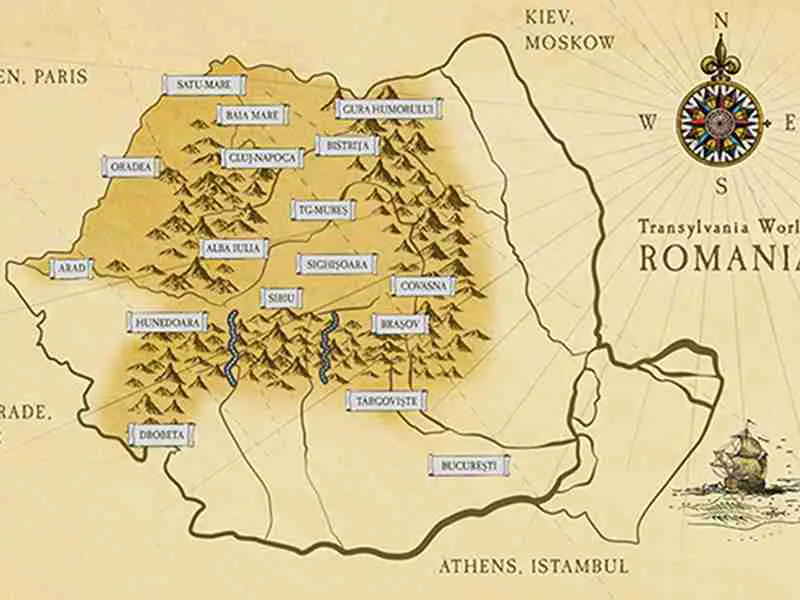
The first documentary attestation of Târgoviște dates back to 1396, during the reign of Mircea the Elder. The city was chosen as the capital of Wallachia due to its strategic position, at the intersection of trade routes connecting Transylvania, Wallachia, and the Danube.
In the 15th century, under the reign of Vlad Țepeș, Târgoviște became a major military and administrative center. Here, the ruler exercised his power with an iron fist, establishing a rigid order and a ruthless justice system, designed to cleanse the country of thieves and traitors.
The Princely Court of Târgoviște
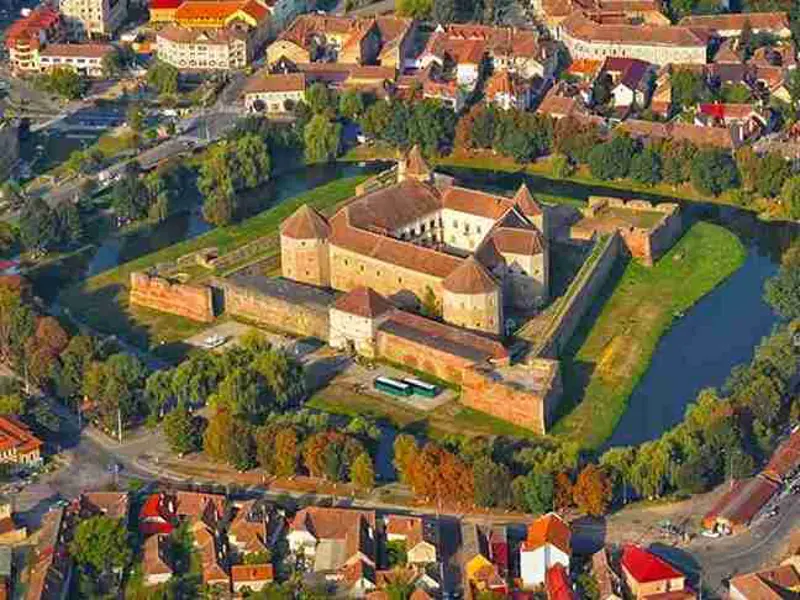
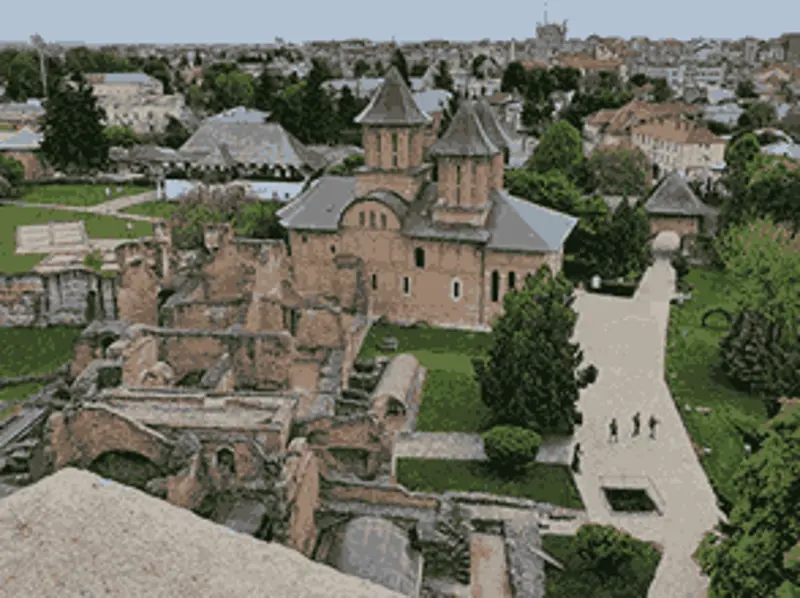
The heart of the medieval city is undoubtedly the Royal Court Complex, one of the best-preserved princely residences in Romania. Here you can see the traces of the great rulers who ruled the country for over three centuries, including Vlad Țepeș, Radu the Great, and Michael the Brave.
- Royal Palace – the official residence of the voivodes, built in the Brancovenesque and Gothic styles.
- Chindia Tower – the symbol of the city, built by Vlad Țepeș to oversee the city and its surroundings.
- Royal Church – the place of worship where the rulers prayed and were crowned.
The Chindia Tower, approximately 27 meters high, was originally an observation and defense tower. According to legend, from here, Vlad the Impaler supervised the executions of those considered guilty of treason or injustice. Today, the tower hosts an exhibition dedicated to the history of Vlad Țepeș and the Dracula myth.
The iron justice of Vlad Țepeș
One of the most famous episodes related to Târgoviște is that of the “iron justice” instituted by Vlad Țepeș. The ruler was known for his extreme measures against thieves, traitors and the corrupt. It is said that anyone who broke the law was publicly punished, so that people would learn to respect order.
The legend with the golden cup
One of the most famous legends says that Vlad Țepeș placed a golden cup at the fountain in the middle of Târgoviște, which anyone could use to drink water. However, no one dared to steal it, for fear of punishment. The story symbolizes the perfect order established by the ruler in his capital.
The punishment of the stake
Țepeș earned his reputation as "Dracula" not only through cruelty, but also through consistency. His punishments were meant to inspire fear, but also respect. It is said that, in front of the Royal Court, traitors, spies and thieves were impaled on stakes, to remind everyone of the price of lawlessness.
Medieval architecture and symbolism of Târgoviște
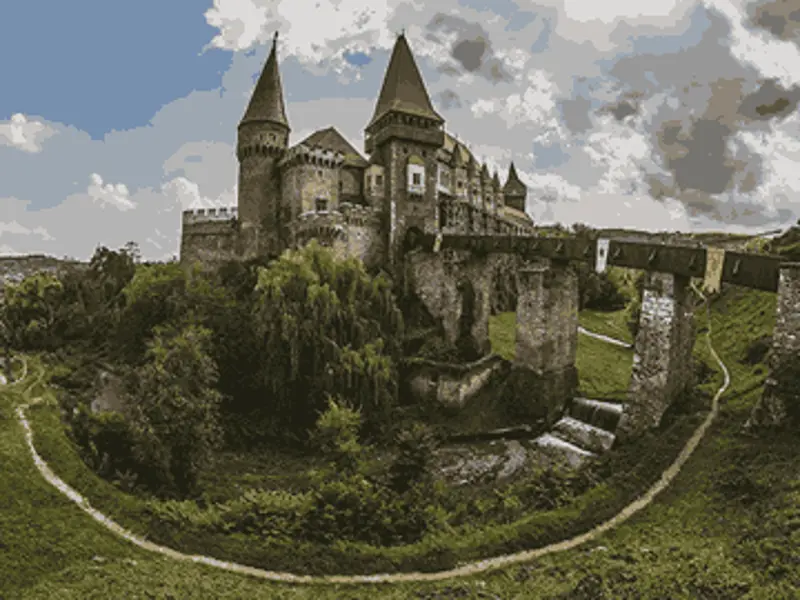
The Royal Court of Târgoviște is a remarkable example of medieval Romanian architecture. The fortifications, massive walls and high towers reflect both the need for defense and the symbolic power of the kingdom. Above all, the Chindia Tower rises like a witness to history, recalling the times when Târgoviște was the center of the Wallachian world.
- Defensive walls – built of brick and stone, surrounded the Royal Court for over 280 meters.
- The Great Royal Church – a monument of religious art that houses unique frescoes from the 16th century.
- The ruins of Michael the Brave's palace – witnesses to the first unification of the Romanian Countries.
Târgoviște and the legend of Dracula
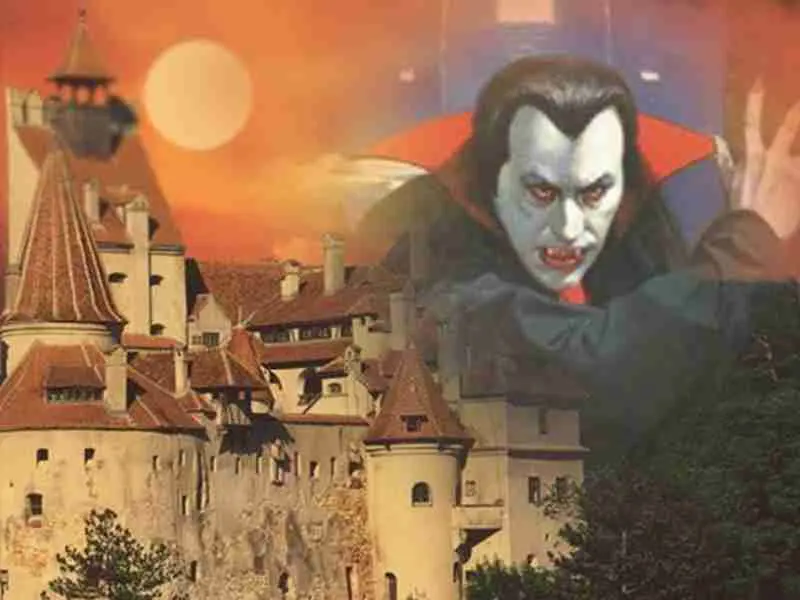
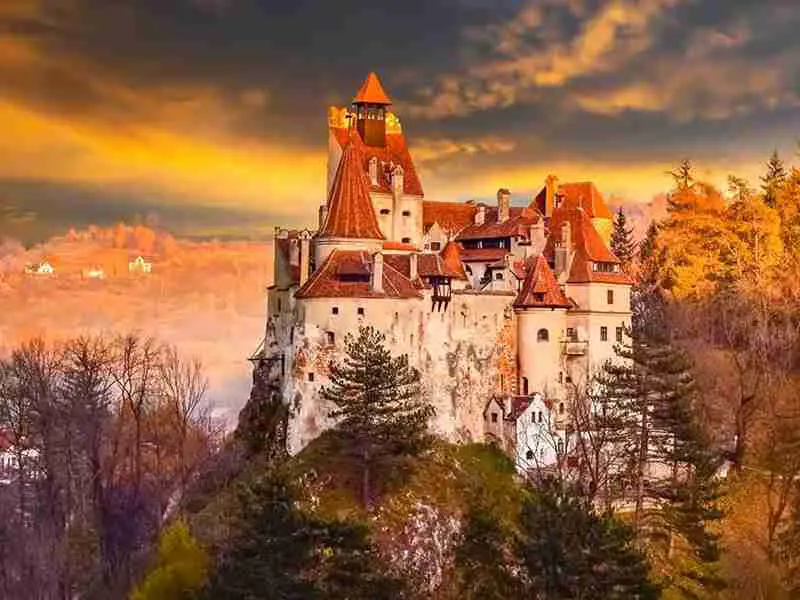
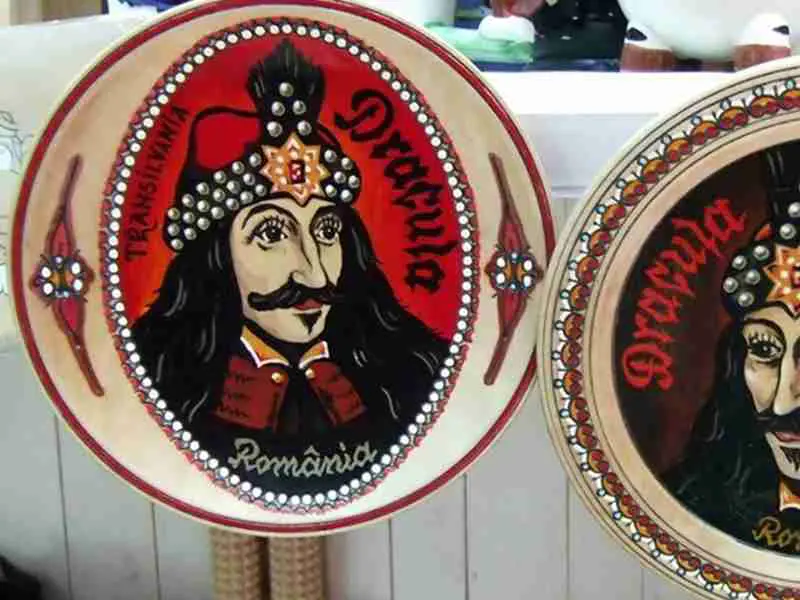
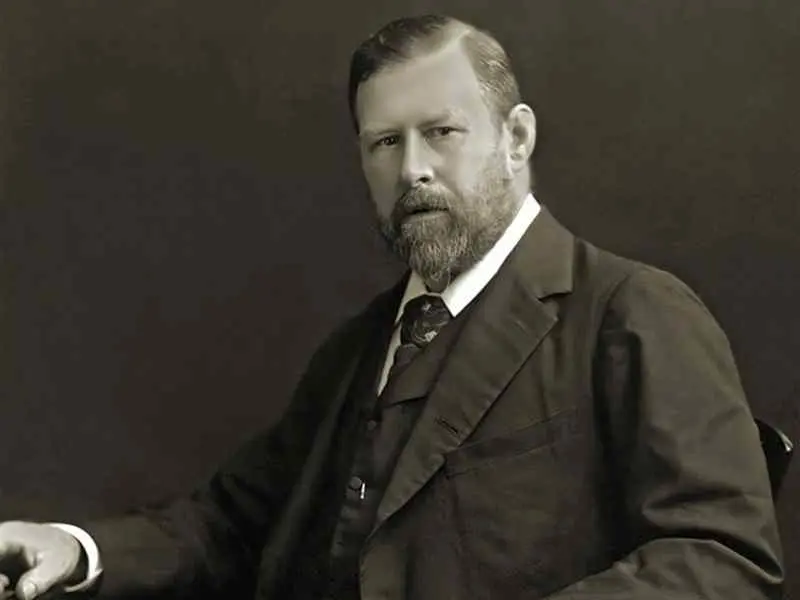
Although the connection to the myth of Dracula is less visible than in the case of Bran or Poenari, Târgoviște remains the place where the essence of the character was born. Vlad Țepeș gained his reputation as a ruthless ruler here, in his capital, where he imposed order and respect through force and fear. In many foreign chronicles, these facts were exaggerated and inspired the image of the vampire count created by Bram Stoker.
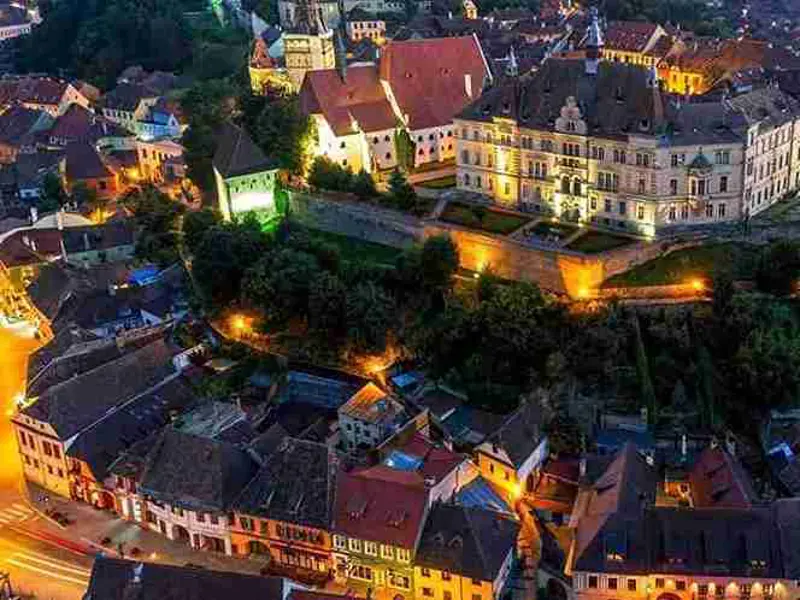
Today, visitors can explore the "Dracula Trail", which includes Târgoviște along with Sighișoara, Bran, and Poenari, discovering the connection between reality and legend.
What can you visit in Târgoviște?
- Chindia Tower – the symbol of the city and the most famous monument related to Vlad Țepeș.
- History Museum – offers exhibitions dedicated to the Wallachian rulers and the medieval era.
- Mitropolitan Park – a green space that offers a relaxing view of the Royal Court.
- Dealu Monastery – the place where the head of ruler Michael the Brave is located, one of the most important relics of Romanian history.
Events and cultural tourism
Târgoviște annually hosts thematic events that revive the atmosphere of the Middle Ages:
- Medieval Dracula Festival – shows, parades and historical reenactments inspired by the era of Vlad Țepeș.
- Night of Museums – The Royal Court is spectacularly illuminated, offering an unforgettable nighttime experience.
- Thematic Guided Tours – dedicated to the Dracula myth and stories from the medieval period.
How to get to Târgoviște
The city is located just 80 km from Bucharest, making it easily accessible:
- 🚗 By car – on DN71, the Bucharest – Târgoviște road, approximately 1 hour and 30 minutes.
- 🚆 By train – regular services from Bucharest North Railway Station (2 hours of travel).
- 🚌 By organized tourist transport, as part of the "Dracula Legend Tour" route.
Conclusion
Târgoviște is a place where history, legend and spirituality intertwine. The former capital of Vlad Țepeș remains a symbol of justice, courage and order. By visiting the Chindia Tower and the Royal Court, you follow in the footsteps of one of the most enigmatic rulers in Romanian history and discover where the legend of Dracula actually began.