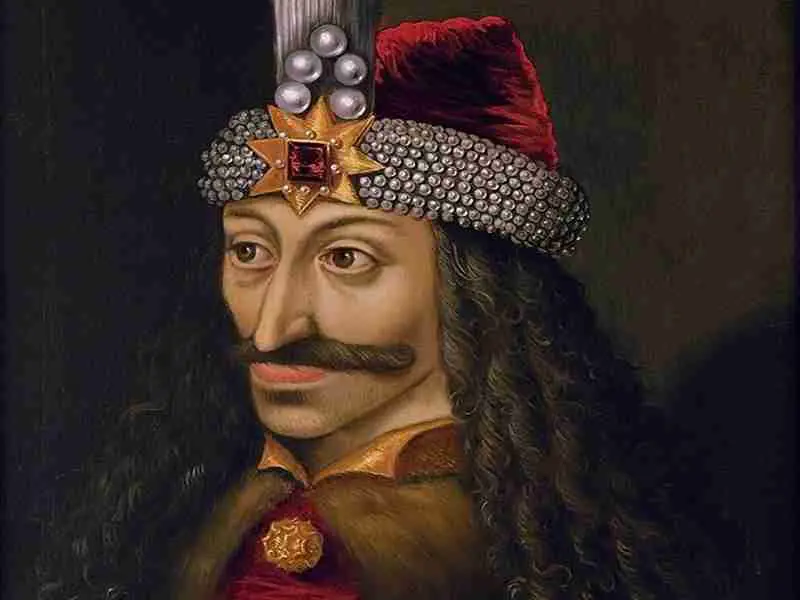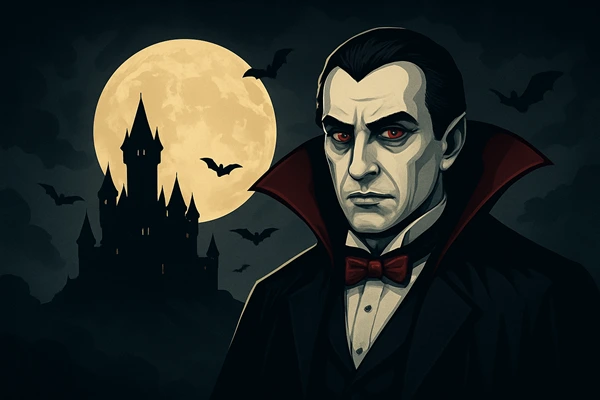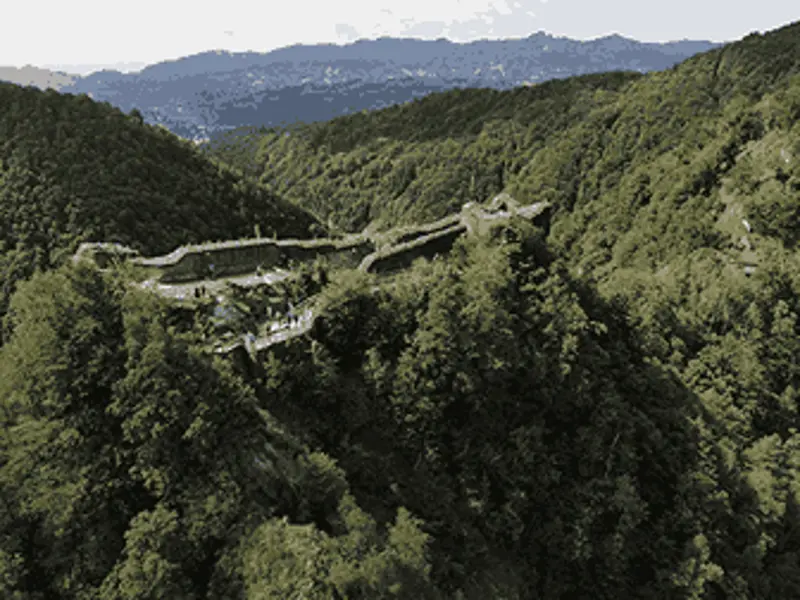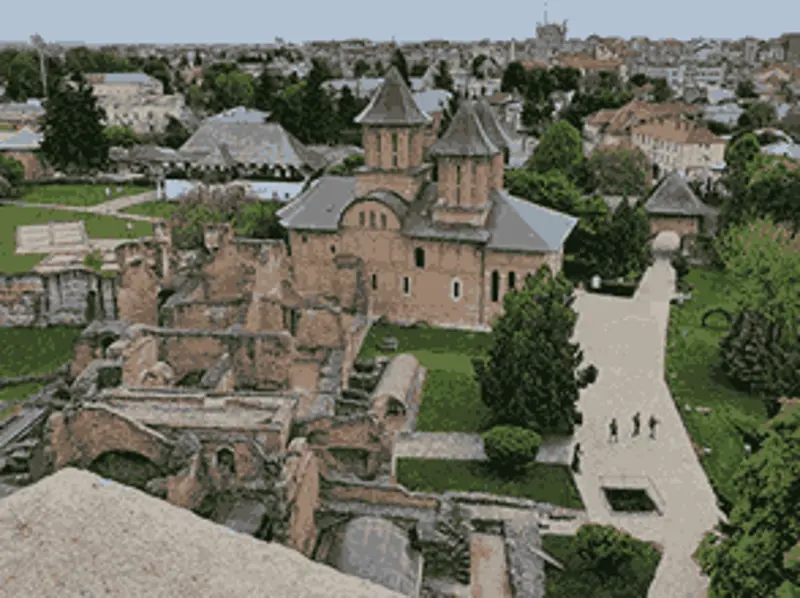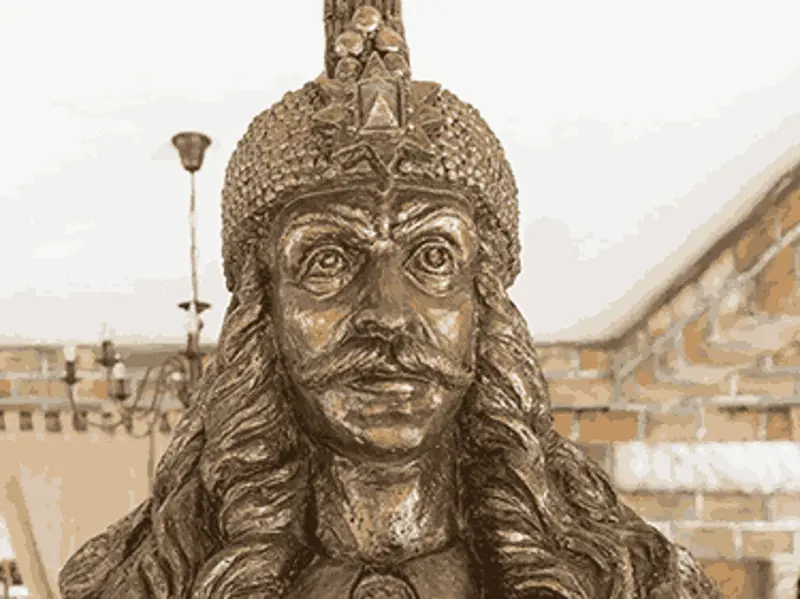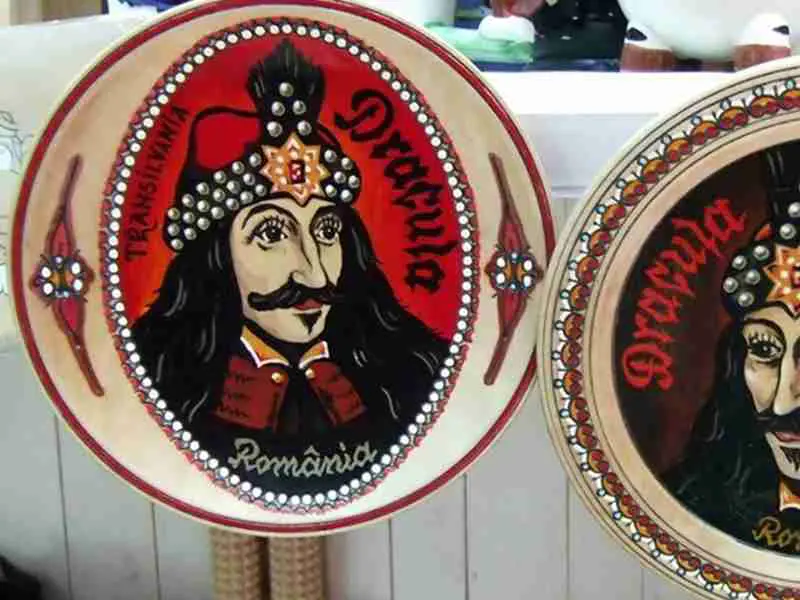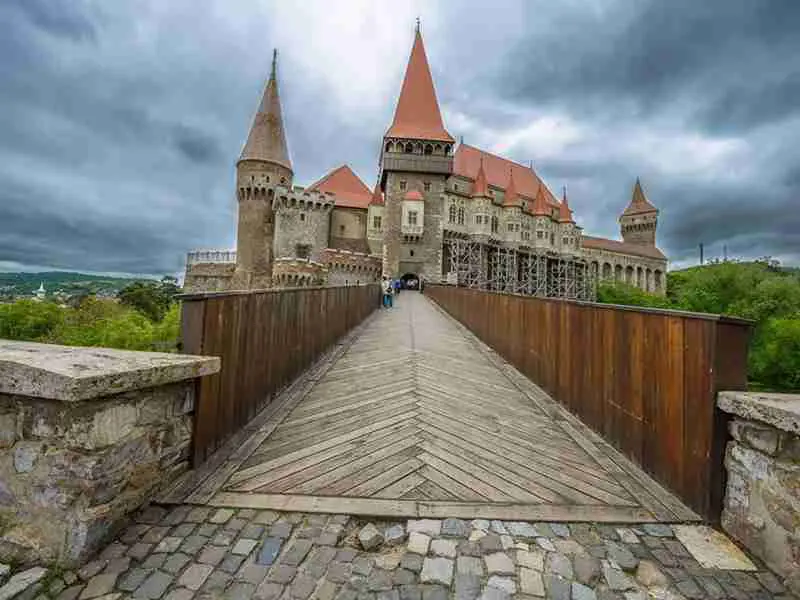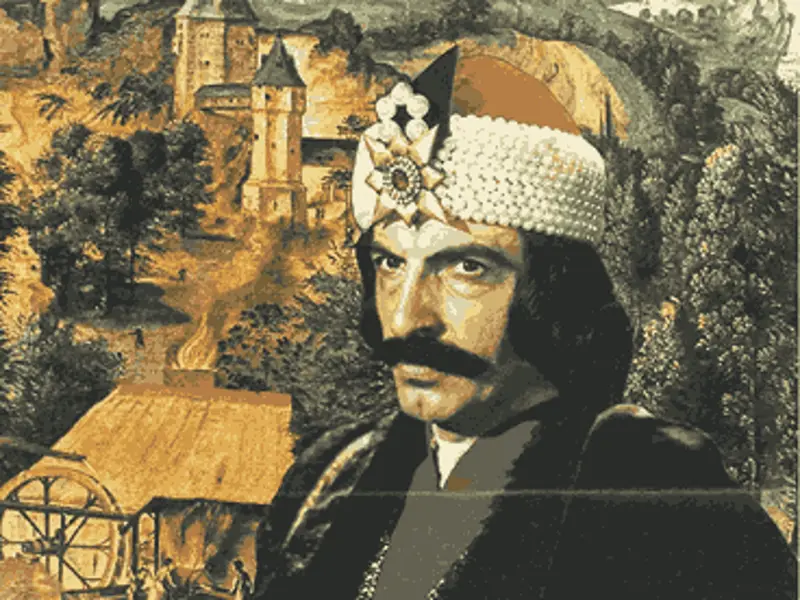
Vlad Țepeș, also known as Dracula, remains one of the most controversial figures in Romanian history. Ruler of Wallachia in the 15th century, he became famous for his legendary cruelty, but also for his fearless spirit in defending the country against the Ottoman Empire.
The origin and era of Vlad Țepeș
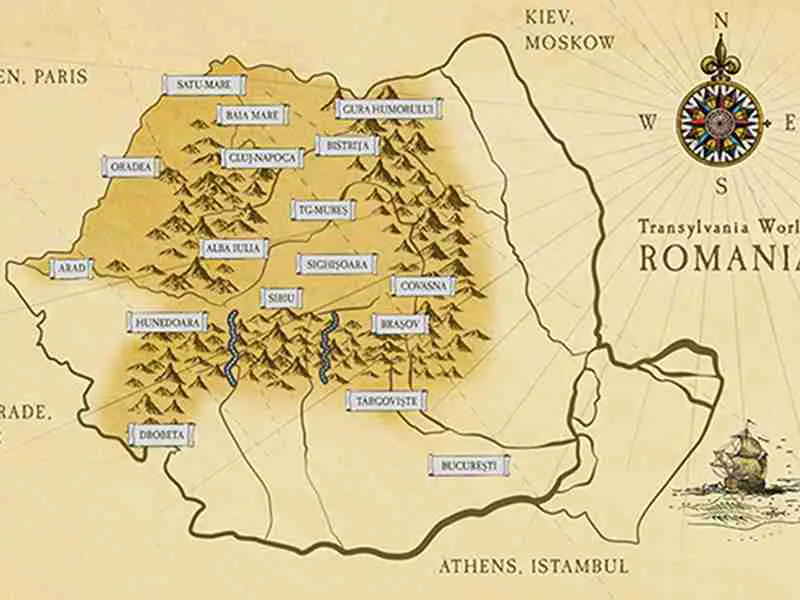
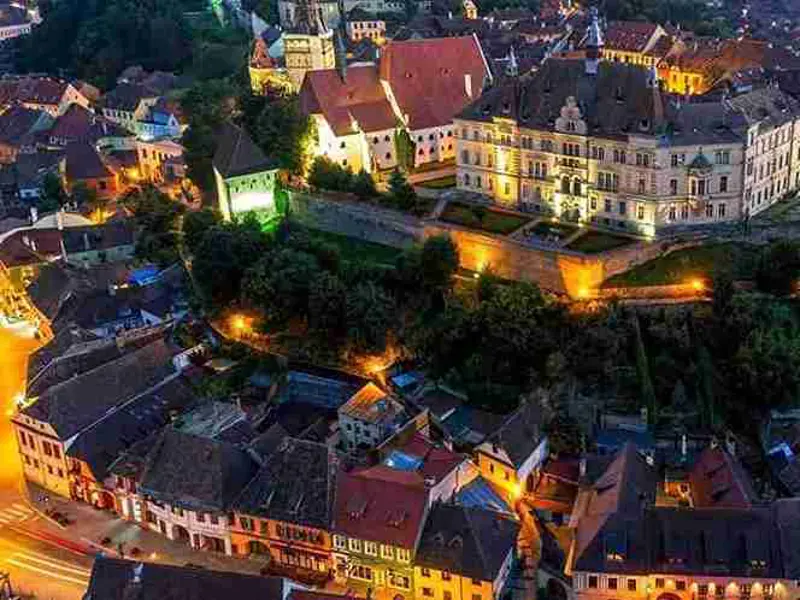
Born around 1431 in Sighișoara, Vlad Țepeș came from the order of the "Dragon", hence the name "Dracula", which means "son of the dragon". He was a feared and respected leader, known for his harsh methods of justice and discipline, symbolized by the punishment of impalement.
Reign and legendary deeds
During his reign, Vlad Țepeș fought for the country's independence and for the restoration of internal order. Although foreign chronicles presented him as a bloody tyrant, the Romanian people considered him a national hero, defender of justice and Christianity. His dual image – between a just ruler and a dark figure – inspired centuries of myths.
The legacy of Vlad Țepeș
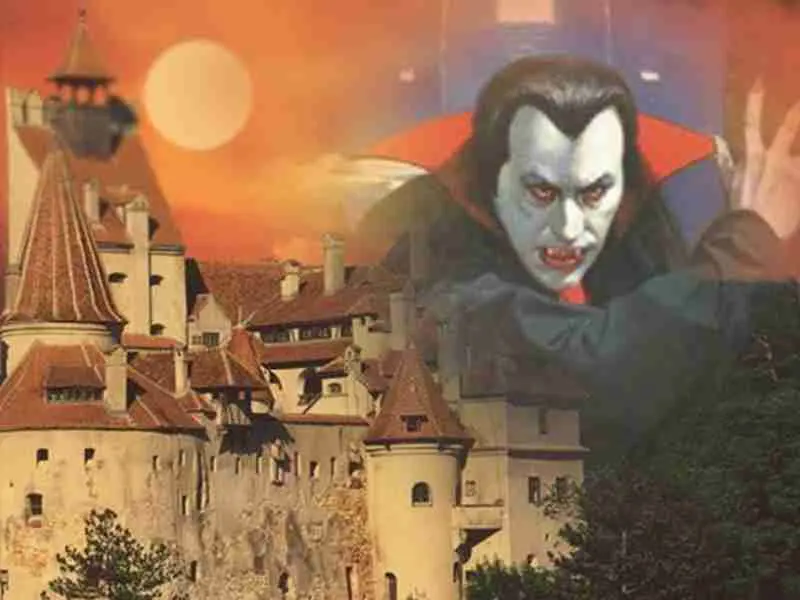
Today, the legend of Dracula is intertwined with the real history of Vlad Țepeș. In popular culture, he symbolizes the struggle between light and darkness, justice and cruelty. Beyond the myth, he remains one of the most fascinating personalities in the history of Transylvania and all of medieval Europe.