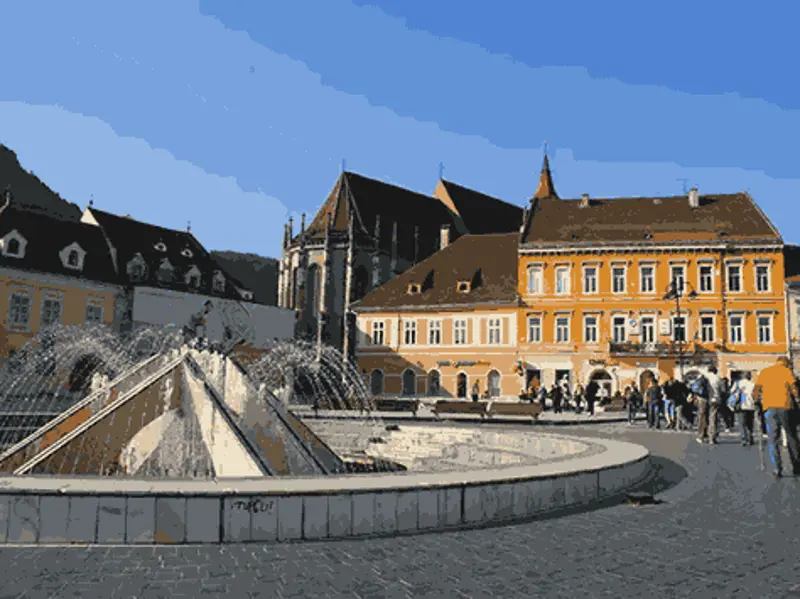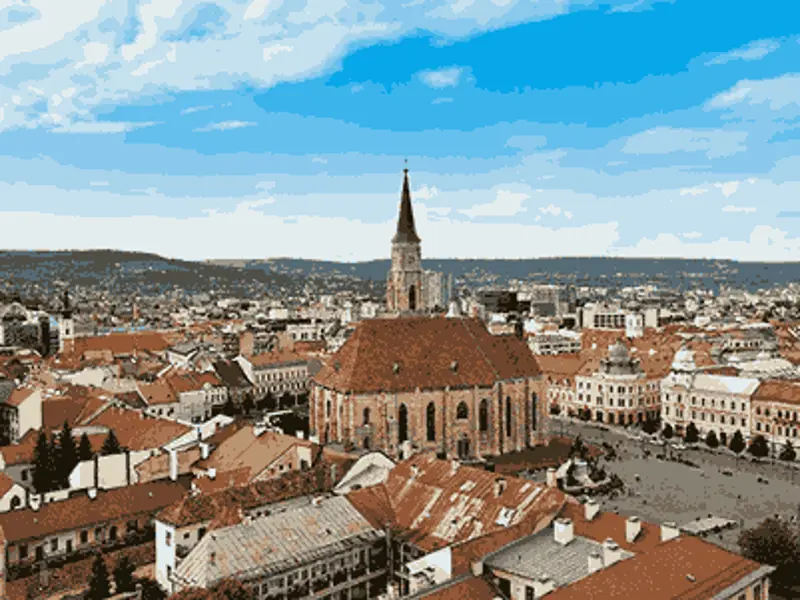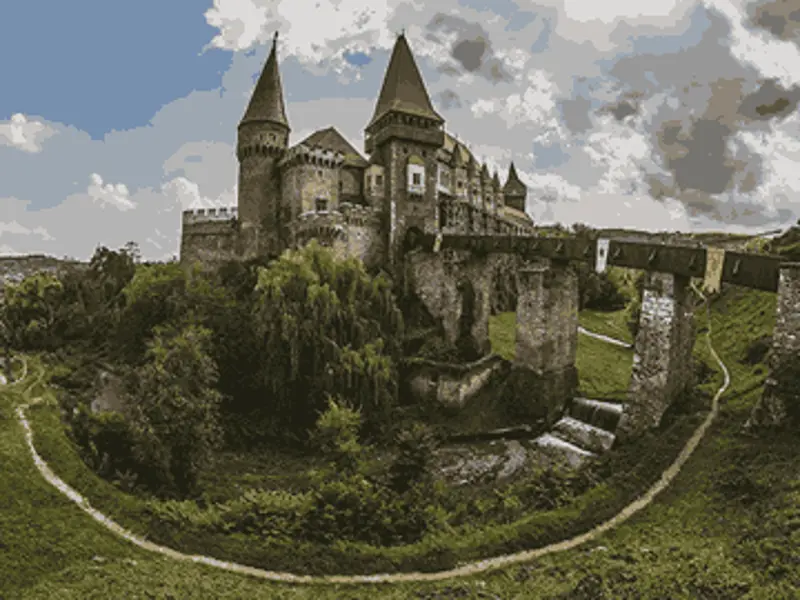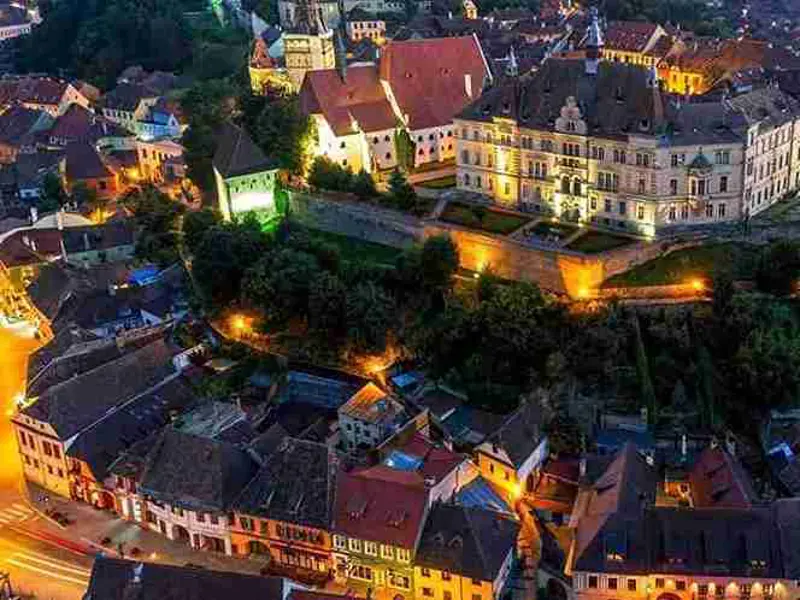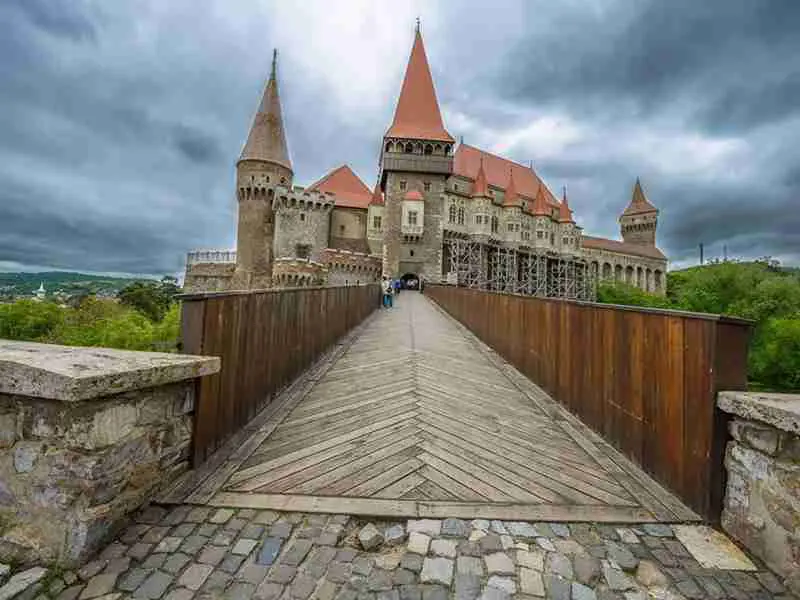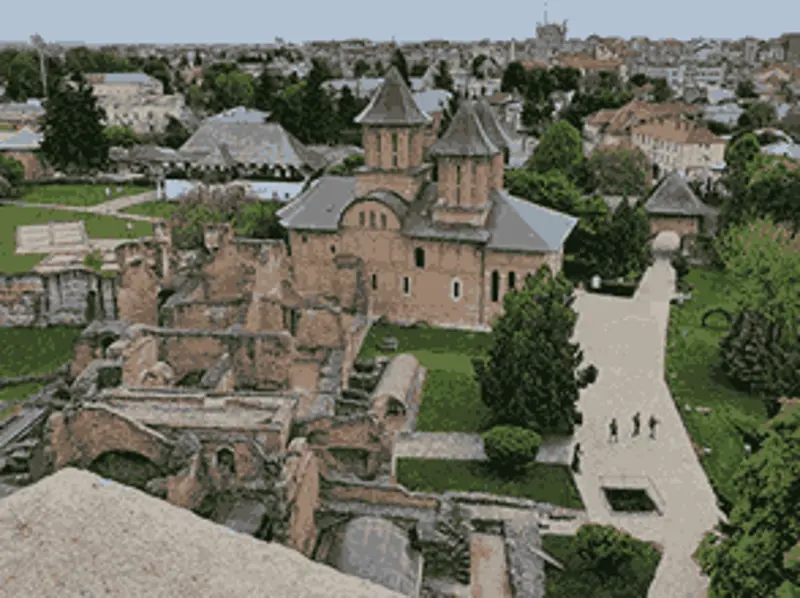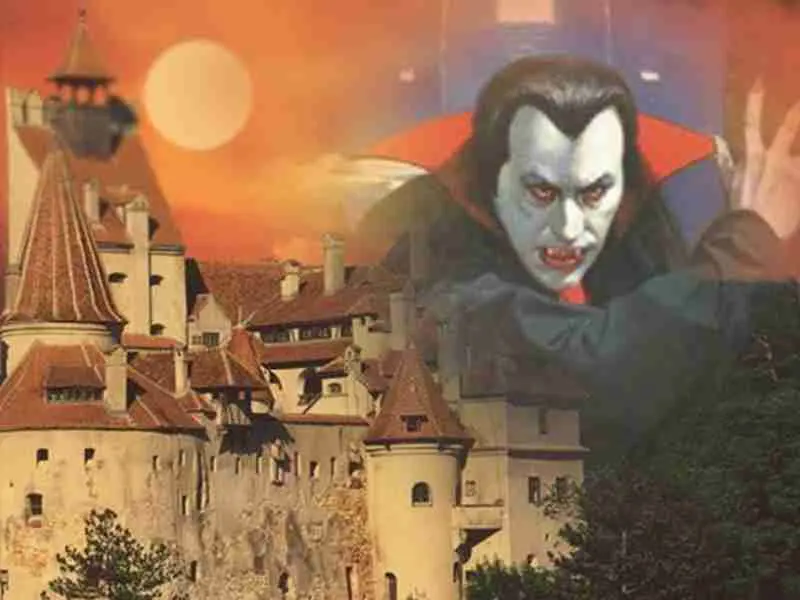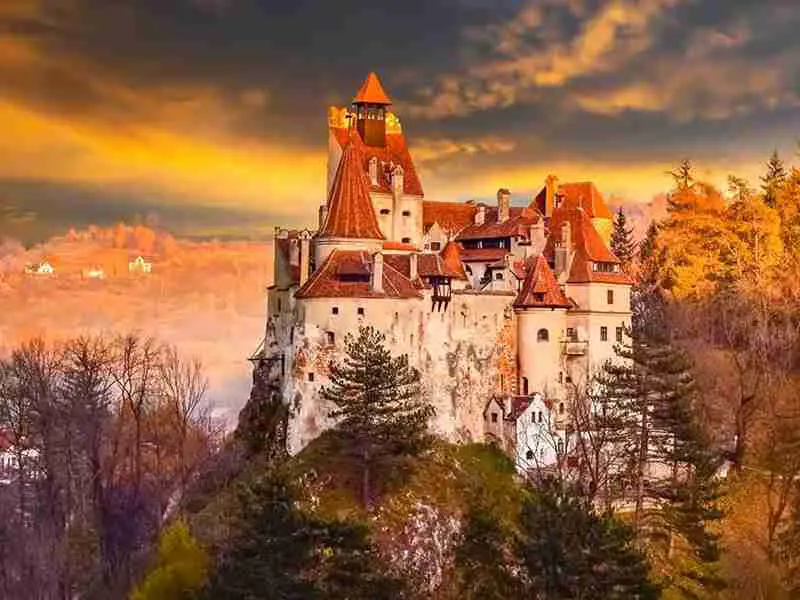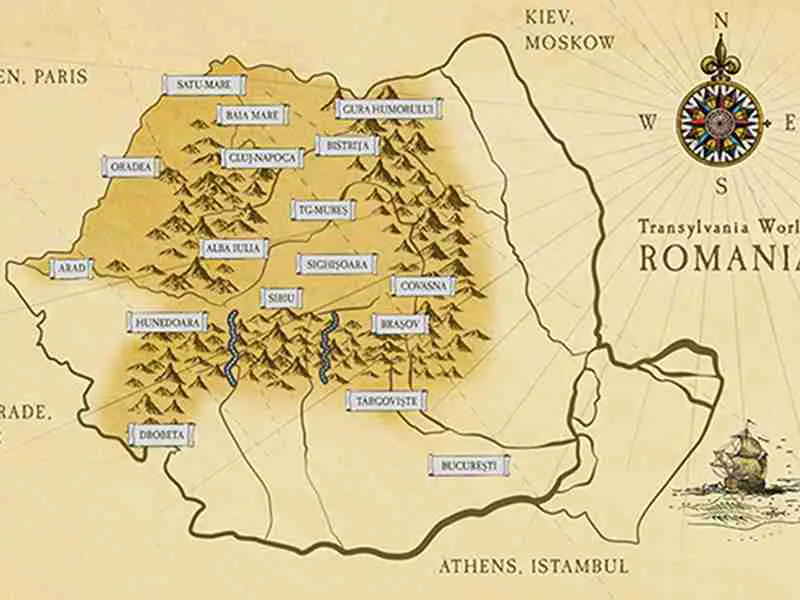
In northern Transylvania, on the banks of the Bistrița River, lies the city of Bistrița, one of the oldest cities in the region. With medieval fortresses, old churches and cobbled streets, the city retains the charm of the Middle Ages and is directly linked to the legend of Dracula, being mentioned in Bram Stoker's famous novel.
Bistrița was an important commercial and religious center of the Saxons of Transylvania, with strong guilds and impressive fortifications that protected the city from invasions. Today, the city is a point of attraction for tourists, passionate about medieval history and mystery.
History of the city of Bistrita
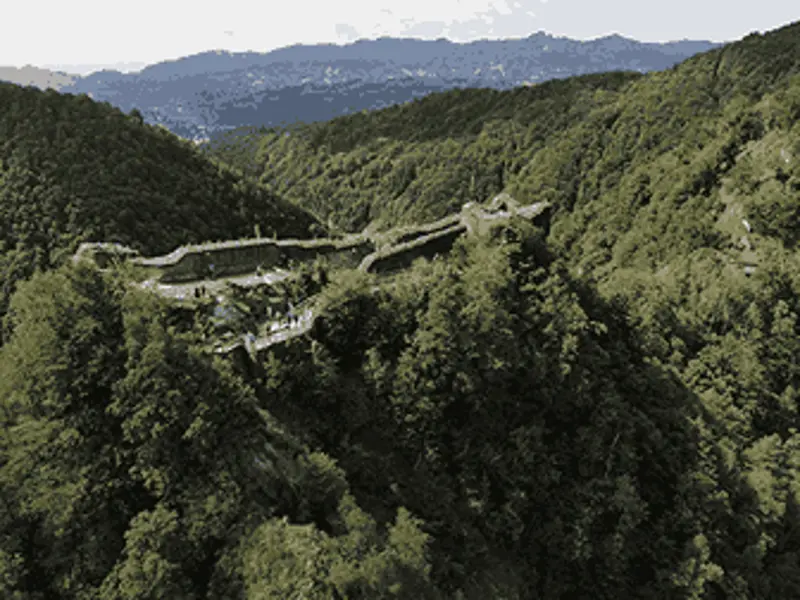
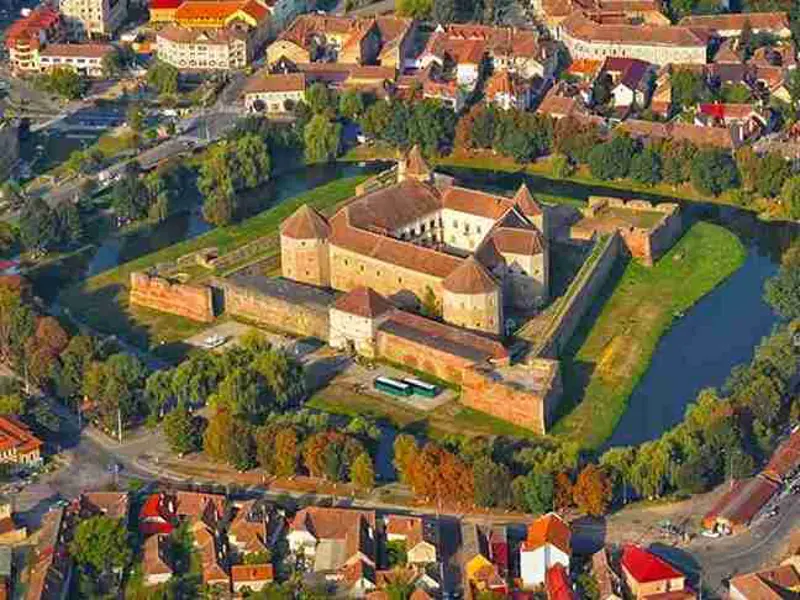
The first documentary mentions of Bistrița date back to the 13th century. The city was colonized by the Saxons and quickly became an important commercial and cultural center. The Bistrița Fortress, its walls and towers were built to defend the city and protect the local guilds.
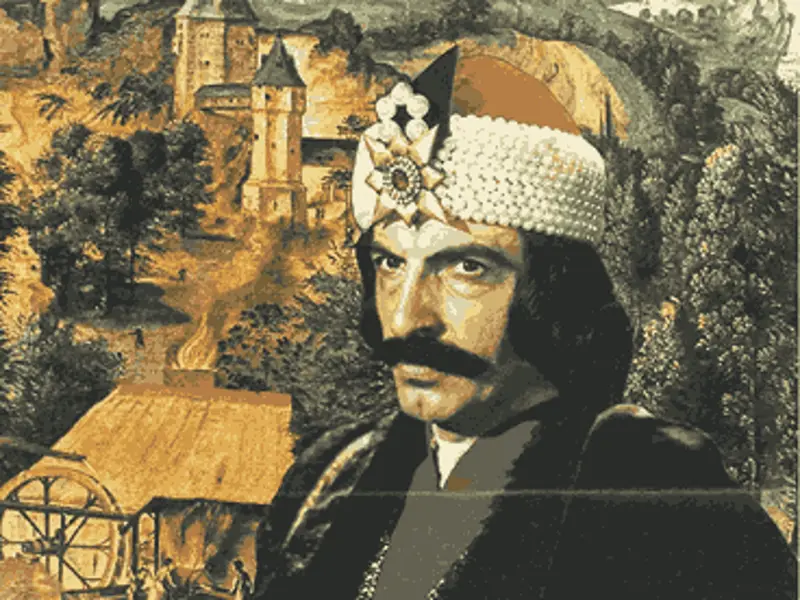
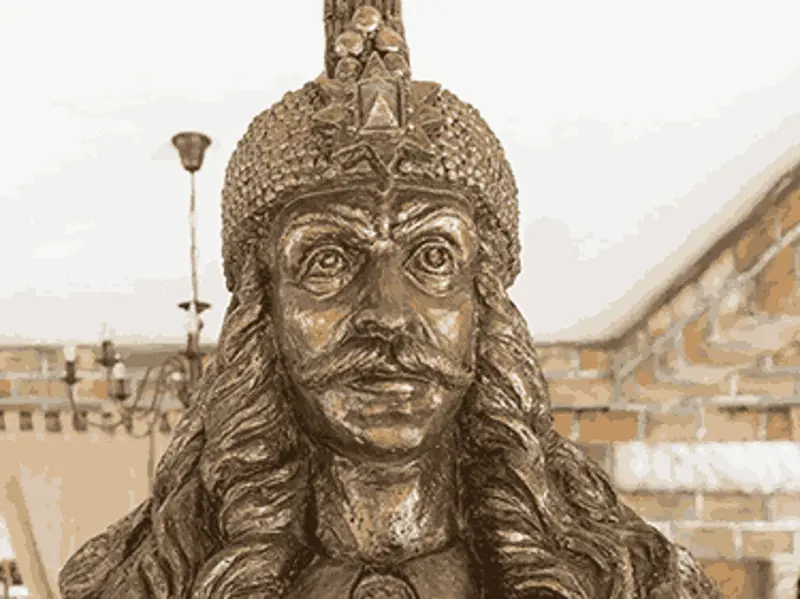
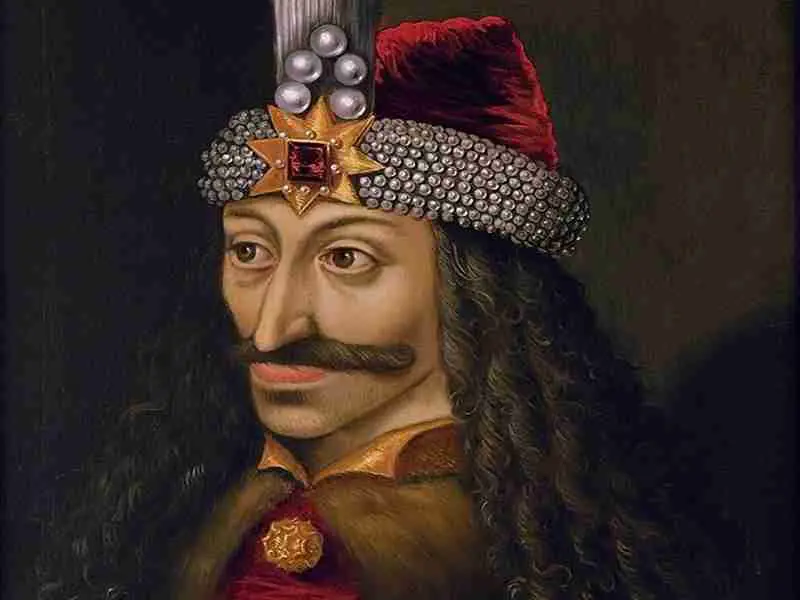
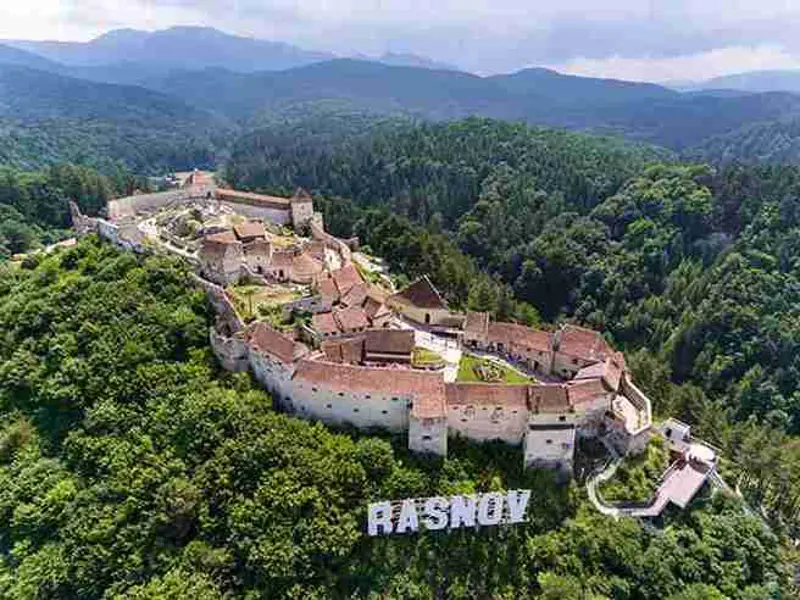
In the 15th century, the city was involved in conflicts between Transylvanian nobles and Wallachian rulers, including Vlad Țepeș, who was nearby to protect his domains and control trade routes.
Architecture and historical monuments
Bistrița impresses with its medieval buildings, fortifications and old churches:
- Evangelical Church – built in the 14th century, with a tall tower and original frescoes.
- Coaters' Tower and Furriers' Tower – vestiges of the fortress and medieval guilds.
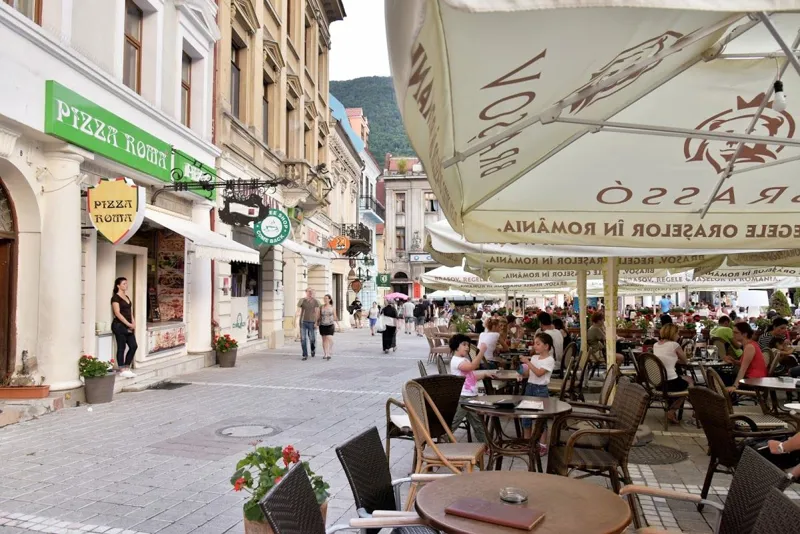
- Central Pedestrian Street – with medieval houses and renovated historical buildings.
- Old Town Hall – symbol of medieval administration and Transylvanian architecture.
Connections to the novel "Dracula"
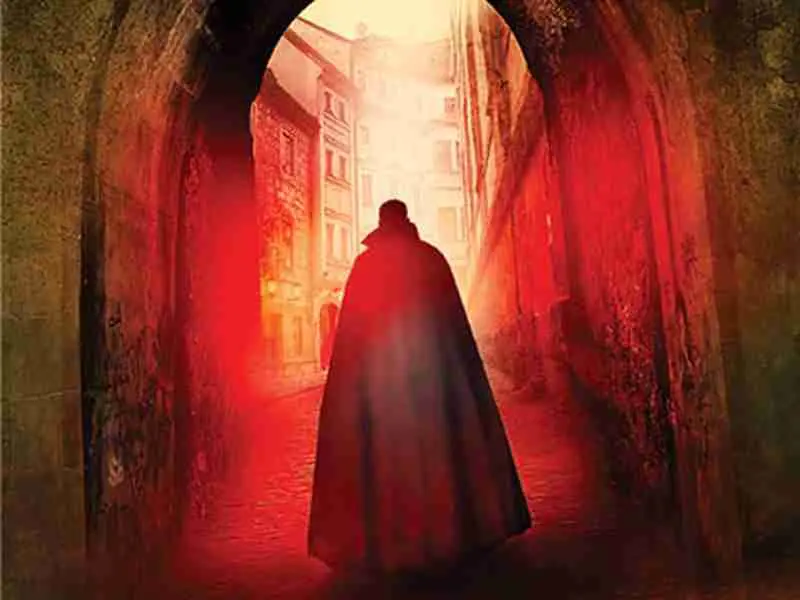
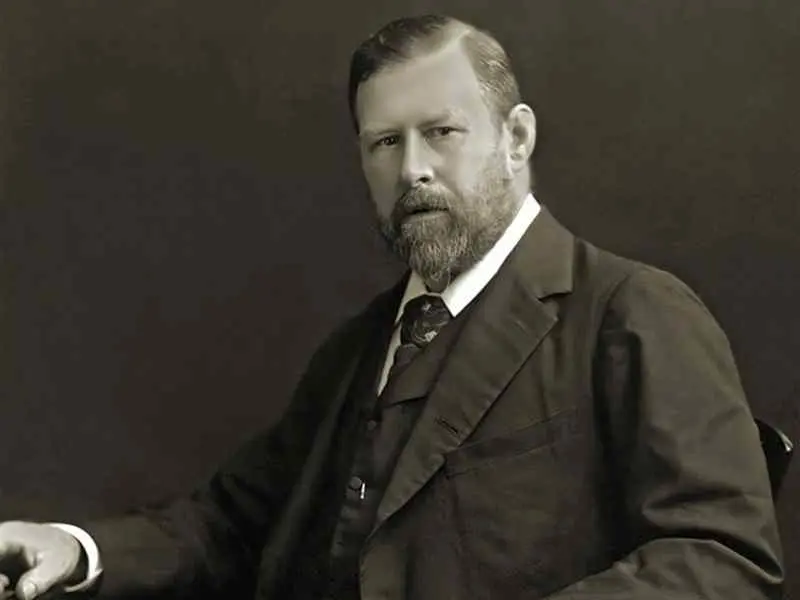
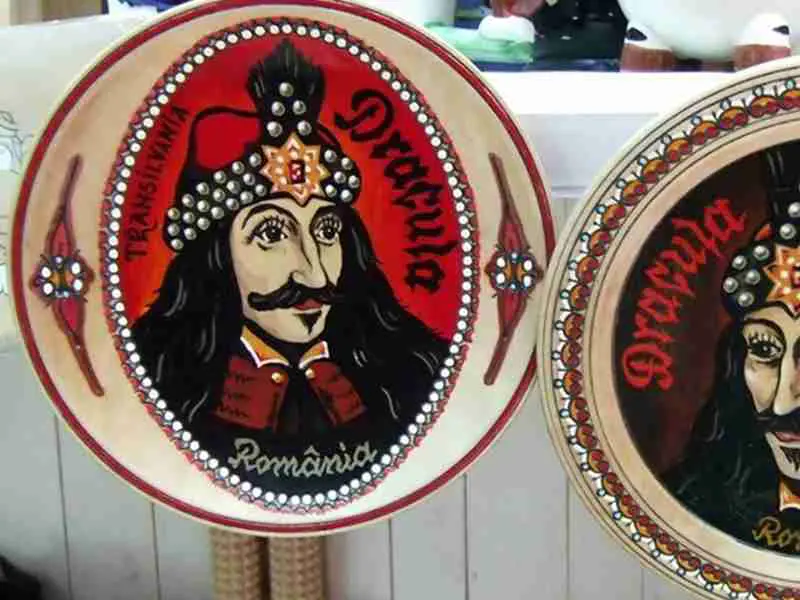
Bistrița is mentioned in Bram Stoker's novel "Dracula", as one of the Transylvanian cities through which Jonathan Harker travels. The mention of the city in the novel gave it an aura of mystery and fascination, attracting tourists and enthusiasts of Gothic literature.
Legends and mysteries
The city of Bistrița is surrounded by legends of knights, nobility and invaders. Some underground tunnels and secret passages still preserve stories of refuges in times of siege, and the fortress towers house medieval artifacts and symbols. It is said that on clear nights, echoes of the past can be heard through the ancient walls.
What can you visit in Bistrita?
- Evangelical Church – main attraction for history and architecture.
- Coaters and Shears Tower – for medieval panoramas and photos.
- Central Street – cafes, shops and restored historic buildings.
- Bistrița Museum – artifacts, traditional costumes and historical documents.
- Municipal Park – green space and relaxation in the middle of the historic city.
Events and traditions
- Medieval fairs – historical reenactments and period performances.
- Cultural festivals – concerts, theater and outdoor exhibitions.
- Dracula themed tours – guided tours through the places mentioned in the novel.
How to get to Bistrita
- 🚗 By car – DN17 and DN15, approximately 330 km from Bucharest and 120 km from Cluj-Napoca.
- 🚆 By train – direct connections to Cluj-Napoca, Brașov and other large cities.
- 🚌 By bus – regular services from the main cities of Transylvania and Romania.
Conclusion
Bistrița is a medieval city with fascinating stories, literary connections and impressive historical monuments. Mentioned in the novel "Dracula", Bistrița adds a touch of mystery and Gothic literature to the Transylvanian tourist route, being an unmissable destination for lovers of history and legends.