In the heart of Transylvania lies Cluj-Napoca, the largest and most dynamic city of the region, known for its cosmopolitan atmosphere, vibrant cultural life and impressive historical heritage. The city combines medieval tradition with urban modernity, offering tourists a complete experience, from historical monuments to cultural and academic events.
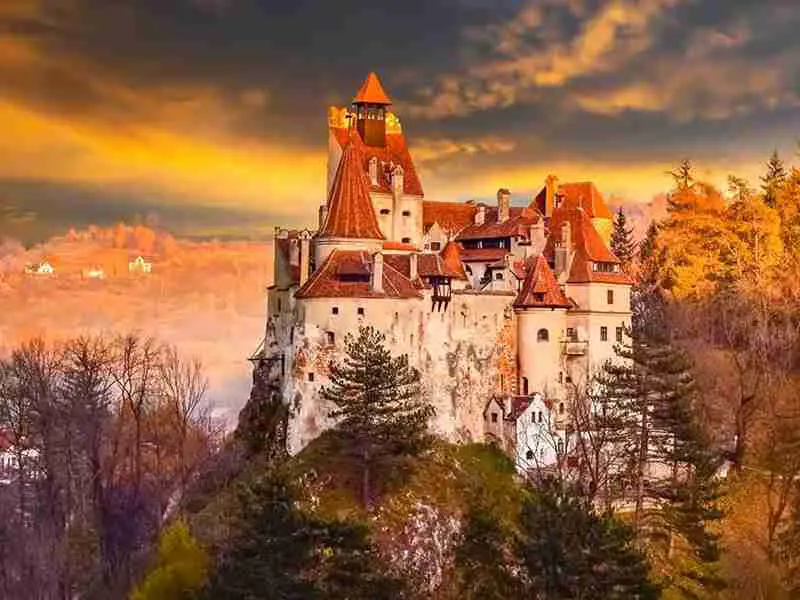
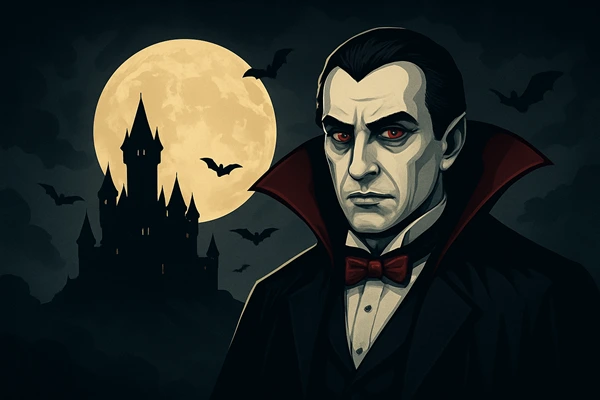
Cluj-Napoca was and continues to be an important center of Transylvania, where the evolution of European cities over the centuries is reflected and where medieval legends, including those related to the myth of Dracula, intertwine with modern life.
History of the city of Cluj-Napoca
The first mentions of the settlement of Cluj date back to the 13th century, under the name Clus. The city was an important commercial and cultural center of the Saxons and Hungarians of Transylvania. In the Middle Ages, Cluj was known for its fortifications and its strategic role in relation to neighboring kingdoms and trade routes.
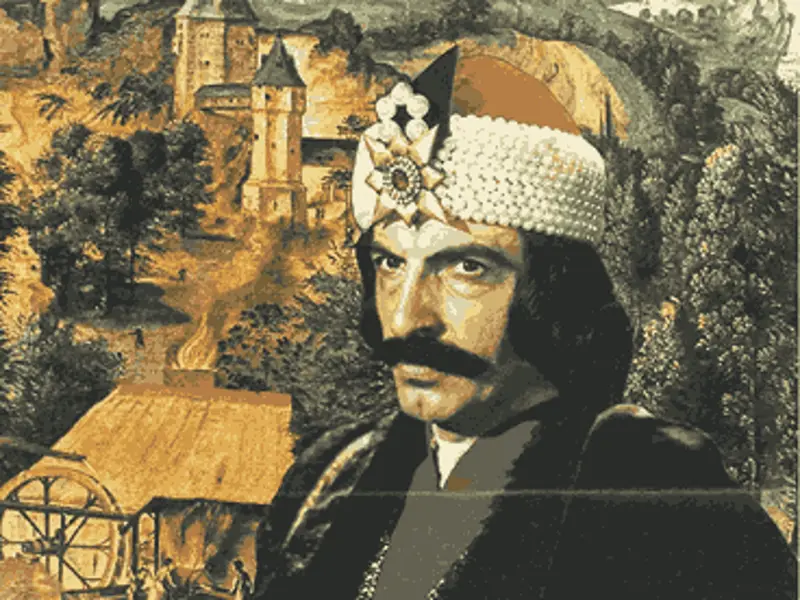
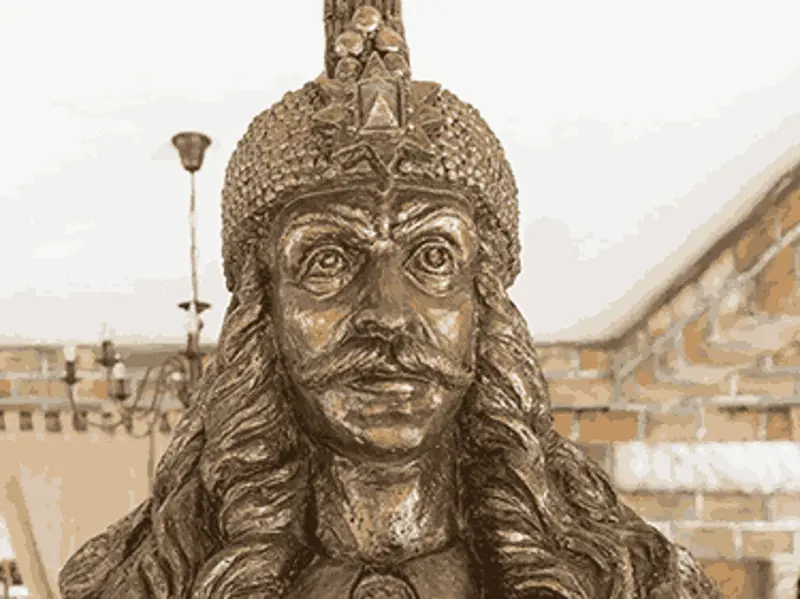
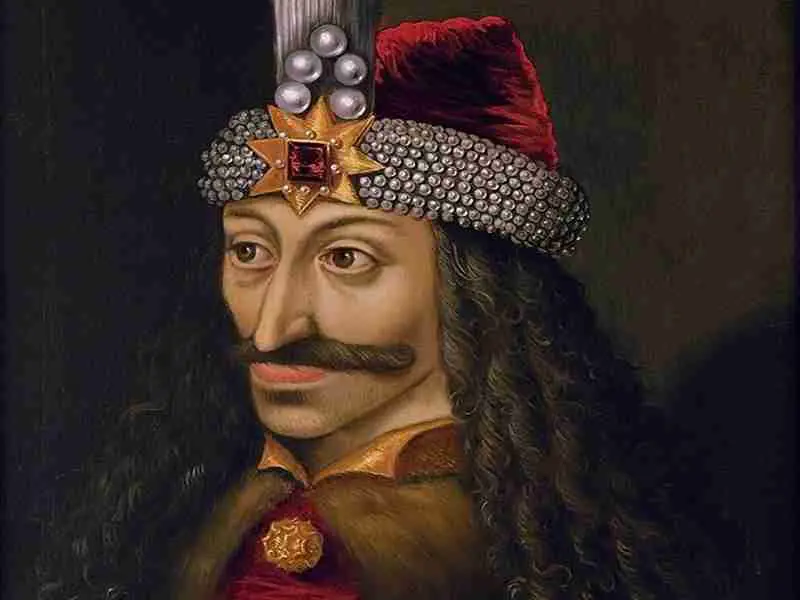
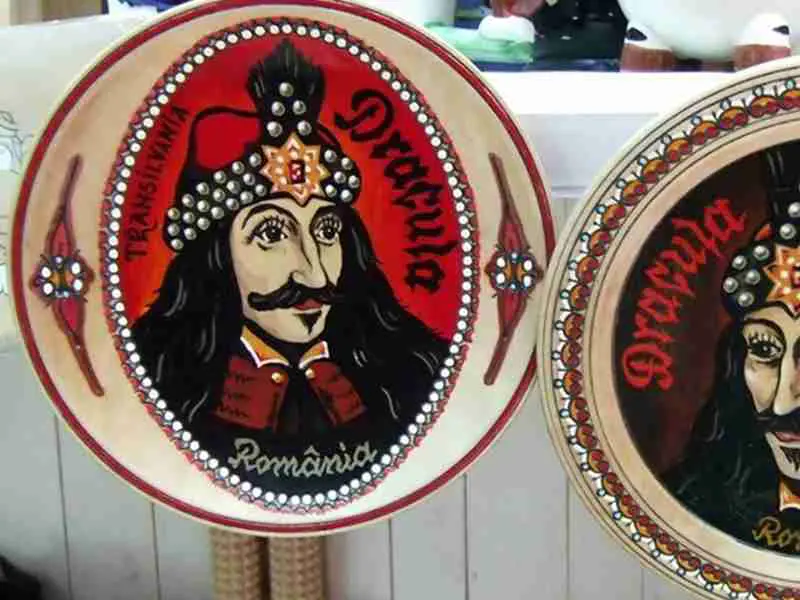
In the 15th century, the city became a center of culture and education, hosting important schools and churches. Cluj witnessed several events related to Wallachian rulers, including Vlad the Țepeș, who mentioned in documents commercial and strategic relations with Transylvania.
Architecture and tourist attractions
Cluj-Napoca impresses with a mix of architectural styles: Gothic, Baroque, Renaissance and Modern. Among the most important tourist attractions are:
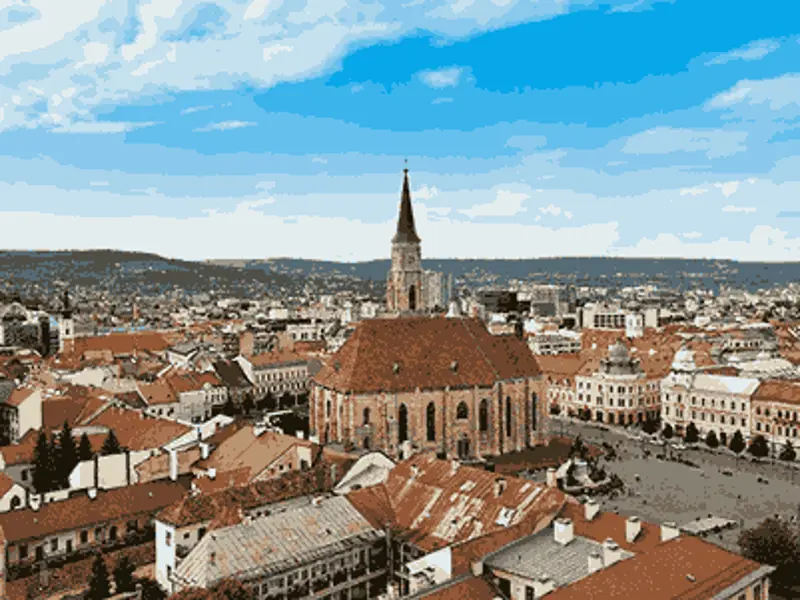
- Saint Michael's Church – one of the largest Gothic churches in Romania, with an impressive tower and historical frescoes.
- Banffy Palace – a symbol of the Transylvanian aristocracy, today hosting the Art Museum.
- Tailors' Tower – a vestige of the city's old medieval fortifications.
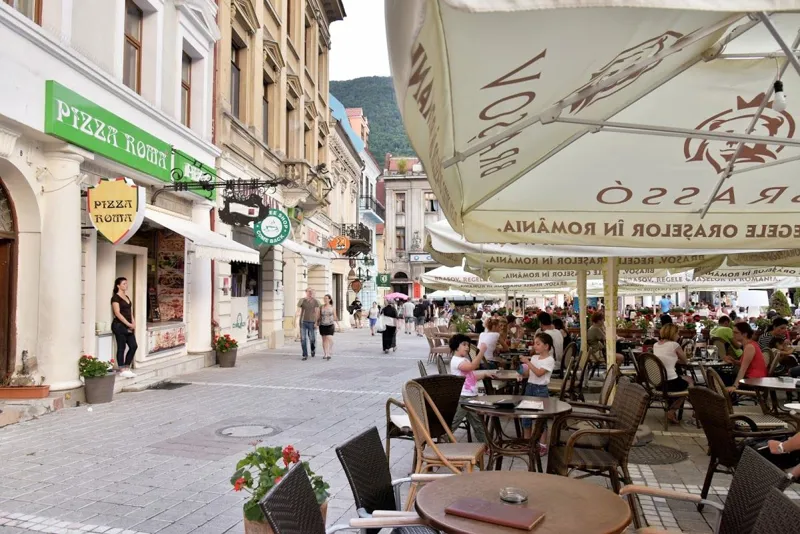
- Union Square – the place where history and modern life meet, with statues, cafes and cultural events.
- "Alexandru Borza" Botanical Garden – an oasis of nature, with exotic plants and centuries-old trees.
Culture and university life
Cluj-Napoca is a major university center, with over 100,000 students at renowned institutions such as Babeș-Bolyai University. The city hosts music, theater, and film festivals, and is recognized as one of the most active cultural centers in Romania.
Links to the legend of Dracula
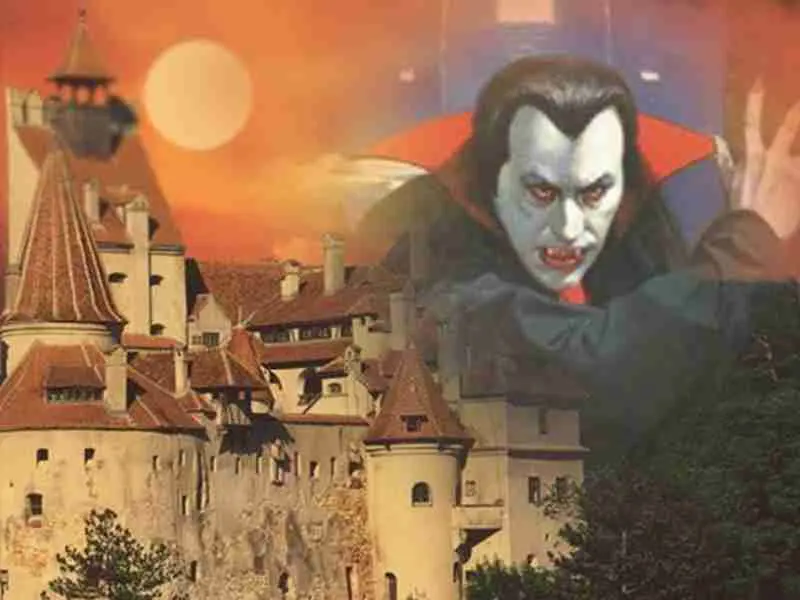
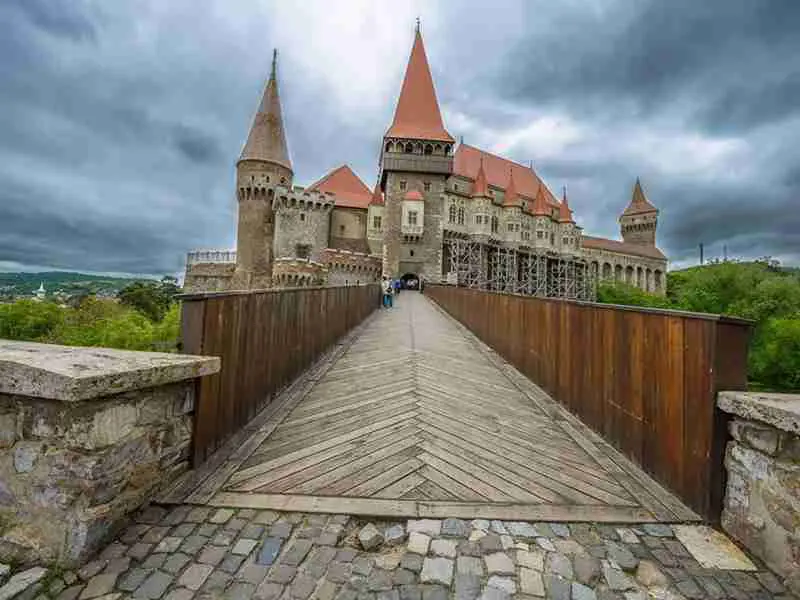
Although there is no direct evidence that Vlad Țepeș lived here, Cluj is on the main trade and military routes in Transylvania, and is mentioned in chronicles and documents from the 15th century. The city offers tourists the opportunity to explore indirect connections to the Dracula legend by visiting museums, fortifications, and medieval sites in the surrounding area.
Events and modern tourism
- Transylvania International Film Festival (TIFF) – the most important film festival in Romania, with international screenings and outdoor events.
- Jazz in the Park – music and art festival, attracting artists and visitors from all over Europe.
- Cluj Pride and various cultural events – vibrant, open and multicultural city.
How to get to Cluj-Napoca
- 🚗 By car – DN1, DN1C and A3 highway, fast connections to Bucharest, Brașov, Târgu Mureș.
- ✈️ By plane – Cluj-Napoca International Airport offers domestic and international flights.
- 🚆 By train and bus – direct connections to the main cities of the country.
Conclusion
Cluj-Napoca is the modern symbol of Transylvania, combining the medieval past with contemporary urban life. The city offers tourists diverse opportunities: from exploring historical and cultural monuments to international art and music events. In the context of the Dracula route, Cluj offers modern perspectives on Transylvania and a starting point for exploring the legendary fortresses and cities of the region.