Why scientists study the myth of Dracula
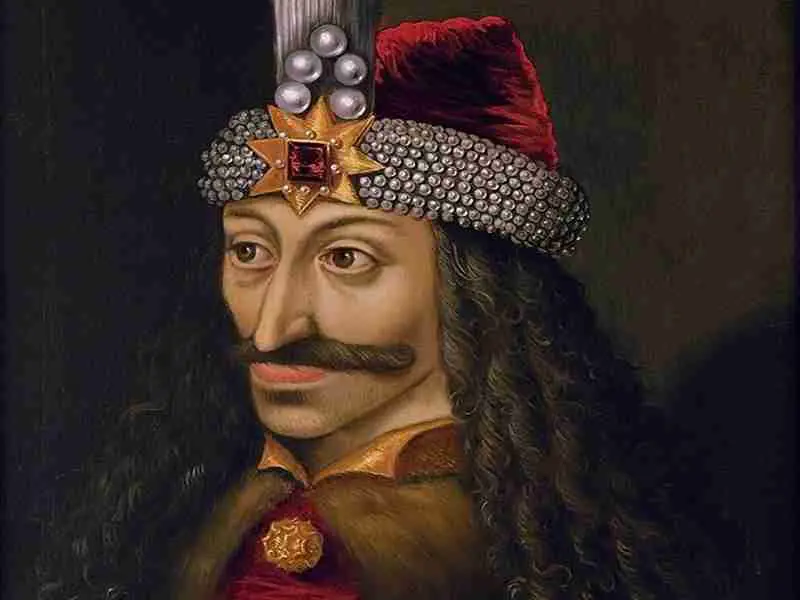
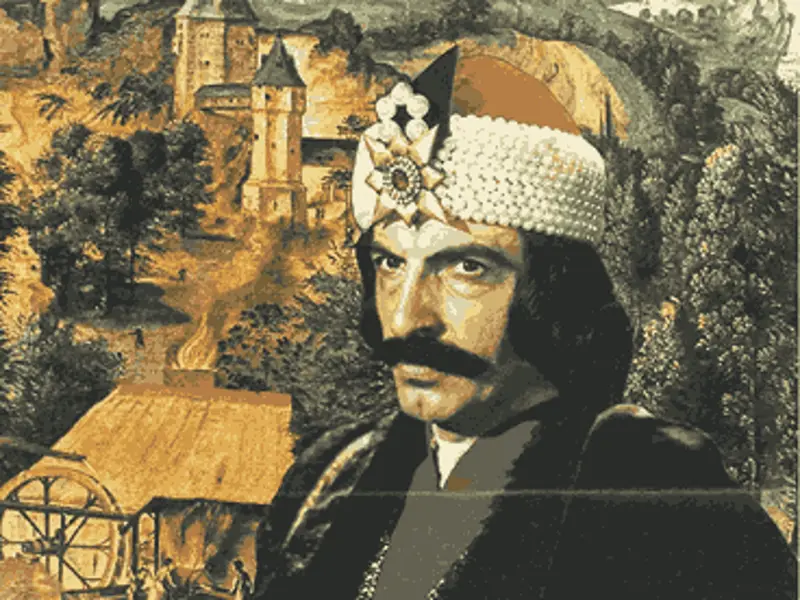
The myth of Dracula, although rooted in Gothic literature and Romanian folklore, has become a serious subject of research for historians, anthropologists, psychologists, and medical specialists. The legend is analyzed to understand how fear, collective imagination, and historical reality intertwine into a cultural symbol. The Dracula Phenomenon is a fascinating study of how a real historical figure, Vlad Țepeș, transformed into a supernatural character with global impact.
What do researchers explain about the origin of the myth?
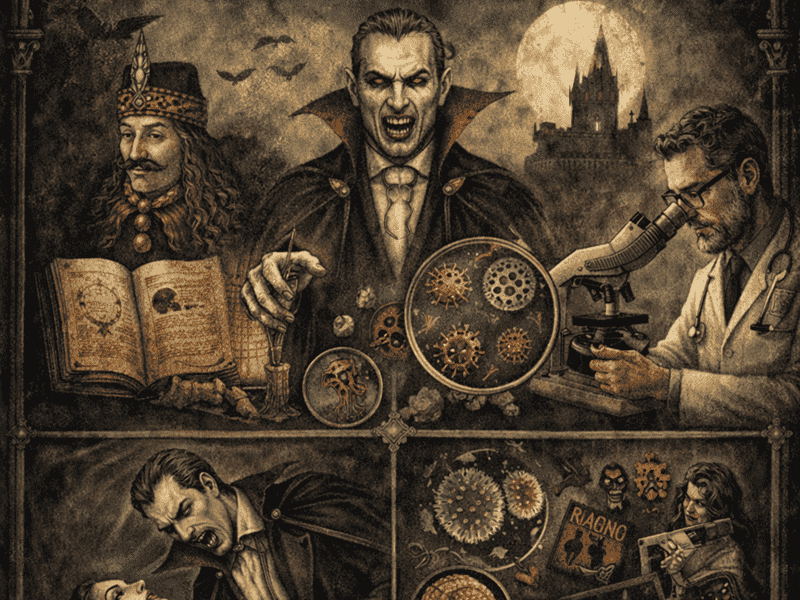
Scientists investigate the sources that fueled the vampire mythos and contributed to the association of Vlad Țepeș with the vampire figure. Studies explore the historical context, period accounts, political propaganda, and literary interpretations that shaped the legend.
- Medieval Documents – exaggerated descriptions of cruelty, used as a political weapon.
- Romanian Folklore – beliefs about strigoi and moroi that existed centuries before Stoker's novel.
- European Context – vampire panics in the Balkans and Central Europe.
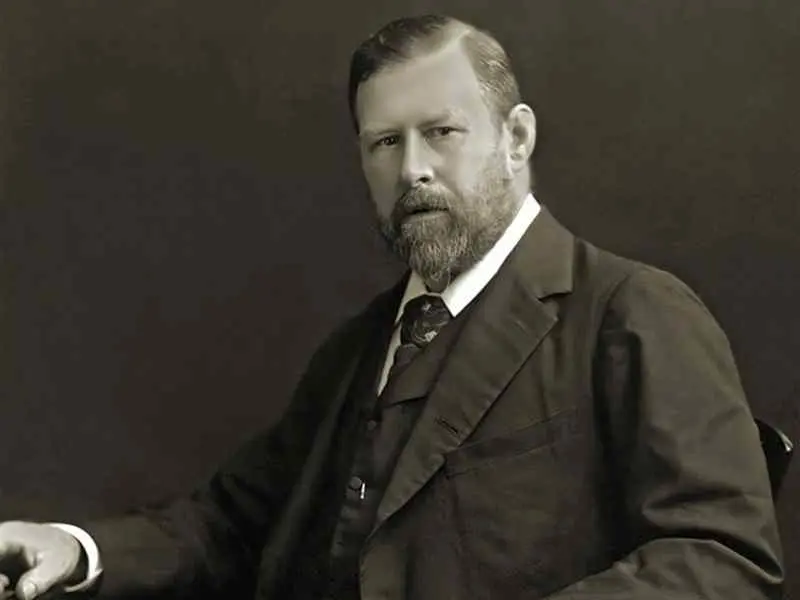
- Literary Interpretations – how Bram Stoker's novel transformed a local myth into a global symbol.
What role does medicine play in explaining the vampiric phenomenon?
Some symptoms observed in sick people in the past could be interpreted as vampiric traits. Modern researchers have analyzed these phenomena to understand how superstitions became beliefs.
- Rare diseases that cause sensitivity to light.
- Diseases that alter behavior or physical appearance.
- Explanations of the natural decomposition of bodies in graves.
- Misinterpretation of infectious diseases in the Middle Ages.
How is the Dracula phenomenon analyzed in modern culture?
Dracula is currently being studied as a complex cultural phenomenon. Sociologists and anthropologists analyze the reasons why the public is attracted to the vampire figure: mystery, power, immortality, seduction and fear of the unknown. At the same time, media research shows how films, series and video games have shaped the perception of vampires.
- Analysis of cultural stereotypes.
- The influence of cinema on public perception.
- The growing interest in gothic and horror themes.
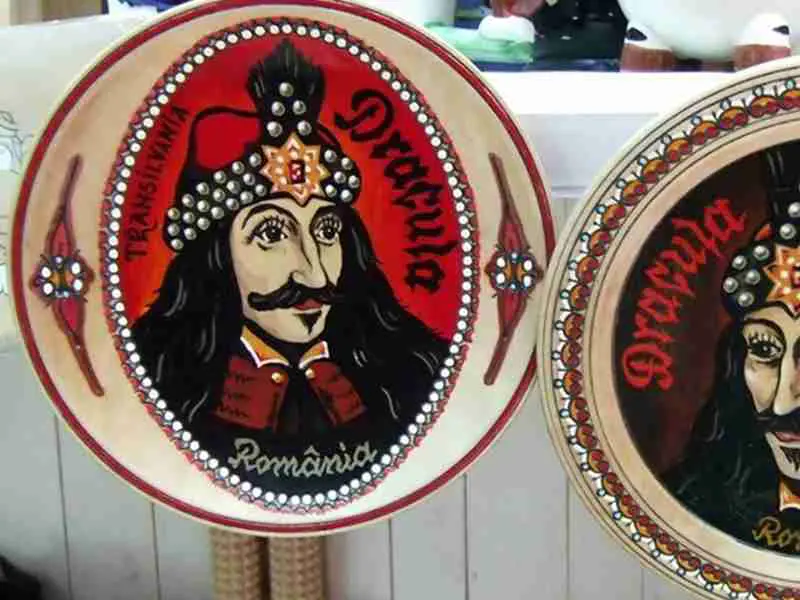
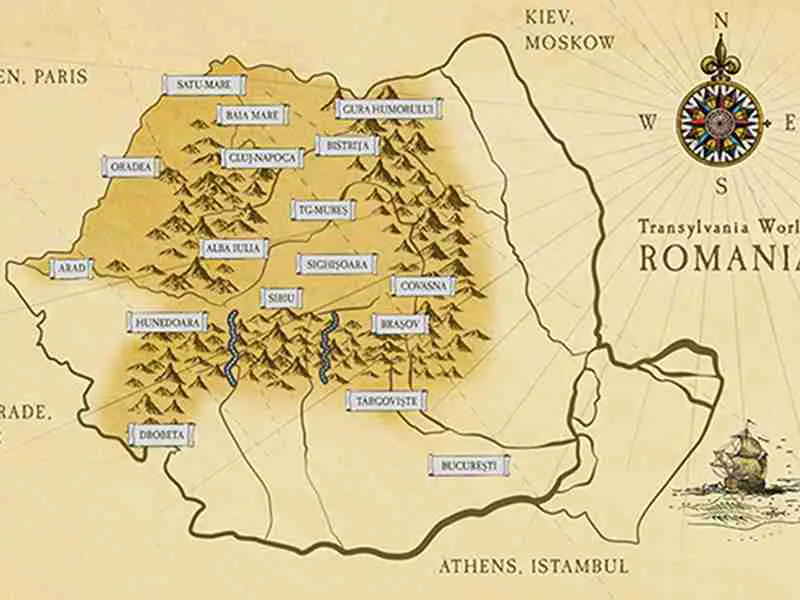
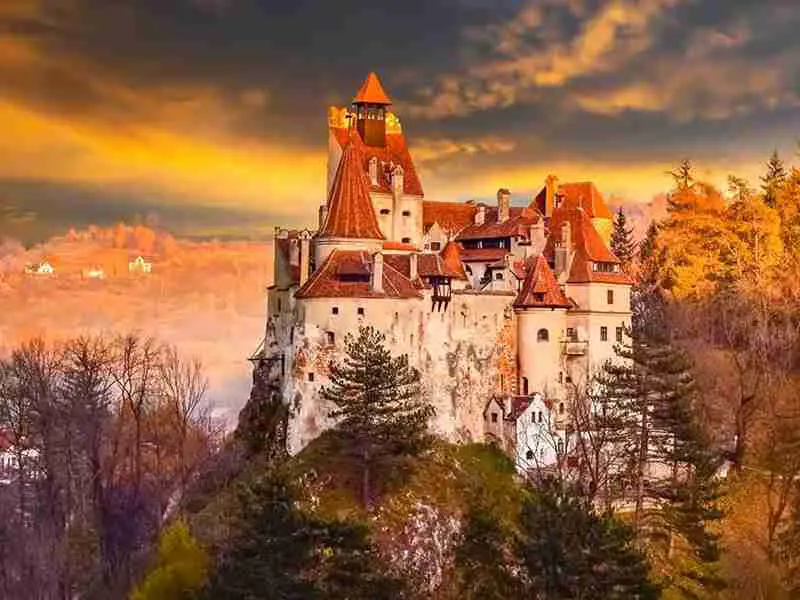
- Dracula as an identity symbol for Transylvania.
Conclusion
DDracula is not just a legendary character, but a phenomenon rigorously studied by numerous scientific disciplines. Historical, medical and cultural analyses show that the vampire myth is much deeper than it first appears. It is a perfect example of how reality, imagination and fear combine to create enduring symbols that continue to fascinate and inspire research today.