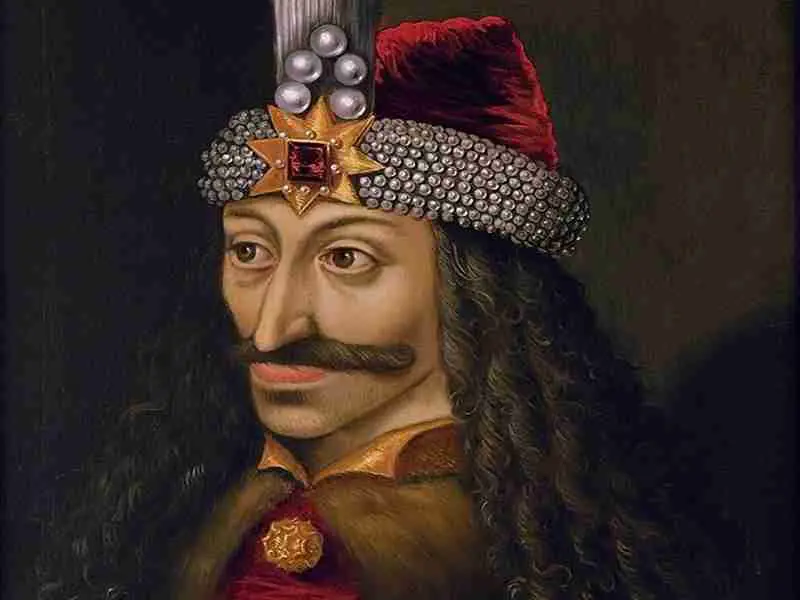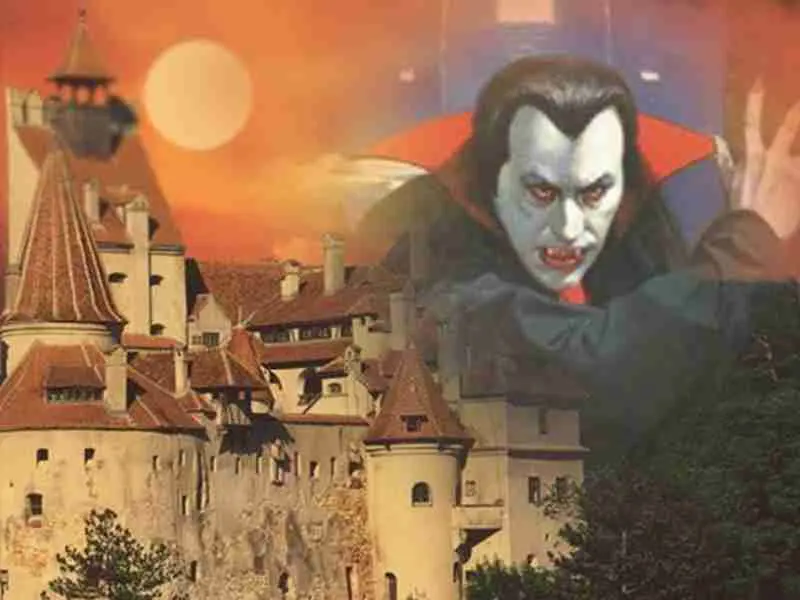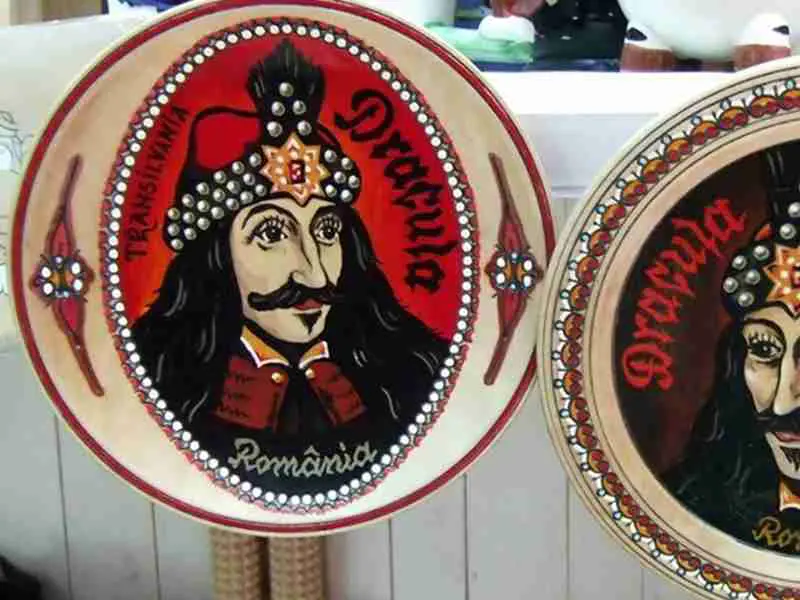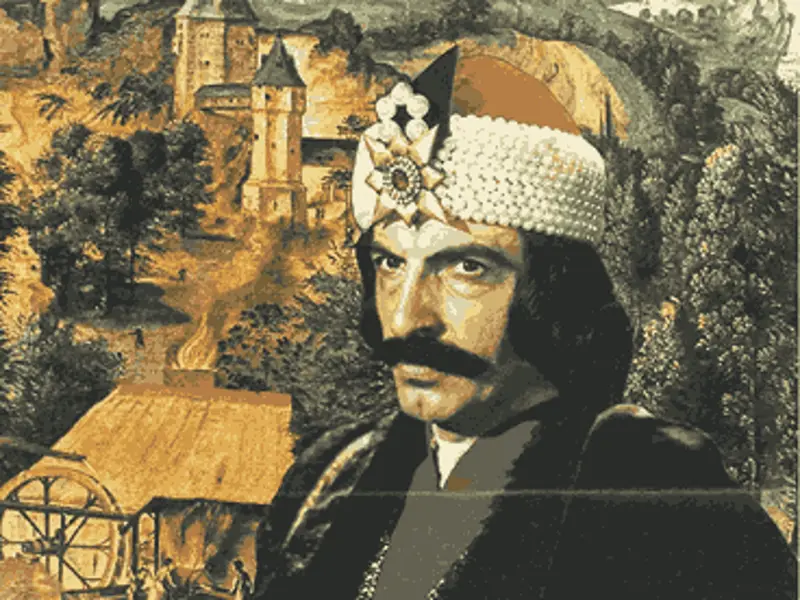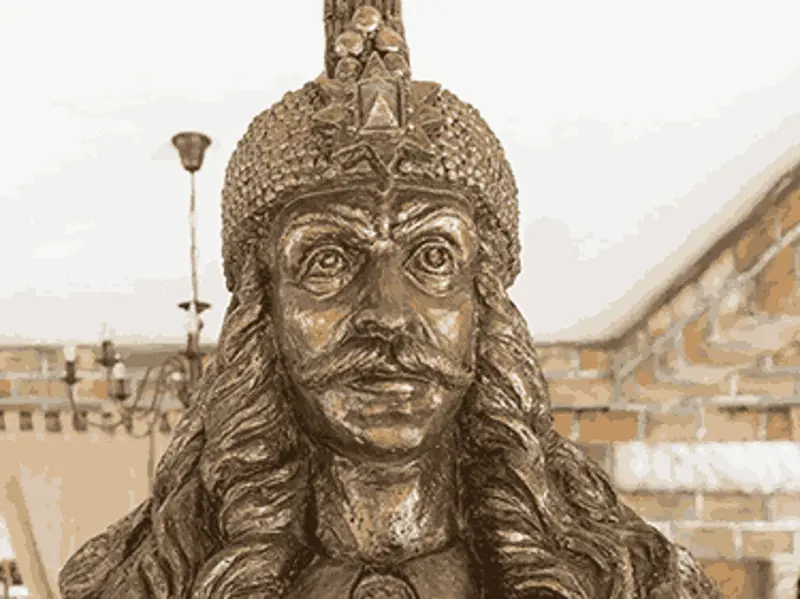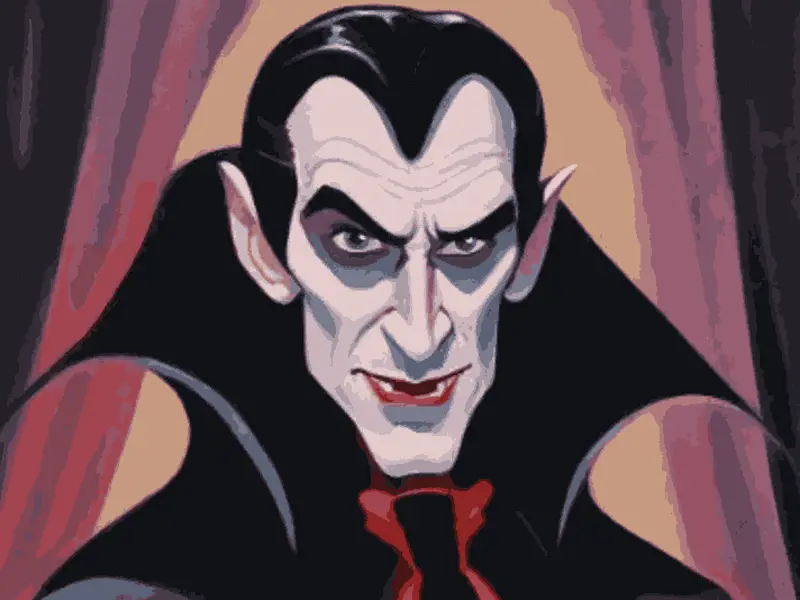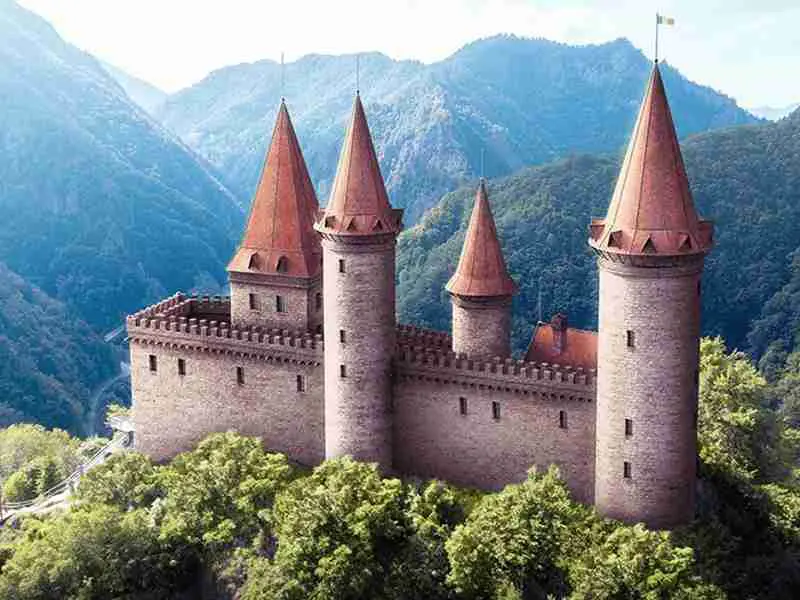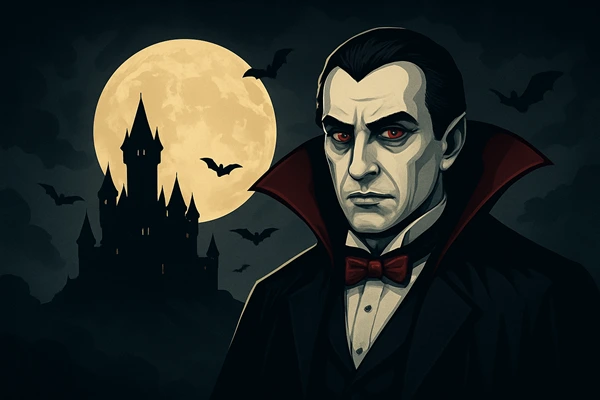
The vampirism associated with the figure of Dracula is the result of an intertwining of fear, tradition and the ancient symbolism of the rural world. In the communities of the past, the vampire was not a fictional creature, but an explanation for illness, misfortune or unexpected death. The belief that the souls of the restless return to haunt the village was so strong that people resorted to complex rituals to prevent the return of the dead. Thus emerged the image of the vampire, a being who fed on the energy of the living and disturbed the balance of the community. Dracula became the ultimate symbol of these beliefs, bringing together all the fears and myths in a single fascinating character.
What behaviors were considered signs of vampirism?
- Unexplained paleness and sudden weight loss in a person
- Repeated dreams of spirits pressing on the chest in sleep
- Feeling of profound fatigue without a medical cause
- Sudden changes in the behavior of loved ones
- Animals restless around a particular house or person
What methods did people use to identify a suspected vampire?
- Opening the grave on nights considered critical
- Observing the position of the body and clothing
- Checking for traces of blood on the lips or clothes
- Analyzing the reactions of animals around the burial site
- Questioning community members about dreams or visions they have had
What rituals were practiced to stop the transformation into a vampire?
- Placement of sacred objects in the coffin for protection
- Anointing with herbs considered purifying
- Turning the body face down to prevent it from rising
- Lighting ritual fires around the house or grave
- Extended wake ceremonies for suspects
What role did vampirism play in traditional society?
- Explained the emergence of diseases without known cause
- Regulated social behavior through fear and morality
- Justified traditions related to wakes and burials
- Strengthened community cohesion in crisis events
- Provided a symbolic framework for understanding death
Why did Dracula become the central figure of vampirism?
- Embodies the vampire archetype from Eastern European folklore
- Brings together themes of death, power, and the supernatural
- Has been popularized by literature and film
- Represents the duality between monster and man
- Has become a universal metaphor for human fears
Conclusion
The vampirism associated with the figure of Dracula reflects collective fears, archaic beliefs and people's attempt to explain the unknown. From protective rituals to legends passed down from ancestors, this phenomenon has shaped the cultural identity of the Transylvanian regions. Dracula is not just a legendary vampire, but a synthesis of traditions and symbols that have endured for centuries, maintaining its mysterious charm in contemporary culture.