Why modern reinterpretations of Dracula fascinate audiences
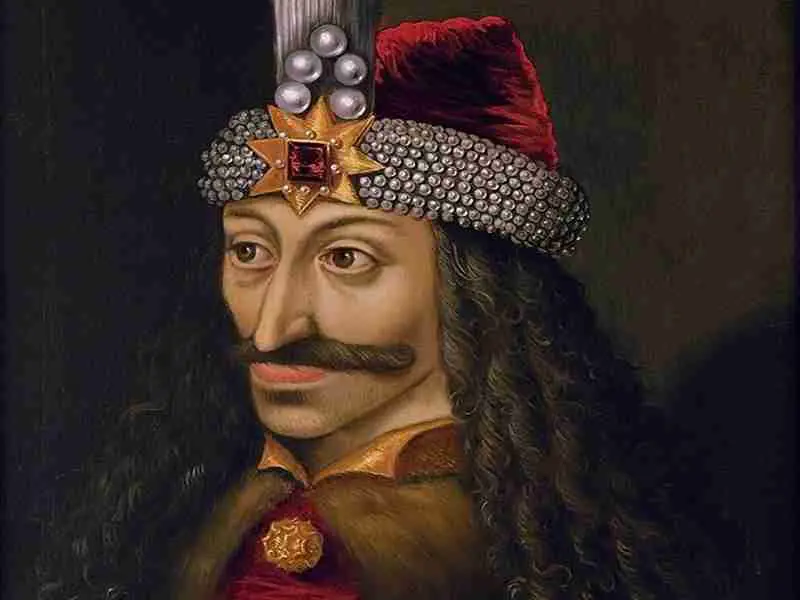
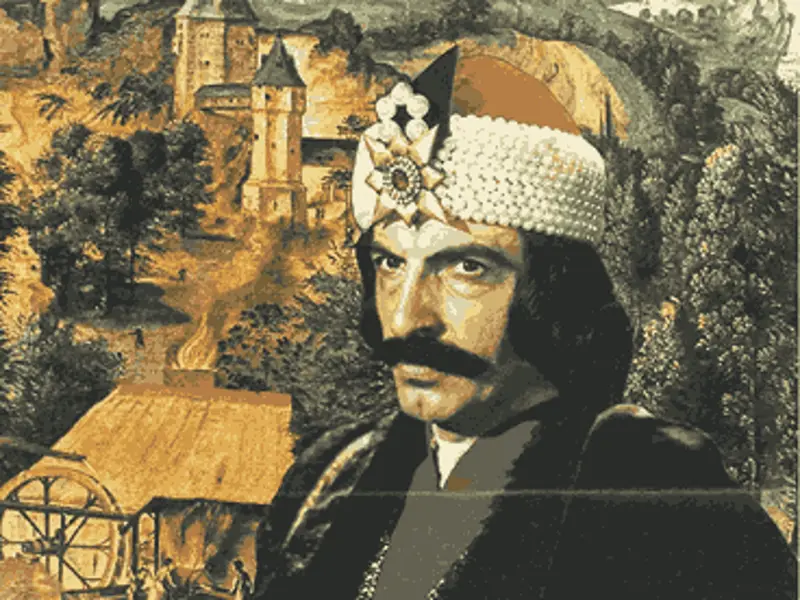
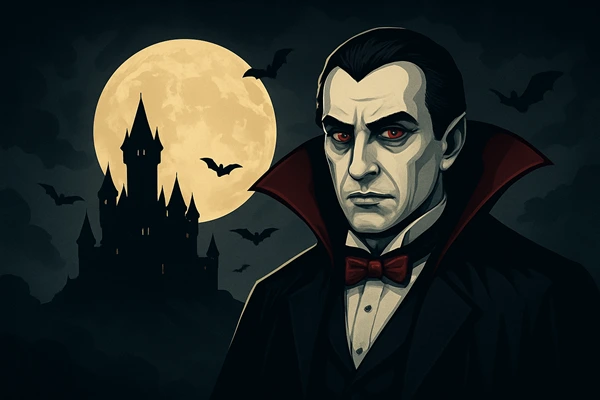
Modern reinterpretations of Dracula prove that the character remains relevant regardless of the era. Audiences are drawn not only to the mystery of vampires, but also to the exploration of the character's inner conflicts. In recent years, directors have emphasized psychological drama, the duality between human and monstrous, and the legend's medieval origins, offering a more mature perspective on the myth.
New visual elements in contemporary films inspired by Dracula
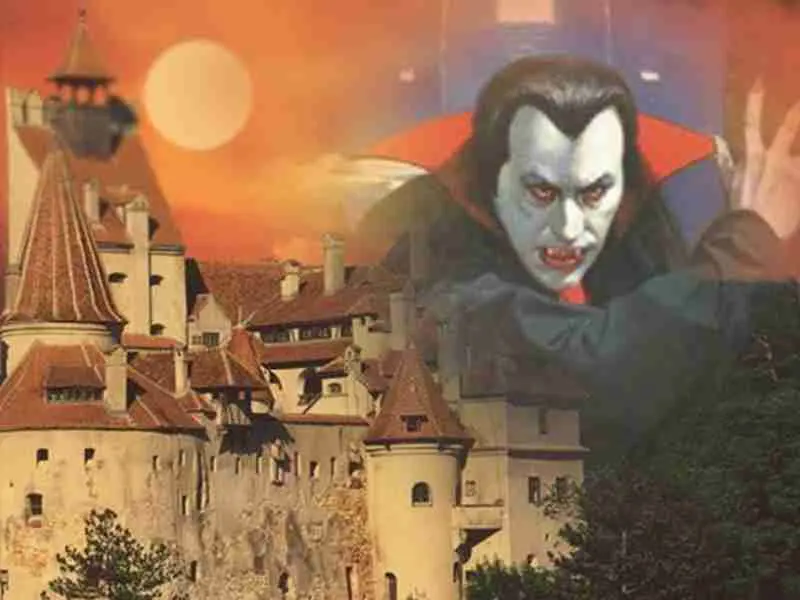
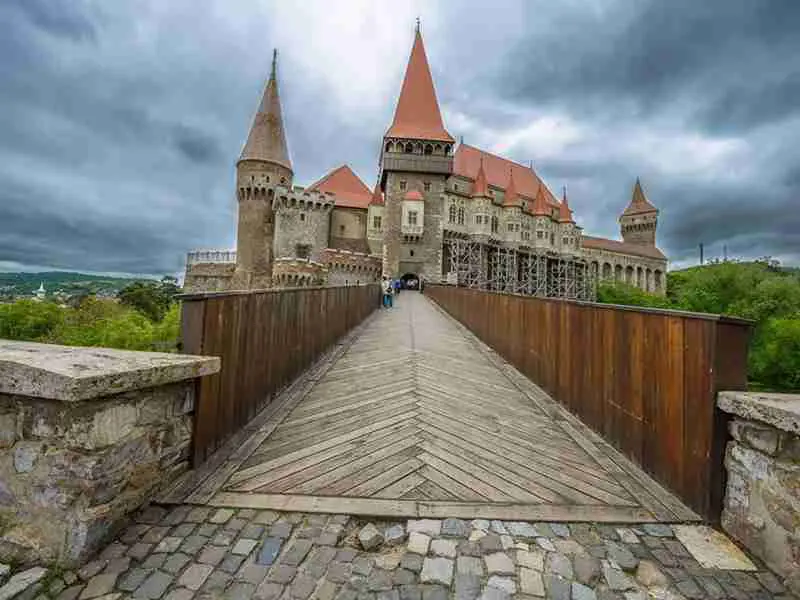
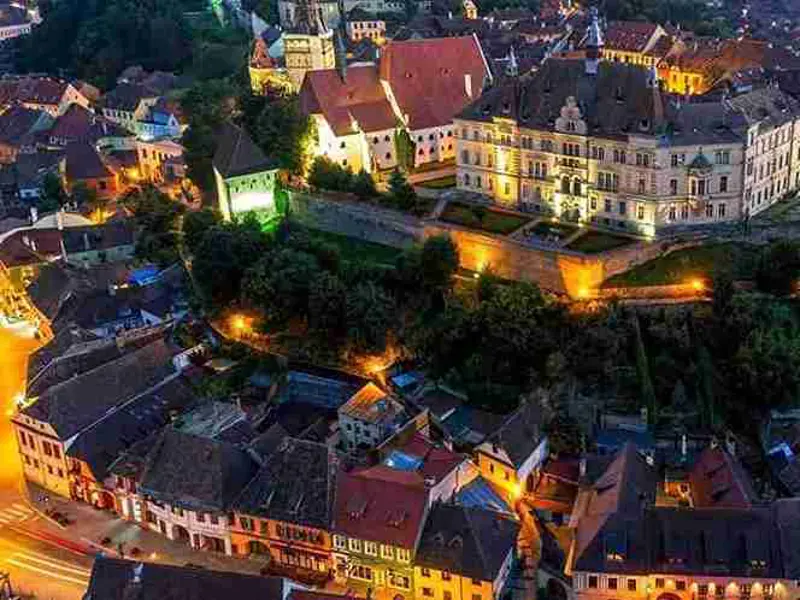
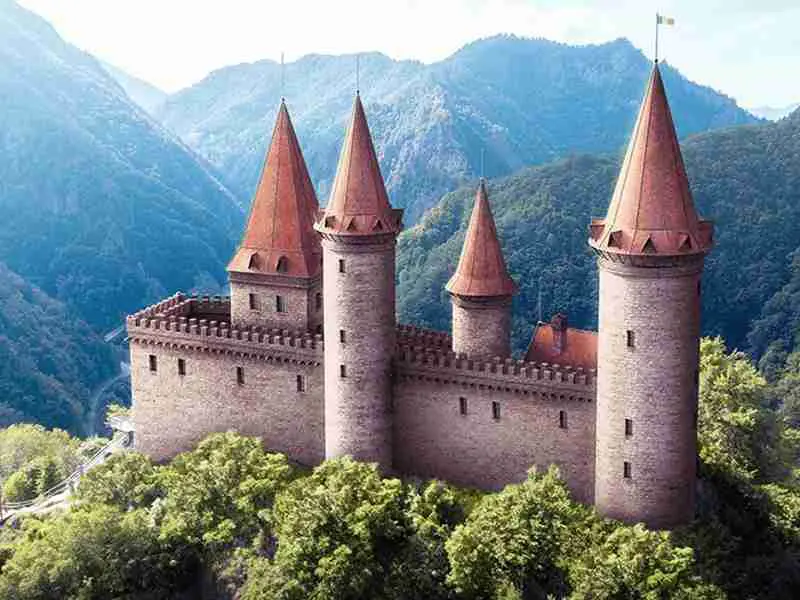
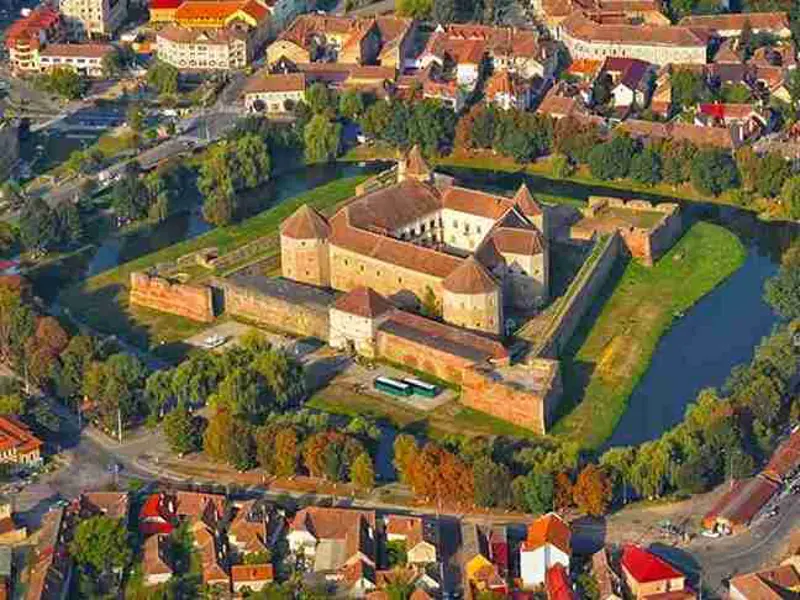
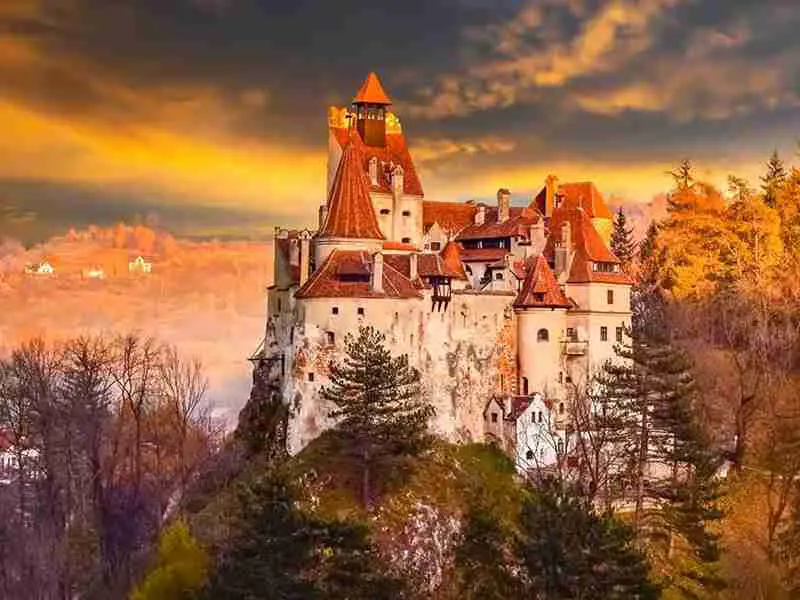
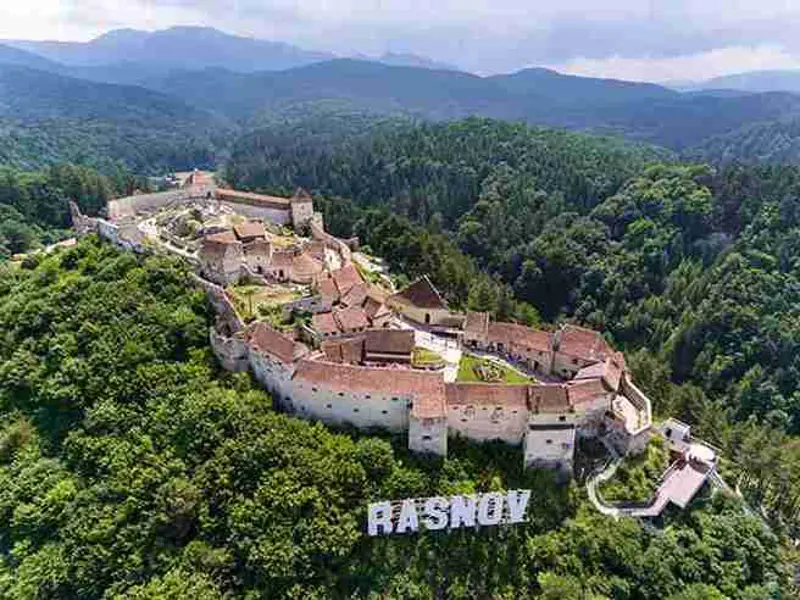
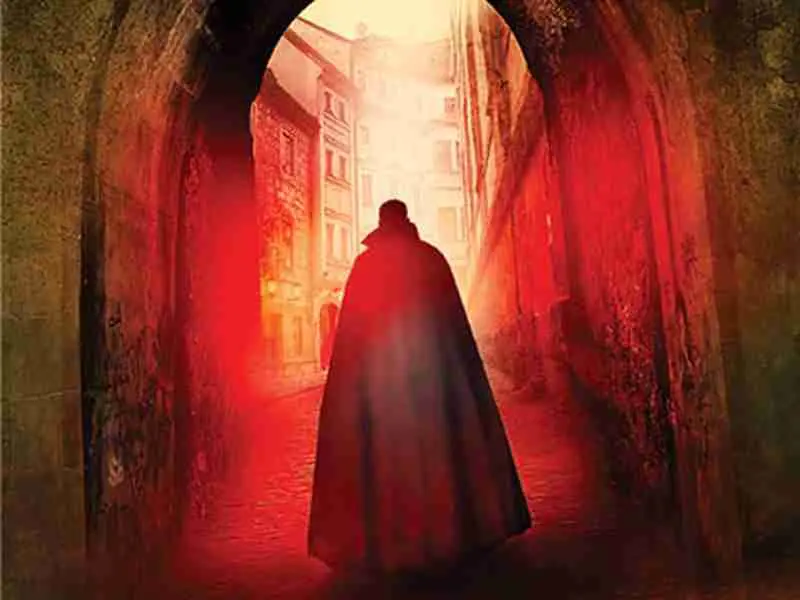
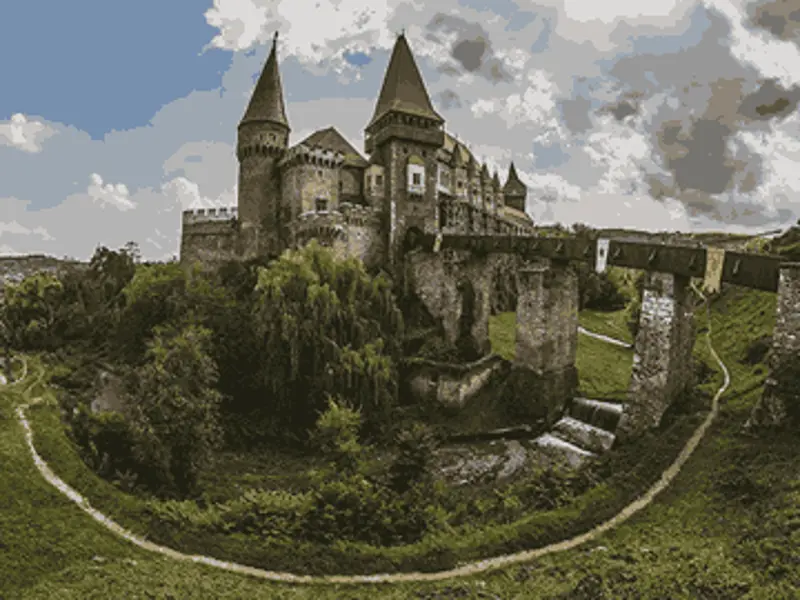
Modern cinema has adopted advanced visual techniques to bring new life to the legend. From atmospheric lighting to subtle digital effects, Dracula's image has been refined to create a balance between tradition and innovation. The sets inspired by medieval Transylvania are often combined with neo-Gothic aesthetics, which amplifies the atmosphere of mystery.
- Introduction of digital effects for transformations and night scenes.
- Emphasis on expressiveness of gestures and gazes.
- Use of cold colors to create the feeling of imminent danger.
Modern typologies of the Dracula character
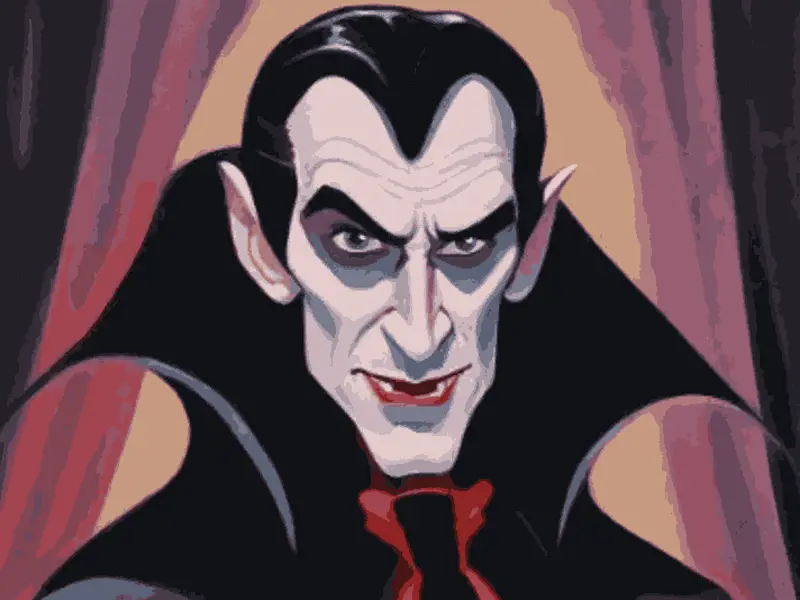
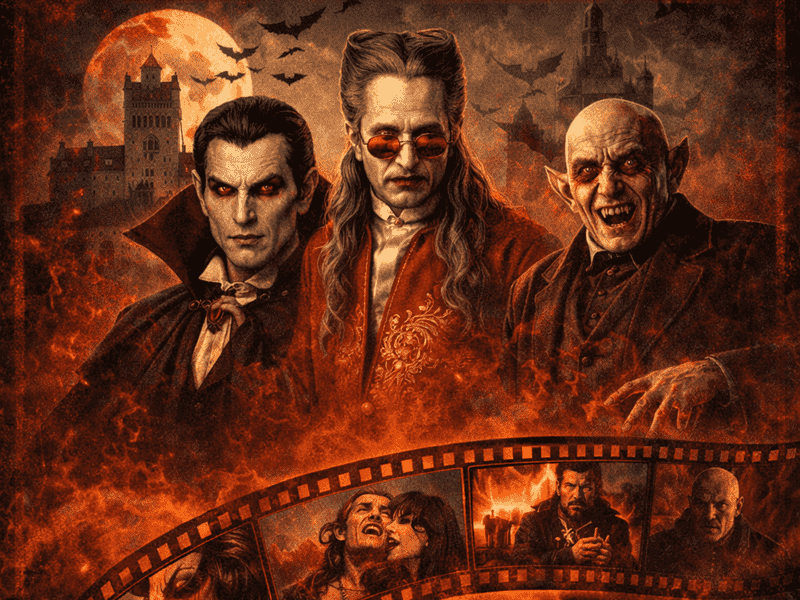
In recent movies, Dracula has appeared in a variety of guises, each reflecting the dilemmas and fears of contemporary society. Some productions present him as a tragic ruler, marked by personal loss, others as an almost mythological entity. The diversity of these versions shows the character's narrative flexibility, but also the constant fascination with the theme of immortality.
- Dracula as a tragic hero with deep motivations.
- Dracula as a symbol of dark seduction.
- Dracula as a timeless supernatural force.
How modern TV series influence the image of Dracula
With the rise of streaming platforms, series have begun to explore the myth in a broader and more detailed manner. Through long episodes and complex narratives, the character has the opportunity to be presented in depth, with an emphasis on his historical origins, emotional conflicts and the dynamics between him and the modern world. This form of cinematic expression contributes to his humanizationDracula, while still maintaining an aura of mystery.
Conclusion
Dracula continues to be reinvented in modern cinema because he represents an adaptable archetype, capable of reflecting the fears, curiosities and desires of each generation. From traditional aesthetics to sophisticated reinterpretations in contemporary films and series, the myth proves that there are no limits to how the story of the Transylvanian vampire can be told.