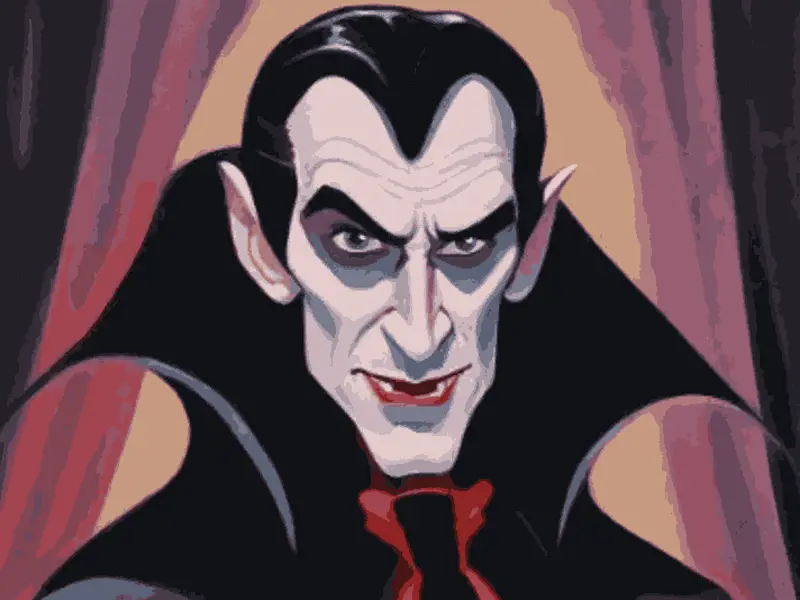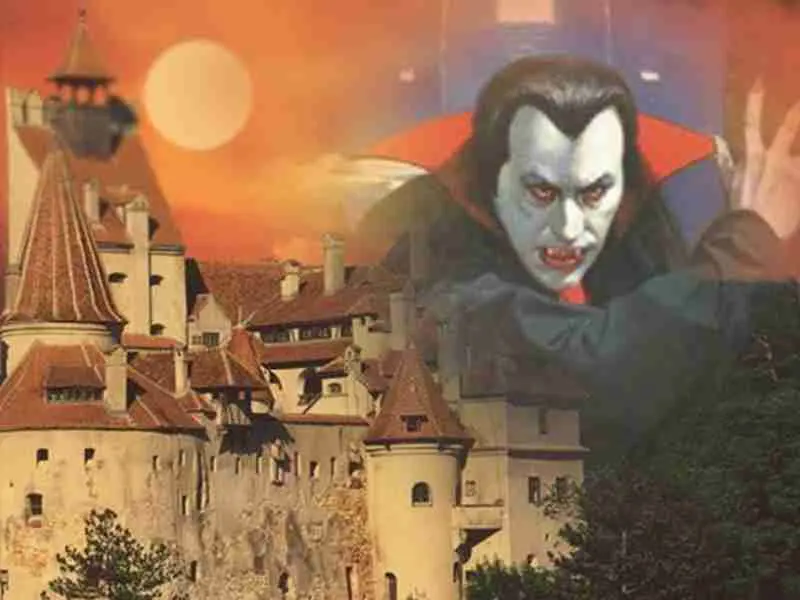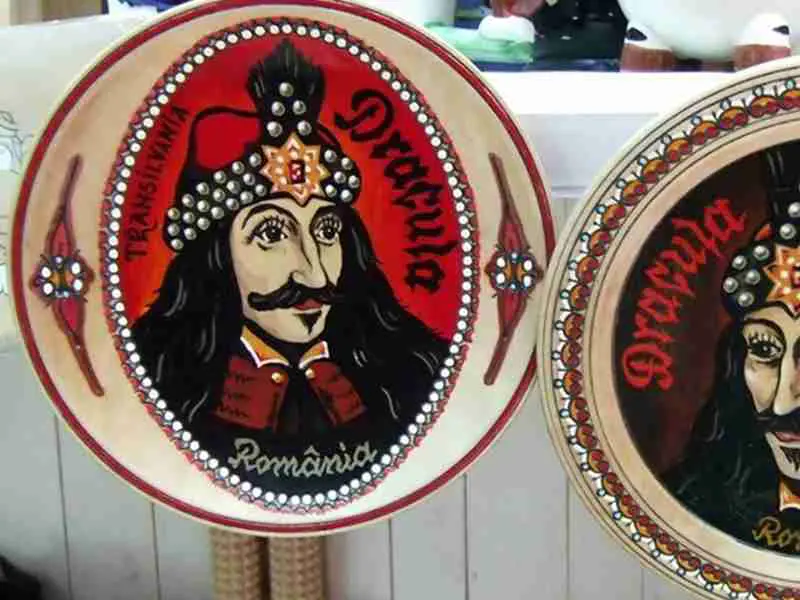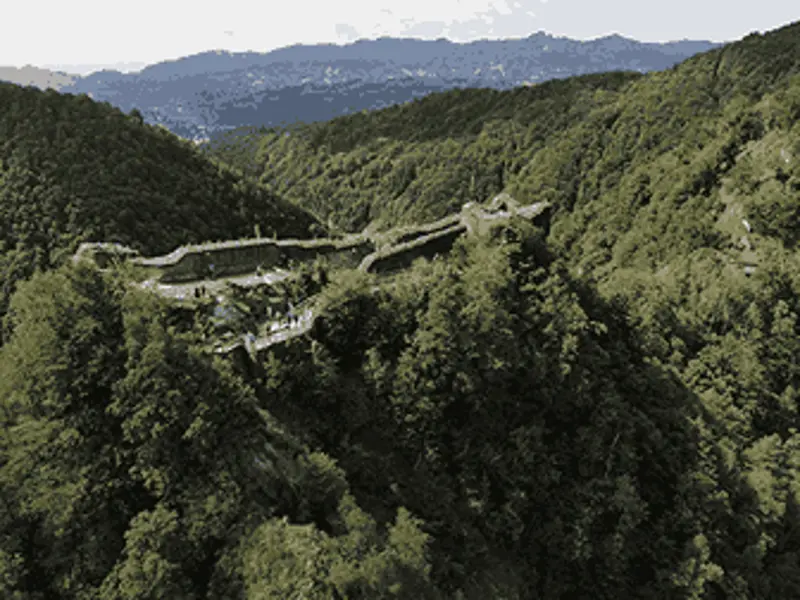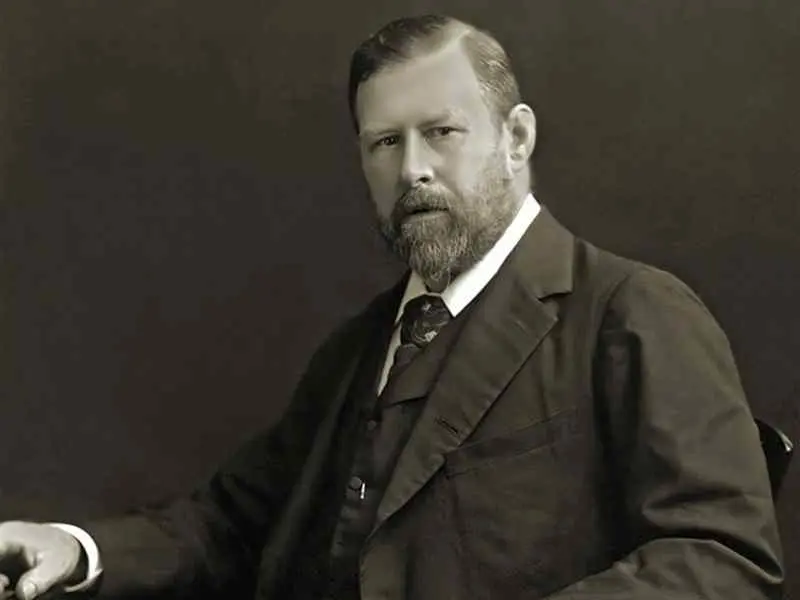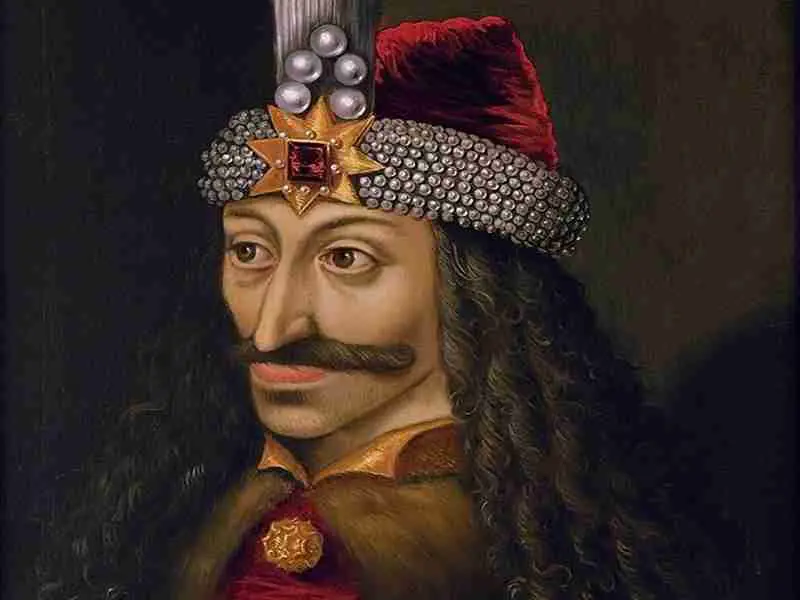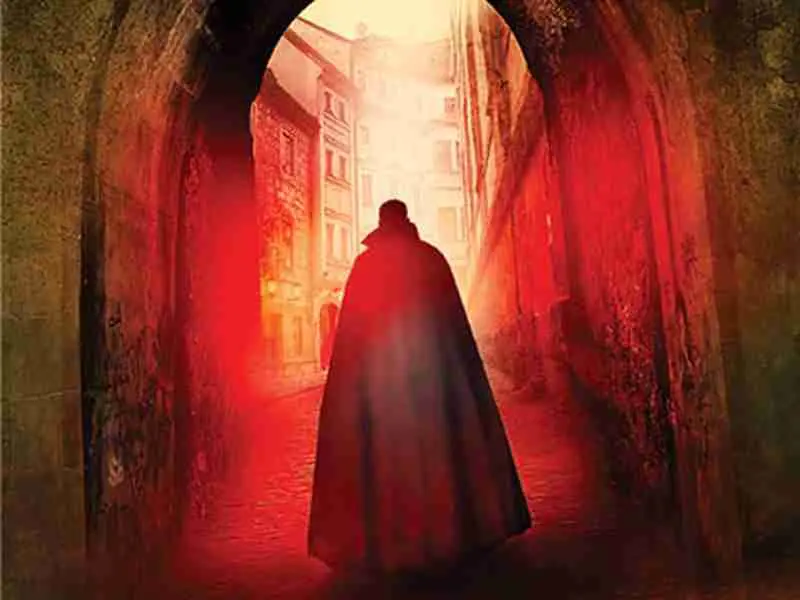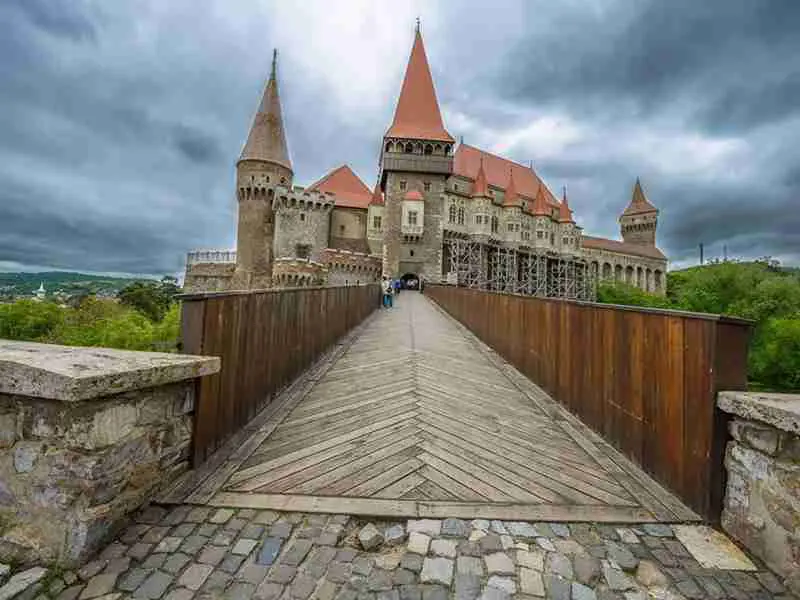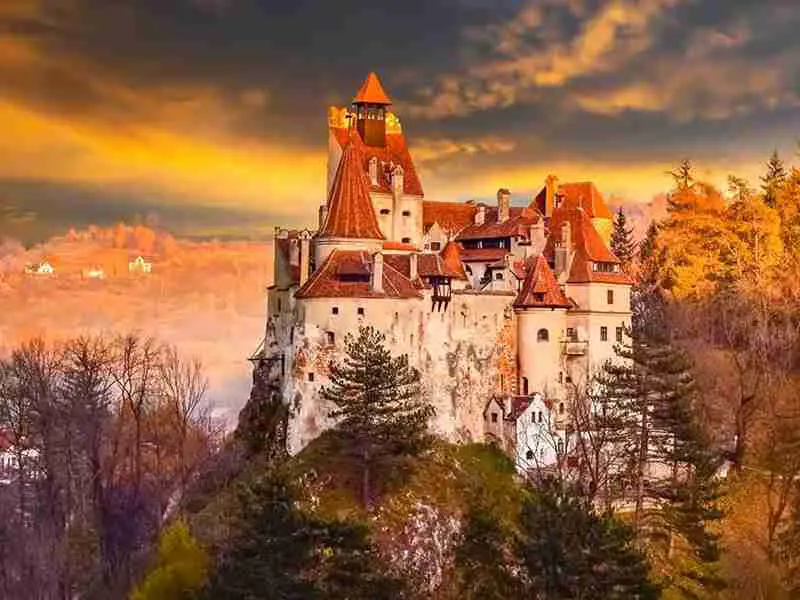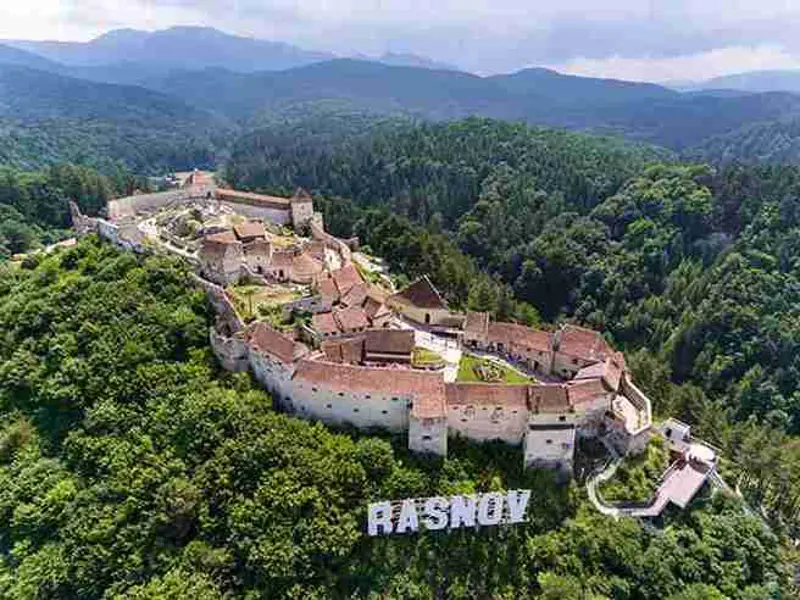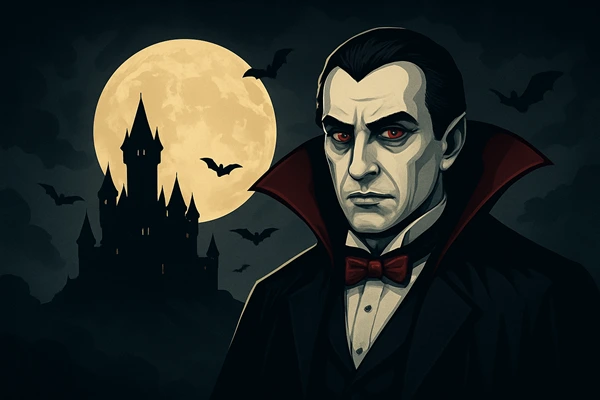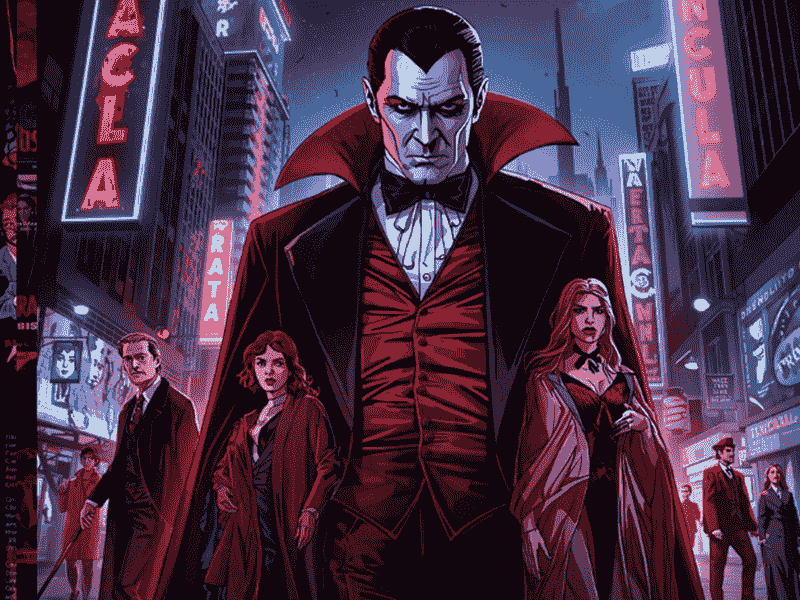
The figure of Dracula has become one of the most influential symbols in world cinema. Inspired by both the ruler Vlad Tepes and Bram Stoker's novel, the character has crossed eras, styles and reinterpretations that have consolidated his status as a cultural icon. From the silent films of the early 20th century to modern blockbusters, Dracula continues to fascinate through the mystery, duality and psychological complexity that each director brings to the forefront. International cinema has transformed the legend into a global phenomenon, adapted for each generation.
What are the major influences on cinematic representation?
- Bram Stoker's novel, which remains the main source for narrative and aesthetics
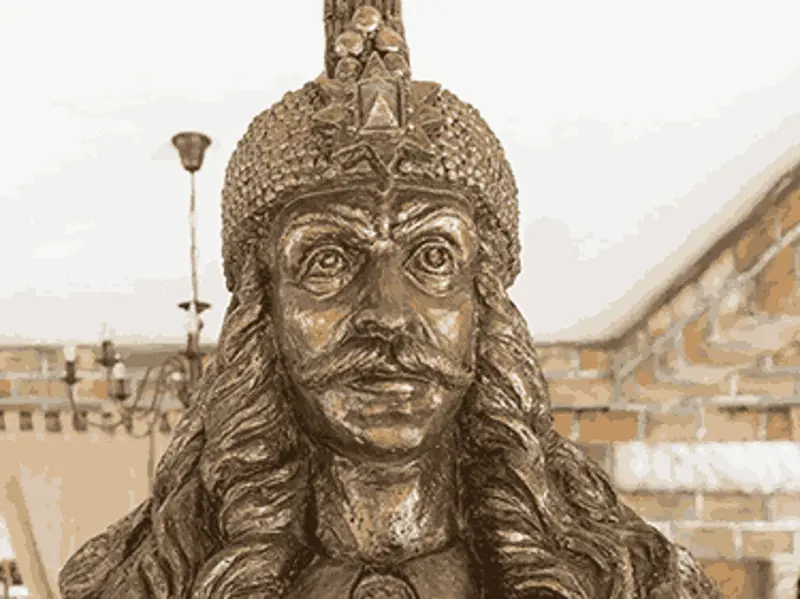
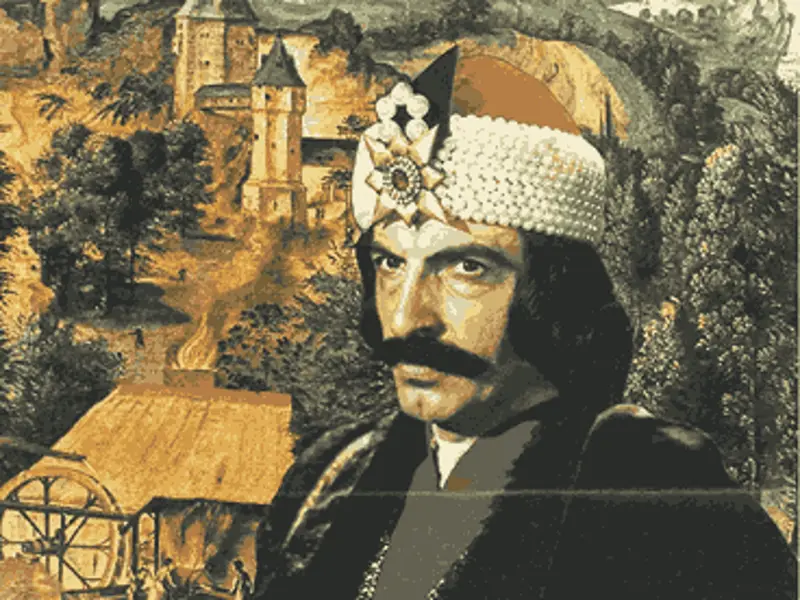
- The story of Vlad Țepeș, subtly integrated into certain productions
- German Expressionism, visible in the first silent films
- Hollywood trends in horror cinema
- Modern reinterpretations focused on psychology and relationships
What are the essential films that defined the image of Dracula?
- Nosferatu (1922) – first unofficial adaptation, iconic expressionist aesthetic
- Dracula (1931) with Bela Lugosi – the classic image of the aristocratic vampire
- Horror of Dracula (1958) with Christopher Lee – intense and gothic reinterpretation
- Bram Stoker’s Dracula (1992) by Francis Ford Coppola – romantic and visually spectacular version
- Dracula Untold (2014) – emphasis on heroic origins inspired by Vlad Tepes
- The Last Voyage of the Demeter (2023) – a new perspective on the Captain’s Path
What themes are frequently addressed in Dracula films?
- The struggle between good and evil, reflected through the duality of the character
- Seduction, power and immortality
- Isolation and the tragedy of eternity
- The conflict between myth and historical reality
- The longing for humanity, present in modern adaptations
Why does Dracula fascinate generation after generation?
- It is an archetypal symbol of mystery and fear
- It can be reinterpreted depending on the era and artistic style
- It combines real history with fantastic mythology
- It resonates with universal themes such as love, power and death
- It has a strong visual impact, perfect for cinema
Conclusion
Dracula remains one of the most versatile and fascinating figures in cinema. Each adaptation brings a new perspective on the myth, solidifying his place in global culture. Far from losing his charm, the character continues to inspire directors, actors and audiences around the world, promising new interpretations in the years to come.