The origin of the cinematic representation of Dracula
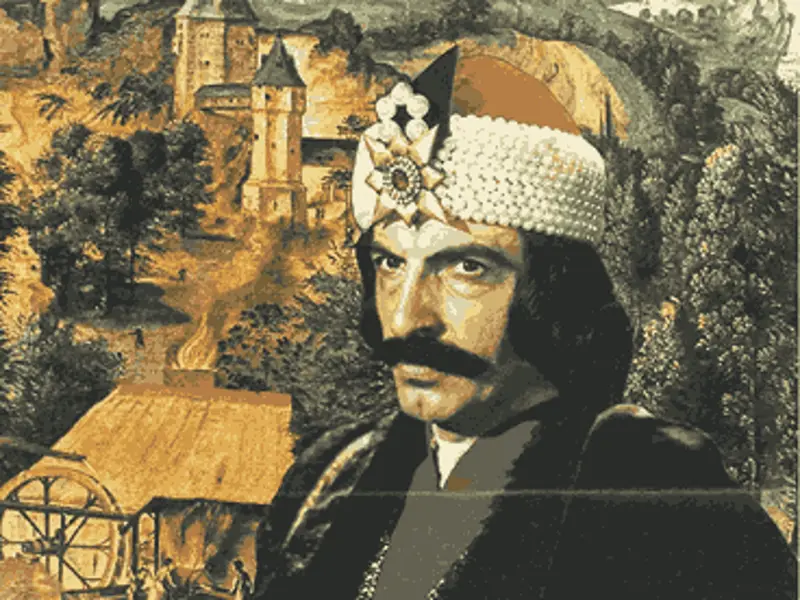
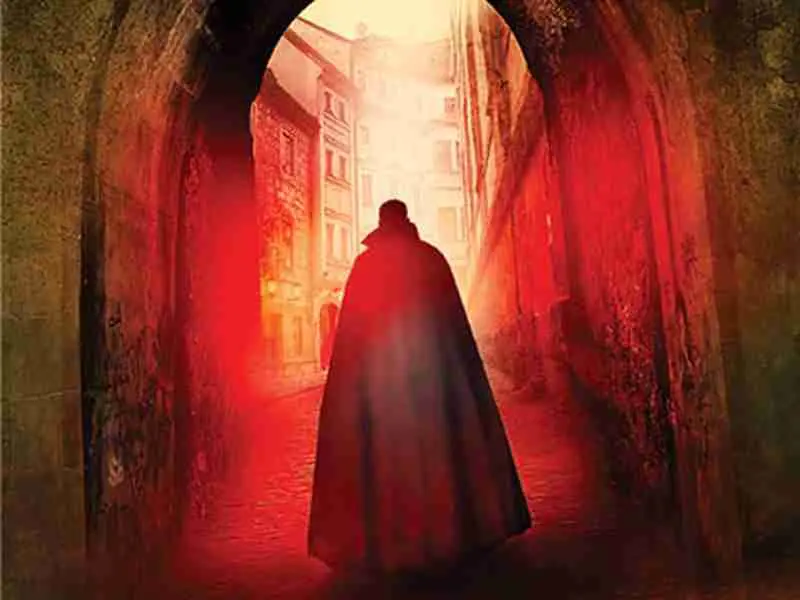
With the rise of silent film, the image of Dracula quickly entered global visual culture. The earliest portrayals were shaped by German Expressionism, a dark and dramatic style that defined the way audiences would perceive vampires for decades. The impact of these productions on cinema was enormous, as they established the iconic elements — the tall silhouette, the rigid gestures, the harmony between mystery and fear — transforming Dracula into a universal symbol of the supernatural.
How the vampire figure evolved in later films
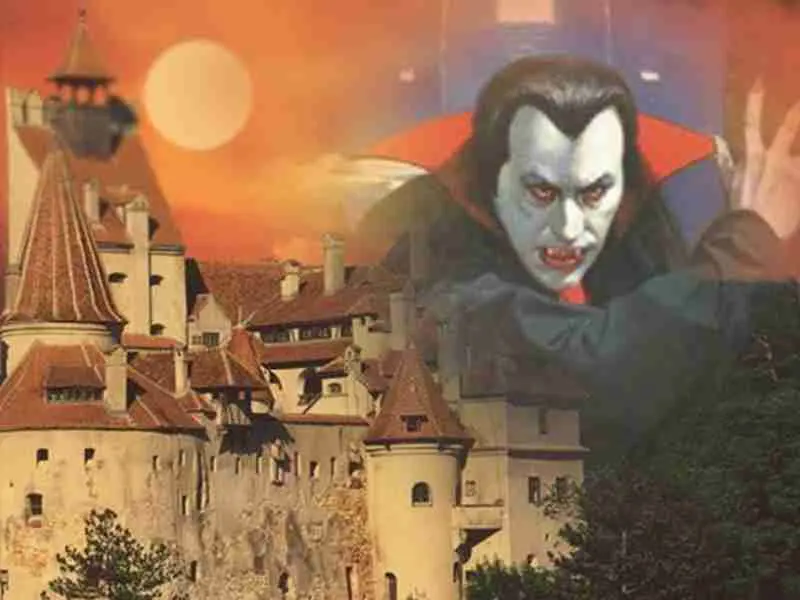
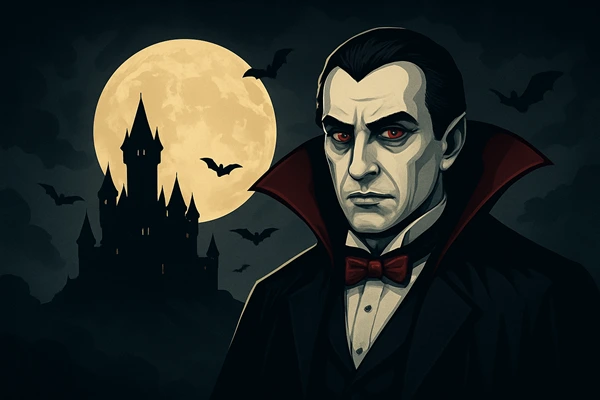
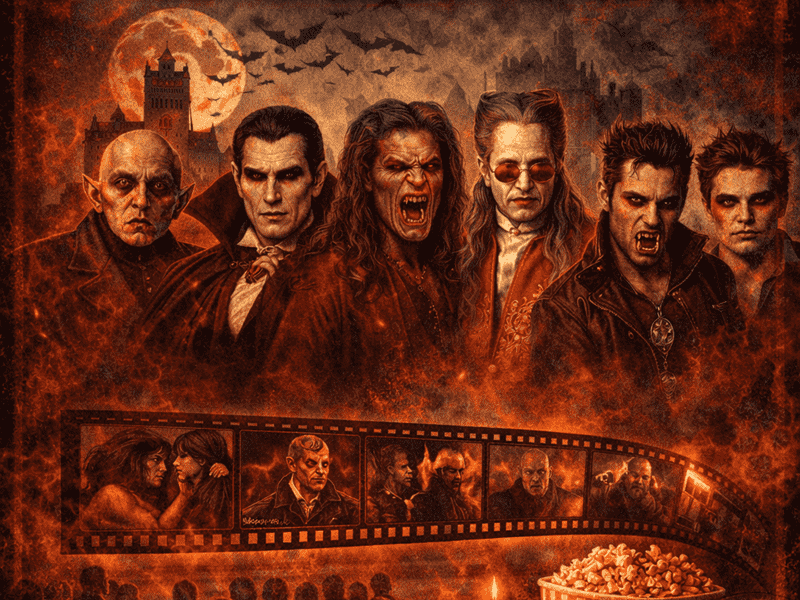
Throughout the 20th century, Dracula became a character constantly reinterpreted. Some films transformed him into a seductive aristocrat, others into a monstrous creature, and modern productions emphasized his psychological side. This evolution reflected the concerns of the era: the fear of the unknown, the fascination with medieval legacies, the conflict between reason and myth.
- Films from the 1930s emphasized aristocratic elegance.
- Productions from the 1950s–1970s added violence and emotional drama.
- Modern interpretations explore trauma, identity, and dark symbolism.
Why Dracula remains such a popular character in cinema
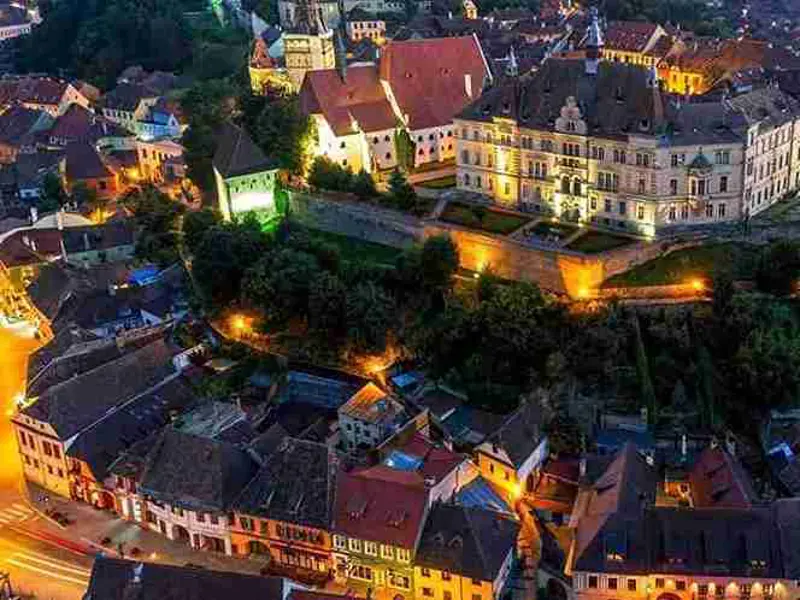
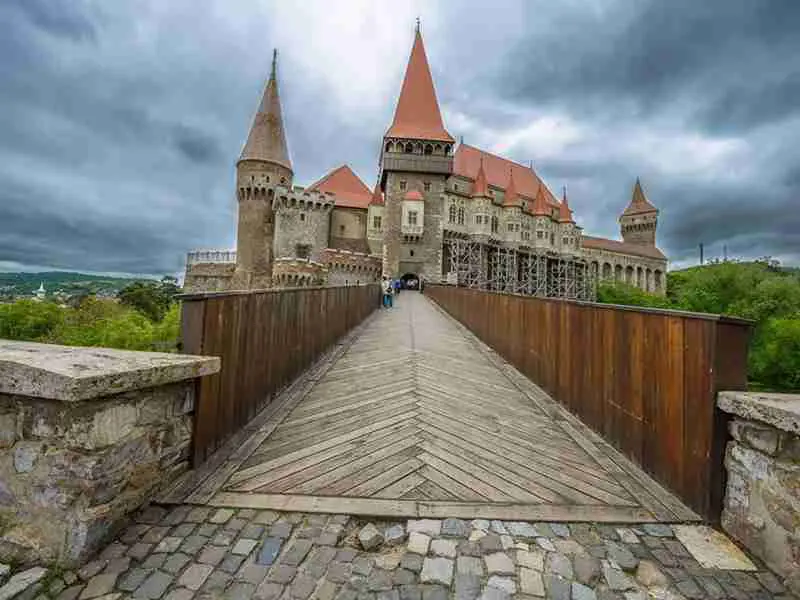
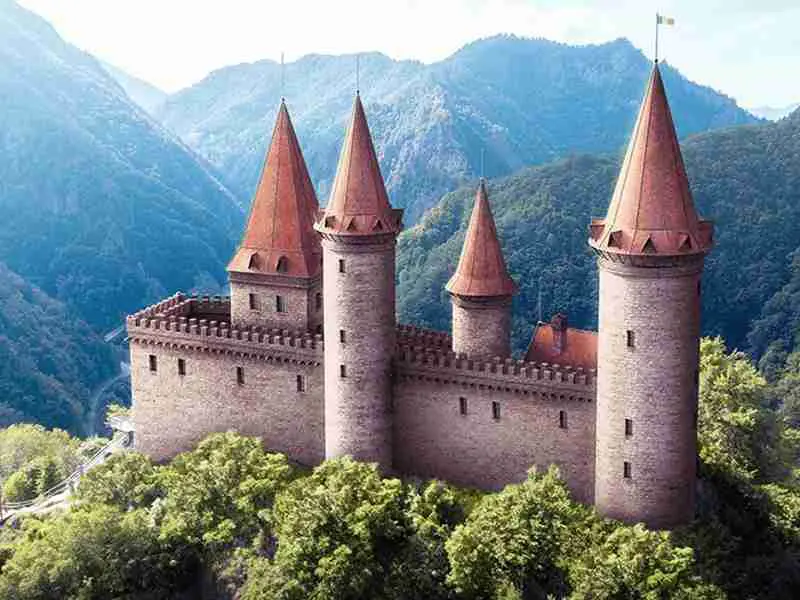
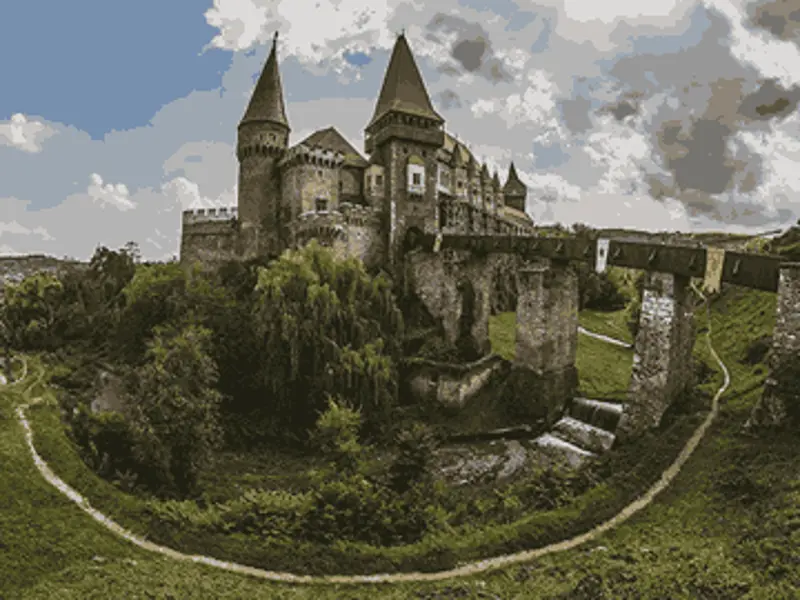
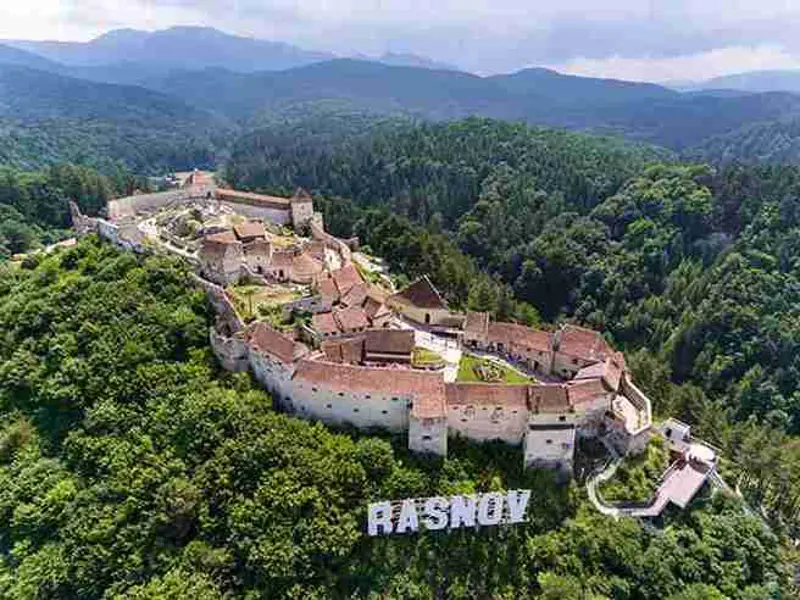
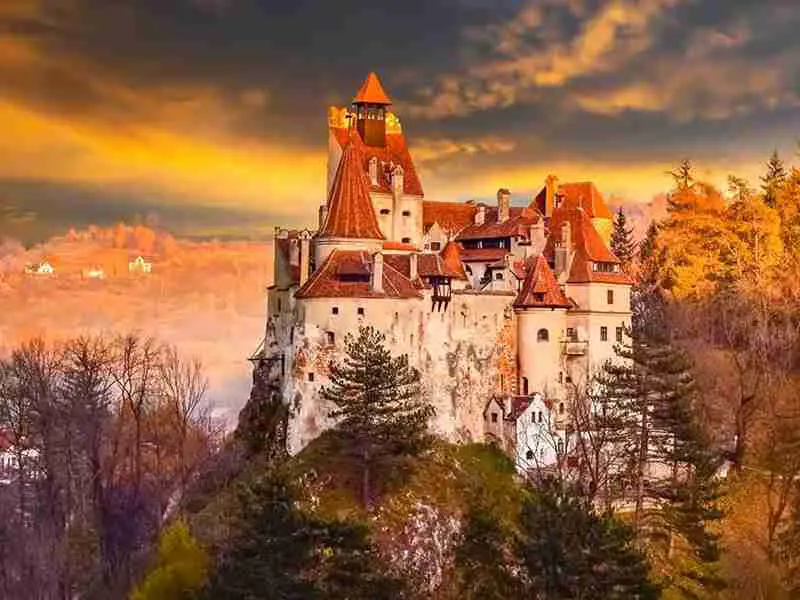
Dracula's popularity in cinema is due to his versatility. The character can be simultaneously mysterious, seductive, tragic and terrifying. Directors use his figure to explore themes such as immortality, the fear of death, power over others, but also moral conflicts. In addition, the Gothic aesthetic and Transylvanian-inspired sets provide a spectacular visual backdrop, ideal for impressive cinematic productions.
The influence of Dracula films on visual culture
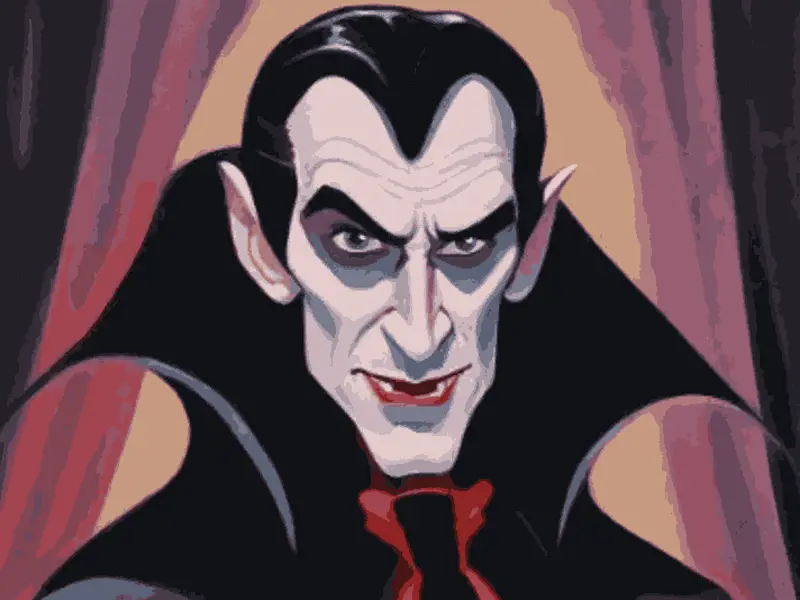
Dracula films have had a massive influence on fashion, art, literature and music. The character has become a visual archetype: the black cloak, the isolated castle and the nocturnal atmosphere are elements adopted in countless subsequent productions. In addition, modern cinema uses advanced technology to create increasingly elaborate versions of the vampire myth, preserving the archaic essence but adapting it to contemporary sensibilities.
Conclusion
Dracula remains one of cinema's most fertile figures, a character who transcends eras, styles, and generations. Whether he appears as an ancestral monster or an enigmatic aristocrat, he continues to fascinate audiences, proving that powerful myths never age—but reinvent themselves to reflect the fears and desires of each era.