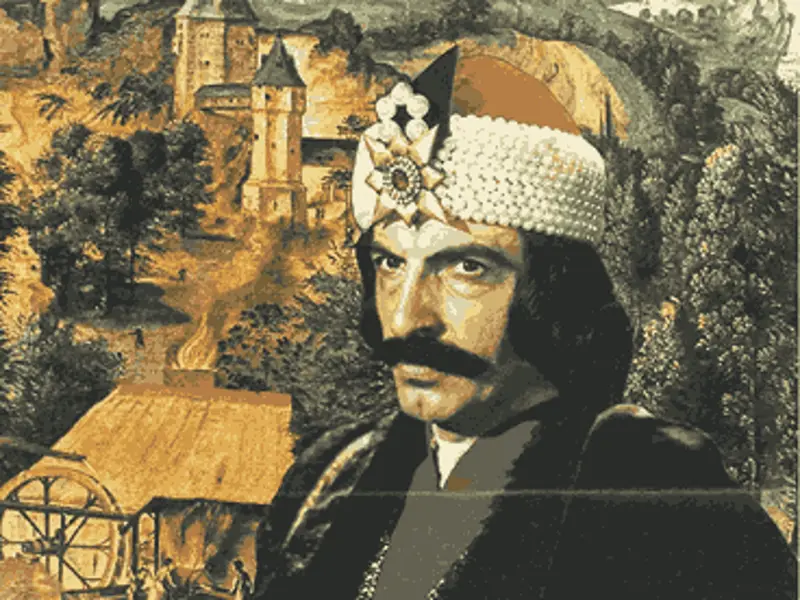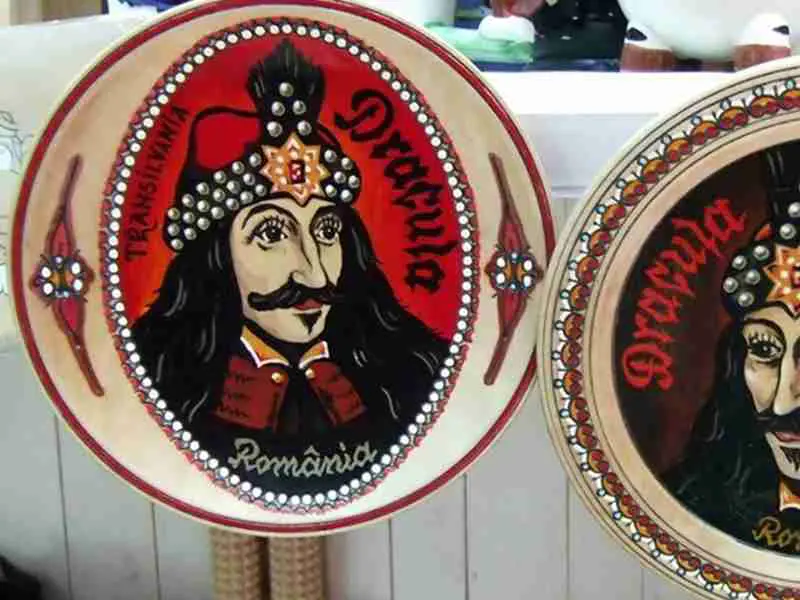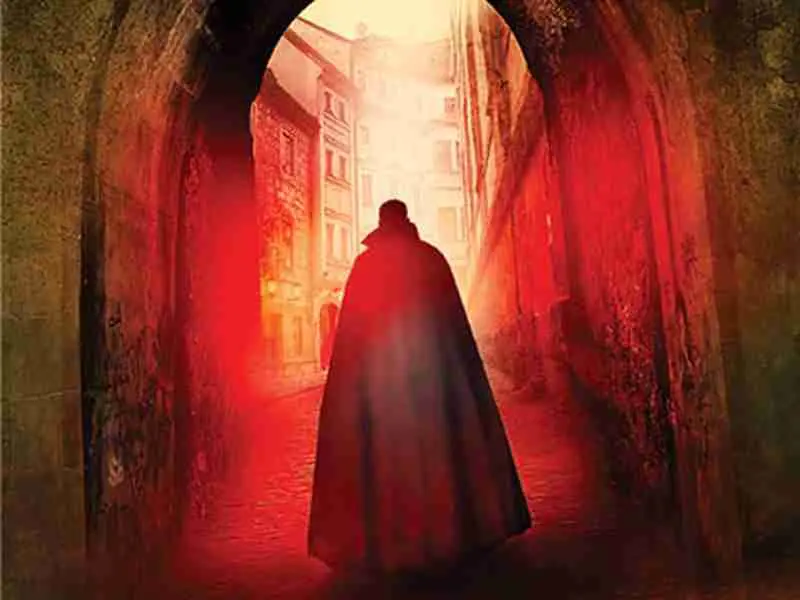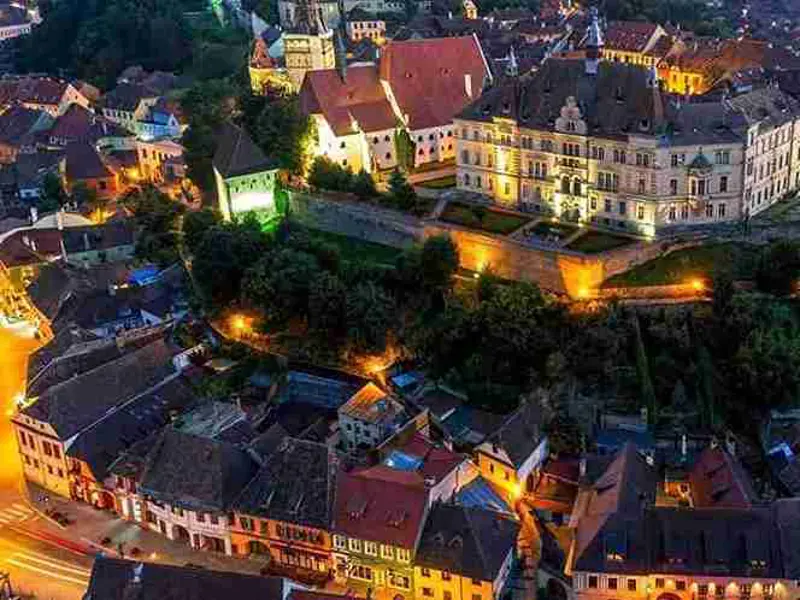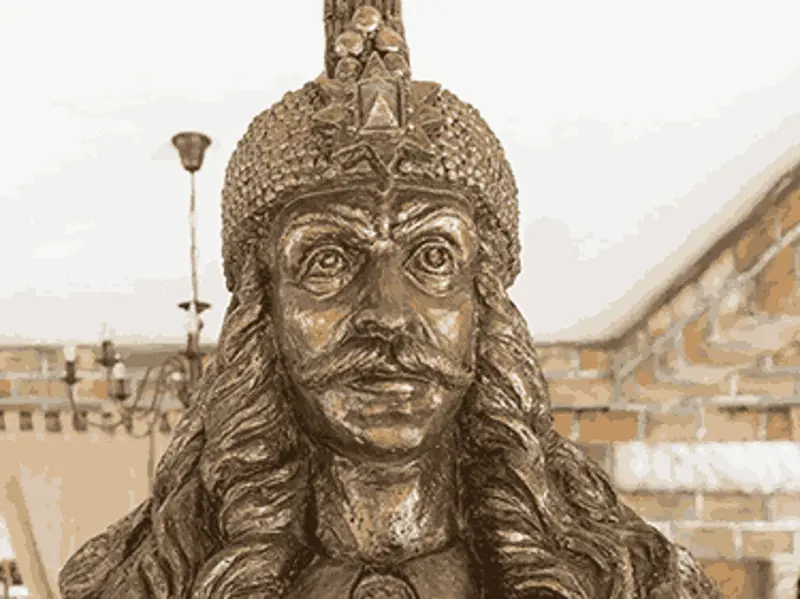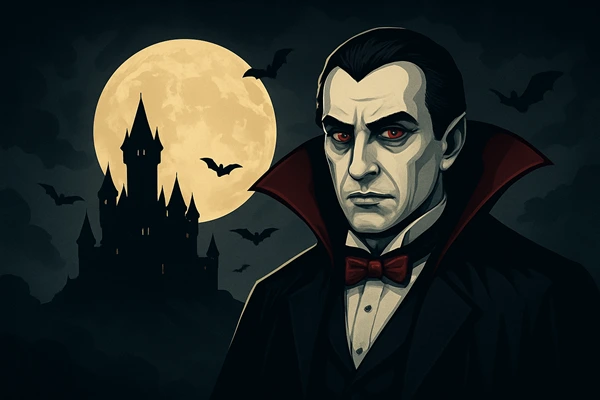
The mythological figure of Dracula did not emerge overnight, but is the result of a complex mix of ancient beliefs, collective fears and stories passed down from generation to generation. Although often associated with the historical figure Vlad Țepeș, the myth of Dracula draws its essence from folkloric traditions about strigoi, moroi, wandering spirits and creatures that fed on human energy or blood. In the Romanian rural imagination, these entities represented an explanation for incomprehensible phenomena, mysterious diseases and the fear of death. Over time, ancient symbols and fears were reinterpreted, shaping a character that would become universal.
What folkloric creatures inspired the myth of Dracula?
- Strigoi – restless spirits of the dead who returned among the living
- Moroi – vampiric beings who fed on the vitality of people
- Pricolici – hybrid creatures, half man, half beast
- Vârcolaci – beings who devoured the moon or sun in folk mythology
- Local demons – entities that caused nocturnal fears and unexplained illnesses
What symbols influenced the mythological image of Dracula?
- The wolf – associated with power, transformation and danger
- The night – the space where the unknown and fear manifest
- Blood – symbol of life, but also of the connection with the afterlife
- Fire – purification and protection against evil spirits
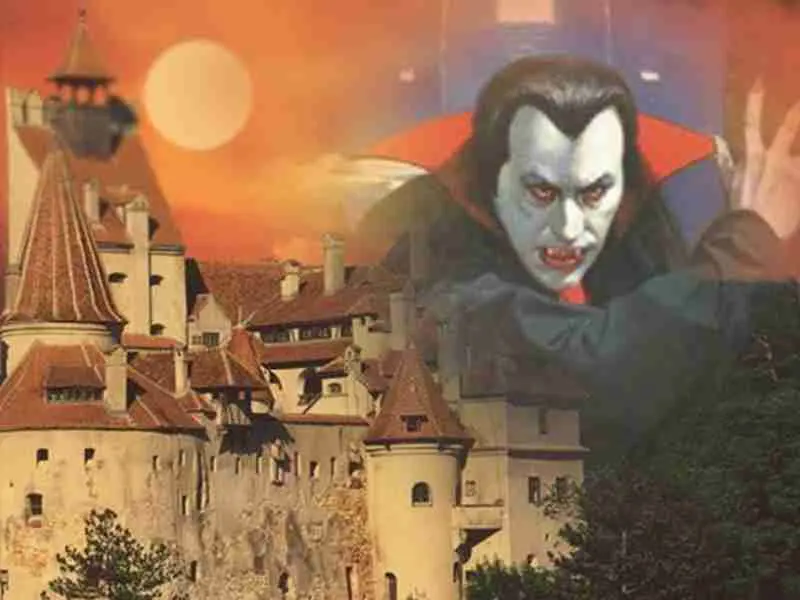
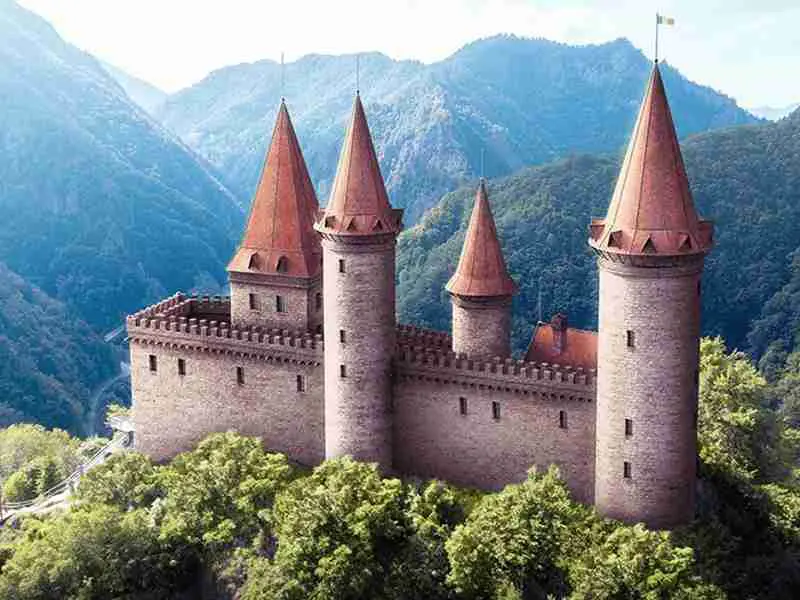
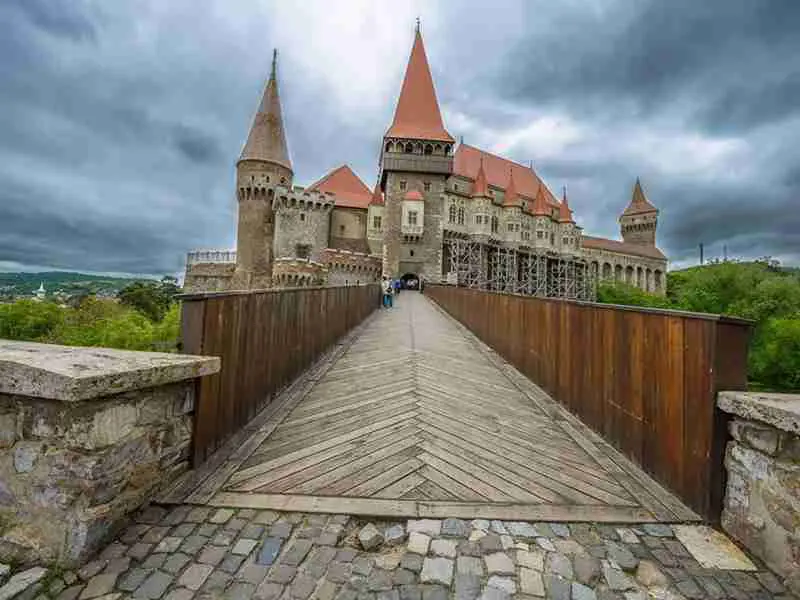
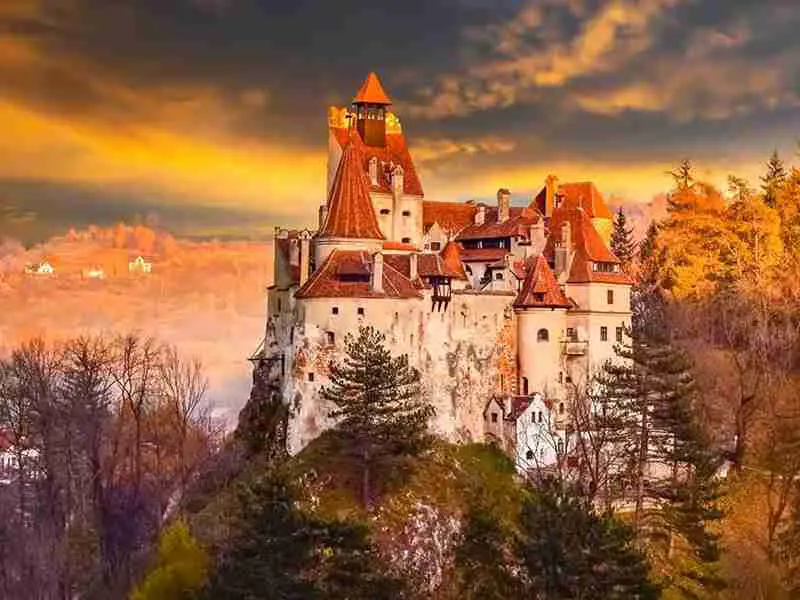
- The castle – a place of mystery, isolation and dark force
In what contexts did the entities associated with vampirism appear?
- On full moon nights, when the border with the spirit world was believed to be fragile
- In villages where unexplained deaths or unusual illnesses occurred
- After funerals, when traditions were not properly observed
- In families over which a "cursed legacy" hung
- In isolated areas, where stories survived unaltered
Why were vampiric creatures feared?
- They were believed to be able to extract life energy
- They were associated with unexplained death
- They caused insomnia, nightmares, and physical weakness
- They symbolized the break between the world of the living and the world of the dead
- They represented the collective fear of the unknown
How did the mythological legend of Dracula emerge?
- It was influenced by folk tales about the undead
- It took on symbols of death and rebirth
- It integrated elements from apotropaic rituals
- It was reinterpreted by Gothic and Romantic literature
- It became a global cultural symbol through modern adaptations
Conclusion
The mythology of Dracula is a complex universe, built from successive layers of beliefs and folk tales. Each entity, symbol or ritual has contributed to the formation of a supernatural image that goes beyond the simple literary vampire. Dracula is, in essence, an archetype: an embodiment of the fear of death, the unknown and the dark forces that haunt the collective soul of humanity. And this mythological legacy continues to fascinate, evolving with the modern imagination.