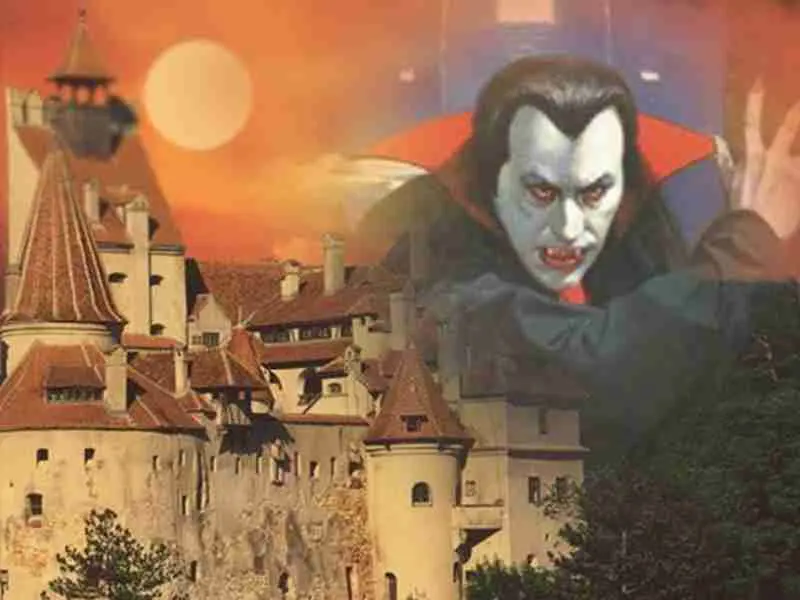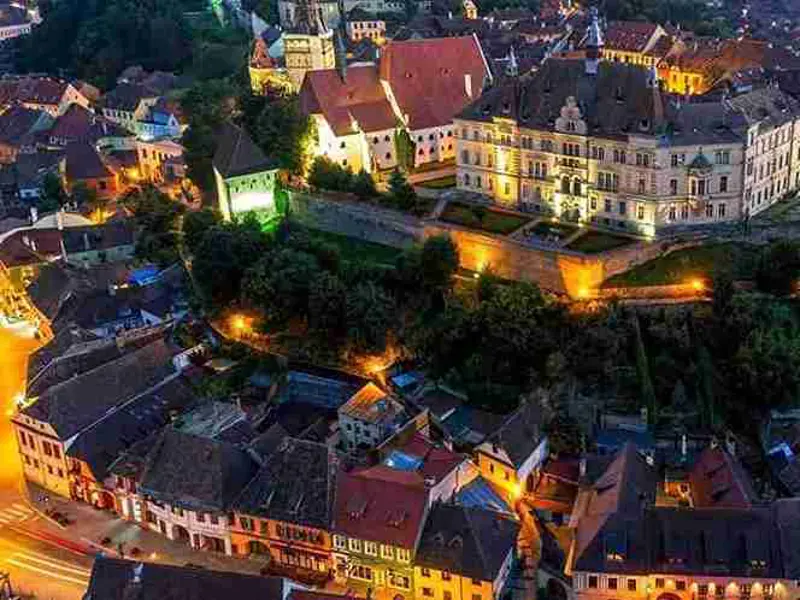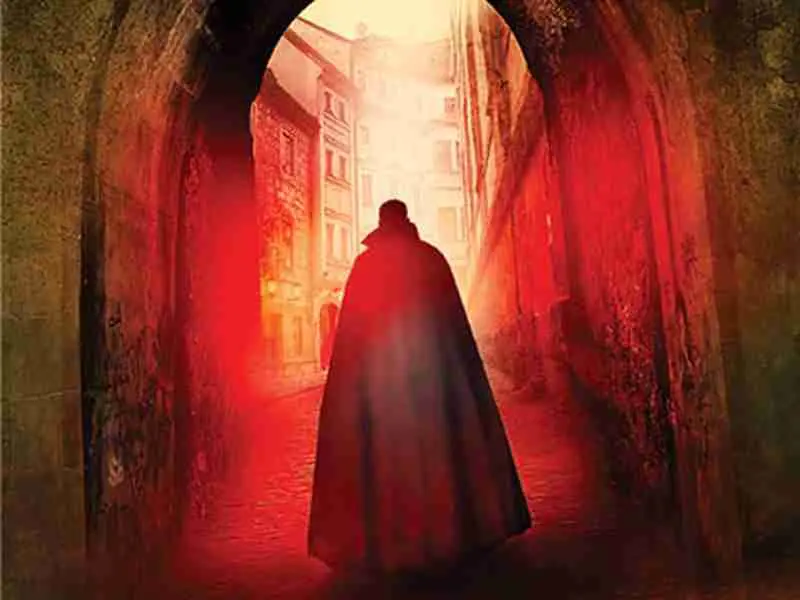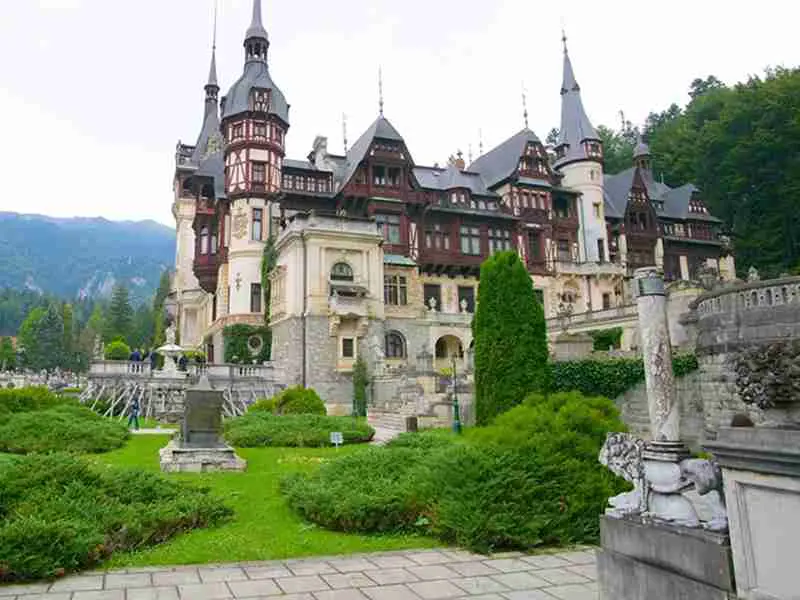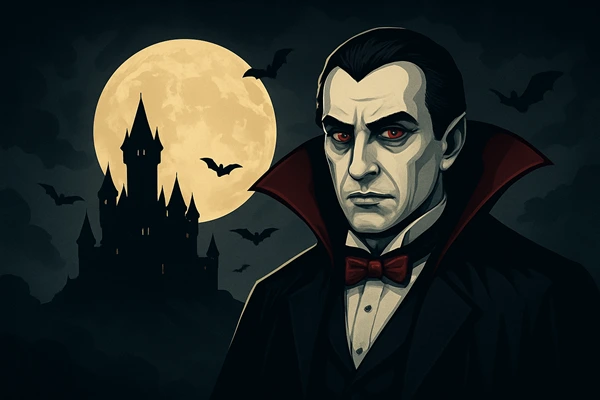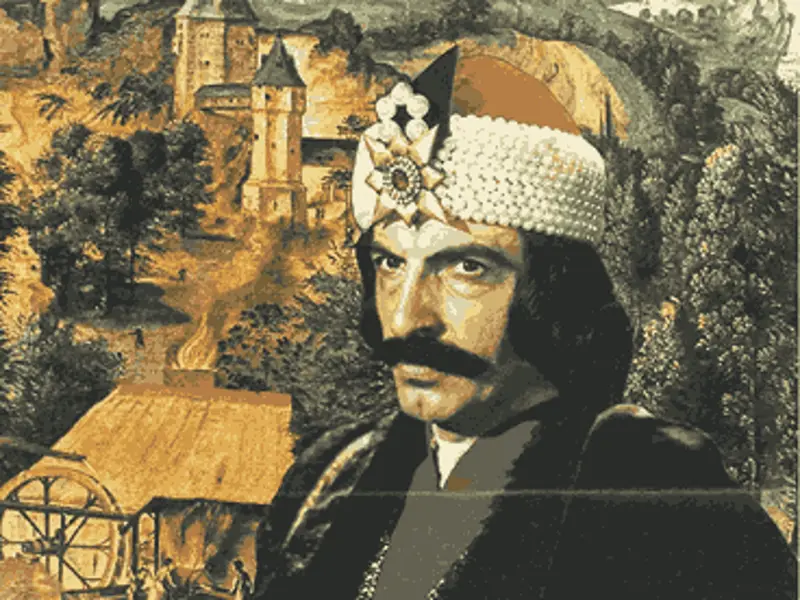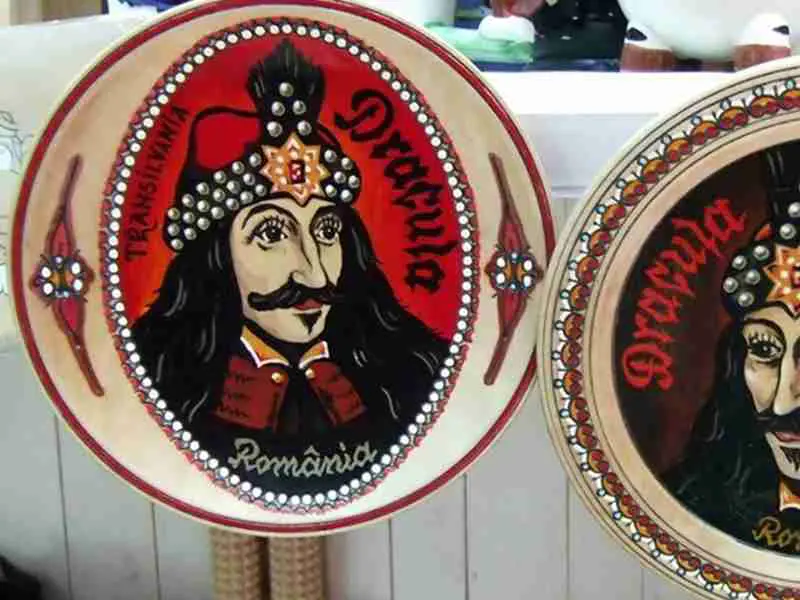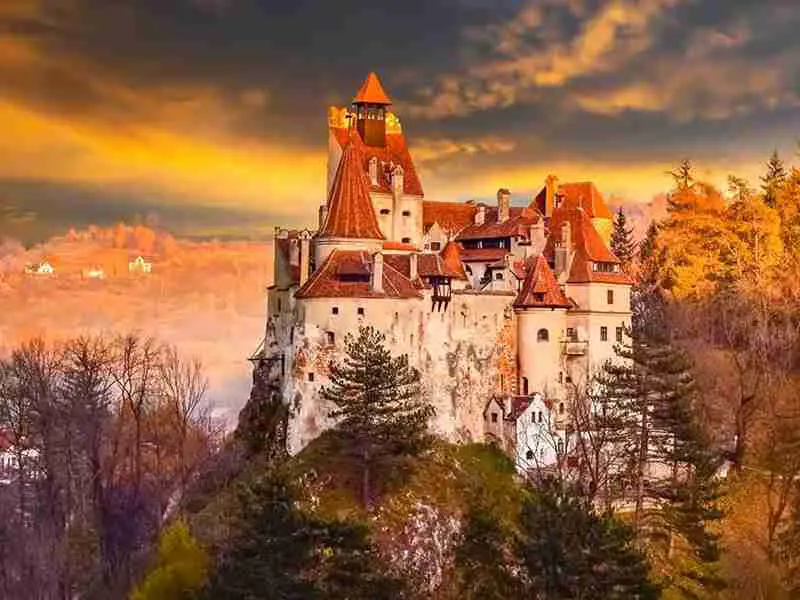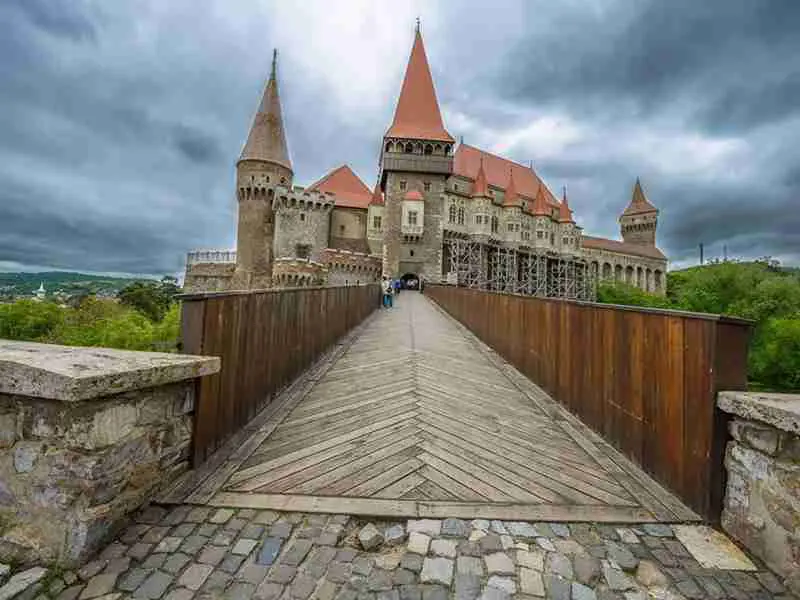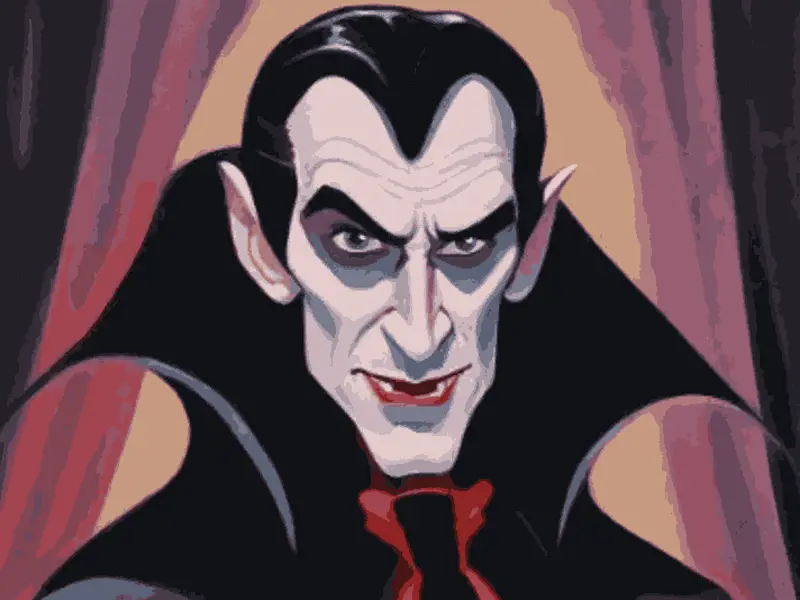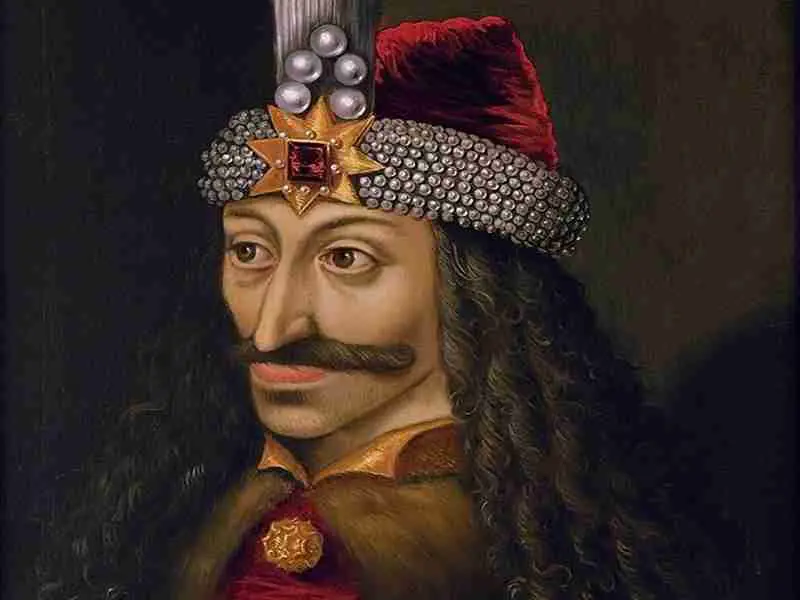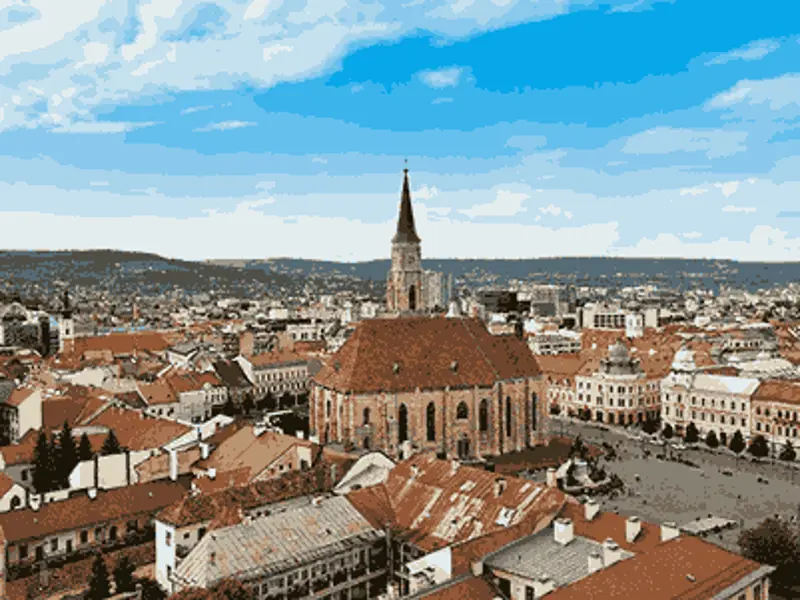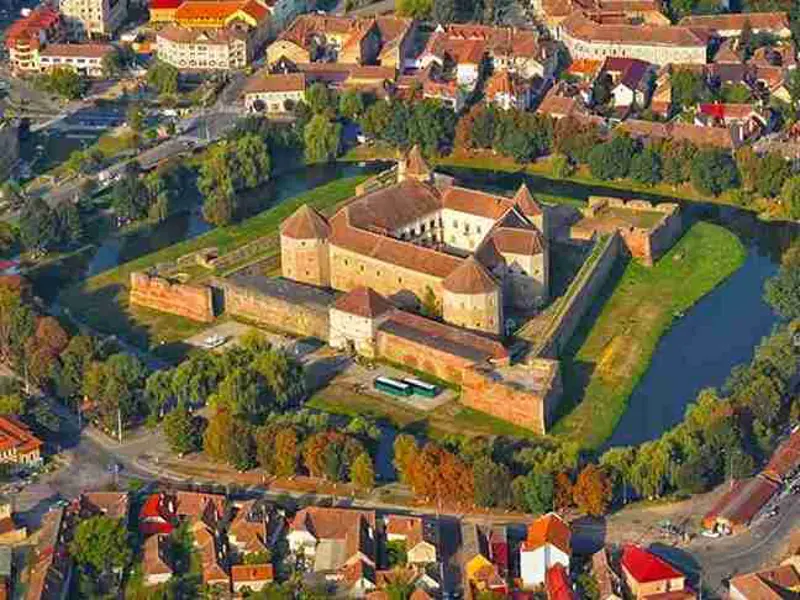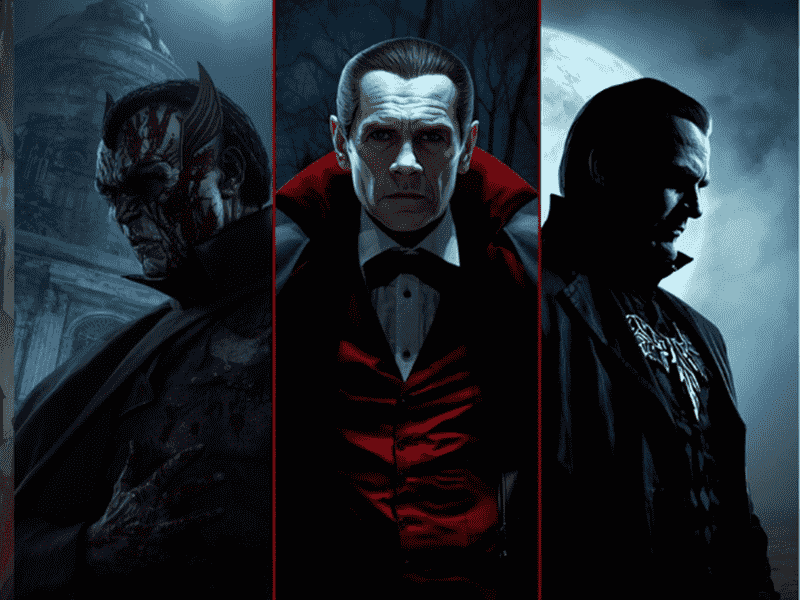
The character of Dracula has become a mirror of the transformations in cinema and culture. In over a hundred years of film history, the vampire inspired by legend and the figure of Vlad the Impaler has gone through radically different reinterpretations: grotesque monster, seductive aristocrat, tragic antihero or symbol of modern isolation. Each era has projected its own fears and fascinations onto this character, making Dracula one of the most enduring figures in the history of international film.
What styles of Dracula have appeared in cinema?
- Monstrous Vampire – inspired by expressionism, with inhuman features
- Seductive Aristocrat – the classic image popularized by Hollywood
- Tragic Figure – introduced in modern adaptations, with an emphasis on suffering
- Warrior – present in films that explore historical origins
- Symbolic Creature – used in feature or independent films
How has the image of Dracula evolved over time?
- 1920s–1930s – somber atmosphere, influence of silent film and theater
- 1950s–1970s – gothic tone, emphasis on horror and visual expressiveness
- 1990s – romantic and complex aesthetic reinterpretations
- 21st century – exploration of vampire psychology and identity
What are the defining cinematic elements for Dracula?
- Elegant costumes or medieval details, depending on the style of adaptation
- Gothic atmosphere, achieved through light, color and sets
- Dramatic music, present in most period productions
- Slow narrative rhythm, specific to classic films, or modern dynamics
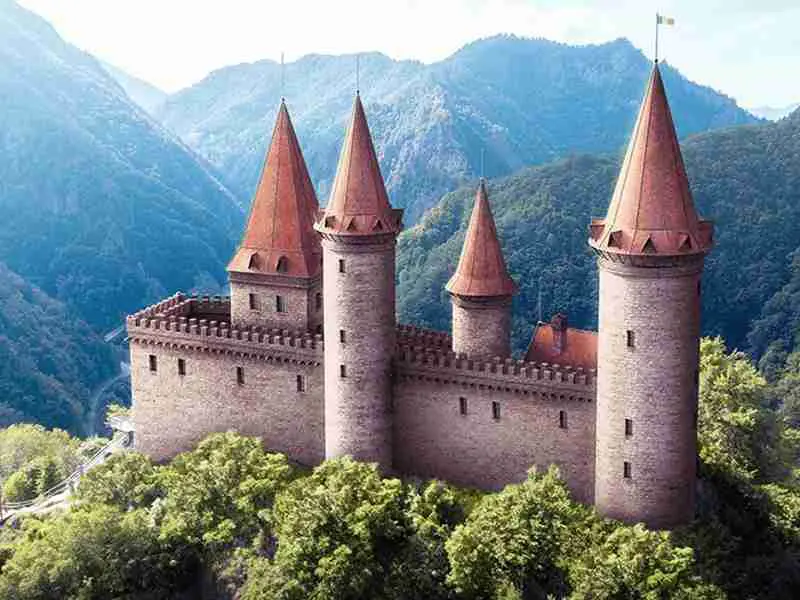
- Symbolism: blood, the castle, immortality and temptation
Why does Dracula continue to be reinterpreted?
- Myth allows for unlimited combinations of history and fiction
- The character can be adapted for any cultural audience
- It offers spectacular visual opportunities
- It resonates with universal themes: fear, love, power, death
- Audiences are always drawn to gothic and symbolic stories
Conclusion
Dracula's cinematic transformations mirror the evolution of film itself. From the early silent films to modern big-budget productions, the character has been adapted to suit the sensibilities of each generation. This flexibility, combined with the mystery and charisma of the myth, guarantees that Dracula will continue to appear on screens long into the future, in an ever-reinvented form.