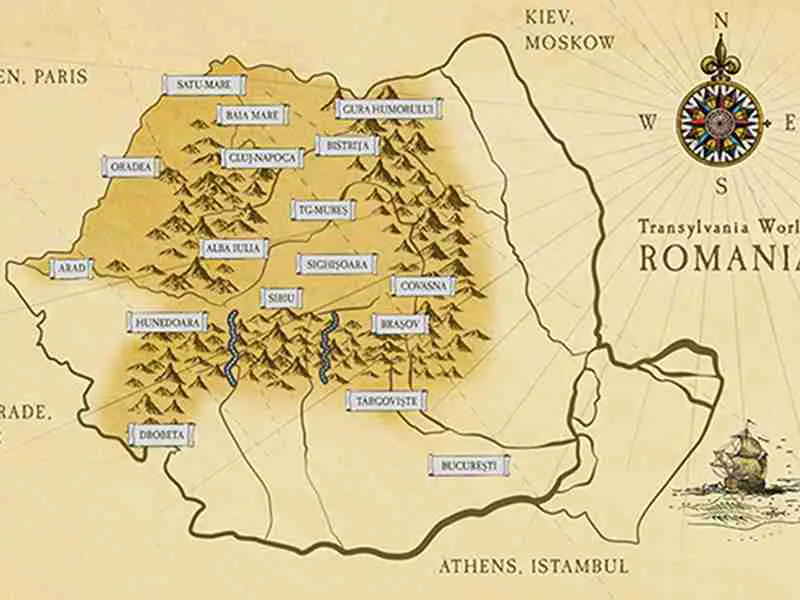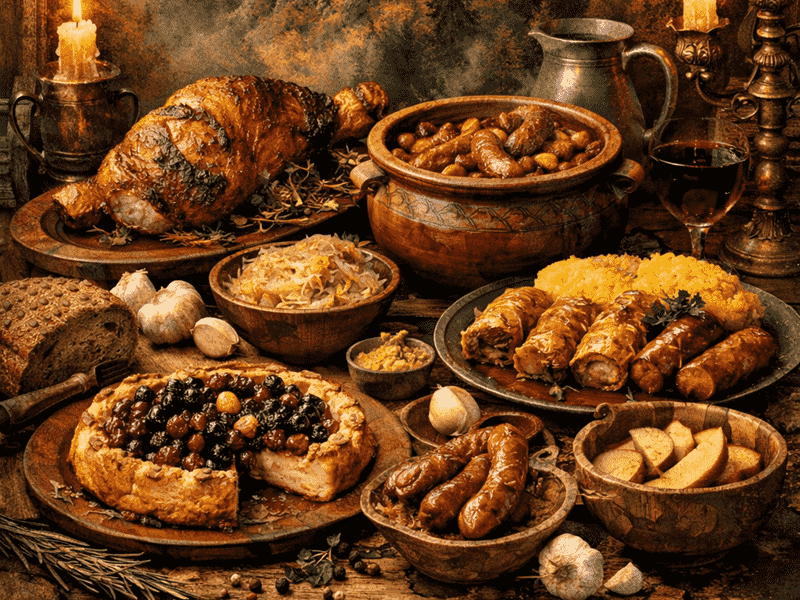
Medieval Transylvanian cuisine is full of flavor, tradition and diverse cultural influences, from simple Dacian dishes to the flavors brought by the Saxons and the rich recipes of the Hungarian nobility. Dishes were cooked with local ingredients, using old techniques, where open fire, smoking and rare spices played a central role. Medieval recipes of Transylvania preserve the authentic taste of an era when meals were ritual moments, and each dish had a meaning associated with health, protection or abundance. Today, these recipes are reinterpreted, but remain a symbol of the culinary identity of the region.
What were the basic ingredients in medieval cuisine?
- Boar, beef and poultry
- Root vegetables such as carrots, turnips, parsnips
- Garlic and onions used in aromatic combinations
- Rare spices: pepper, saffron, cinnamon
- Honey – the main sweetener of the era
What traditional dishes were cooked in the castle?
- Roast wild boar with berry sauce
- Thick meat and vegetable soup
- Savory cheese and herb pies
- Bread baked on stone or in clay ovens
How was meat prepared for medieval meals?
- Slow smoking for intense flavor
- Marination in wine, garlic and herbs
- Long cooking in wood-fired ovens
- Preparation on the spit for festive occasions
Conclusion
Transylvania's medieval recipes reveal a rich and authentic culinary world. They combine the simplicity of local ingredients with traditional craftsmanship, transforming each dish into a journey back in time to an era of boyar feasts and strong tastes.