An exploration of the darkest and most captivating mysteries related to Dracula, from the first cinematic interpretations to its extraordinary influence on modern visual culture.
The origin of the mystery behind the image of Dracula
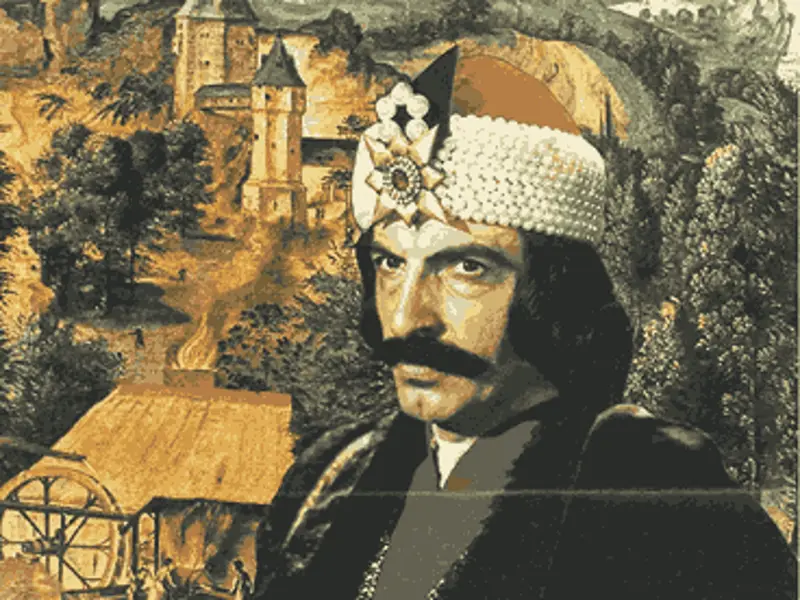
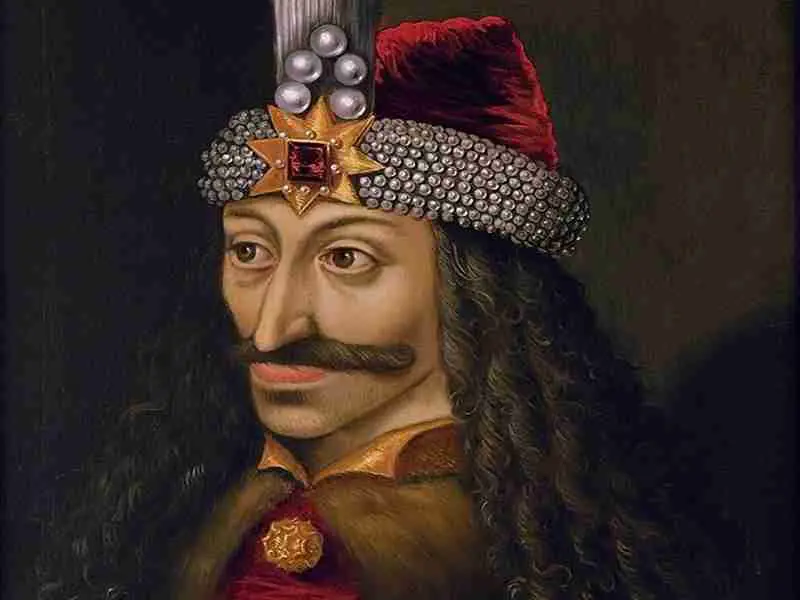
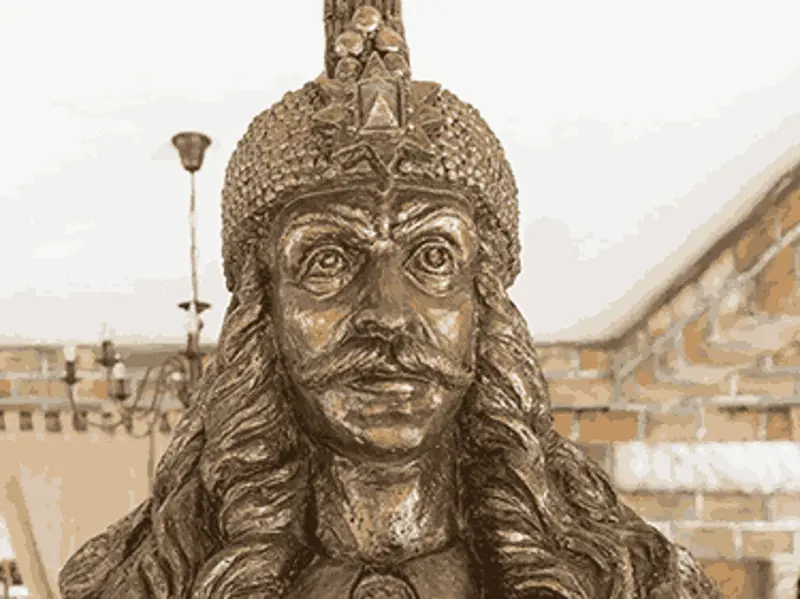
The myth of Dracula began long before the advent of cinema, born from medieval legends, folk rituals, and stories about Vlad Țepeș. With the advent of silent film, these elements were reinterpreted, resulting in an iconic image marked by expressionism and dark symbolism. The early films created an aesthetic that would become definitive for future representations of vampires.
- The distorted shadows suggested the presence of the supernatural.
- The Gothic decors created the idea of a space torn from reality.
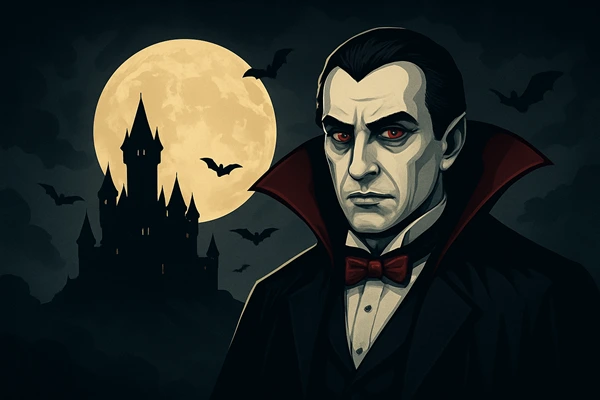
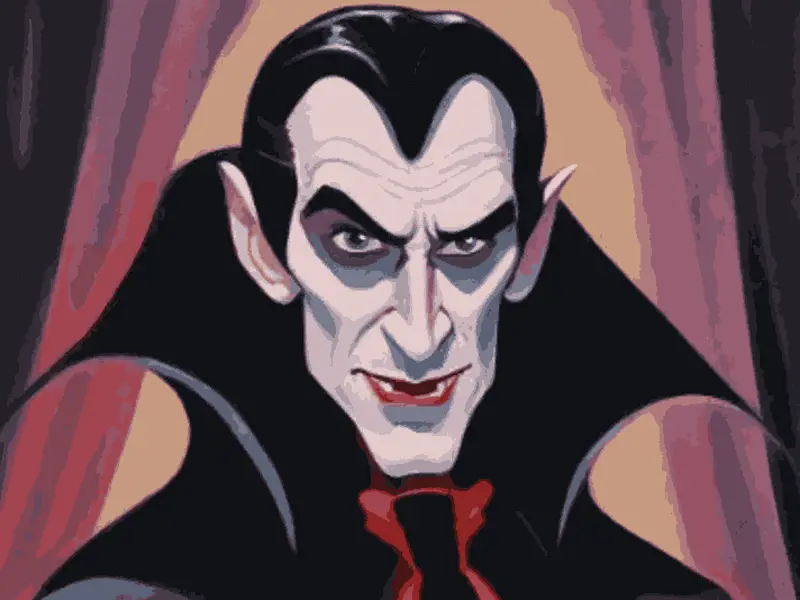
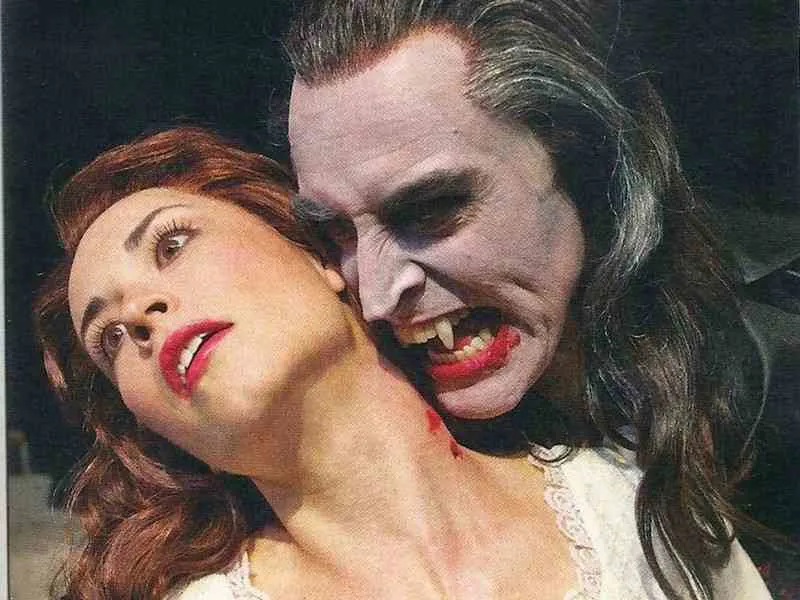
- The rigid figure and intense gaze established the classic portrait of the vampire.
Dracula's first cinematic appearances
In the early decades of the 20th century, the visual style of horror films was heavily influenced by German Expressionism. Dracula was introduced as a more symbolic than realistic figure, and the cinematography of the time used light effects, unusual camera angles, and dramatic sets to create an atmosphere of mystery.
- The silhouette of the vampire – instantly recognizable.
- The slow and hypnotic movements – a symbol of occult power.
- The cold and dark environment – a reflection of the afterlife.
The evolution of Dracula's image in cinema
Over time, Dracula has been reinterpreted to reflect the cultural and artistic changes of each era. From the elegant aristocrat of the 1930s to the emotionally tortured figure of contemporary films, the vampire has remained a versatile character, able to adapt to changing audience sensibilities.
- 1930s – emphasis on sophistication, mystery, and seduction.
- 1950s–1970s – introduction of violence and dramatic intensity.
- Modern era – exploration of the character's psychology and moral dilemmas.
Why Dracula has fascinated generations
The secret of his popularity lies in his deep symbolism. Dracula embodies universal themes such as immortality, the fear of death, and the struggle between light and darkness. In cinema, these themes are amplified by the Gothic aesthetic and the infinite visual potential of the legend.
- It can be both a monster and a victim.
- It represents the human desire for absolute power.
- It is a symbol of the unseen world, always ready to manifest.
The influence of Dracula films on visual culture
Films inspired by the Dracula myth have had a profound impact on global culture, creating a set of easily recognizable visual landmarks. From Gothic fashion to modern horror film design, the character's visual legacy is omnipresent.
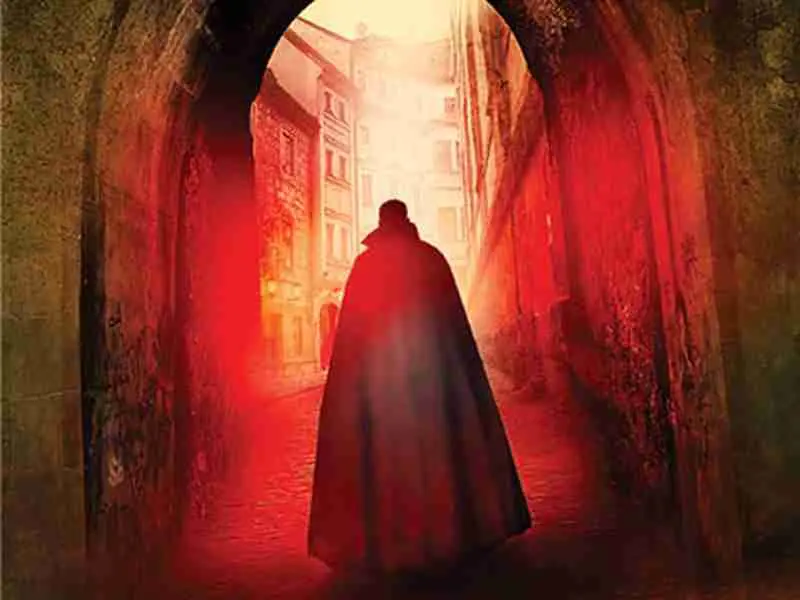
- The black cloak – a symbol of dark elegance.
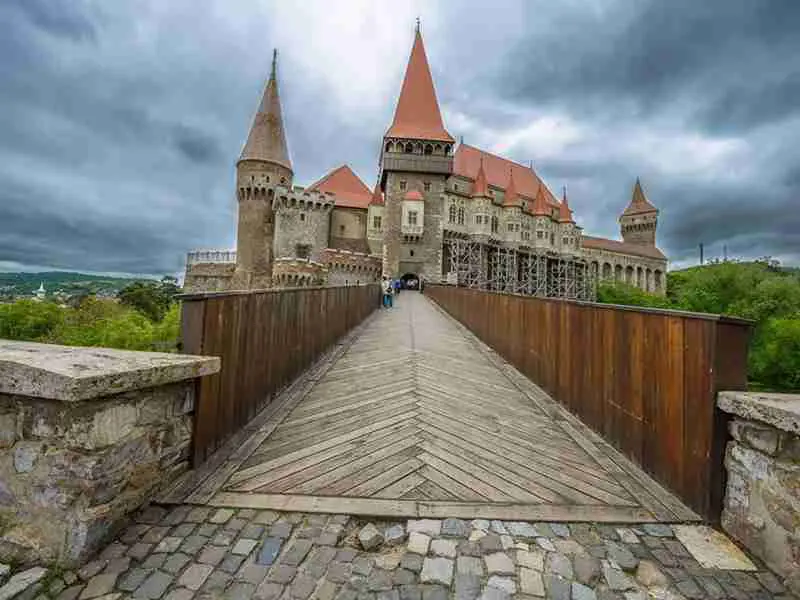
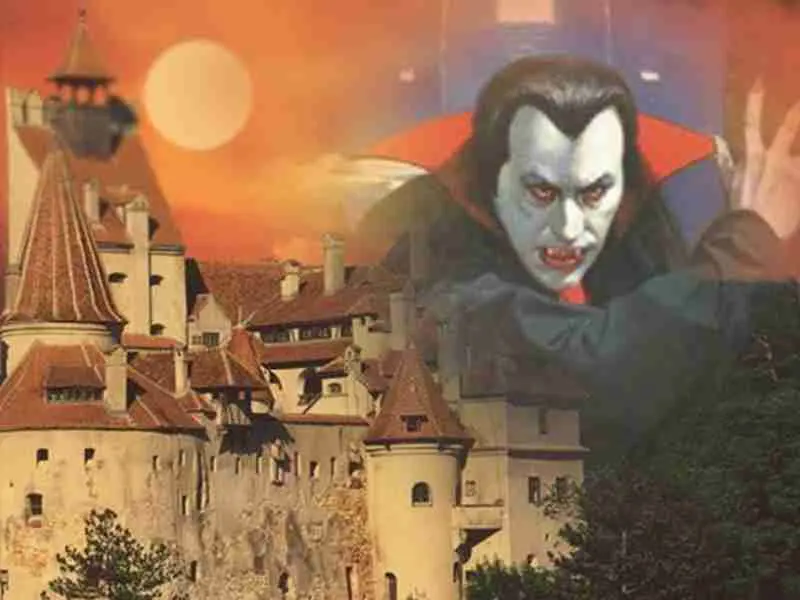
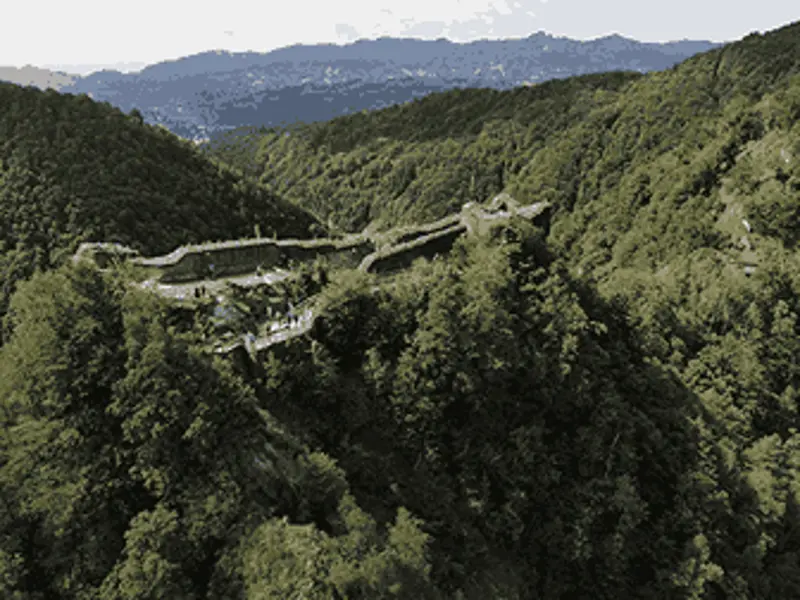
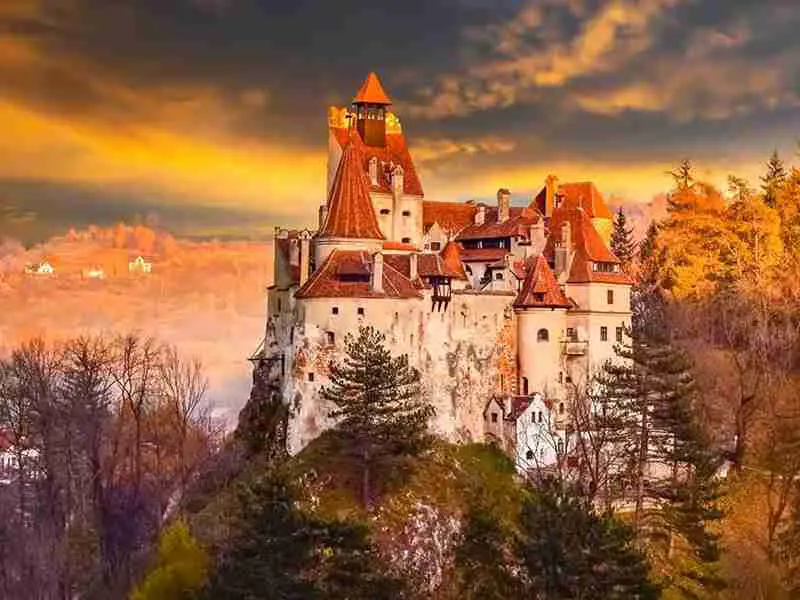
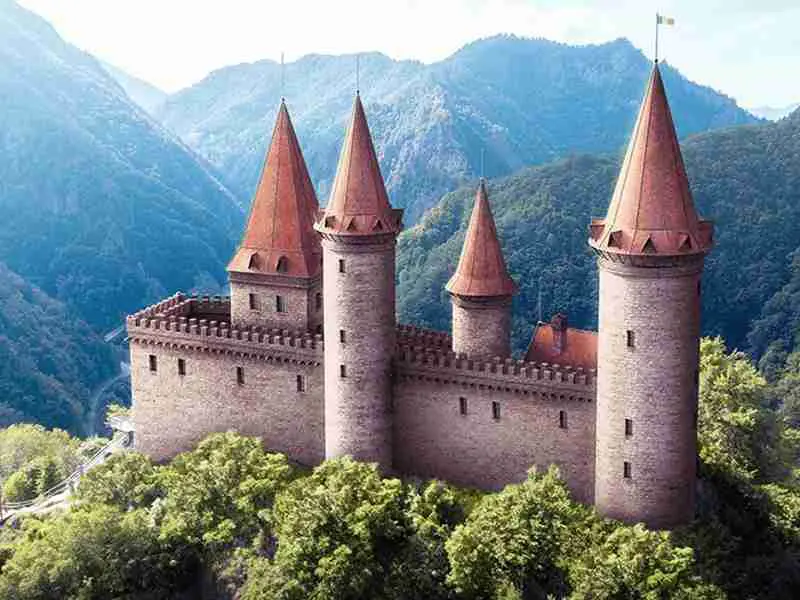
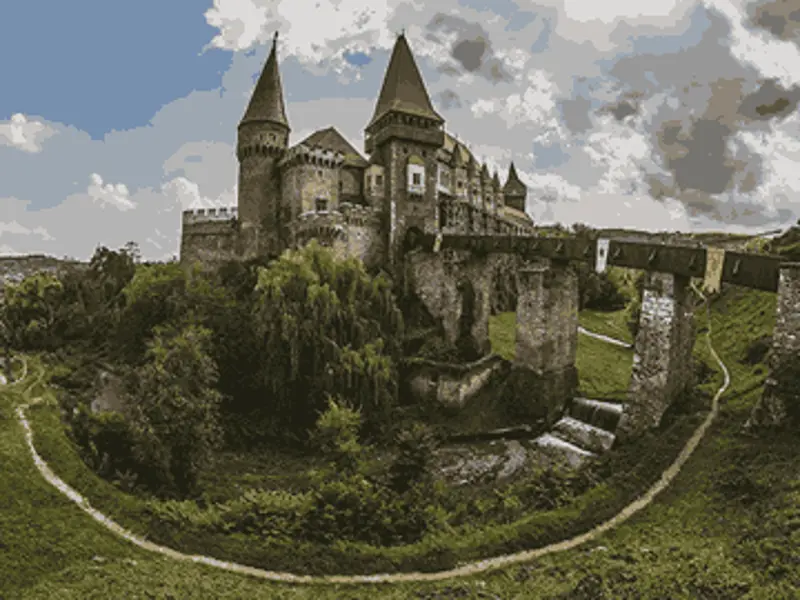
- The isolated castle – the ideal representation of the mysterious space.
- The eternal night – the classic backdrop of vampire stories.
Conclusion
Dracula remains one of the most influential figures in cinema and visual culture. His mystery does not fade, but is constantly reinvented through new interpretations. From his first film appearances to modern productions, he continues to symbolize the fascination with the unknown and the hidden forces that define our fears.