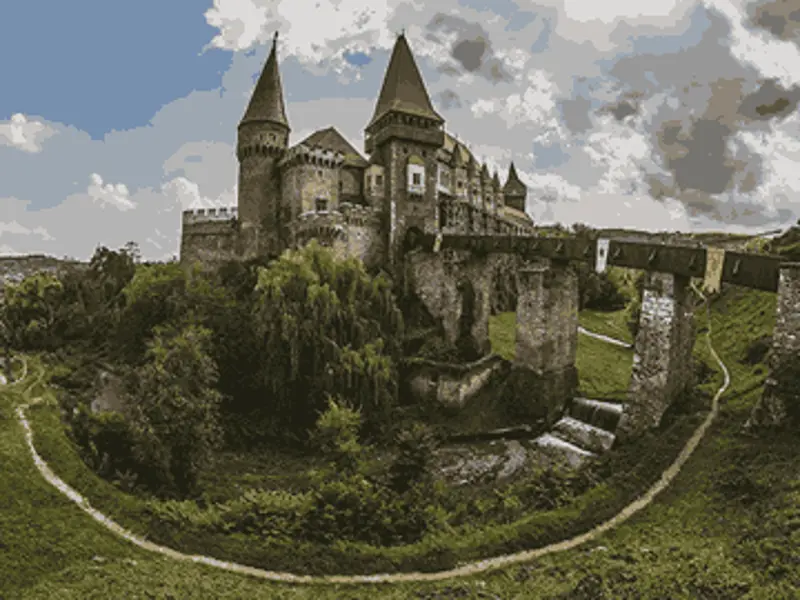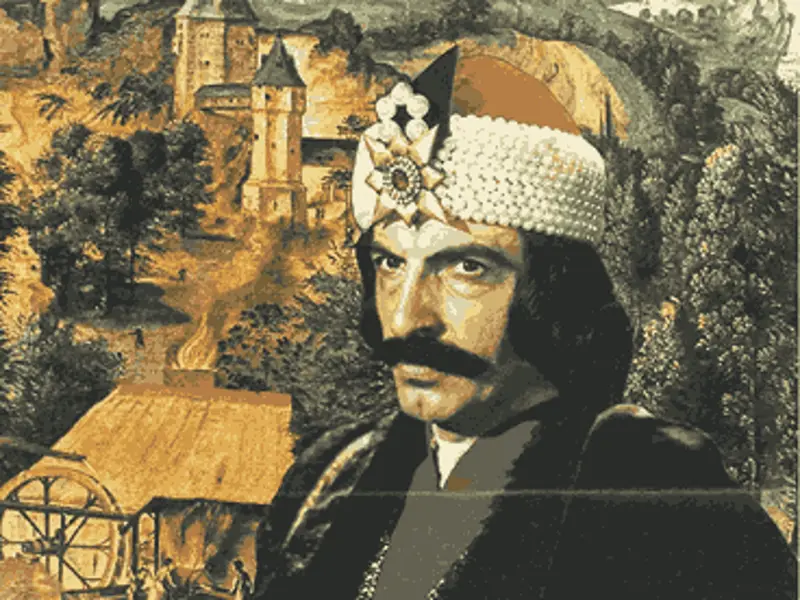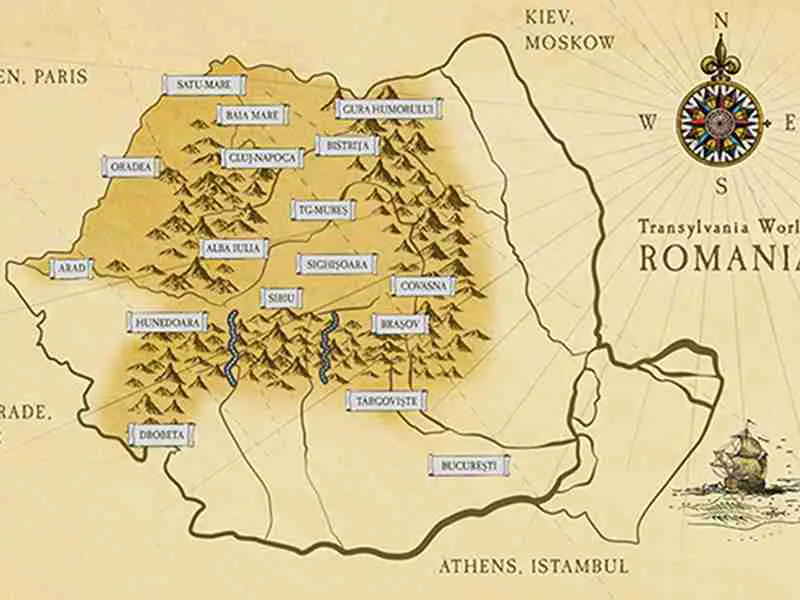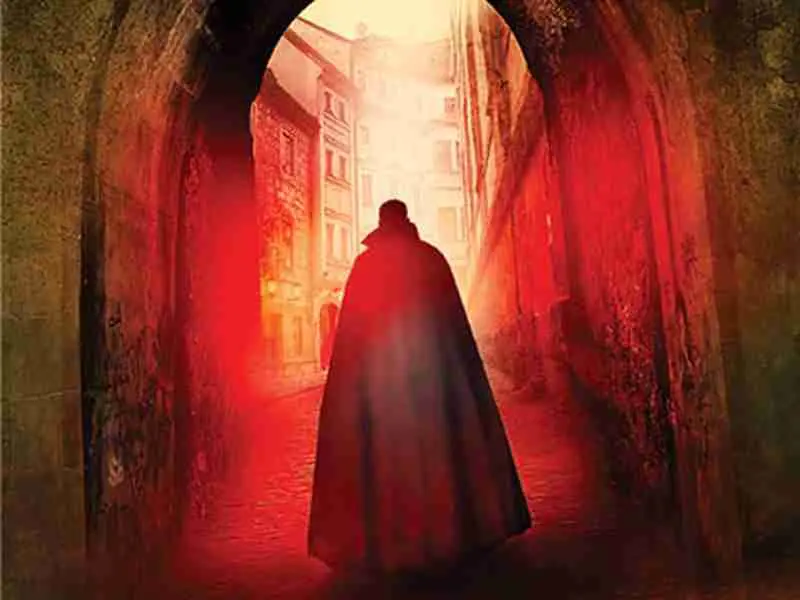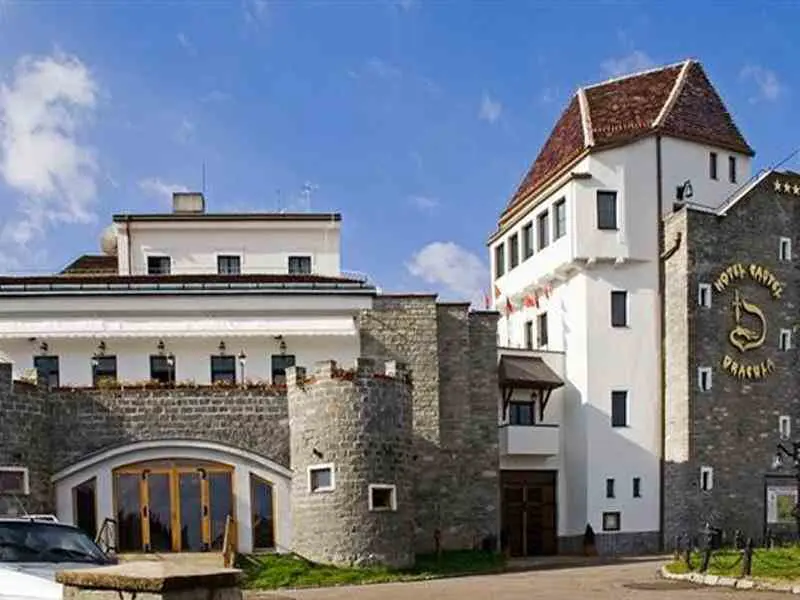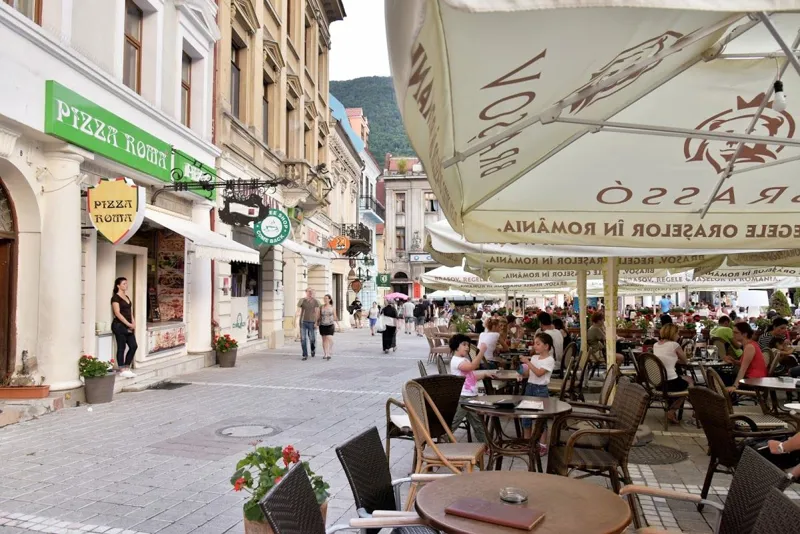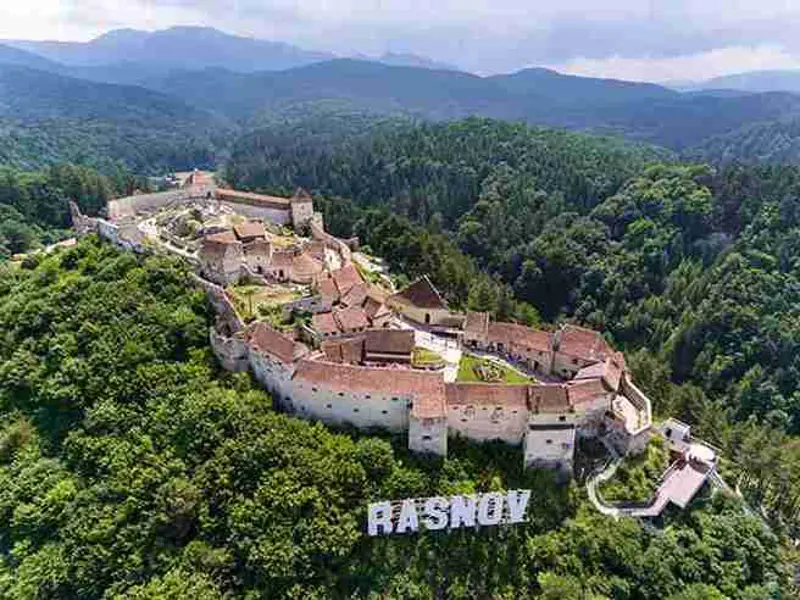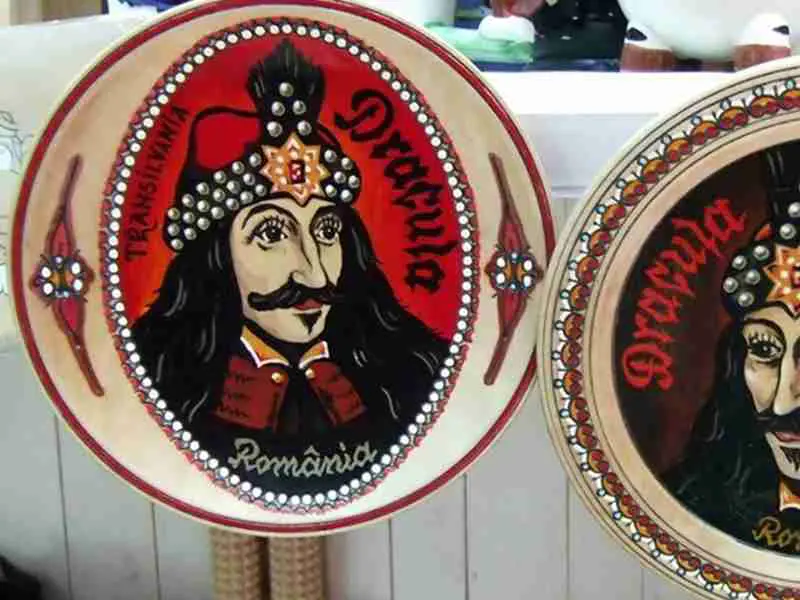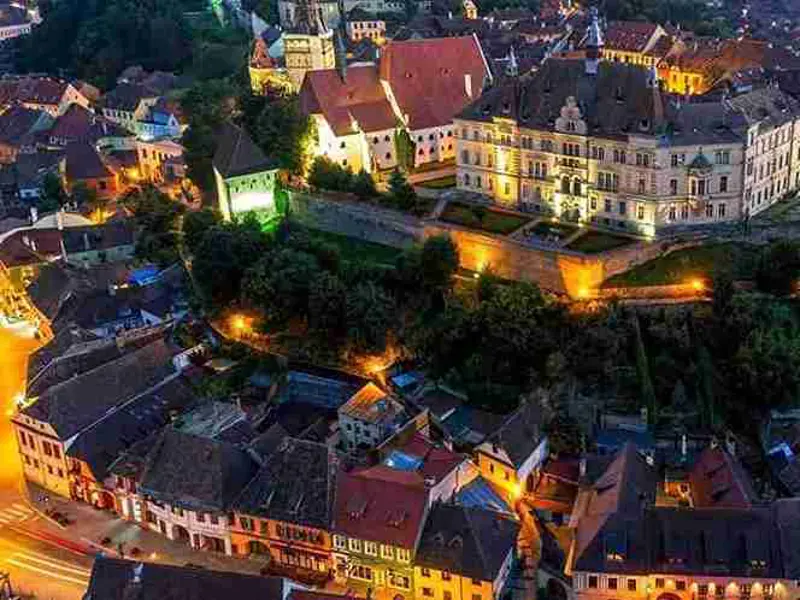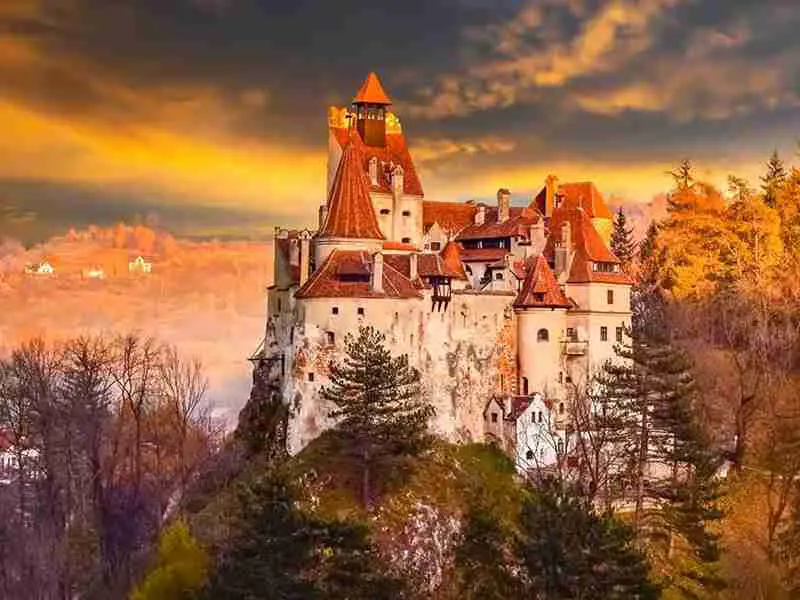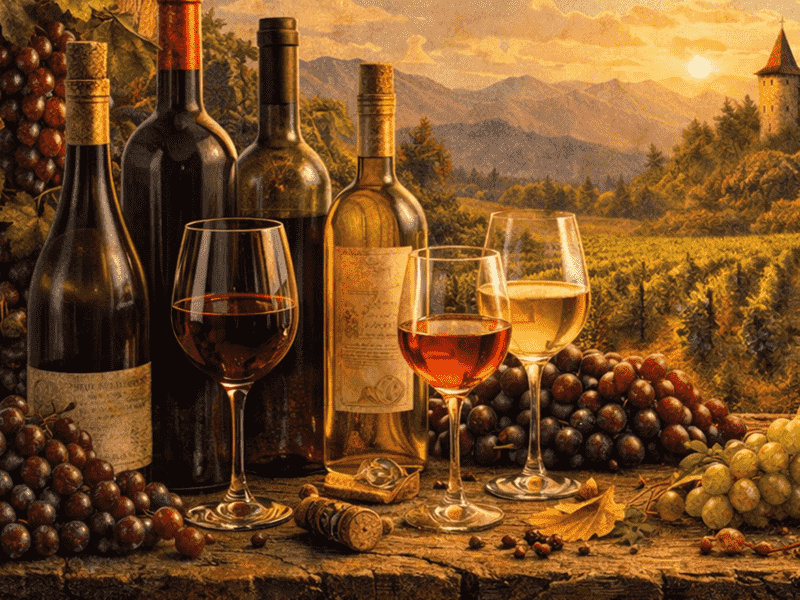
Transylvania is one of the oldest wine-growing regions in Central Europe, renowned for its aromatic, balanced and characterful wines. Its vineyards are located in cool climates, which gives the wines a delicate acidity and floral or fruity notes. Transylvanian wine culture has deep roots, dating back to the Dacian era, later passed down through the traditions of the Saxons and Hungarians. Over the centuries, the area has produced wines associated with hospitality, rituals and even local legends, some of which inspired stories from the universe of Dracula.
What are the most famous Transylvanian varieties?
- Fetească Albă – floral aroma and delicate balance
- Fetească Regală – Romanian specific, slightly mineral
- Sauvignon Blanc – green and citrus notes
- Pinot Gris – round, elegant and fragrant wine
Which wine regions are the most famous?
- Târnave – considered the heart of white wines
- Aiud – historic vineyards with a thousand-year tradition
- Lechința – famous for fresh and aromatic wines
- Sebeș-Apold – wines with Saxon influences
Why are Transylvanian wines so special?
- The cool climate offers elegance and freshness
- Traditional methods combined with modern techniques
- Local traditions that give identity to the region
- Diverse cultural influences: Dacian, Saxon, Romanian
Conclusion
Transylvanian wines are an essential part of the local cultural heritage, offering refined and authentic experiences. Their aromas, linked to geography, traditions and history, transform each glass into a journey through the heart of Transylvania.