What does the vampire represent in human psychology?
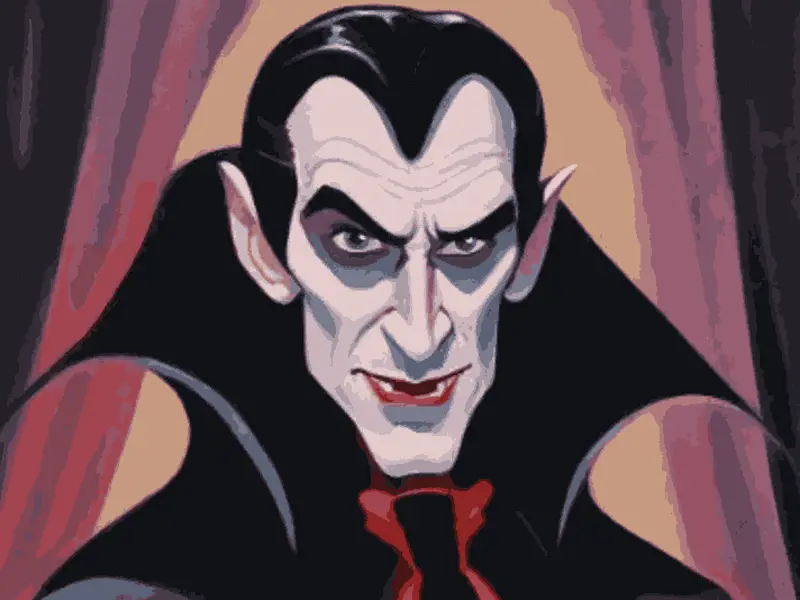
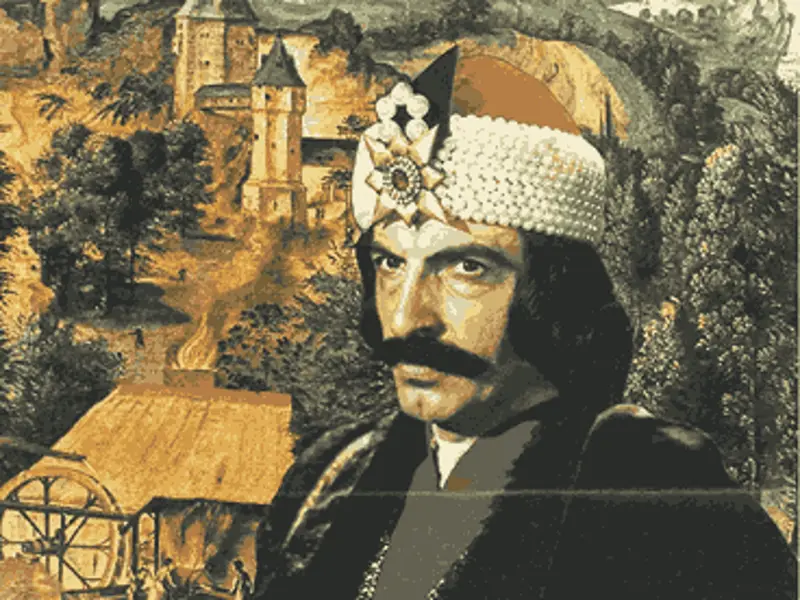
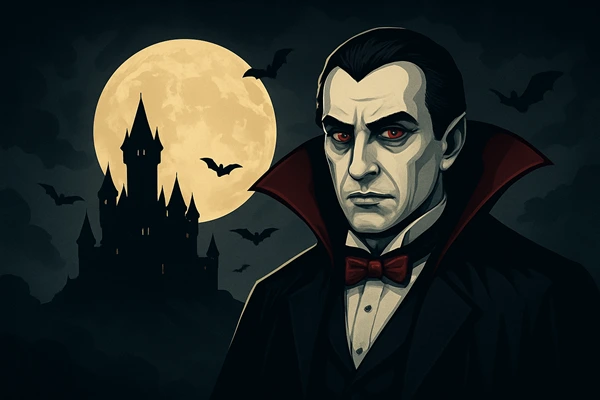
The vampire is not only a mythological being, but also a complex psychological symbol. It represents the fear of death, the desire for power, and the fascination with the unknown. In the collective mind, the vampire embodies inner conflicts and repressed impulses, providing a framework for exploring hidden anxieties and desires.
How the fear of vampires influences behavior
Fear of vampires can be associated with real psychological reactions, such as anxiety, paranoia, or hypervigilance. This fear contributes to the development of myths and stories that perpetuate the image of the vampire as a symbol of danger and mystery.
- Hypervigilance and perception of threat in dark or unfamiliar environments
- Projection of fear of death onto other people or entities
- Exacerbated fear reactions during horror stories or movies
The vampire as a symbol of desire and power
Vampire psychology also highlights the desire for control or immortality. The vampire seduces and attracts, symbolizing power and a fascination with the forbidden. In culture, these traits become metaphors for universal human desires and moral boundaries.
- The desire for eternal life and fear of aging
- The power over others and emotional control
- The attractiveness and seduction associated with mystery and danger
Cultural and psychological aspects of vampirism
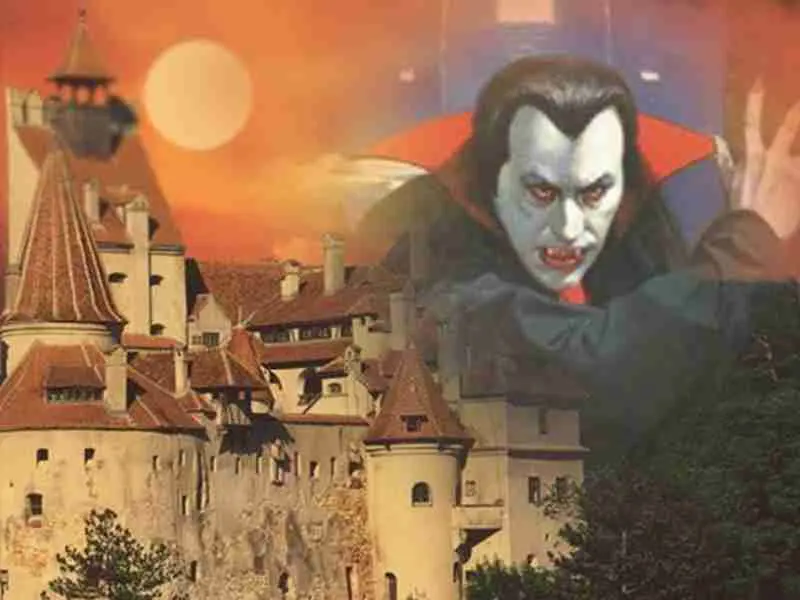
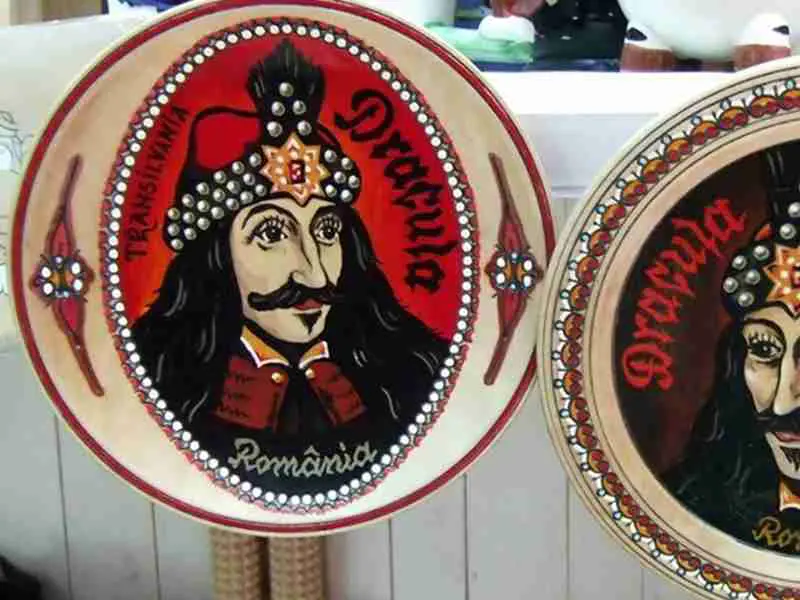
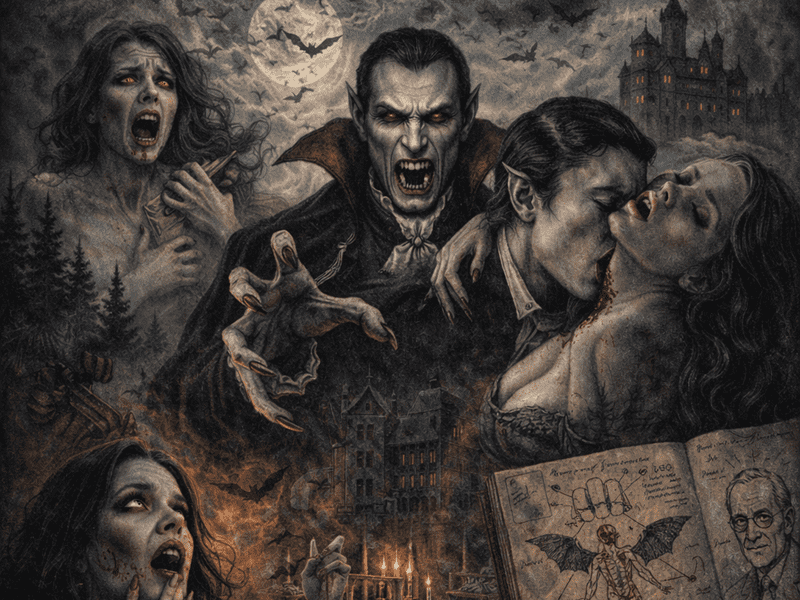
Vampire It has been integrated into literature, film, and popular art, and its psychology reflects collective fears and fascinations. This explains why vampires continue to capture the public imagination and why they appear in various cultural forms, from traditional myths to modern depictions.
Conclusion
The psychology of the vampire helps us to understand more deeply the connection between fear, desire, and culture. He remains a universal symbol of human inner conflicts, anxieties, and desires, providing fascinating terrain for psychological studies and cultural explorations.