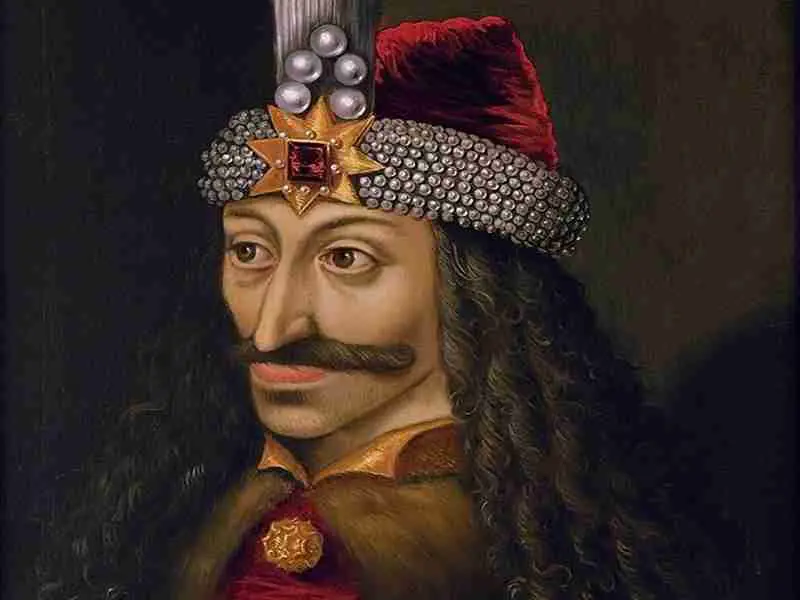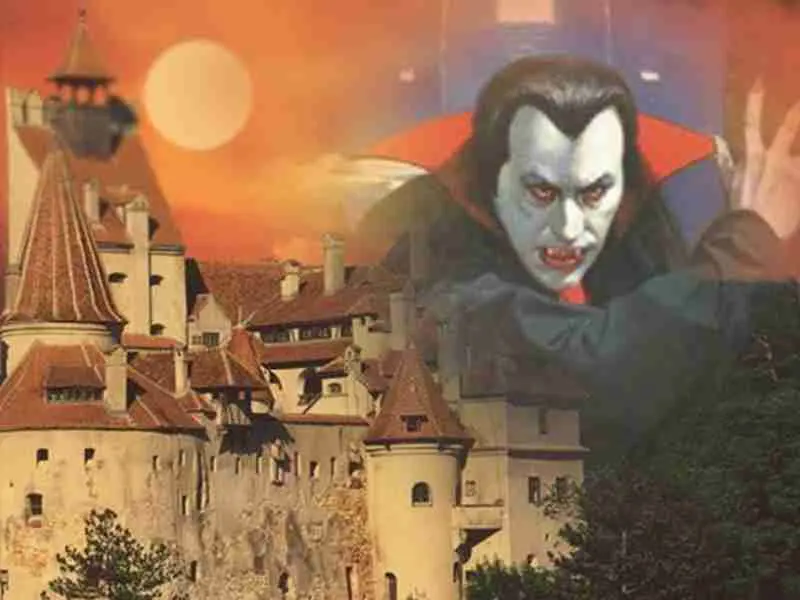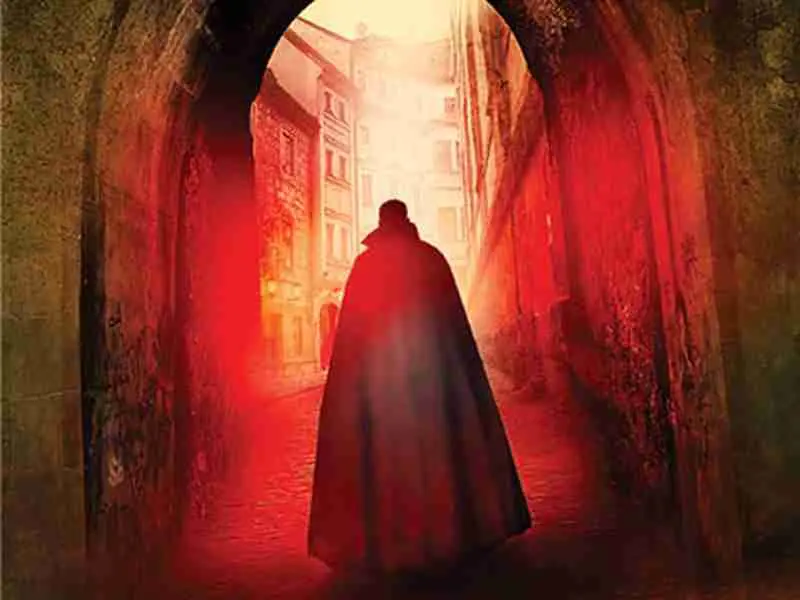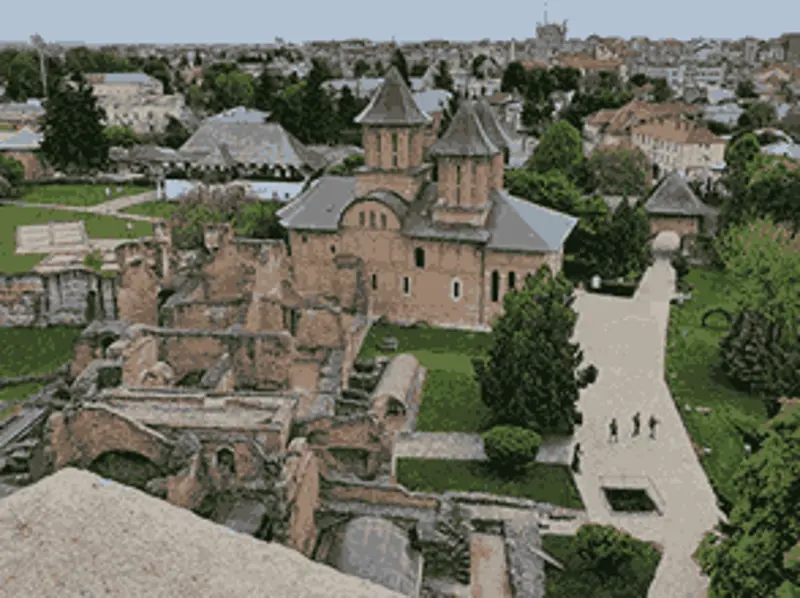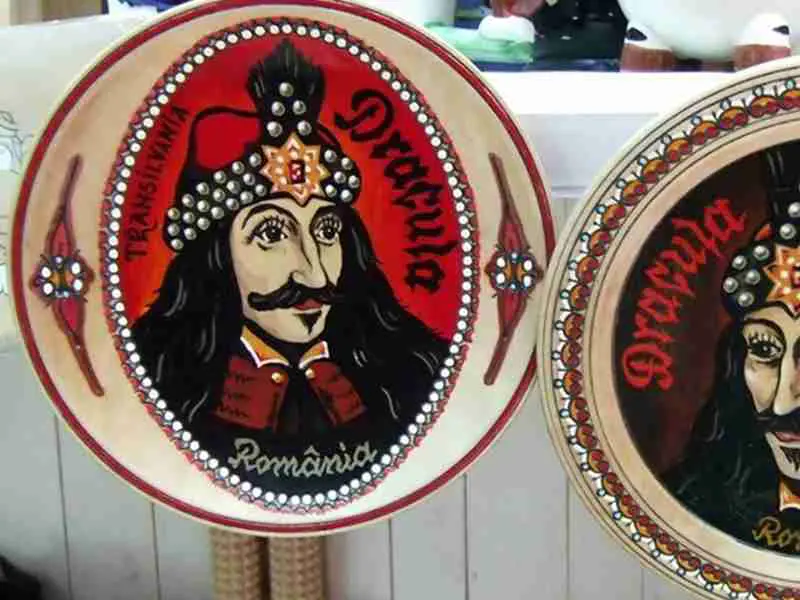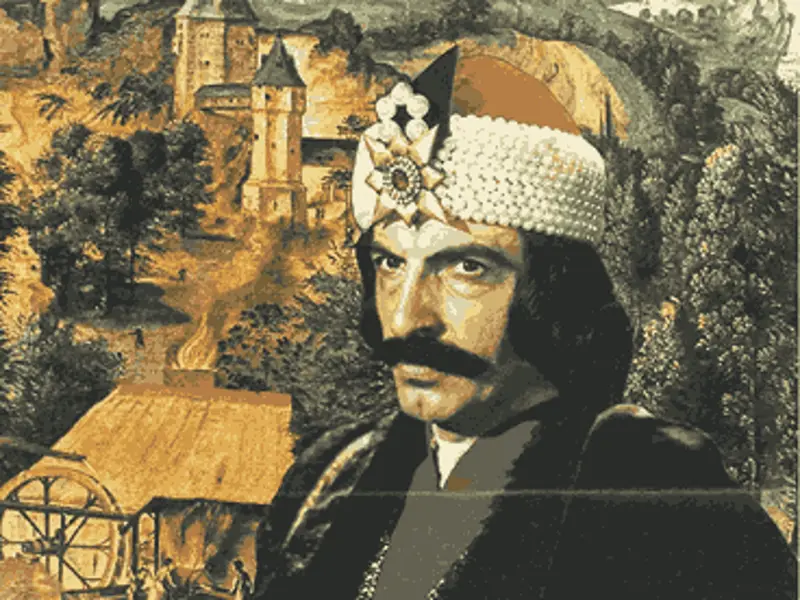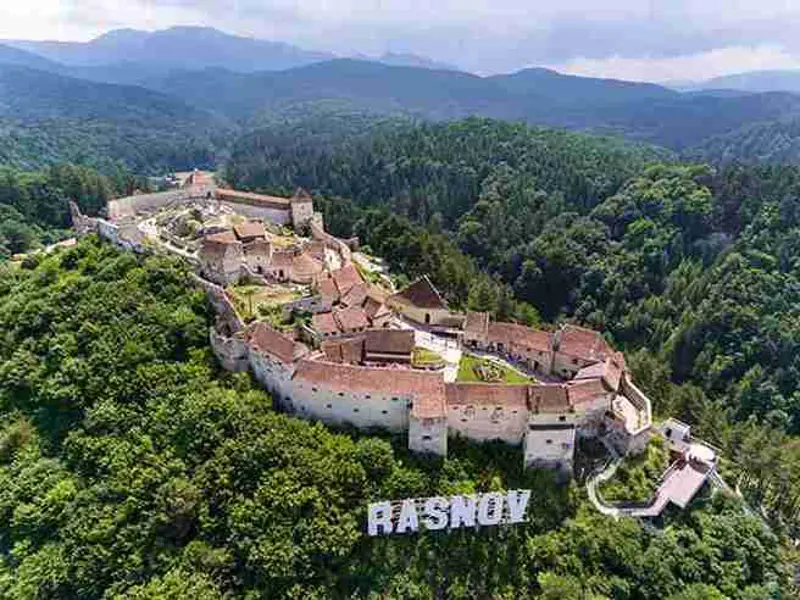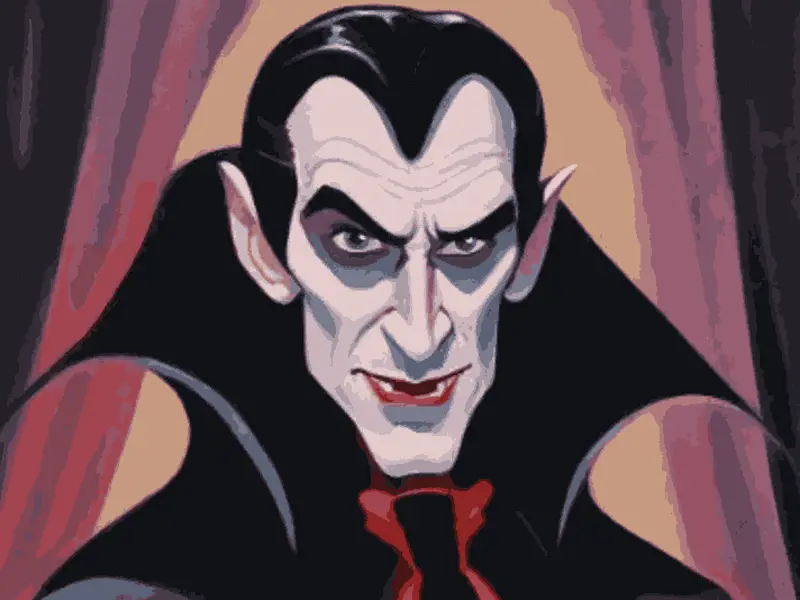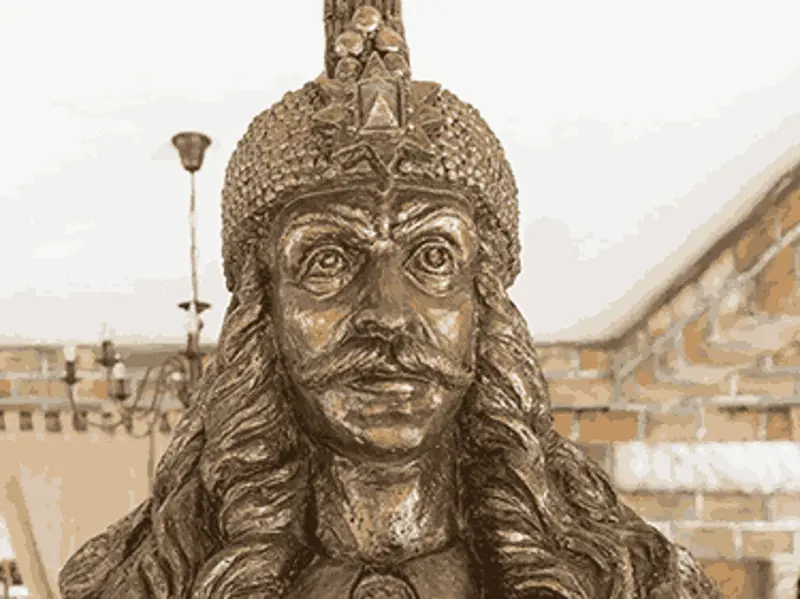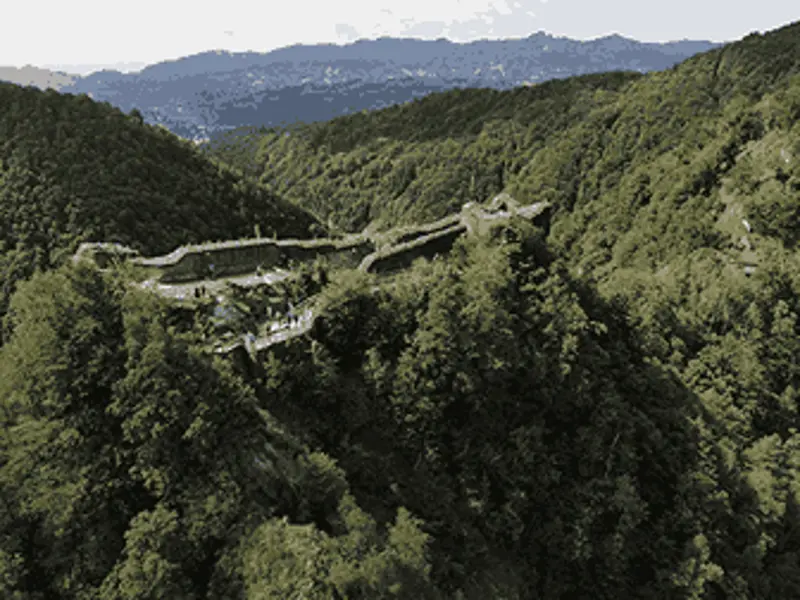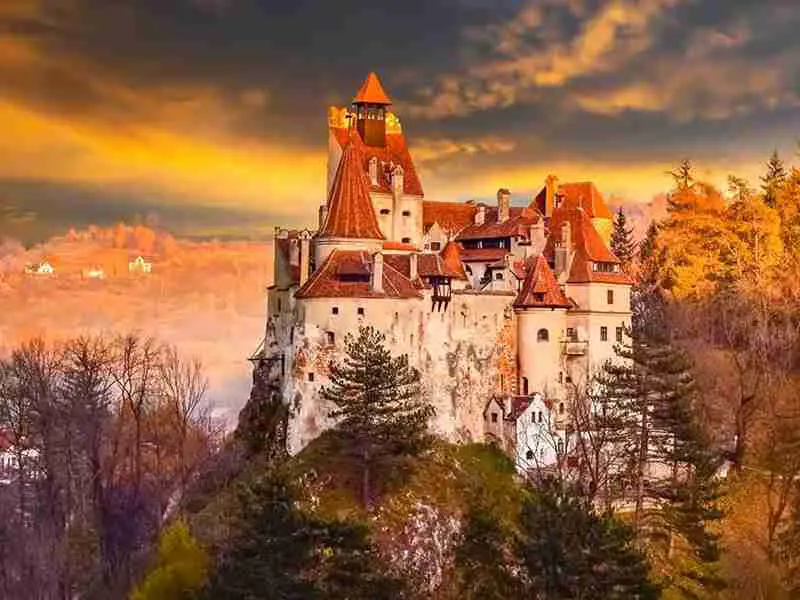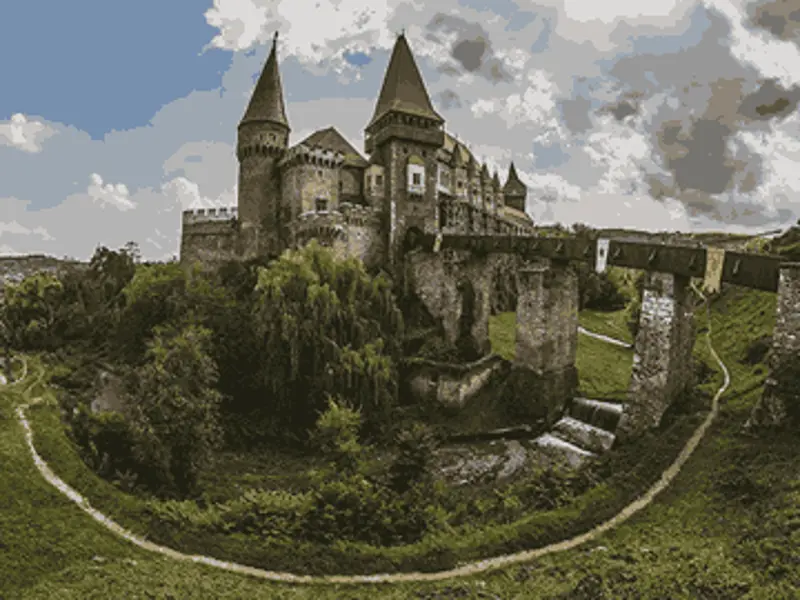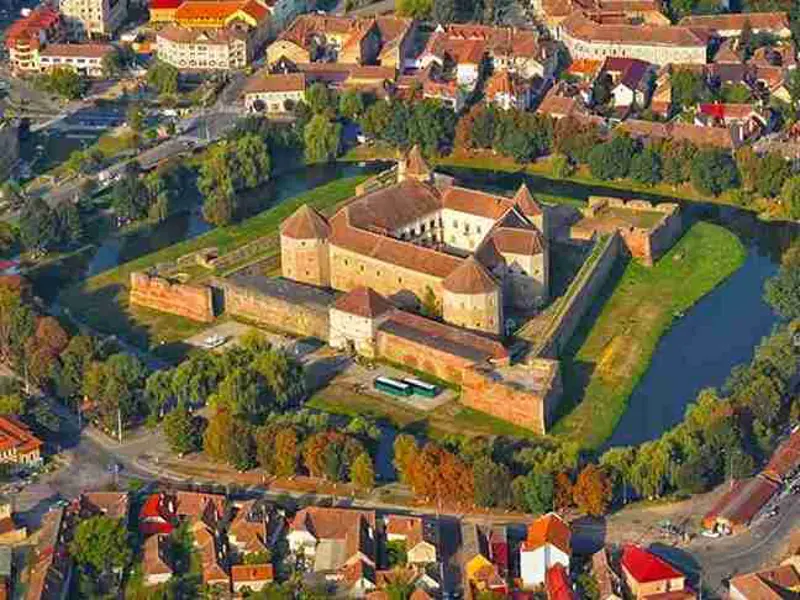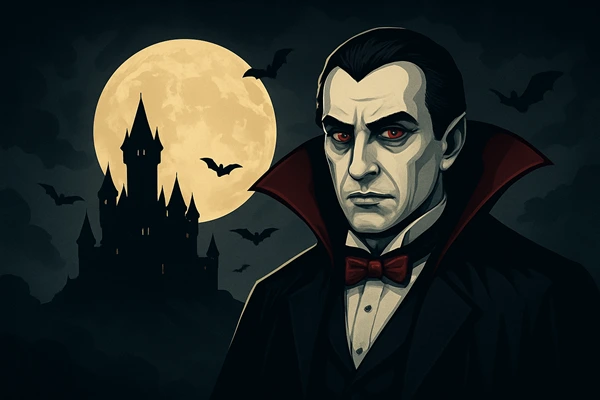
The image of the vampire in traditional culture is not a modern one, but the result of a long process of interpretation of inexplicable phenomena. In the Transylvanian villages, vampirism was not perceived as fiction, but as a spiritual reality that could affect the community. The fear of the return of the dead, of "unclean" energies and of wandering spirits generated complex rituals designed to protect people and maintain social order. In this context, the figure of Dracula turned into a complete symbol of vampirism, gathering all these beliefs in a memorable and mysterious character.
What situations were considered signs of vampiric activity?
- A sudden decline in a person's health without a medical explanation
- Repeated deaths in the same family within a short period of time
- Nights marked by distressing dreams and insomnia in the community
- Abnormalities observed around recent graves
- Changed behavior in animals, especially dogs and horses
What rituals were used to prevent the reappearance of the dead?
- Placement of sacred objects near the body of the deceased
- Burning of incense and reciting prayers of protection
- Wrapping of the coffin with ropes for spiritual "sealing"
- Sprinkling of holy water on the site
- The vigil continues in the first few nights after the funeral
What actions were taken in cases considered serious?
- Exhumation of the body to investigate possible "signs"
- Reorientation of the grave to "cut off" the connection with the village
- Symbolic neutralization of the body to protect the community
- Rituals to purify the affected home and family
- Stopping the spirit's access to public or domestic spaces
What role did such rituals play in village life?
- They reinforced the idea of collective protection
- They regulated social behaviors and norms
- They reduced anxiety during times of illness or insecurity
- They strengthened community solidarity
- They maintained the continuity of ancient traditions
Why is Dracula deeply associated with traditional vampirism?
- Embodies collective fears related to death and the supernatural
- Brings together elements from Romanian and European folklore
- Becomes a central figure thanks to literature and cinema
- Reflects the duality between power and monstrosity
- Is connected to a cultural heritage still alive in Transylvania
Conclusion
RVampire rituals are not simple superstitions, but an integral part of the cultural identity of the Transylvanian regions. They represent the way in which people have tried to understand death, suffering and the invisible world. The Legend of Dracula, located at the intersection of history and myth, continues to fascinate precisely because it preserves the echo of these ancient traditions. Thus, vampirism becomes not just a narrative theme, but a window into a world full of symbols, fears and deep beliefs.