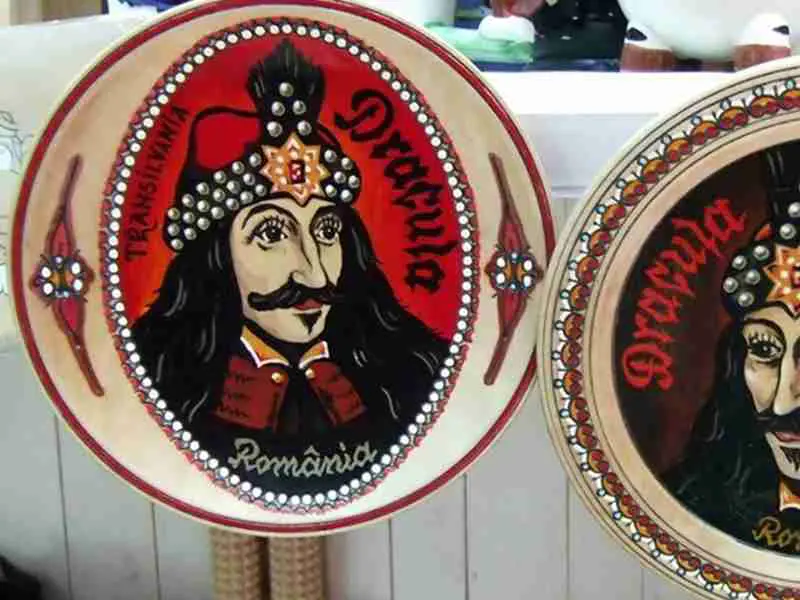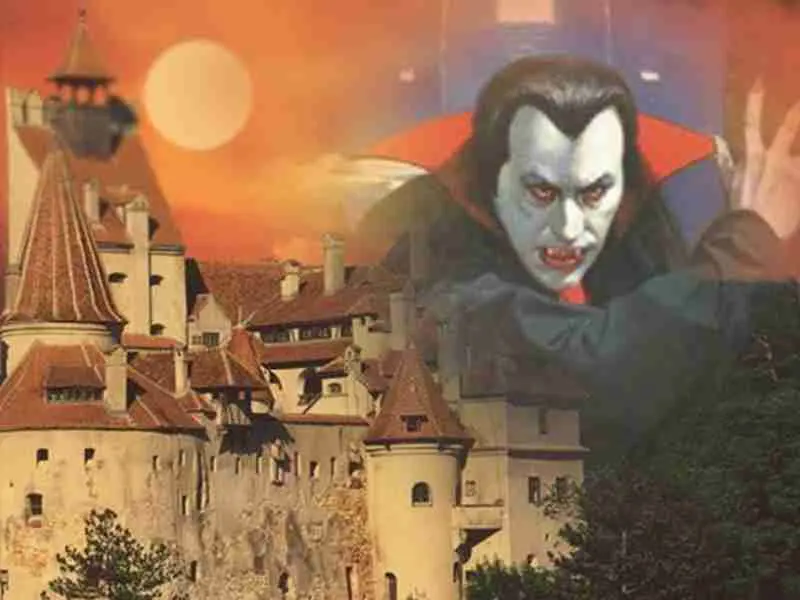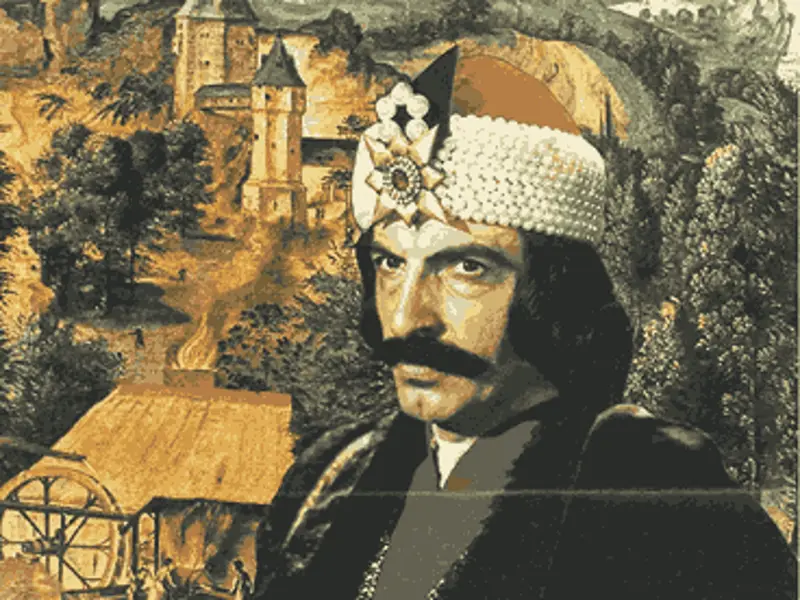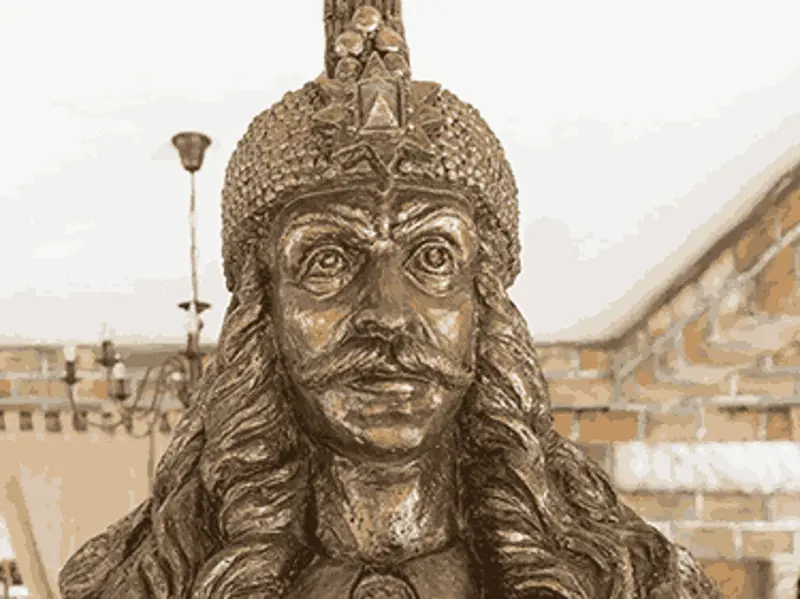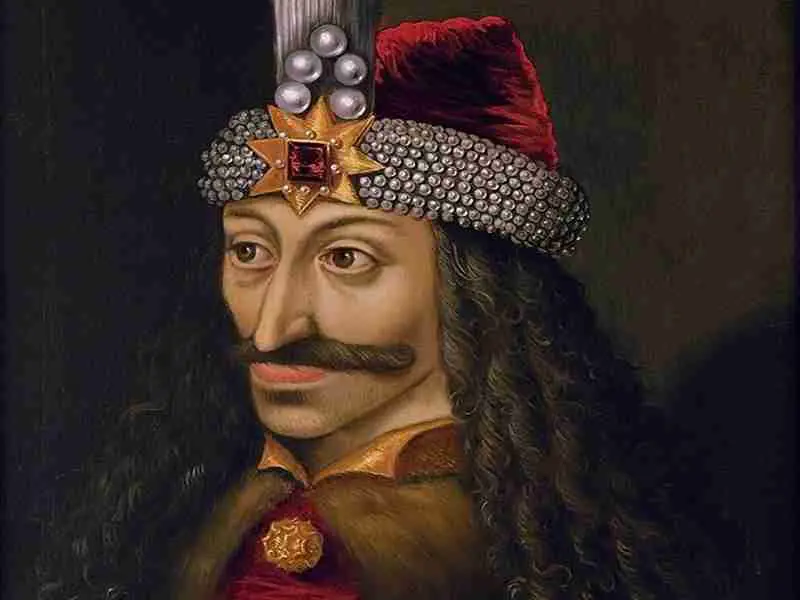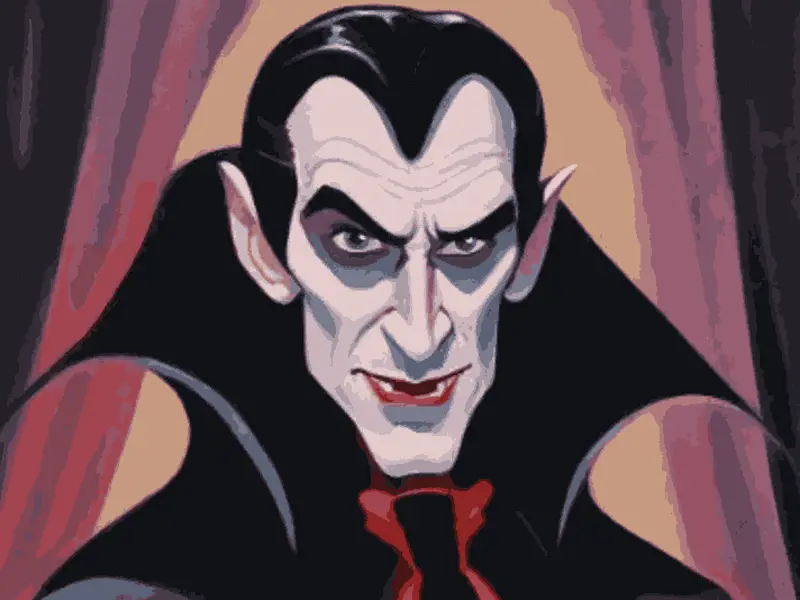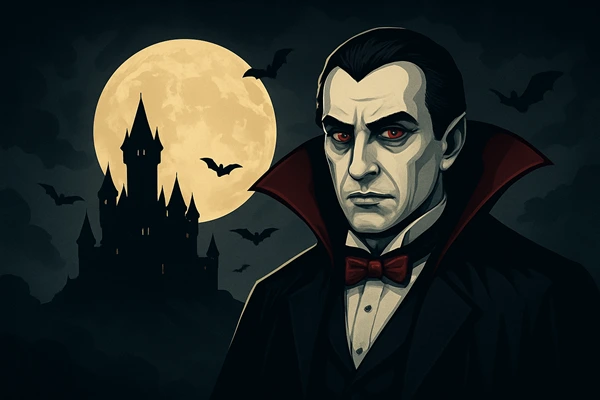
Vlad Țepeș, also known as Dracula, is one of the most fascinating historical figures of Transylvania and Wallachia. The ruler became famous for his methods of punishment, but also for his courage and ability to defend the territory against invaders. Vlad Țepeș left a strong mark on history, and legends about his cruelty and justice inspired European literature, folklore and popular culture. His myth evolved, combining historical facts with vampiric myths, creating the global symbol Dracula.
What was the historical context of Vlad Țepeș's reign?
- 15th century, period of conflict with the Ottoman Empire
- Alliances and confrontations with local nobles and powerful neighbors
- Strengthening of fortifications and strategic fortresses
- Implementation of a strict code of justice and severe punishments
- Influence on the political stability of Wallachia
What facts inspired the Dracula legend?
- Unusual methods of punishment, including impalement
- Defending the territory against foreign invasions
- Complex relationships with nobles and his subjects
- Incidents and battles that have become part of folklore
- Perception of a harsh but just ruler
Where are the places associated with Vlad Țepeș?
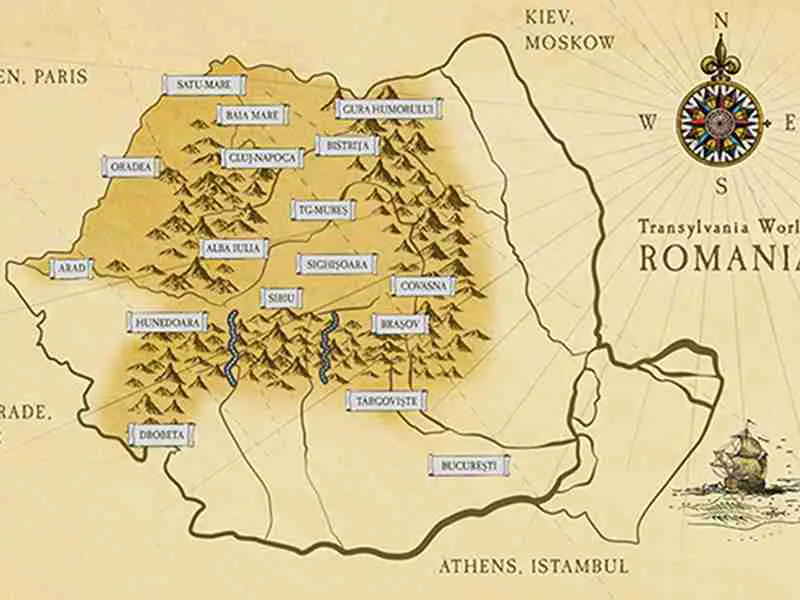
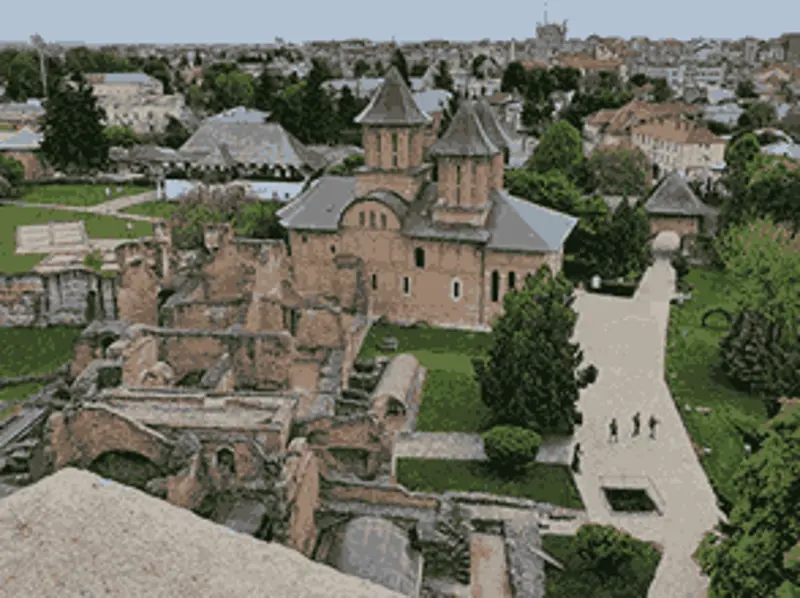
- Curtea de Argeș and Târgoviște – medieval capitals
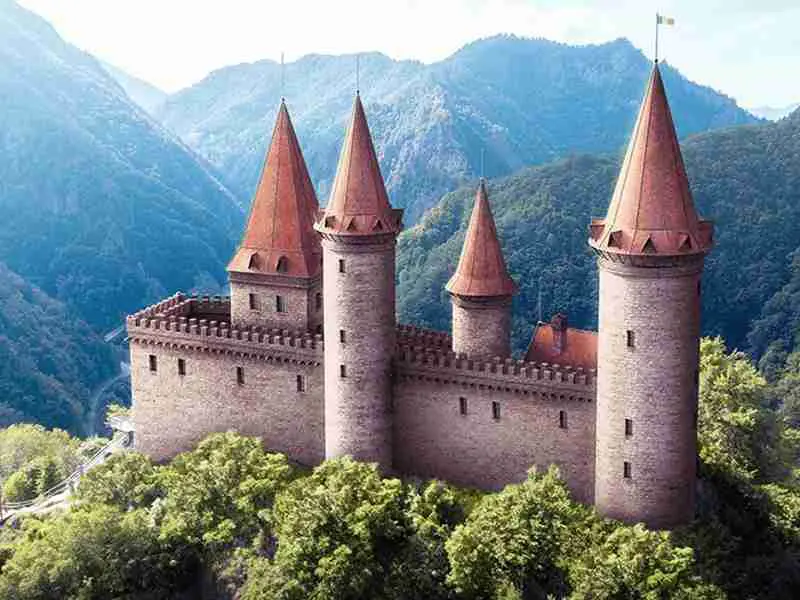
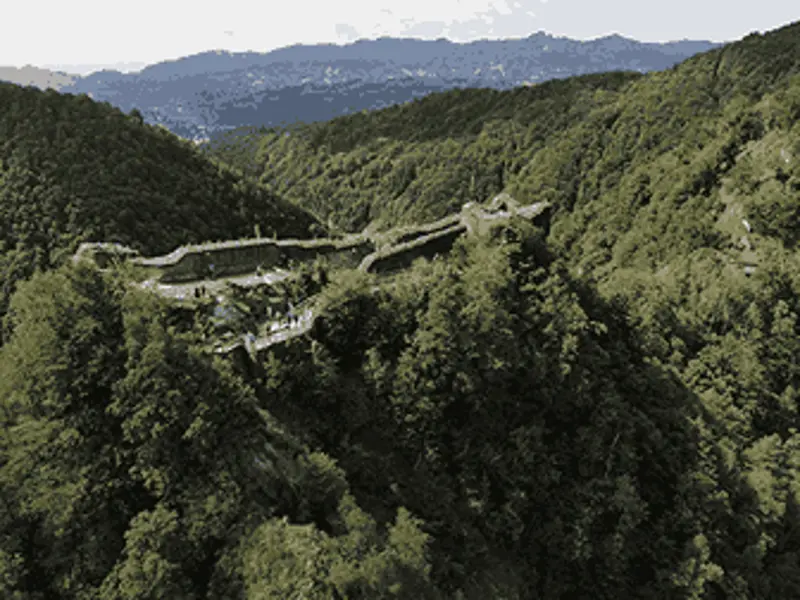
- Poenari Fortress – its strategic and real fortification
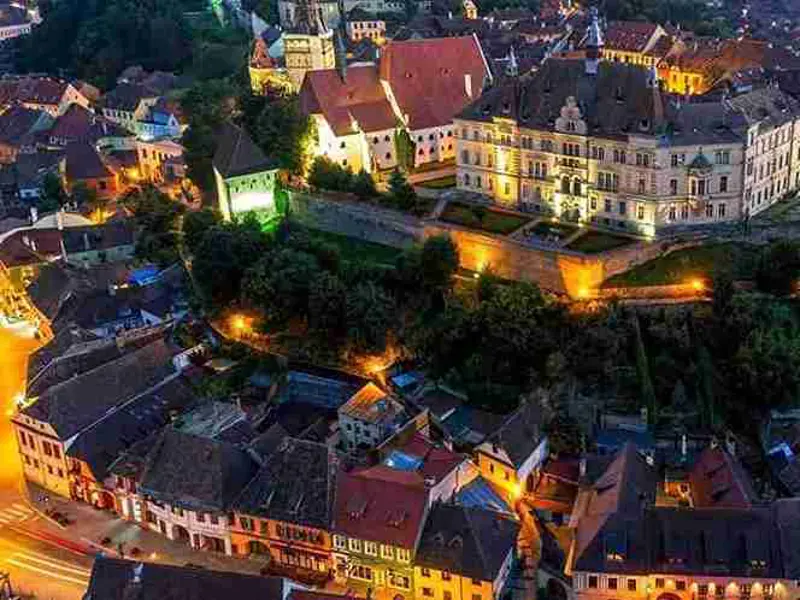
- Sighișoara – its birthplace
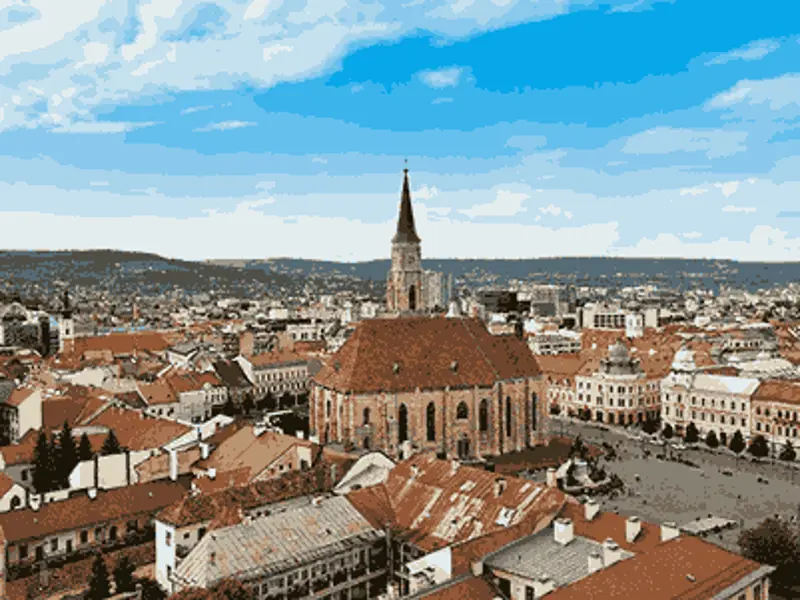
- Transylvania – regions influenced by its actions
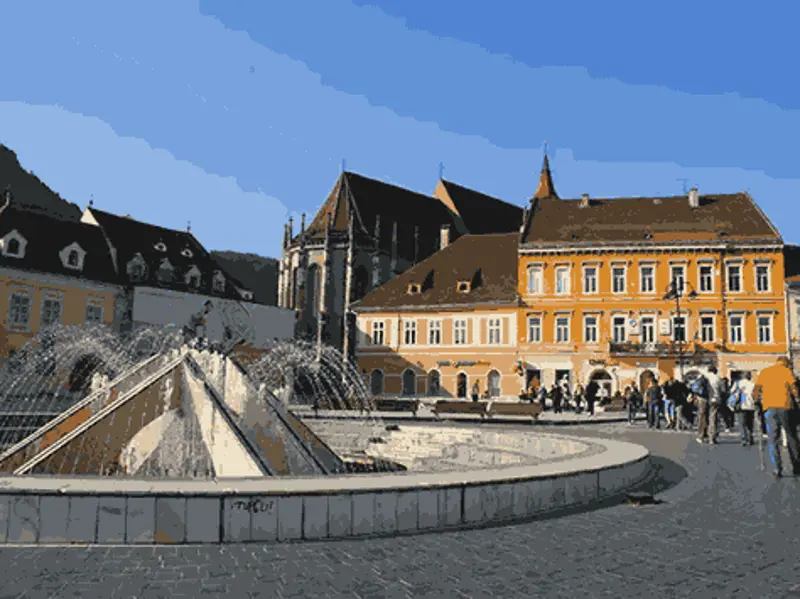
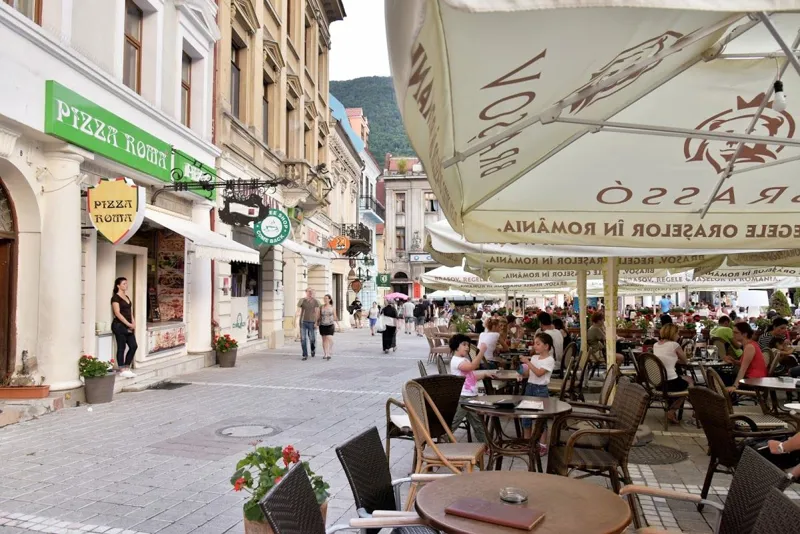
- Brașov – a city with commercial and political interactions
Why does Vlad Țepeș remain an iconic figure?
- Connecting real history with Dracula myths
- Influence on Gothic literature and modern culture
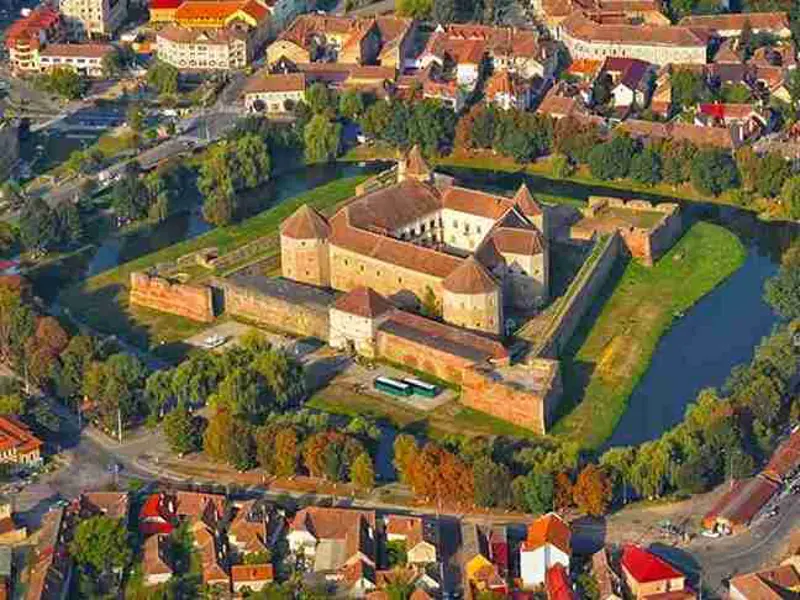
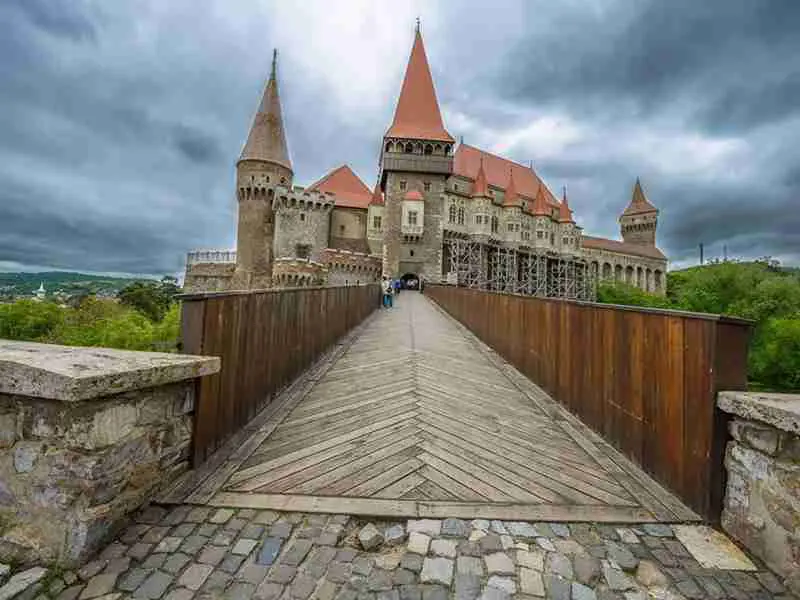
- Legacy of its fortresses and fortifications
- Continuing fascination with history and legend
- Symbol of courage and strict justice
Conclusion
Vlad Țepeș remains a complex personality, between history and legend. His deeds, courage and severe methods of justice have transformed his name into a universal symbol of power and mystery. The legends about Dracula, combined with the real historical context, continue to fascinate, inspire literature, tourism and popular culture, keeping the memory of one of the most famous Romanian rulers alive.