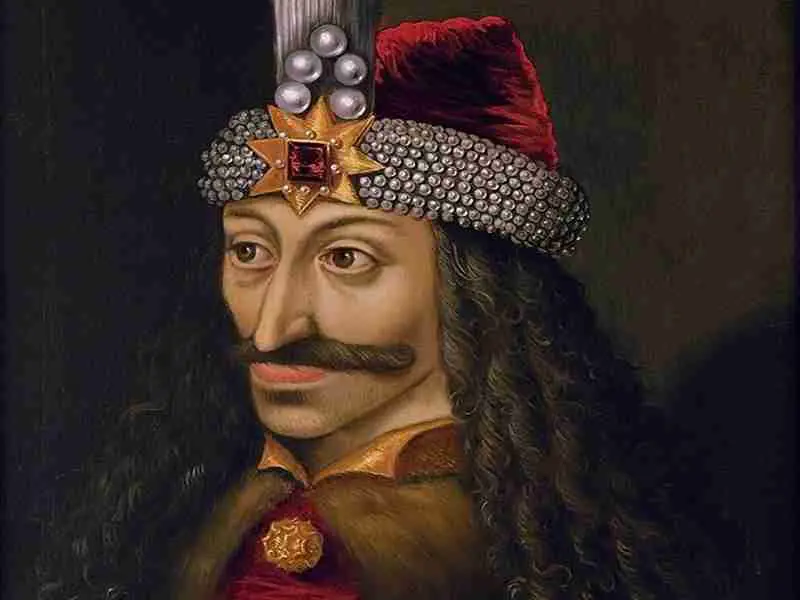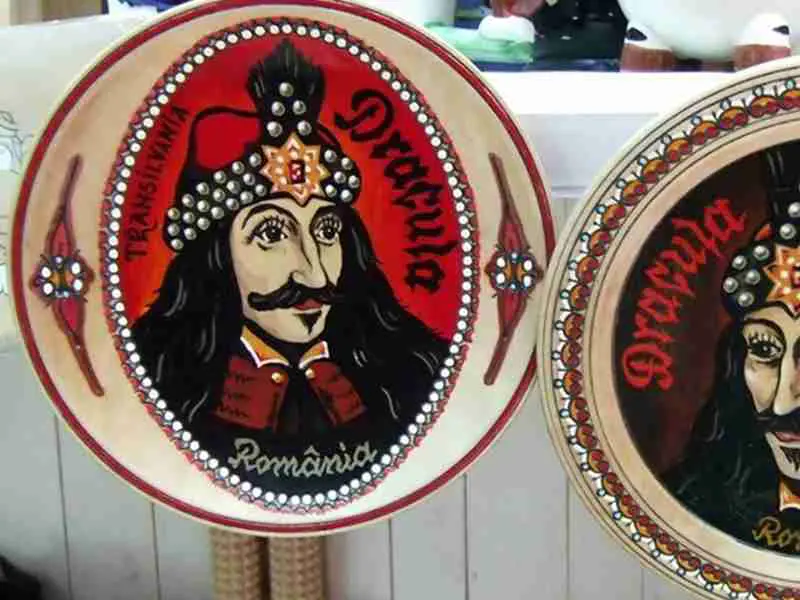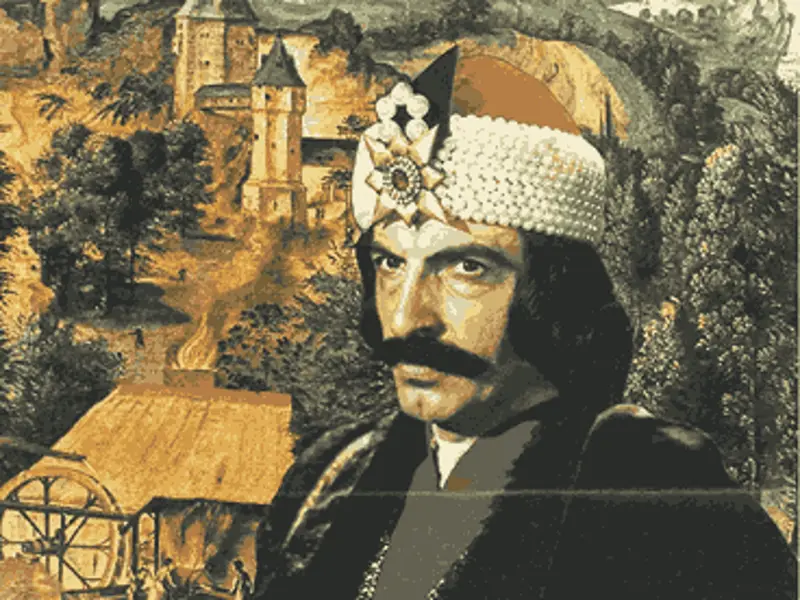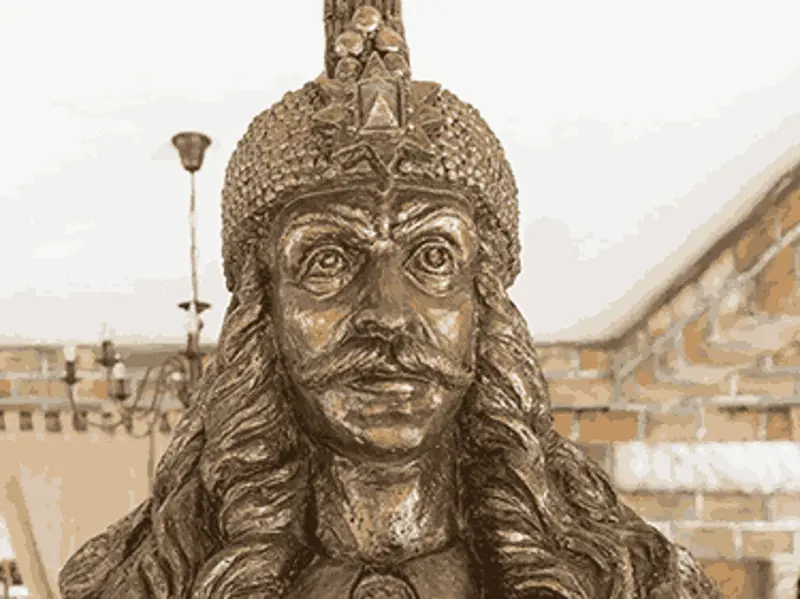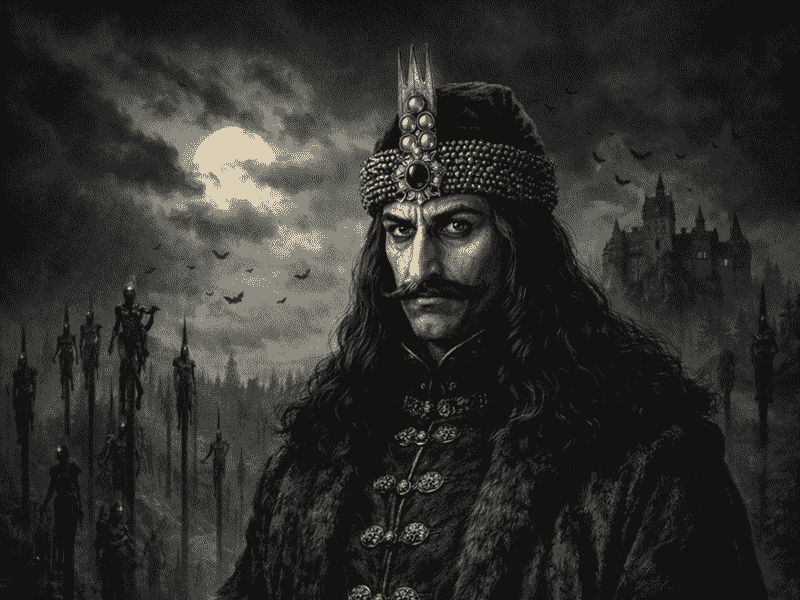
His figure Vlad Țepeș — also known as Vlad Drăculea — remains one of the most complex, fascinating and controversial figures of the European medieval era. A three-time ruler, a formidable strategist, a tough reformer and a symbol of resistance to the Ottoman Empire, Vlad crossed a life between princely honor and calculated cruelty, between legend and historical fact. The popular image we have today is a mix of chronicle, folklore and external caricature; the reality, however, shows a ruler who knew how to defend a small country in a world dominated by great empires.
The origins of the Drăculești family and childhood
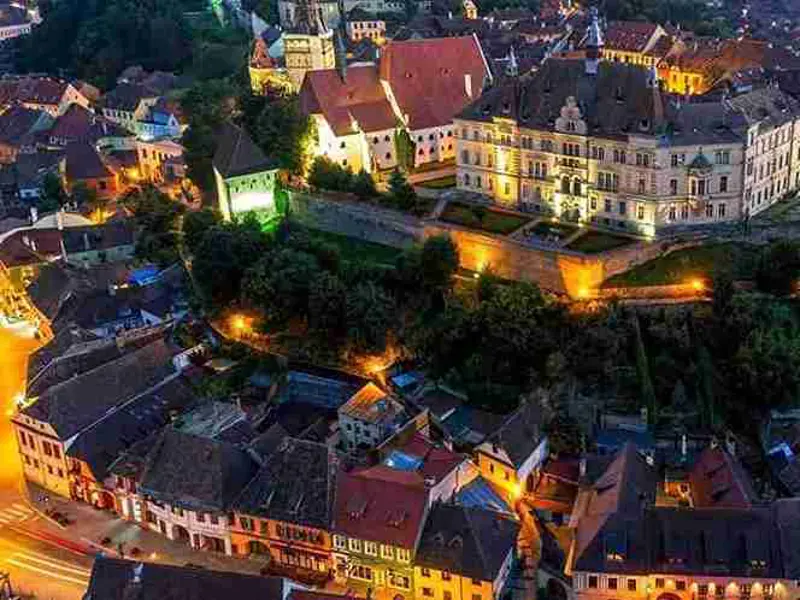
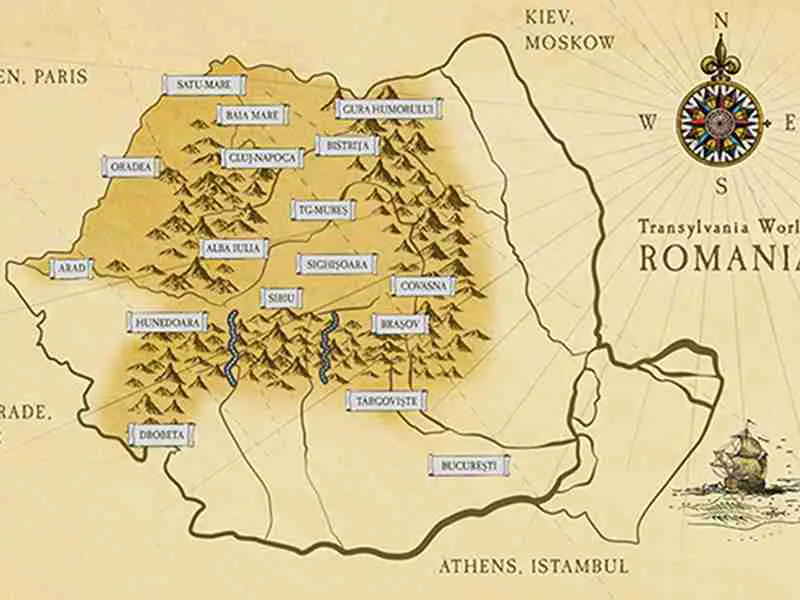
Vlad was born around the year 1431, probably at Sighișoara, in a royal family linked to the dynamics of regional politics. His father, Vlad Dracul, a member of theOrder of the Dragon, placed the family in a European context marked by the Ottoman threat. The name "Drăculea" indicates filiation to his father ("son of Dracul") and the connection with the Order Protector of Christendom.
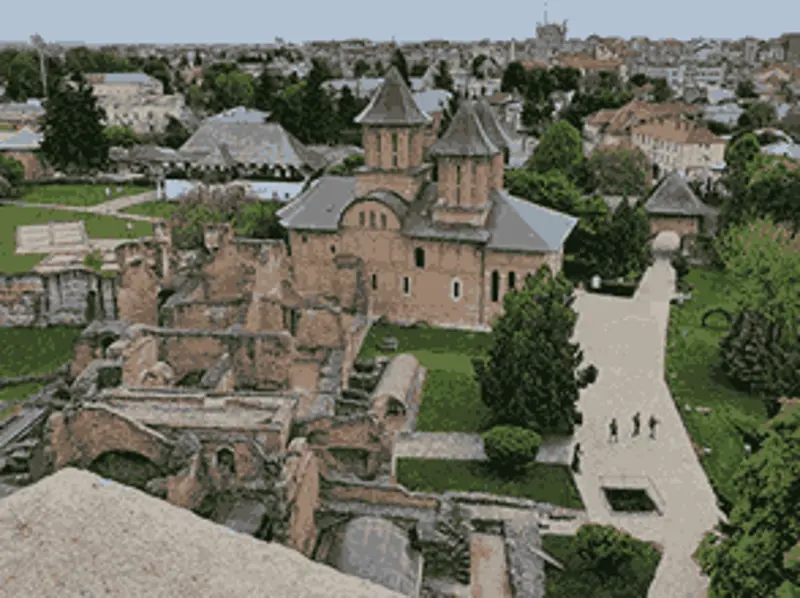
After settling at Târgoviște (1436), The young Vlad received a high-level education: military training, linguistic knowledge, and diplomatic skills. In 1442, fate threw him into captivity at the Ottoman court (Edirne and Anatolia), along with his brother Radu. These years as a hostage gave him a first-hand knowledge of Turkish strategies, as well as an understanding of the military system and the psychology of the enemy — experiences that would prove vital to him in the years to come.
The road to the throne: wanderings, alliances and returns
His first short reign (1448) gave Vlad a taste of power, but political instability forced him to wander: he sought support at the courts of Moldavia (where he met his cousin Stefan) and Transylvania, under the protection of Iancu of Hunedoara. These military and diplomatic ties turned into alliances that would facilitate his definitive return to the throne.
In 1456 Vlad resumes the rule of Wallachia after the defeat of Vladislav II. A reign is followed, consolidated by harsh reforms, aimed at restoring internal order and preparing the country for external confrontations.
Internal reforms and the imposition of order
Vlad's style of government was authoritarian but effective. Fighting corruption, punishing oppressors, protecting Romanian merchants, and reorganizing defenses made Wallachia a much safer country: thefts decreased drastically, roads were safer, and local administration was brought back under control.
- Intensification of control over the boyars and punishment of treason
- Strict regulations against robbery and abuse
- Consolidation of fortresses and garrisons
- Protection of Romanian merchants from Saxon commercial interests
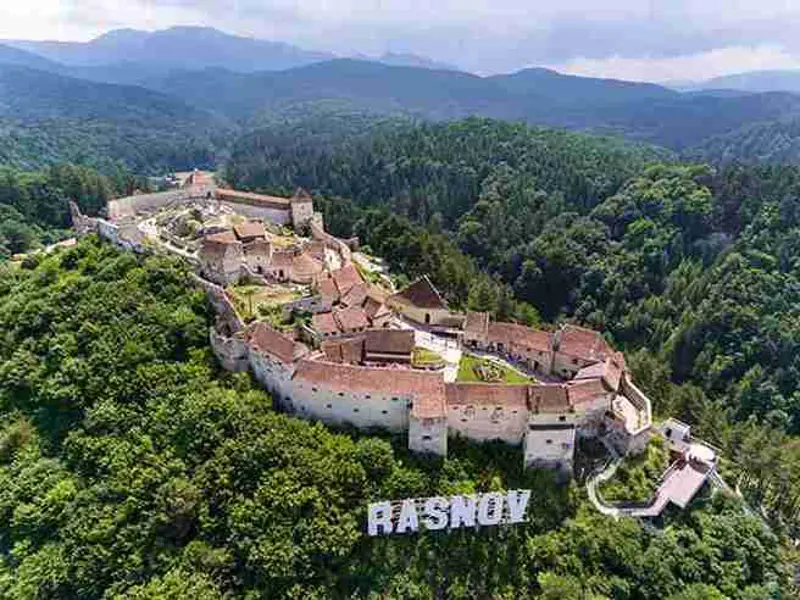
These measures earned him admiration among the peasants and hostility from some elites, especially the Saxon community in Transylvania. The political and economic conflict triggered with cities such as Brașov would become one of the threads of regional tensions.
Ottoman pressure and the refusal to pay tribute
The critical moment of his reign comes when the sultan demands tribute and, in addition, a human tribute — children recruited into the ranks of the Janissaries. Vlad categorically rejects this demand. His response is not just a diploma: he prepares the country for battle, warns the boyars and starts a campaign of strategic sacrifice aimed at weakening the logistics of the Ottoman army.
The great war(1461–1462) and the attrition strategy
In 1461–1462, Vlad employed a combination of guerrilla tactics, economic warfare, and psychological warfare: evacuation of populations, scorched earth, poisoning of wells, burning of supplies, and rapid attacks by light horses. The goal was simple and brutal: to starve the invading army of water, food, and mobility.
- Resource destruction — compromised supplies and water sources
- Blitzkrieg attacks by Wallachian light cavalry
- Continuous harassment of marching columns
- Disrupting enemy logistics to weaken the offensive
Night attack (16–17 June 1462)
The most famous action is the night attack: Vlad, dressed in Turkish clothes, sneaks into the Ottoman camp in an attempt to eliminate the sultan. Although Mehmed escapes, the panic created and the organized chaos had a major strategic effect. Contemporary sources and chronicles attest that Vlad also used methods of symbolic terror — a "forest" of impaled people was intended to convey a clear message: the price of peace was force and fear.
The result: the Ottoman army, demoralized and logistically compromised, temporarily withdrew, and Wallachia was immediately unoccupied. The operation remains in history as an example of extreme psychological warfare, effectively applied by a voivode in a situation of numerical inferiority.
Captivity, betrayal and final return
The European politics of the time – full of conflicting interests – hit Vlad: Matei Corvin imprisoned him in 1462, citing misleading documents accusing him of collusion with the Ottomans. He spent about 12 years in captivity. During this time, his image suffered propaganda attacks, and foreign chronicles often represented him as a bloody tyrant.
ÎIn 1476, with the help of Stephen the Great and some Transylvanian allies, Vlad temporarily returned to the throne. But the end was tragic: after another military confrontation, he was killed — probably in an ambush or internal betrayal. The exact location of his grave is still a subject of debate among historians.
Image and historical memory
Although German caricatures and pamphlets exaggerated and distorted his figure, modern historical research has rebalanced the perspective. Great Romanian historians (Nicolae Iorga, Șerban Papacostea, Nicolae Stoicescu) and international projects (Corpus Draculianum) have uncovered documents and context that highlight Vlad's defensive and reforming role.
Today, Vlad Țepeș is viewed in a complex way: a harsh but effective ruler; a strategist who defended Wallachia; a figure used both by his opponents' propaganda and by popular mythology.
Dracula – Born from the Shadows, Transformed into Legend
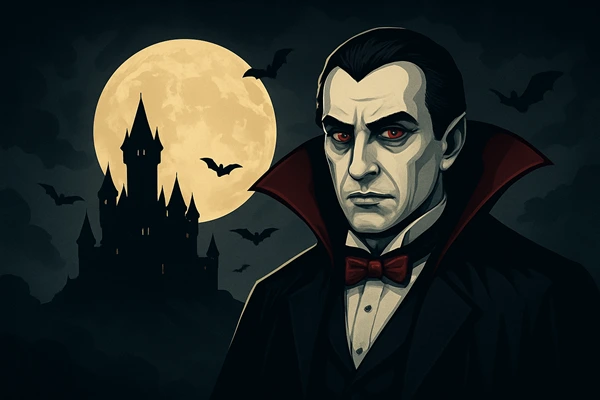
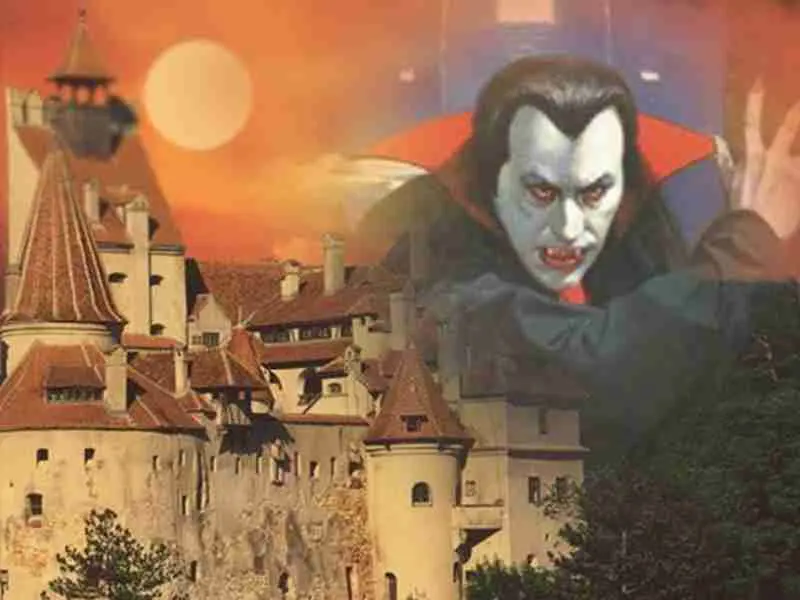
Dracula is the ultimate symbol of mystery, darkness and legends born in the heart of Transylvania. From the historical figure of Vlad the Impaler to the myth of the immortal vampire, the story of Dracula has captivated the world for centuries and continues to fascinate through culture, folklore, literature and cinema. Here you discover the origins, transformations and global influence of the most famous character of the Gothic world. Each chapter of his existence unfolds like a ritual of shadows, gradually revealing the truth behind the legend.
The Order of the Dragon and the Origins of the Name Dracul – The History Behind the Legend
The symbol of the Order of the Dragon was a dragon, and its main mission was the defense of Christianity and the fight against Ottoman expansion. Vlad II, the father of Vlad Țepeș, was received into this order in 1431, in Nuremberg, by Sigismund of Luxembourg. His membership in the Order earned him the nickname "Dracul", derived from the Latin Draco, the official name of the knightly brotherhood.
However, just a few years later, in 1436, his name was removed from the list of knights. The reason: flagrant violation of the Order's Christian statutes. In 1432, Vlad II Dracul personally led Ottoman troops in the attack on the Severin Fortress, where all the Teutonic Knights – defenders of Christianity – were killed. In the same year, using the prestige of his title, he ordered the opening of the gates of the Caransebeș Fortress, which was later burned and plundered by the Turks. The devastation continued in southern Transylvania, with the Ottoman troops heading back towards the Danube with numerous booty and slaves
The nickname „Țepeș” was attributed to his son, Vlad III, as a result of the executions by impalement, the method of punishment for which he became known. The Turks called him Kazıklı Bey ("Immolator Prince"), and this name first appears in a Wallachian chronicle from 1550, and has survived to this day in Romanian history.
Conclusion
The life of Vlad Țepeș remains one of the most relevant lessons of the Romanian Middle Ages: how an intelligent leader, skilled in tactics and unafraid of tough decisions, can ensure the survival of a people caught between great powers. Beyond the literary symbols that will transform his name into the myth of "Dracula", Vlad was first and foremost a ruler who knew how to respond firmly to threats and impose order when it was lacking. His legacy — continually reinterpreted by historians and culture — remains essential for understanding Romania's historical identity.