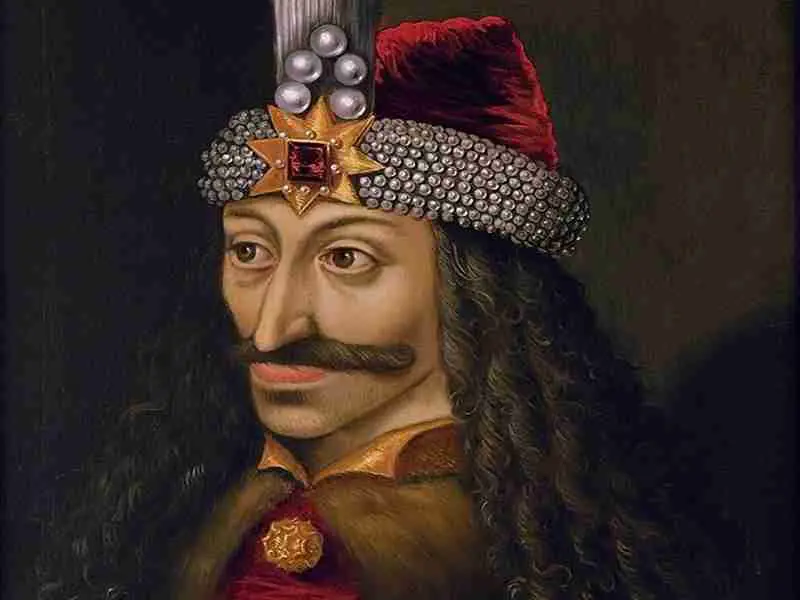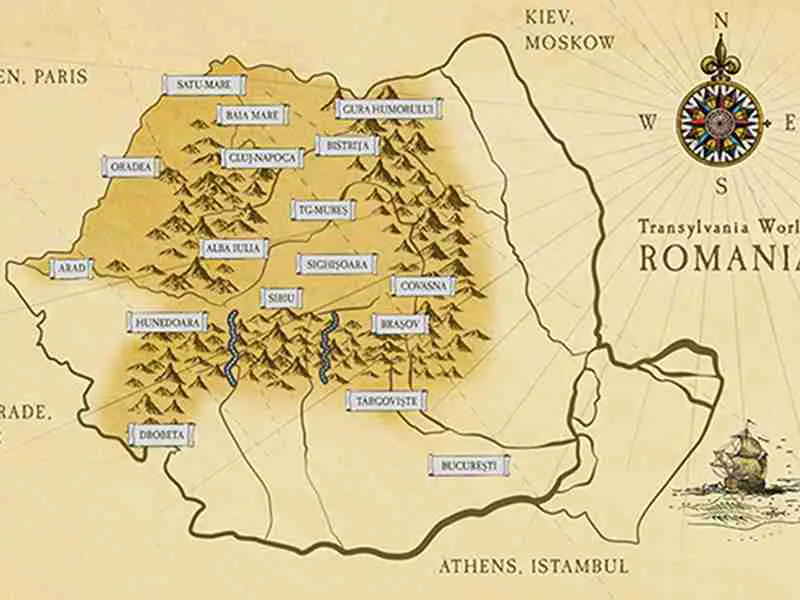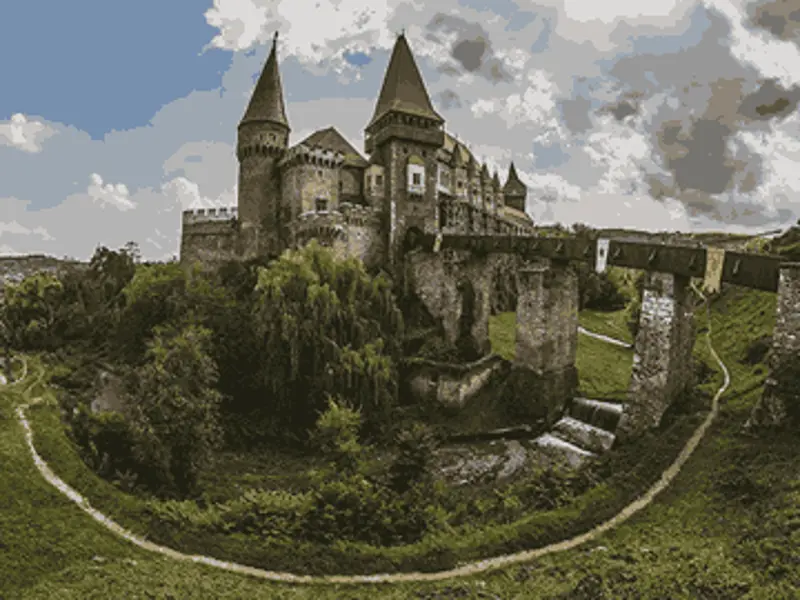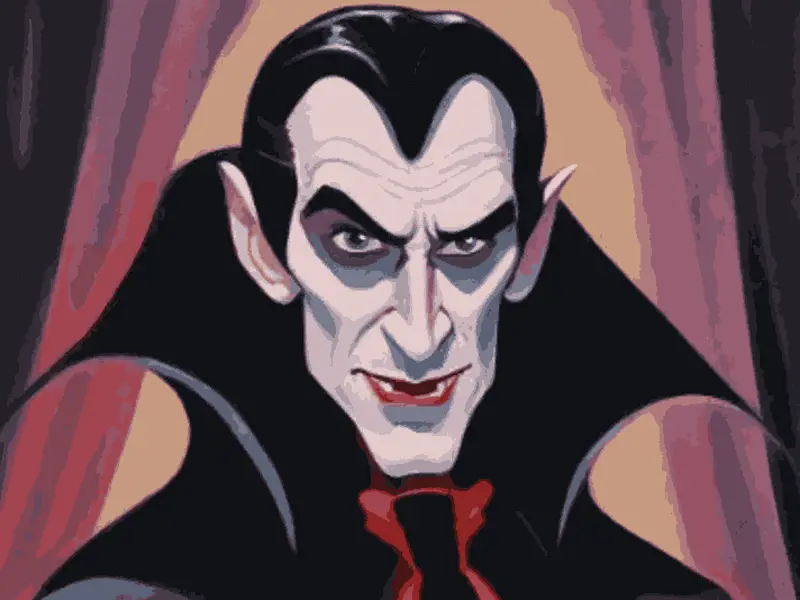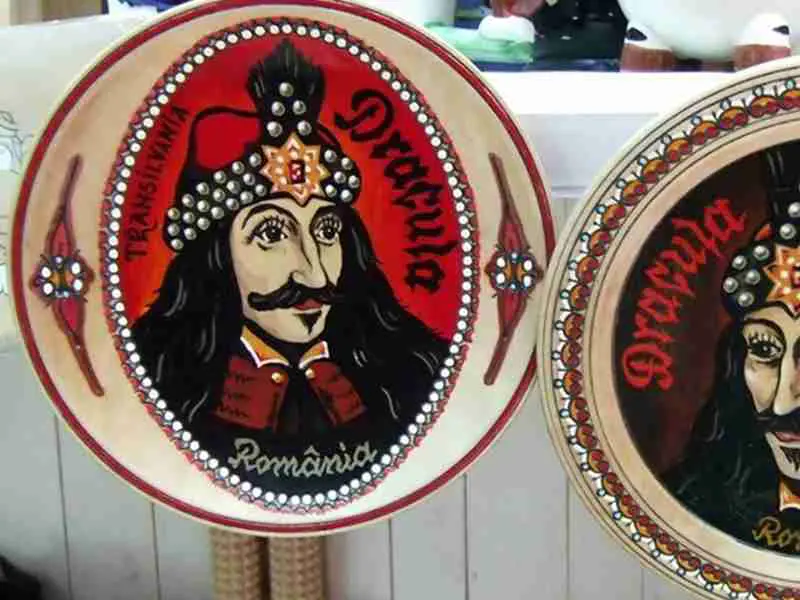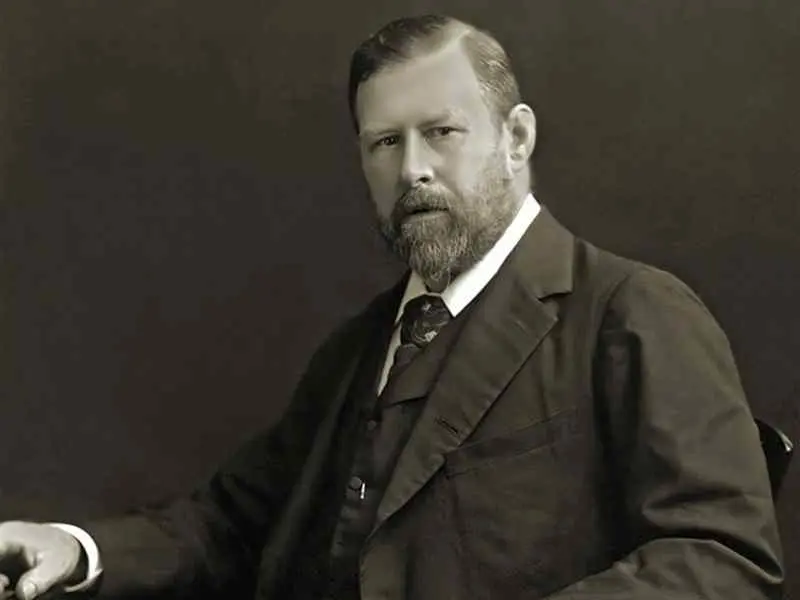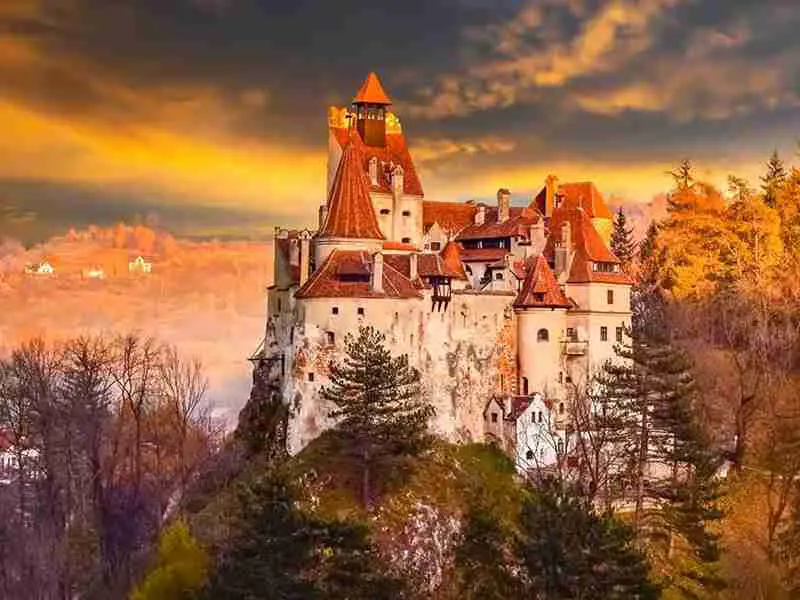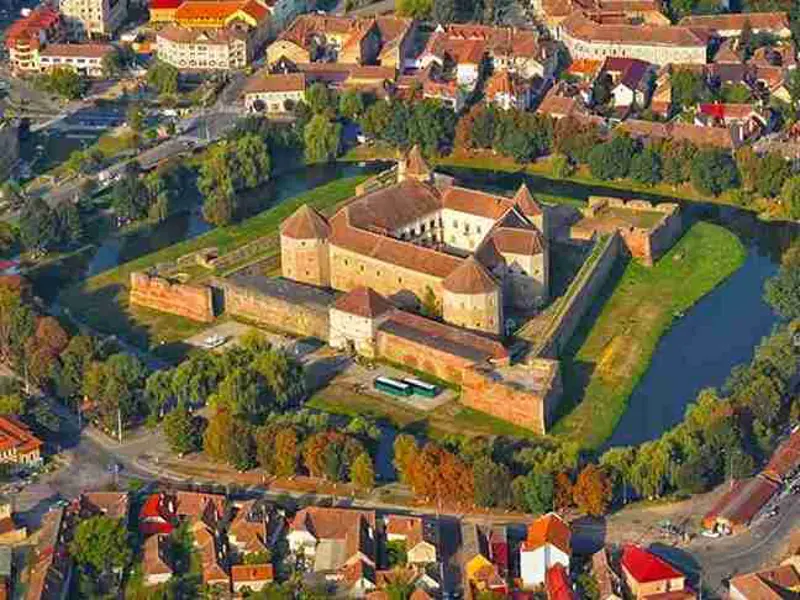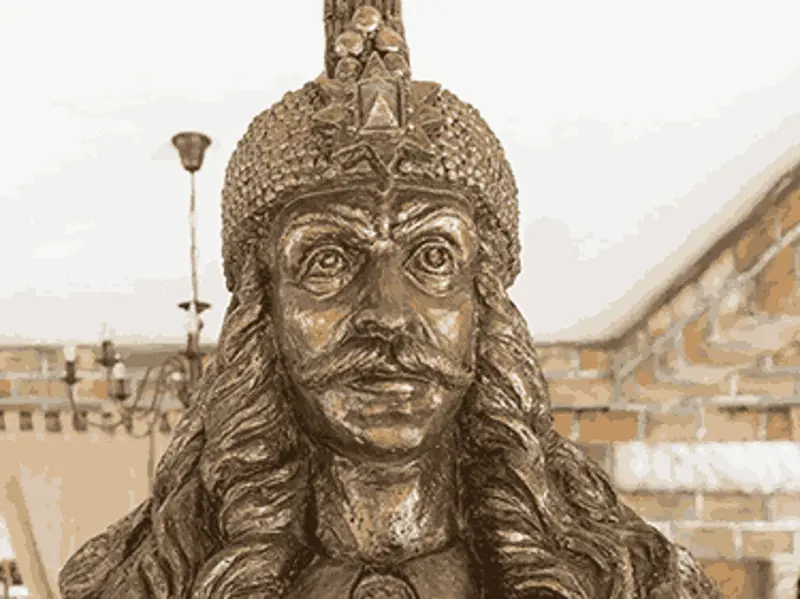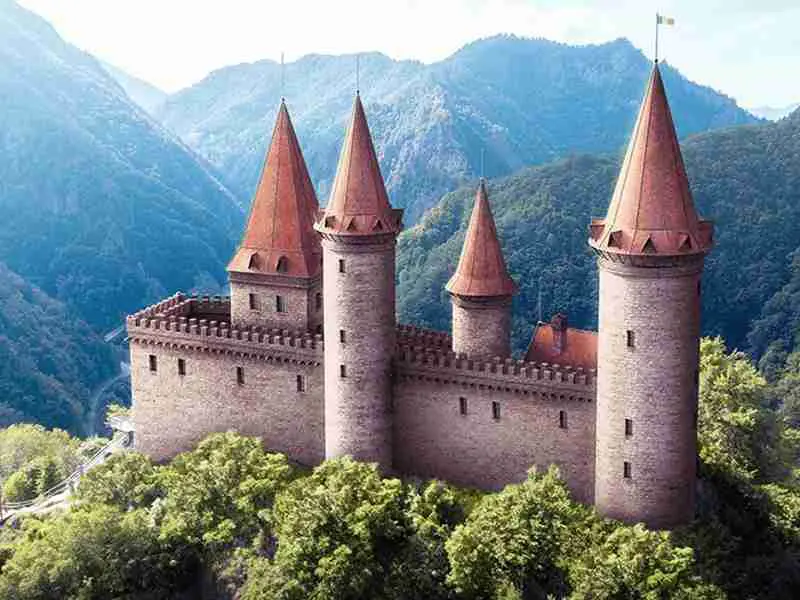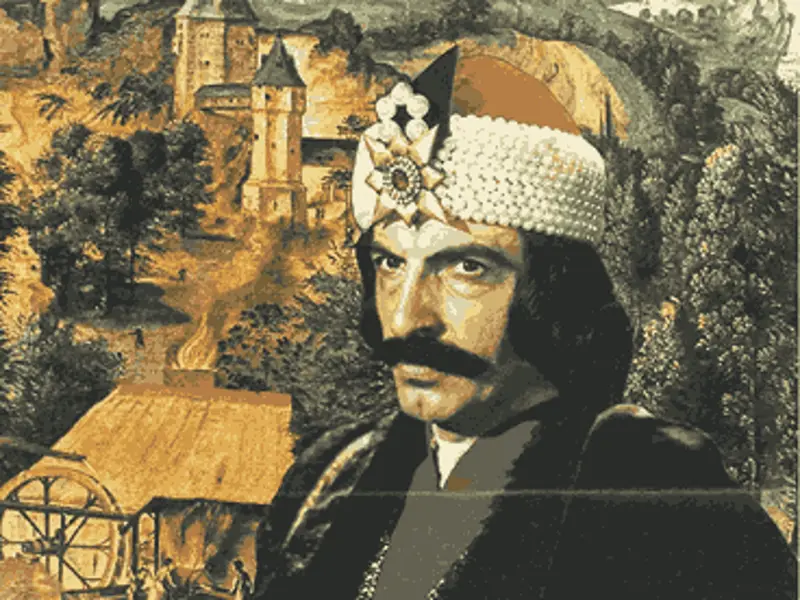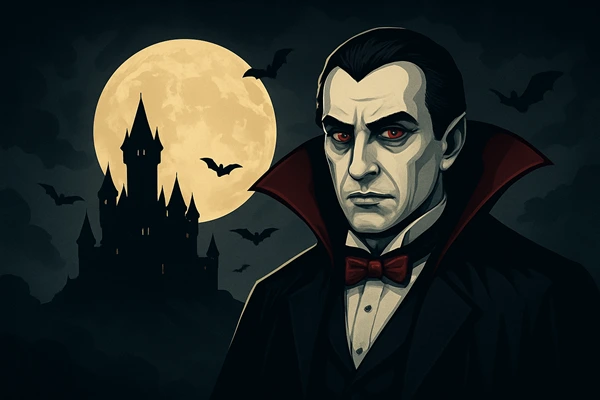
Bram Stoker's novel "Dracula," published in 1897, transformed the vampire myth into a global legend. Combining Transylvanian folklore with Gothic fiction, Stoker created memorable characters and an atmosphere full of mystery, darkness, and suspense. His work has influenced horror and fantasy literature and inspired a multitude of films, plays, and modern reinterpretations.
Who wrote the novel?
- Bram Stoker – Irish writer
- Inspired by Transylvanian folklore and history
- Influenced by Victorian and Gothic culture
What does the novel contain?
- The story of Dracula and his journey to Europe
- The conflicts between the vampire and the people who try to stop him
- Themes of fear, immortality, and morality
How was it received?
- Quickly became popular in Great Britain and the USA
- Inspired literary criticism and academic analysis
- Became a landmark in horror literature
Why is It significant?
- Transforms the Dracula legend into a cultural symbol
- Popularizes vampirism in literature and film
- Inspires creativity in fiction and art
Where can you read the novel?
- Physical and digital libraries
- Public and university libraries
- Online editions and international translations
Conclusion
"Dracula" remains an essential landmark in Gothic literature, demonstrating Bram Stoker's mastery of combining history, myth, and fiction into a captivating and universally recognized story.