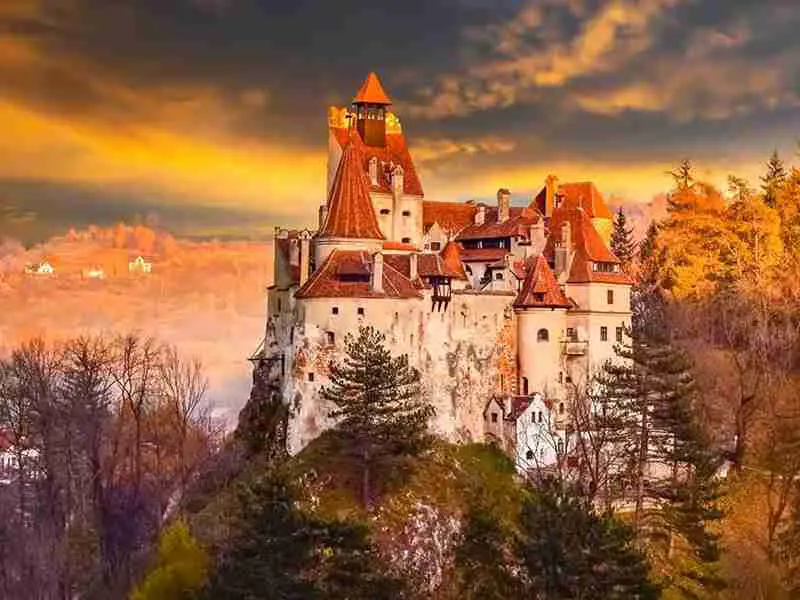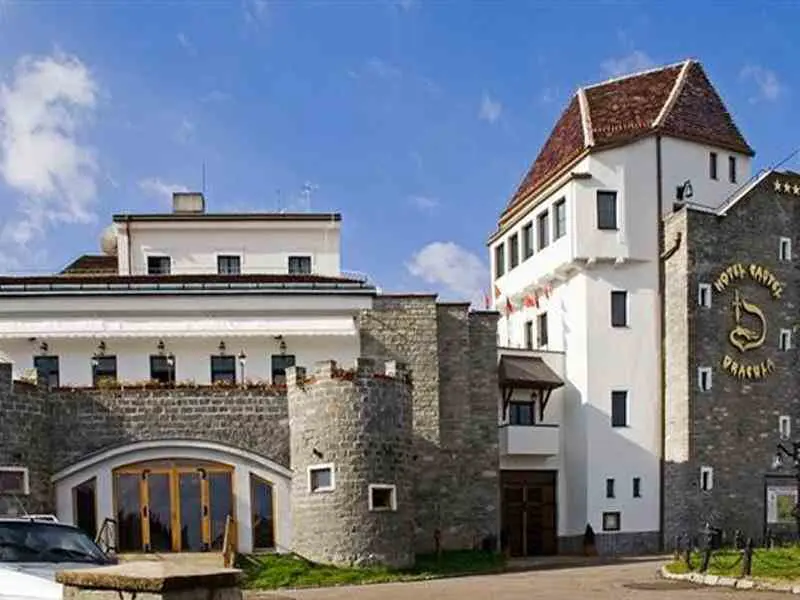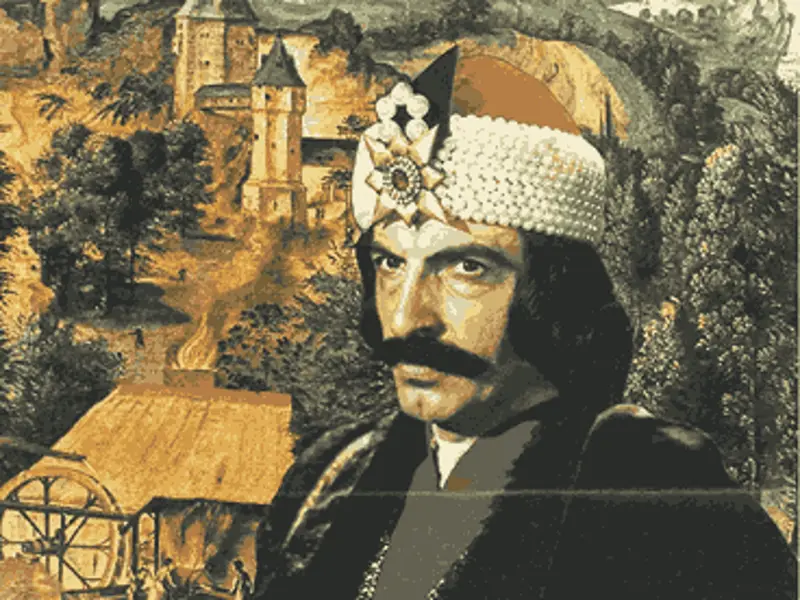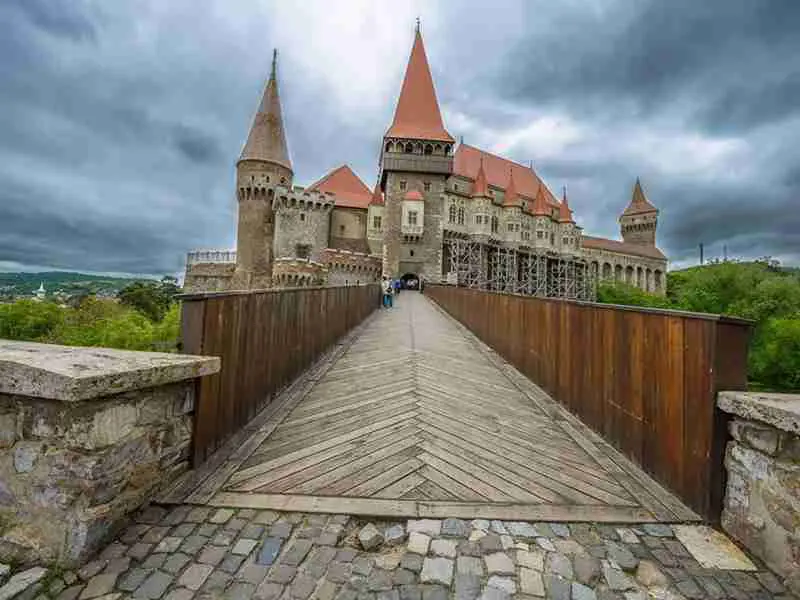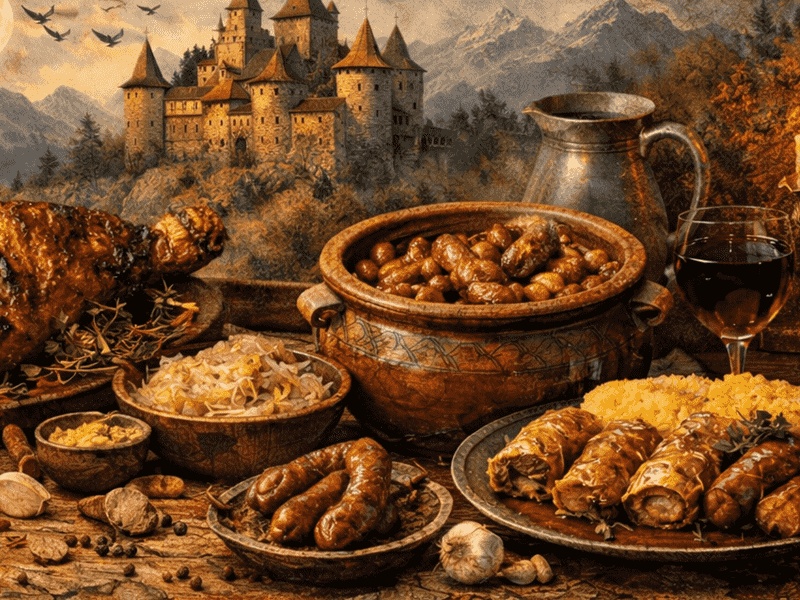
Gastronomy inspired by the legend of Dracula combines the medieval traditions of Transylvania with modern cultural imagination. In the past, Vlad the Impaler's princely meals reflected both the austerity of the era and Eastern and European influences. For the common people, the food was simple but nutritious, while the boyars enjoyed elaborate dishes, rare spices and strong wines. Today, the myth of Dracula has given rise to a thematic gastronomy that reconstructs, in a creative manner, the dark tastes of the medieval era.
What dishes are associated with the legend of Dracula?
- Medieval stews based on smoked meat and aromatic herbs
- Black bread with garlic, inspired by vampire superstitions
- Sour soups from the Brașov and Făgăraș areas
- Steaks marinated in red wine, symbolizing princely power
What ingredients were popular during the time of Vlad Țepeș?
- Preserved and smoked meats for times of war
- Root vegetables grown on Wallachian lands
- Grains such as millet, oats, and wheat
- Oriental spices brought via trade routes
How did the myth of Dracula inspire modern gastronomy?
- Creating thematic menus in medieval restaurants
- The emergence of desserts with a Gothic aesthetic, in dark colors
- The use of red wines to recreate the dramatic atmosphere
- Culinary events dedicated to the voivodeship era
Why does Dracula-inspired gastronomy attract so many tourists?
- The authentic experience of a reinterpreted medieval meal
- Combining history with a mysterious atmosphere
- Interest in Transylvanian traditions
- Curiosity about vampire symbolism in food
Conclusion
Gastronomy dedicated to Dracula is not just an exercise in imagination, but an authentic exploration of medieval Transylvanian cuisine. The tastes, ingredients and traditions of Vlad Țepeș's era are found today in reinterpreted dishes, full of character and symbolism. These culinary experiences bring together history, legend and flavor, transforming the myth into a memorable gastronomic adventure.