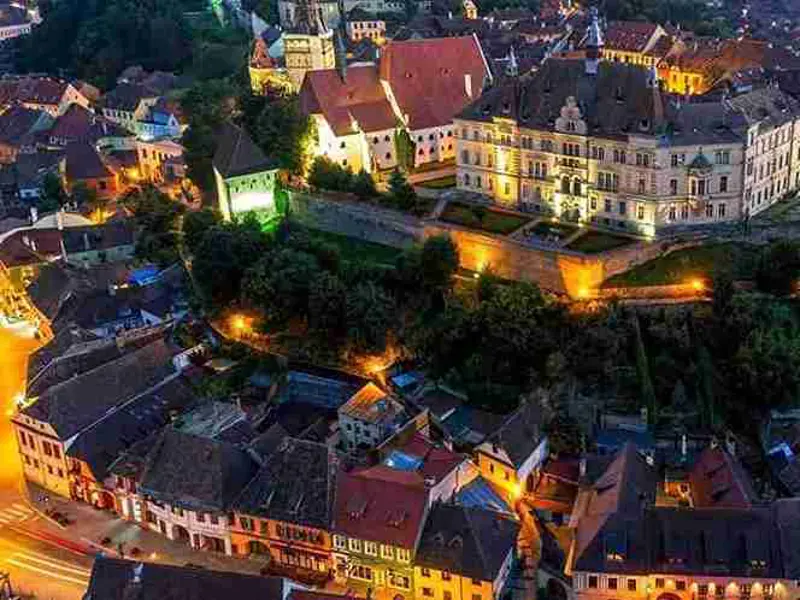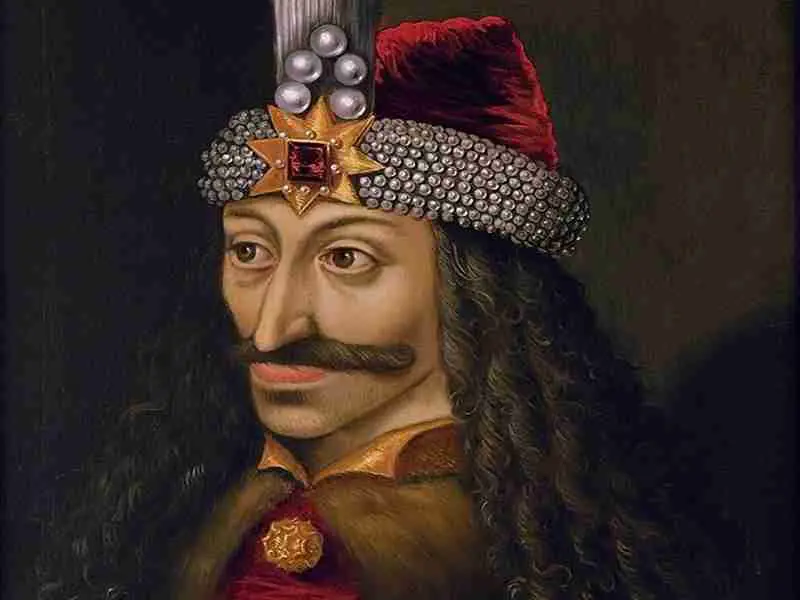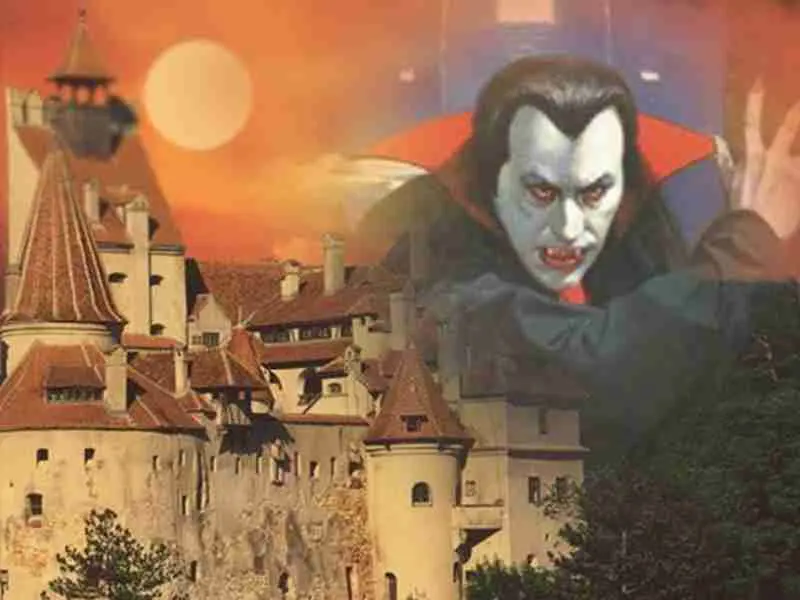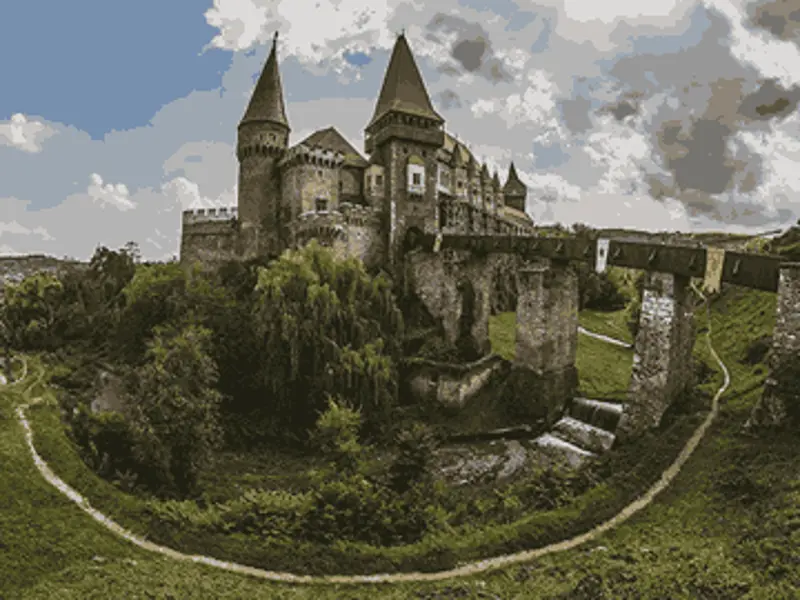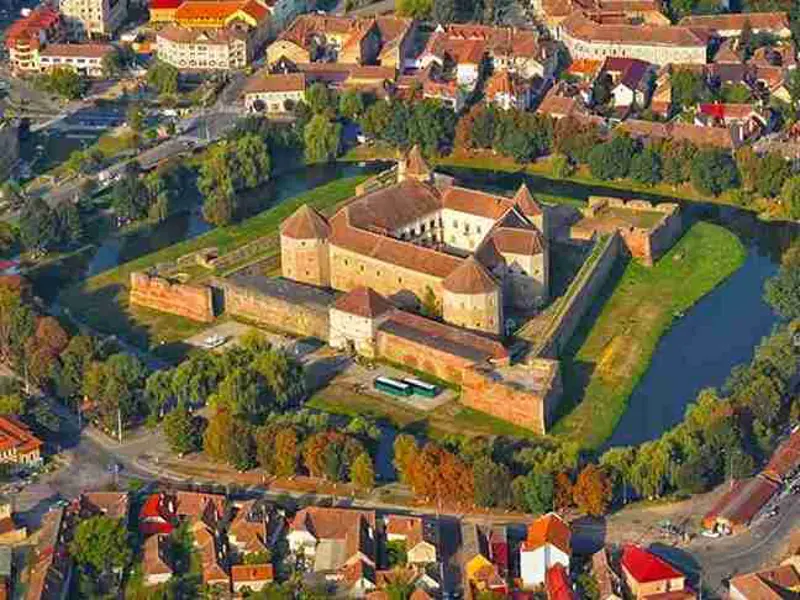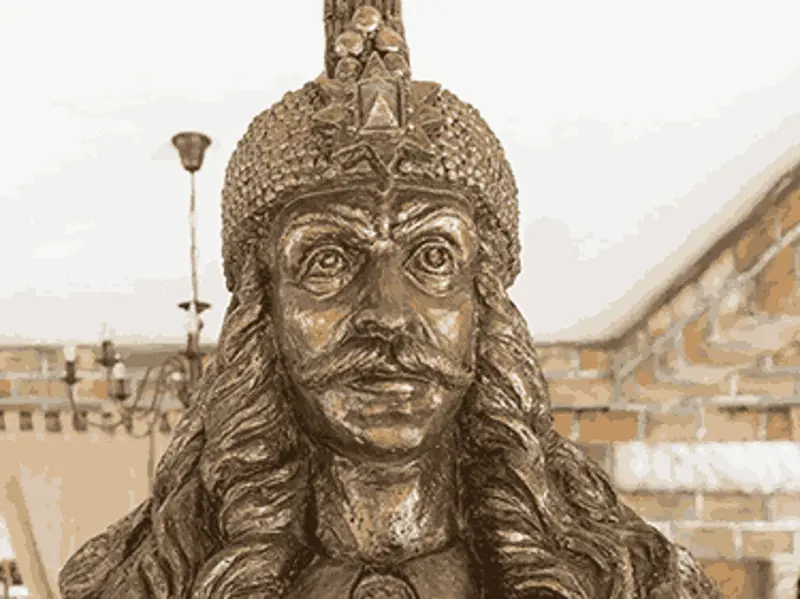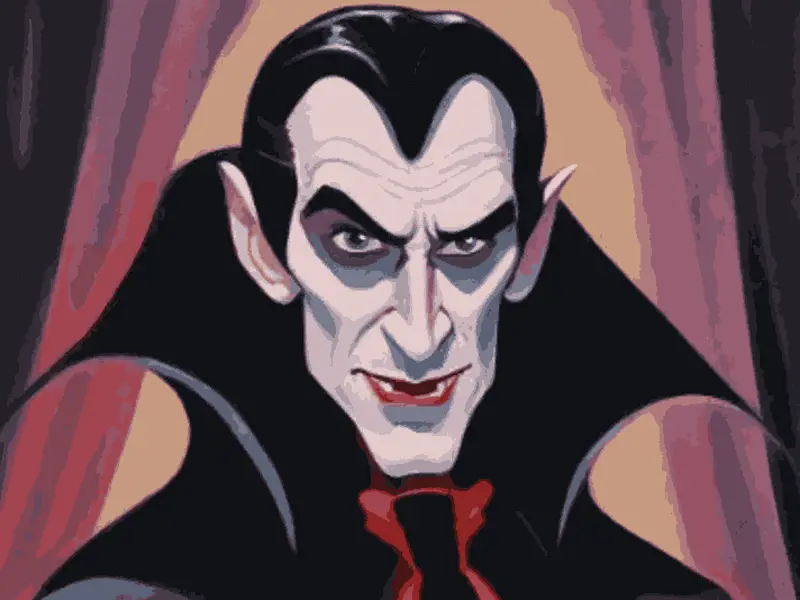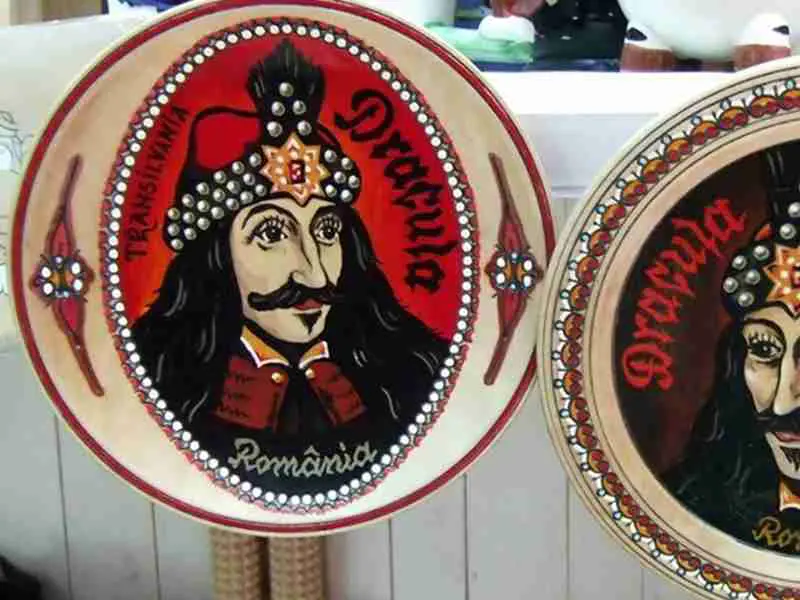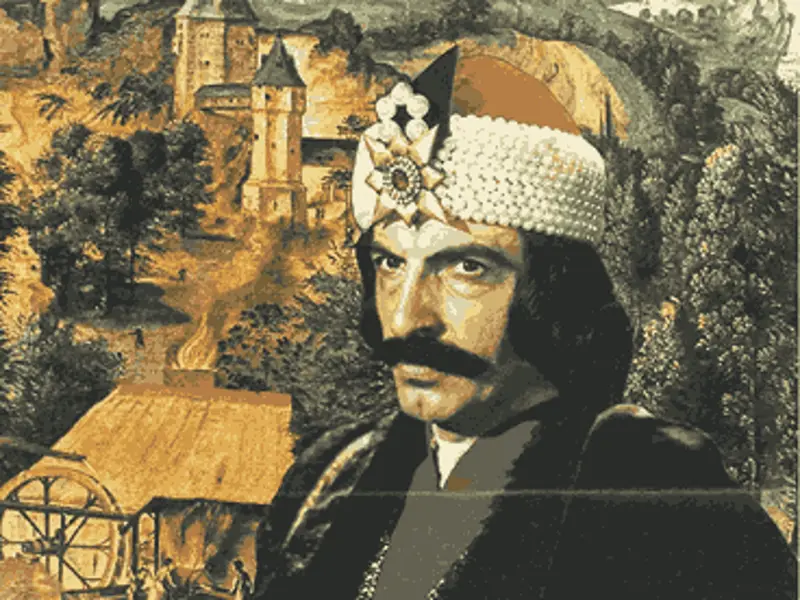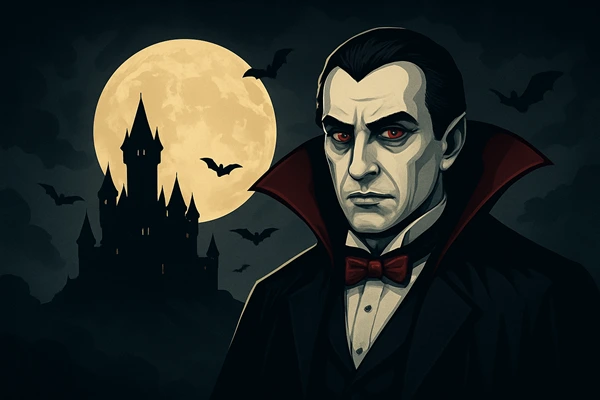
The myth of Dracula has been preserved in Romanian poetry and folklore for centuries, passing down tales of Vlad Țepeș and vampires from generation to generation. Poets and storytellers have used fantastical elements to explore fear, power, and eternity. This oral and written tradition has influenced popular literature and later inspired European Gothic novels.
Who perpetuated the legend in poetry and folklore?
- Romanian poets and storytellers
- Anonymous authors from Transylvanian communities
- Writers of European fairy tales and myths
What themes are common?
- Vampirism and the supernatural
- Legends of Vlad the Impaler
- Moral value and folkloric warning
How are stories transmitted?
- Oral – through folk tales and songs
- Written – poetry and folklore collections
- Modern adaptations in books and magazines
Why is folklore important?
- Preserves Romanian traditions and myths
- Enriches Transylvanian literature and culture
- Inspires modern literary works and films
Where can you find these creations?
- Folklore collections and ethnographic museums
- Romanian bookstores and libraries
- Anthologies and digital publications
Conclusion
Poetry and folklore have contributed to preserving the myth of Dracula, offering a unique perspective on the culture and history of Transylvania, fascinating readers with mystery and legends.