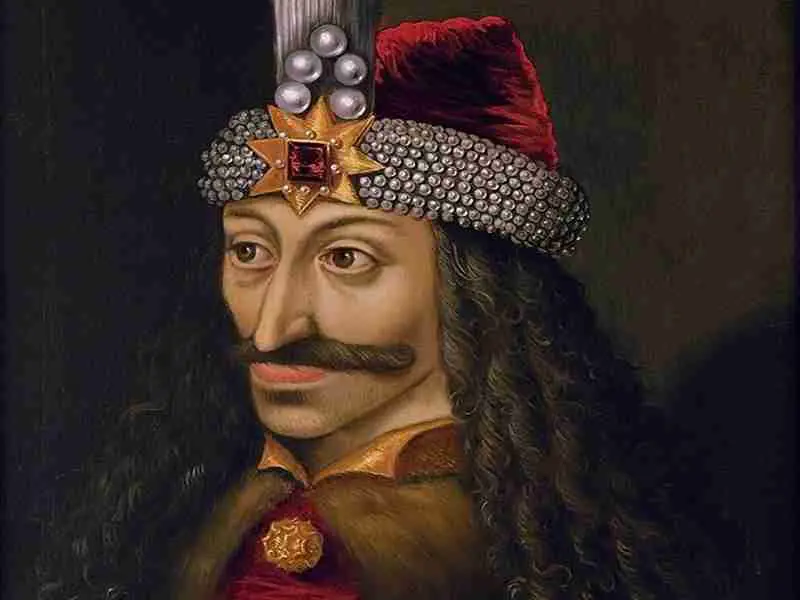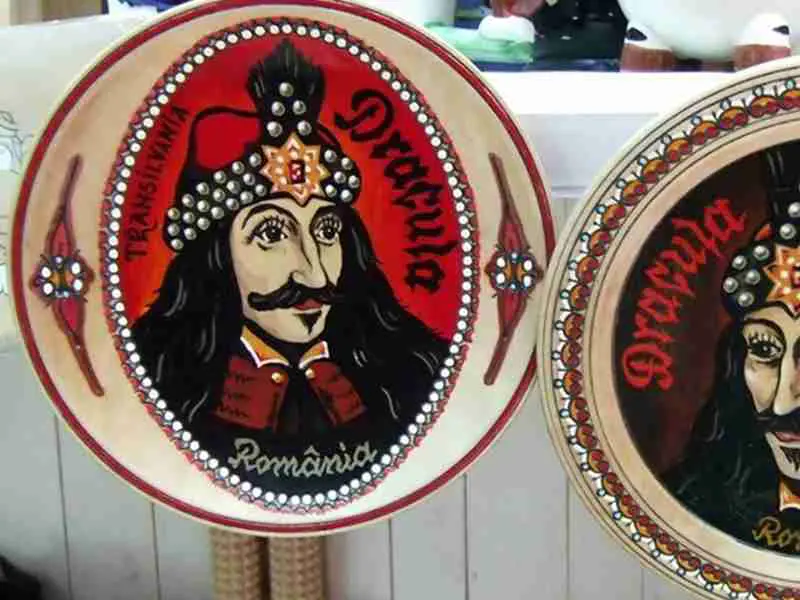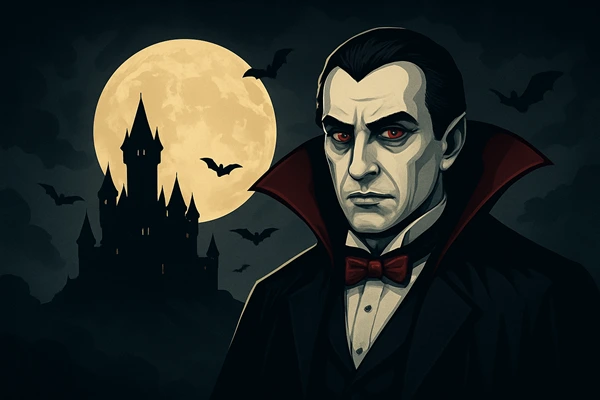
The mythological image of Dracula has evolved over the centuries, influenced by folk tales, superstitions and symbolic representations of the afterlife. In traditional Romanian culture, the concept of the vampire is not limited to the romanticized figure in modern literature, but encompasses a diverse range of supernatural entities, from wandering spirits to creatures thirsty for vital energy. While the strigoi and moroi dominated the rural imagination, oral narratives gradually transformed these figures into much more elaborate characters, giving rise to the archetype that would become Dracula – a synthesis of fear, mystery, divine punishment and occult fascination.
What elements from folklore contributed to the formation of the myth?
- Beliefs about the return of the unsaved dead
- Stories of spirits attacking at night
- Fears of unexplained illnesses and sudden weakness
- Traditional rituals for household protection
- Symbols passed down through centuries of oral tradition
How was the transformation into a vampiric creature perceived?
- A consequence of a life marked by sins or unfulfillment
- The result of an incorrect or incomplete burial
- The effect of a curse or a spiritual break
- A legacy passed down in families with "bad signs"
- A violation of traditions considered sacred
What manifestations were associated with vampiric entities?
- Unexplained weight loss in people in the house
- Nighttime apparitions and strange noises in the household
- Repeated nightmares and a feeling of pressure on the chest
- Strange behavior of animals, especially dogs and horses
- Marks on graves or disturbance of the ground
What role did the community have in combating evil?
- Protective rituals with fire, water or incense
- Ancient customs for driving away spirits
- Watching over the dead to avoid their "return"
- Consulting village elders, guardians of traditions
- Magico-religious practices passed down from generation to generation
Why did Dracula become a universal symbol?
- It brings together archaic fears valid in all cultures
- It is linked to the fear of death and the unknown
- It symbolizes the temptation of power and immortality
- It is adaptable and reinterpreted in different eras
- It has been amplified by literature, film and pop culture
Conclusion
The transformation of Dracula from a sum of popular beliefs into the most famous vampire of world culture is a unique phenomenon. Romanian mythology, rich in symbols and traditions, provided the raw material for a character who transcends time and space. Today, Dracula is not just a vampire, but a cultural archetype, a bridge between ancient fear and modern fascination with the supernatural. The myth continues to evolve, fueled by contemporary creativity and people's desire to explore the mysteries of the unseen world.