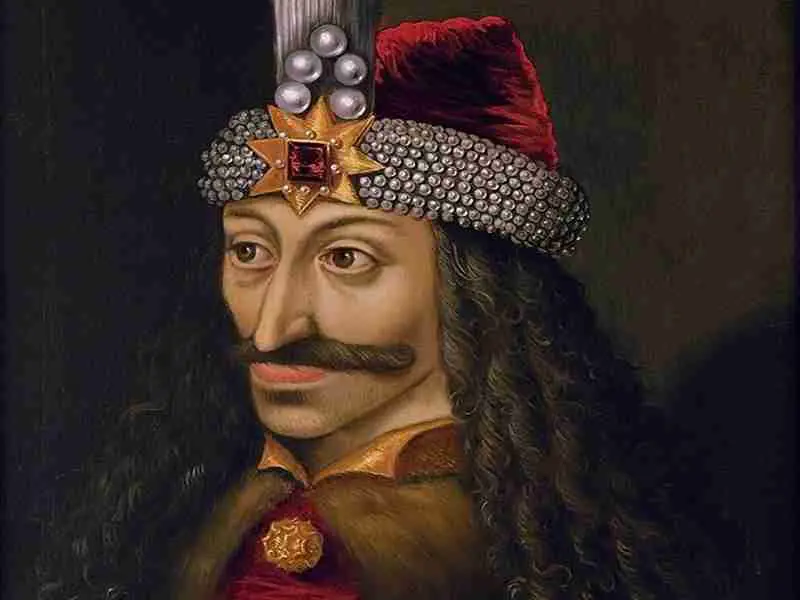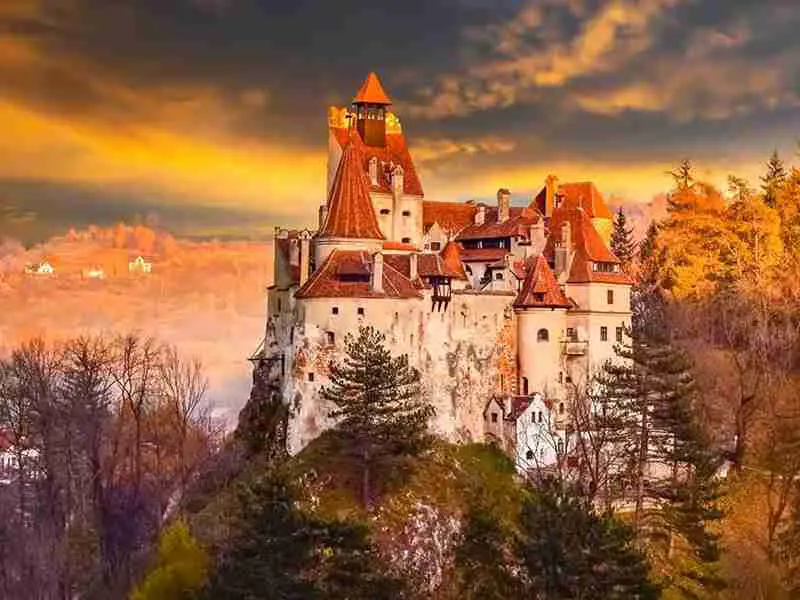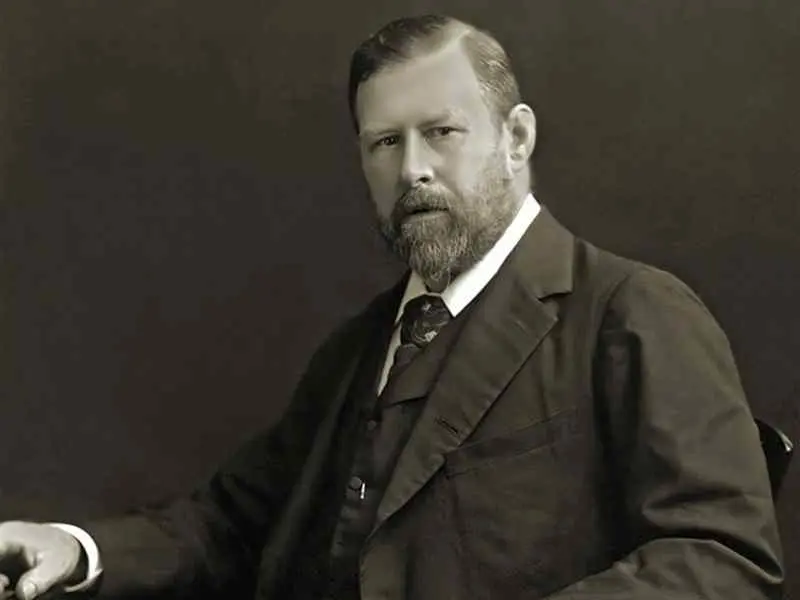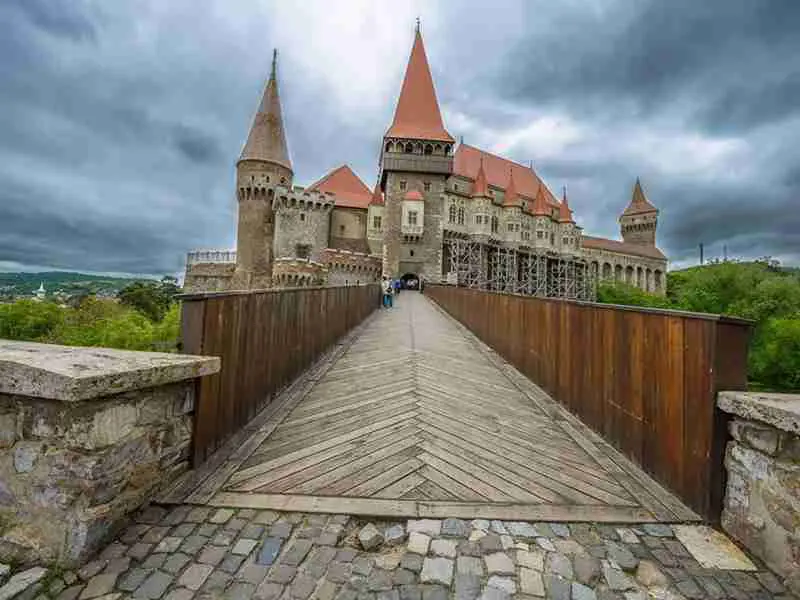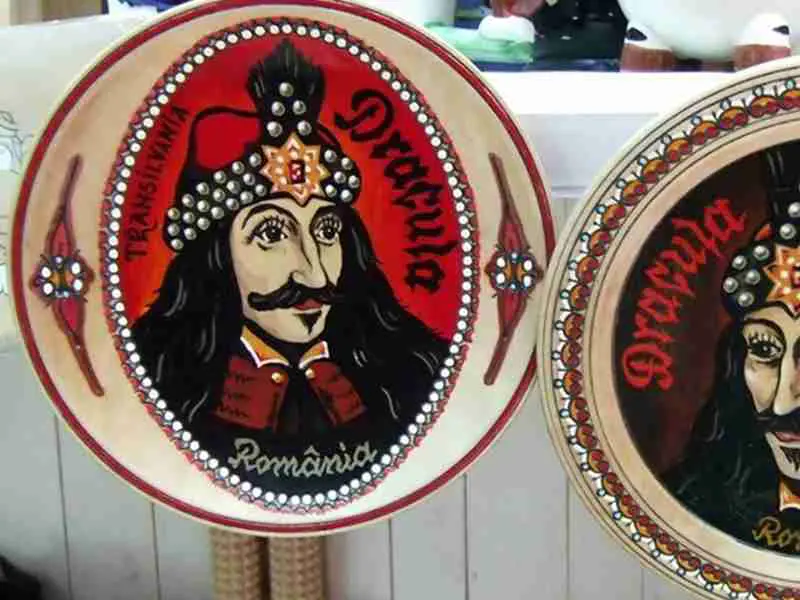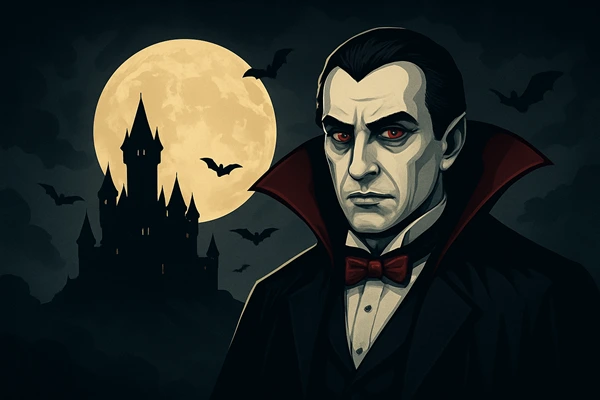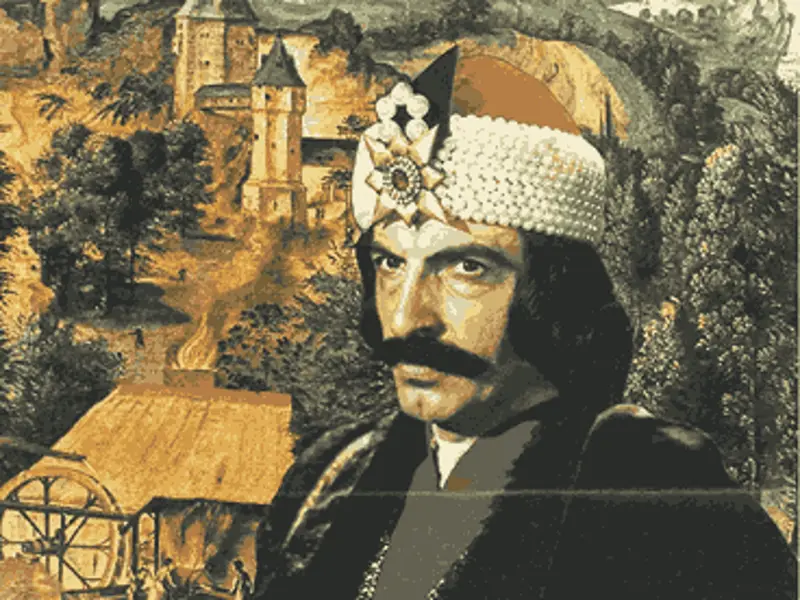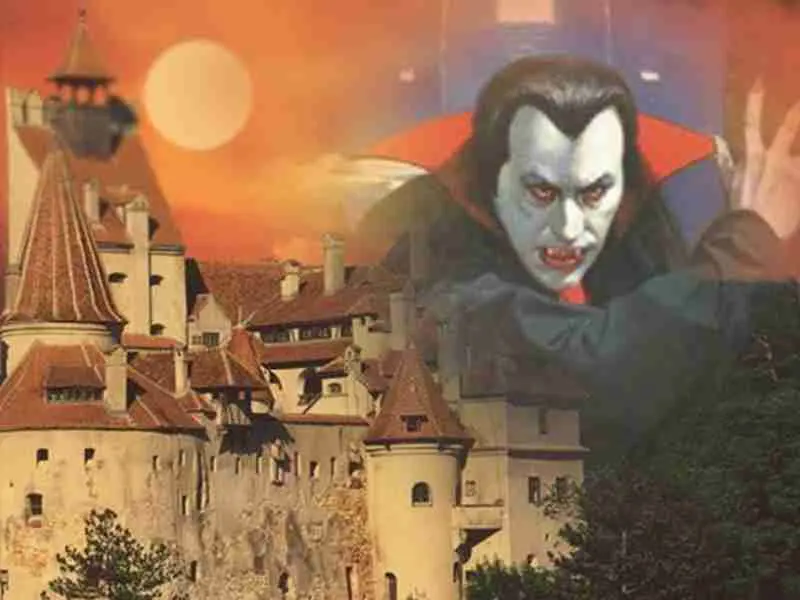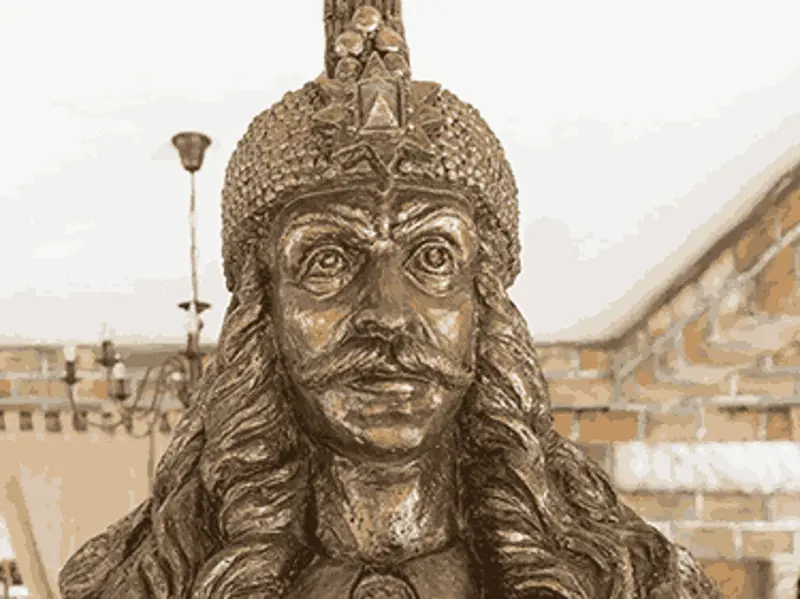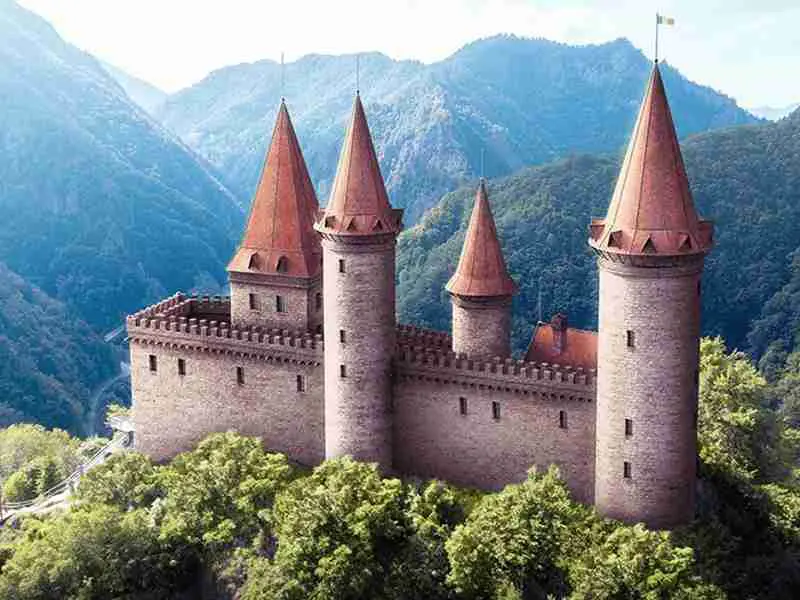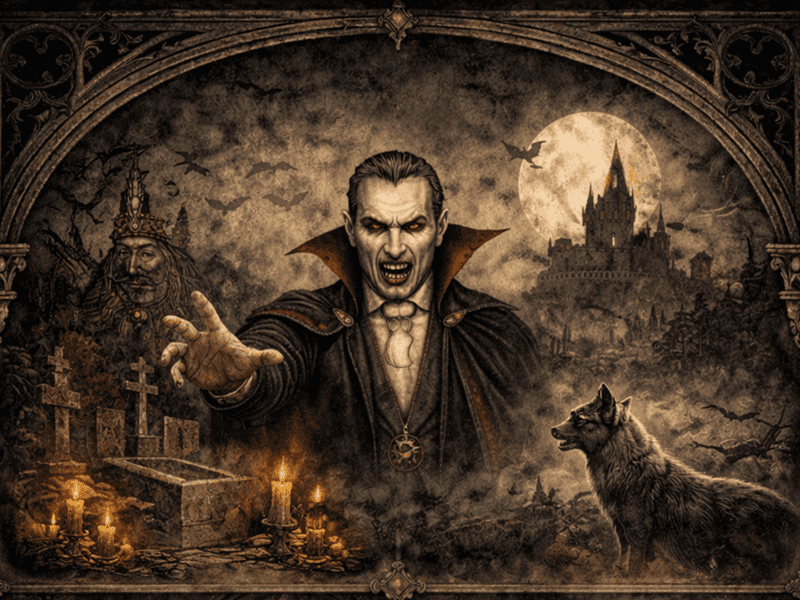
The traditions associated with the legend of Dracula have their roots in the ancient customs of Transylvania, where myths, superstitions and protective rituals played an important role in the life of medieval communities. In many villages, beliefs about spirits, ghosts and unseen forces intertwined with real history, and these stories contributed to the birth of the image of the vampire, so famous today. Although Vlad Țepeș was not a vampire, his stern figure was often associated with symbols of discipline and justice, combining reality with popular imagination.
What traditions were used for protection?
- Lighting candles at midnight
- Wearing garlic as an amulet against spirits
- Drawing crosses on doors and windows
- Prayers and incantations used at the change of seasons
How was the connection between traditions and the legend of Dracula formed?
- The confusion between historical battles and fantastic stories
- The influence of foreign chronicles on the image of Vlad Țepeș
- The use of Gothic symbols in modern culture
- The mixture of folk beliefs and Western literature
Customs that are still preserved today
- Traditional holidays with purification rituals
- Ancestor commemoration practices
- Customs related to the solstices and equinoxes
- Popular ceremonies in mountainous areas
Conclusion
The traditions surrounding Dracula are not simply modern inventions, but elements inspired by the ancient culture of Transylvania. These customs remain an important part of the local identity and contribute to the charm of the region, transforming the legend into a symbol of continuity between past and present.