The origin of the legends about Dracula
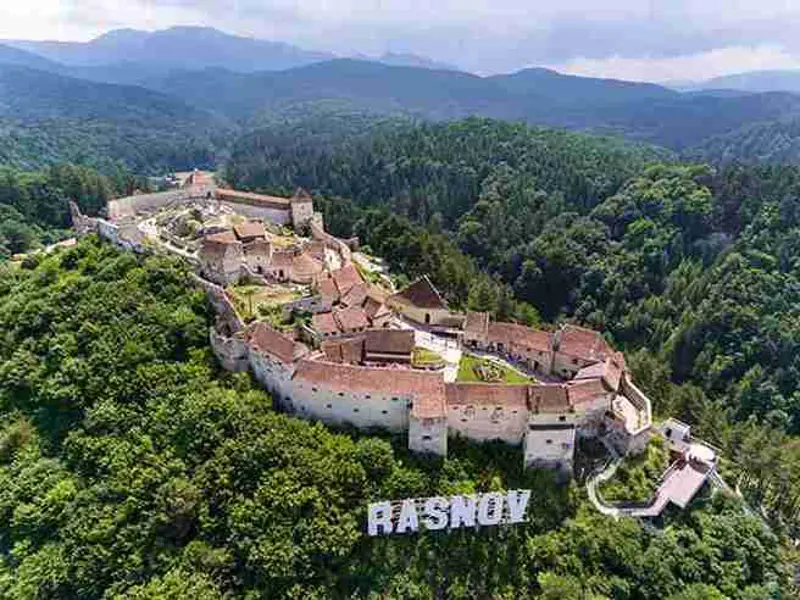
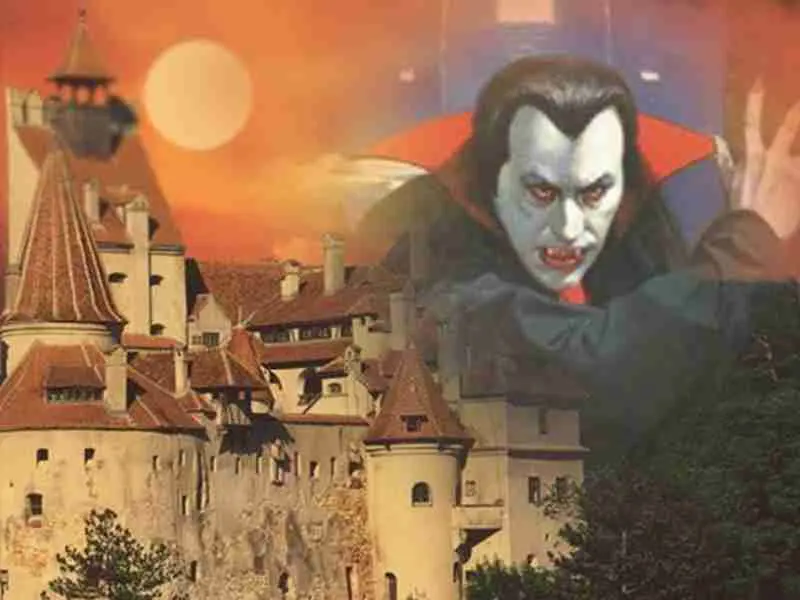
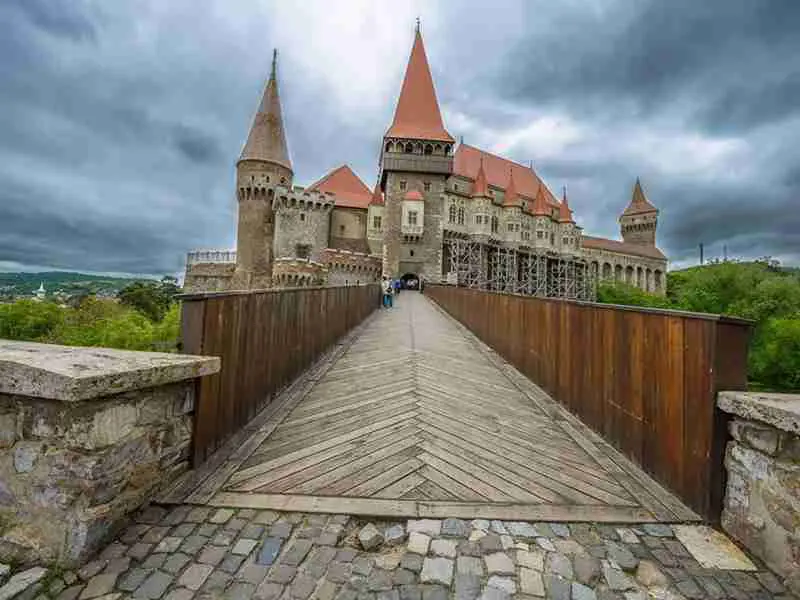
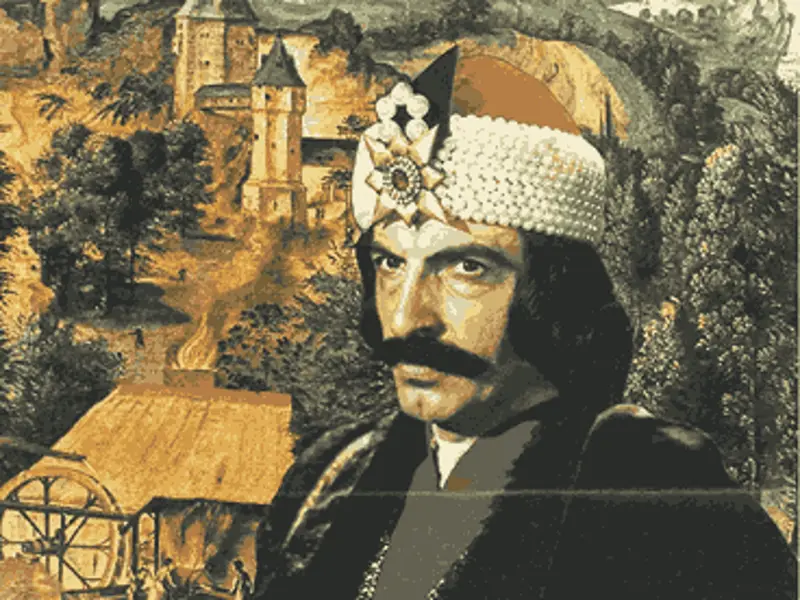
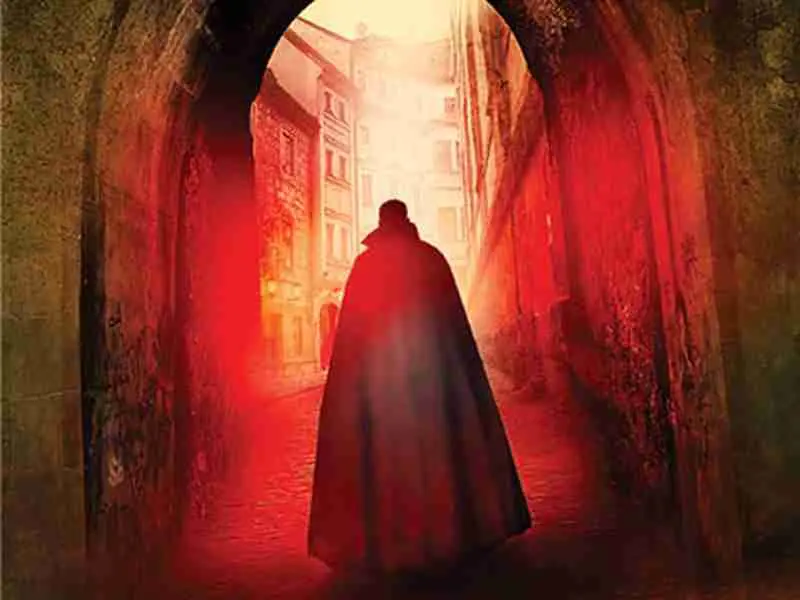
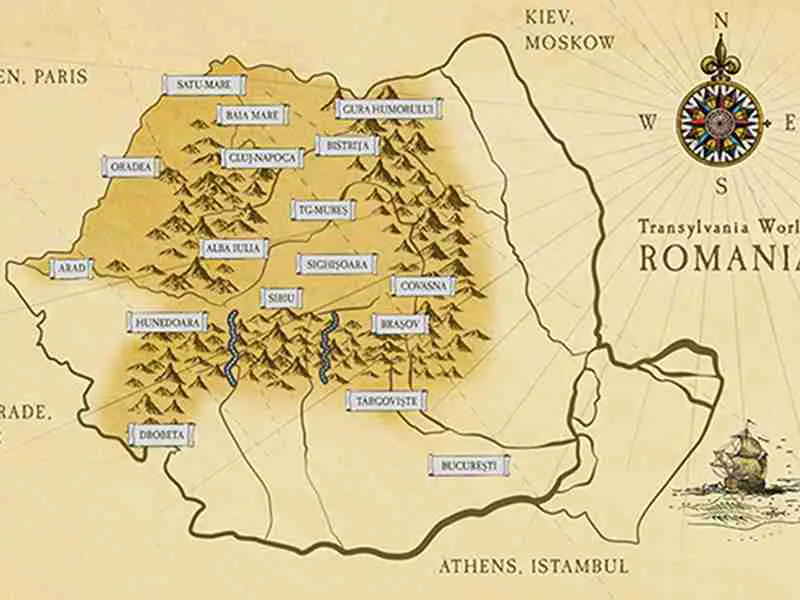
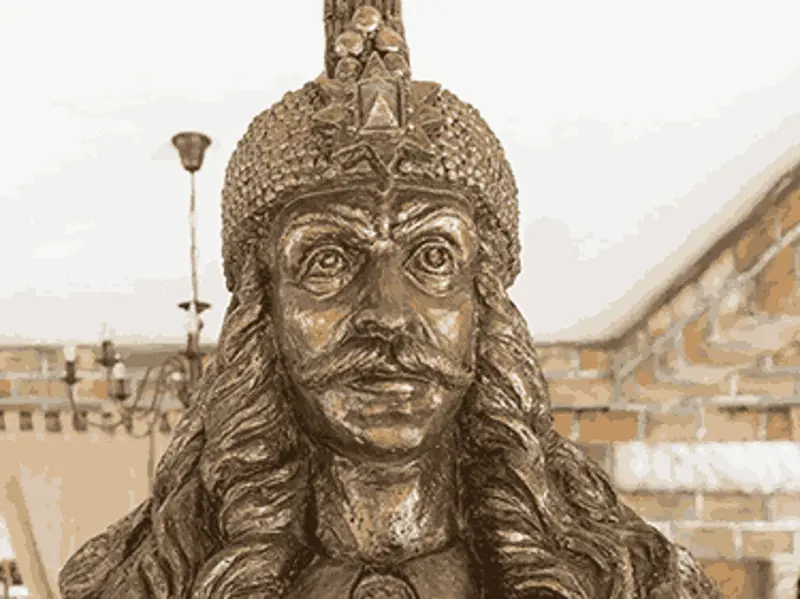
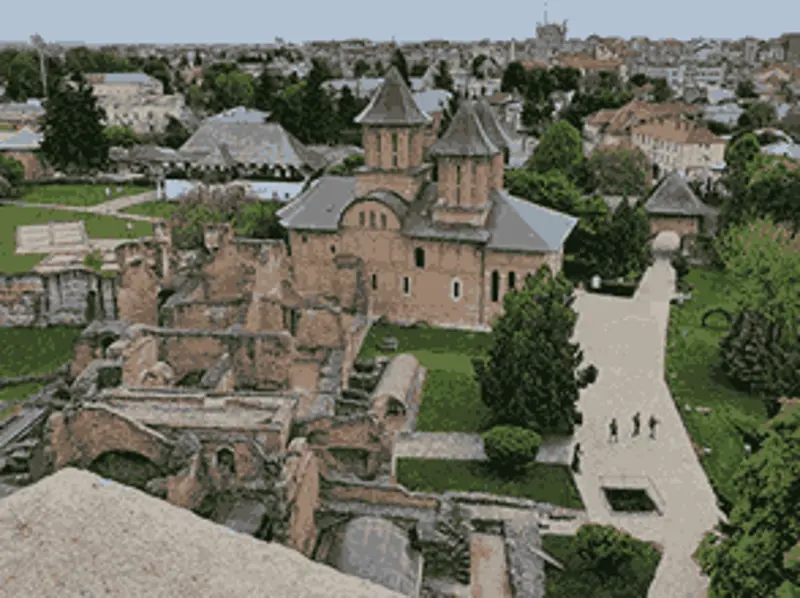
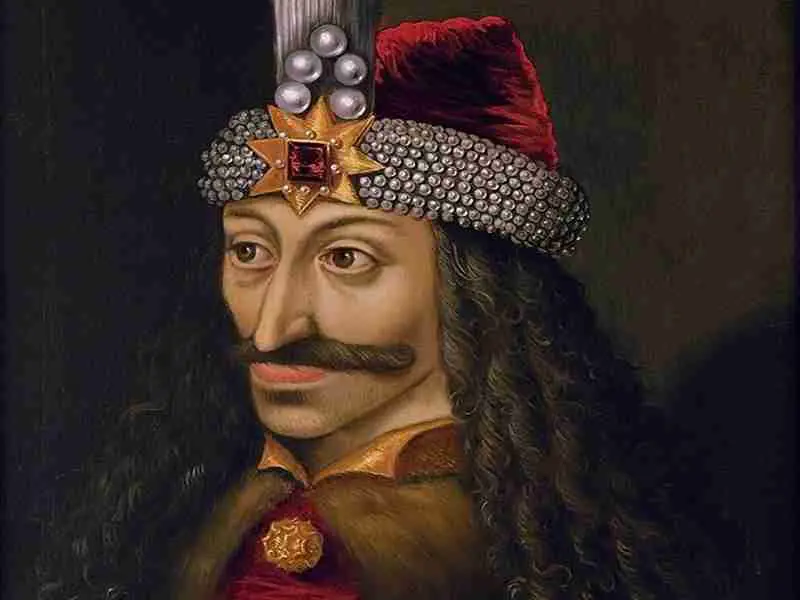
The legends of Dracula have their roots in medieval Transylvania and the real-life Vlad Țepeș. A combination of the ruler's cruelty and folk traditions about spirits and returned souls created fascinating stories that have captivated people's imaginations for centuries.
Why have vampires become so popular?
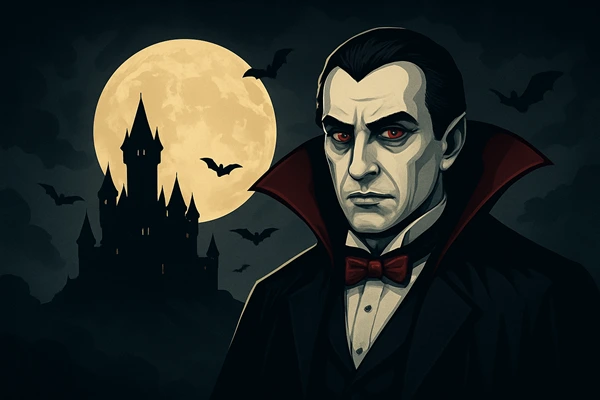
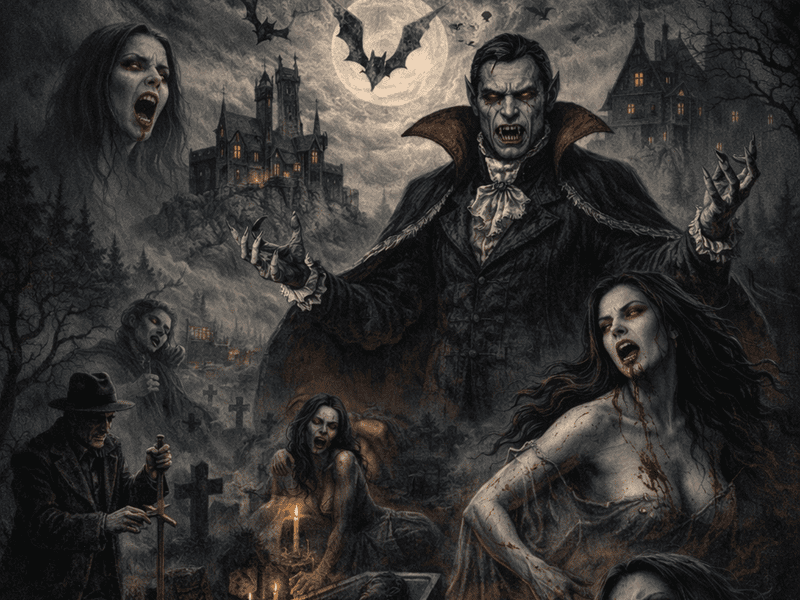
Vampires emerged as an explanation for mysterious deaths or misunderstood illnesses. Stories were passed down orally and adapted into literature, theater, and film, amplifying the mystery and cultural appeal.
- Interpretation of unexpected death as vampiric activity
- Fascination with immortality and life after death
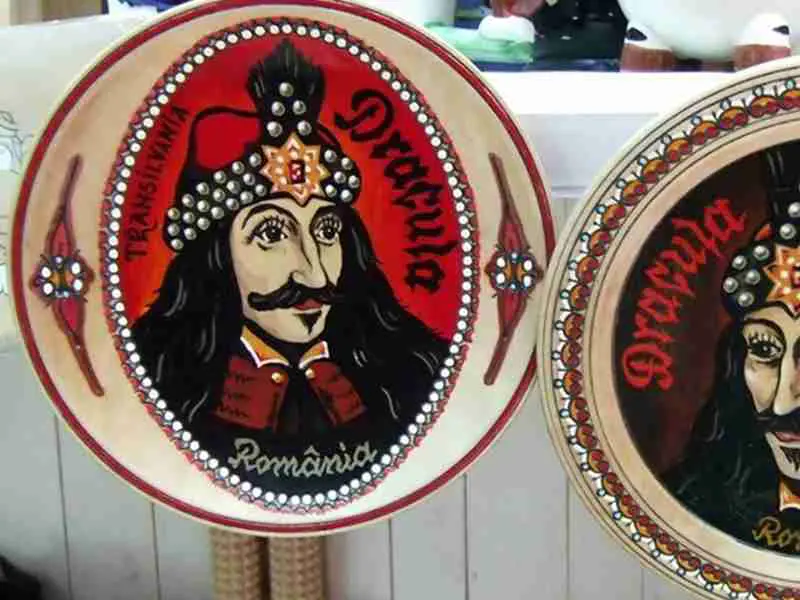
- The connection between Vlad Țepeș and the Dracula myth
Historical and scientific explanations
Some elements of the legends have real causes: porphyria, sleep disorders, or cultural obsessions with blood have been mistaken for vampiric activity. Historians and scientists reinterpret these legends, separating fact from fiction.
- The disease porphyria and symptoms associated with vampirism
- Funeral practices and local superstitions
- Historical events exaggerated by chronicles and folklore
Legends and popular culture
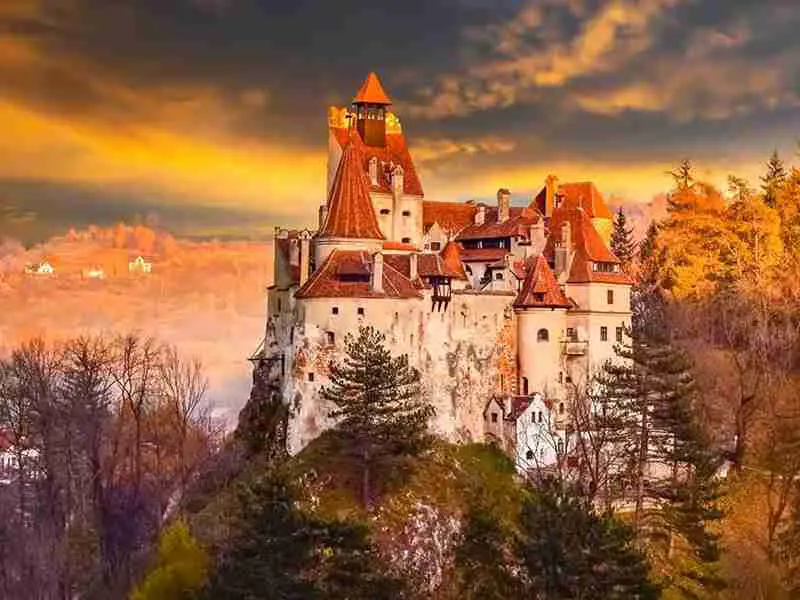
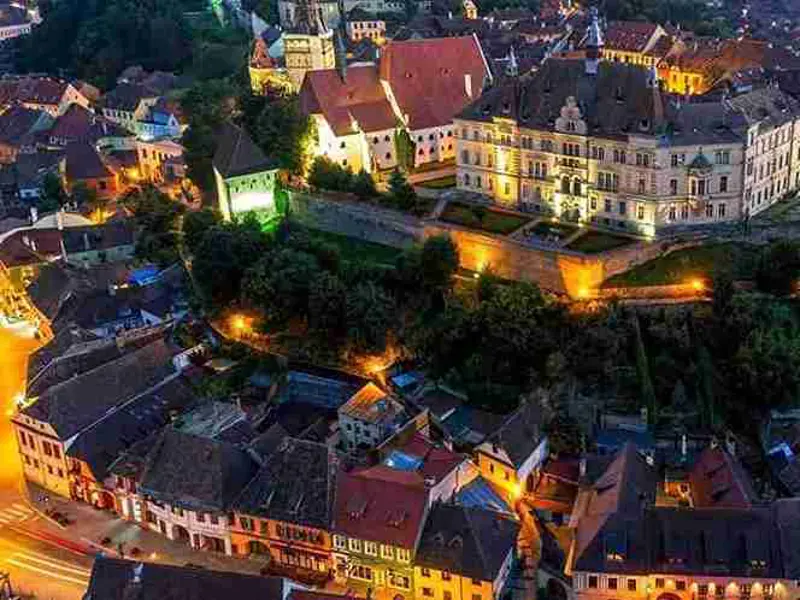
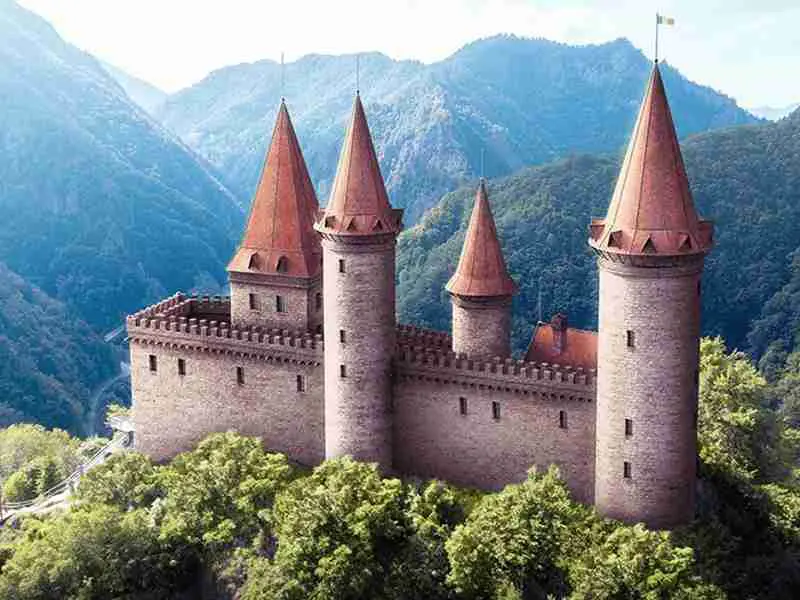
Even after centuries, the legends of Dracula influence literature, cinema and tourism in Transylvania. They are a source of inspiration and a bridge between reality and myth, keeping the cultural memory of the region alive.
Conclusion
The legends explained show us how the myths of Dracula emerged from historical facts, natural disasters, and folk beliefs. Understanding them provides insight into how the stories became cultural symbols and continue to fascinate the world.