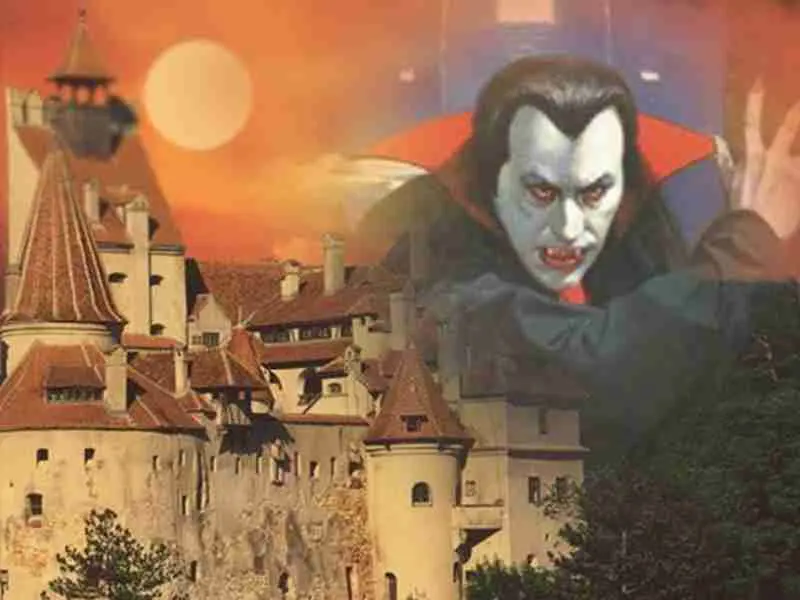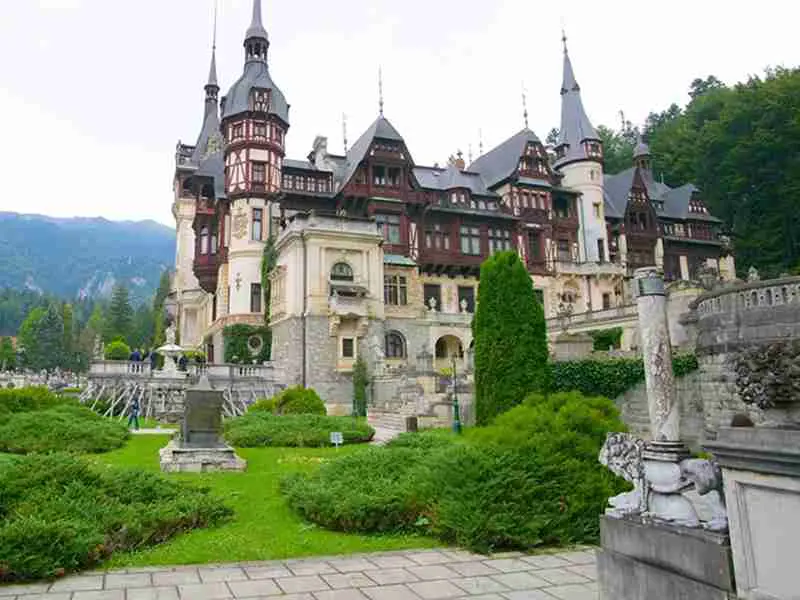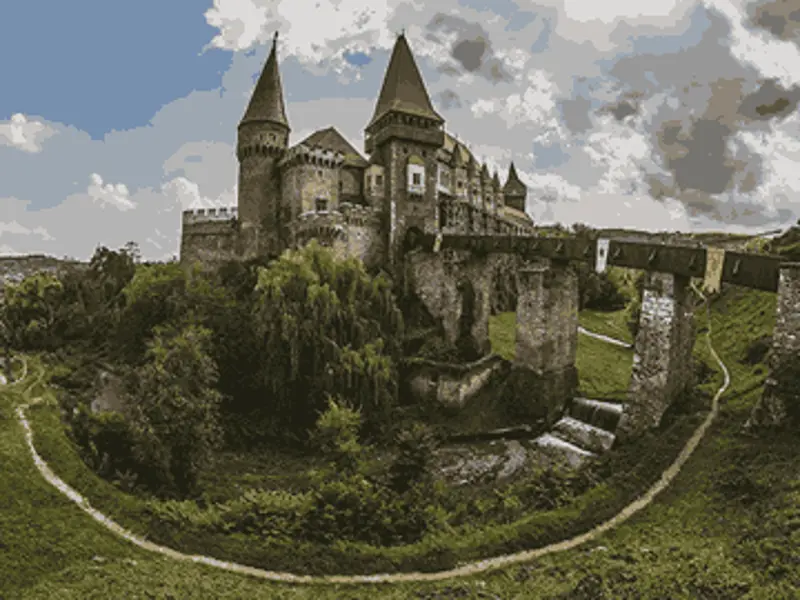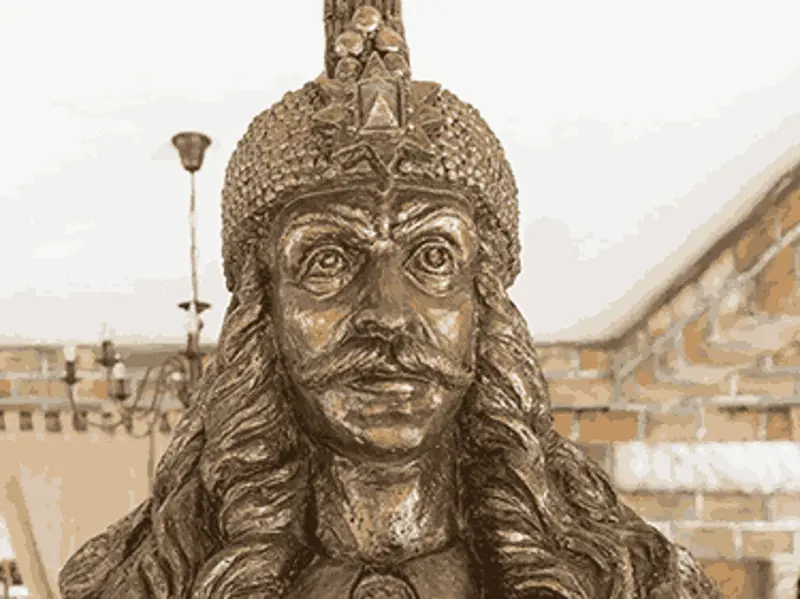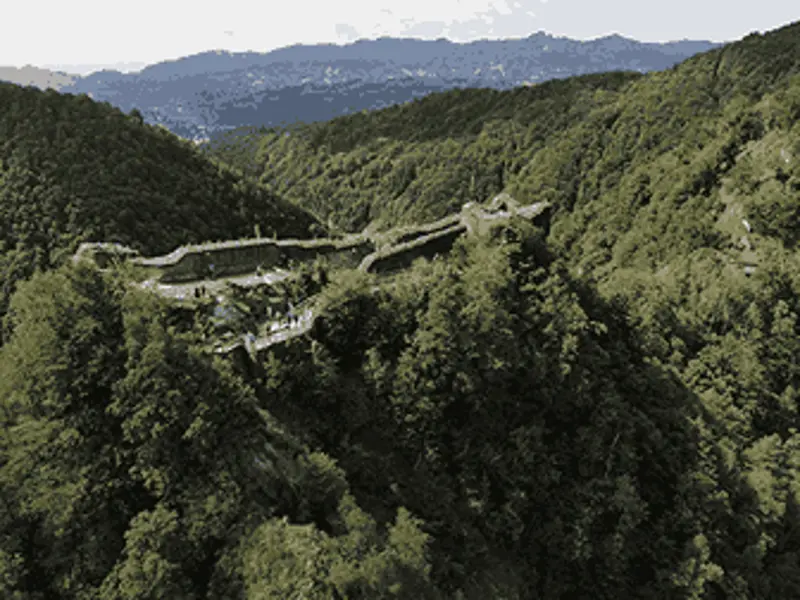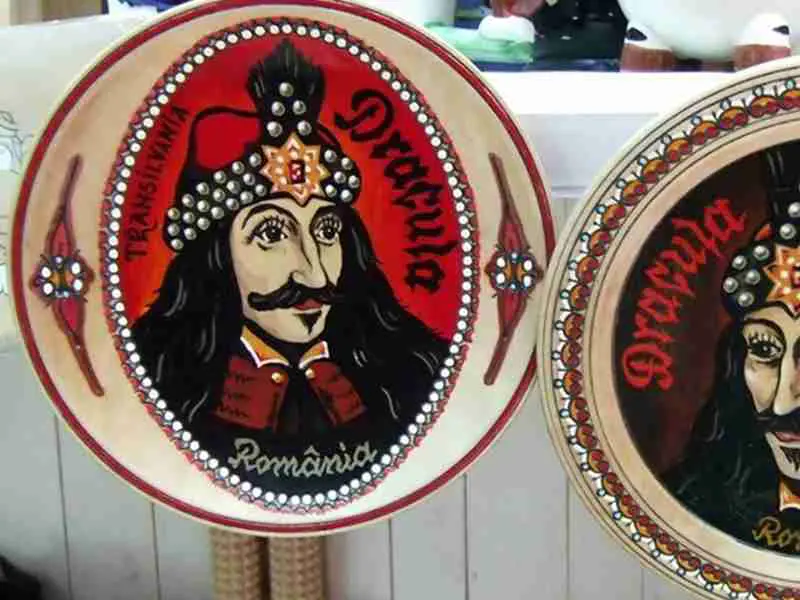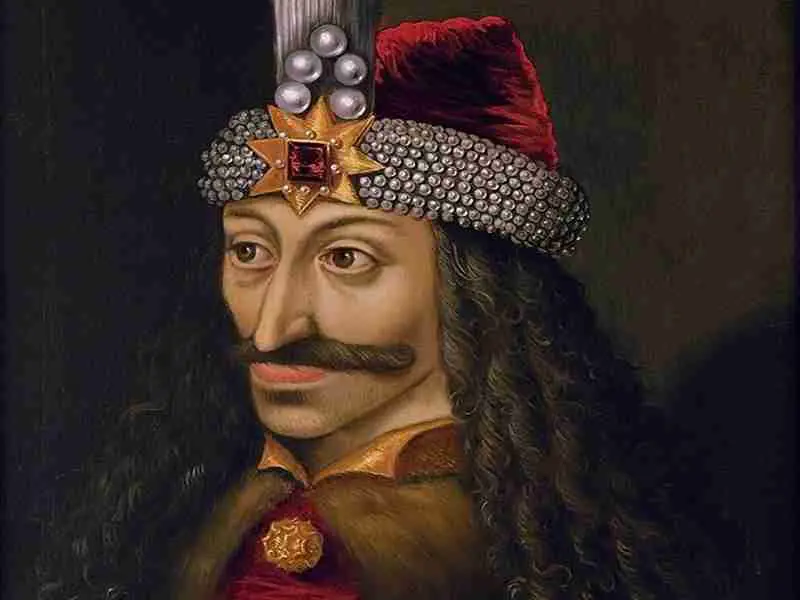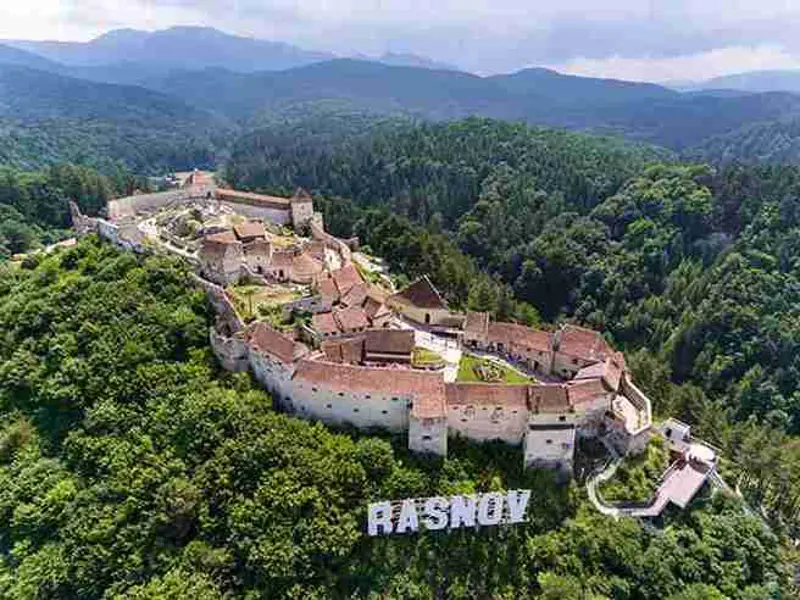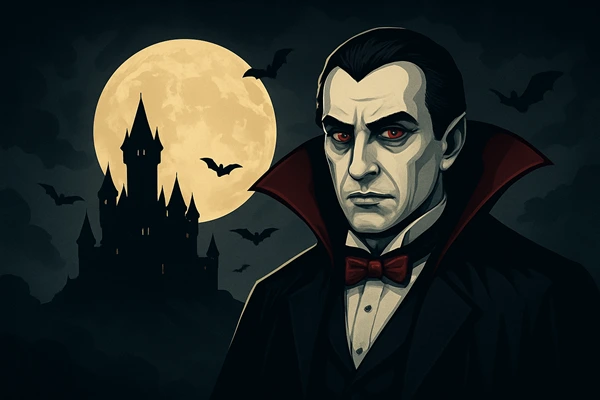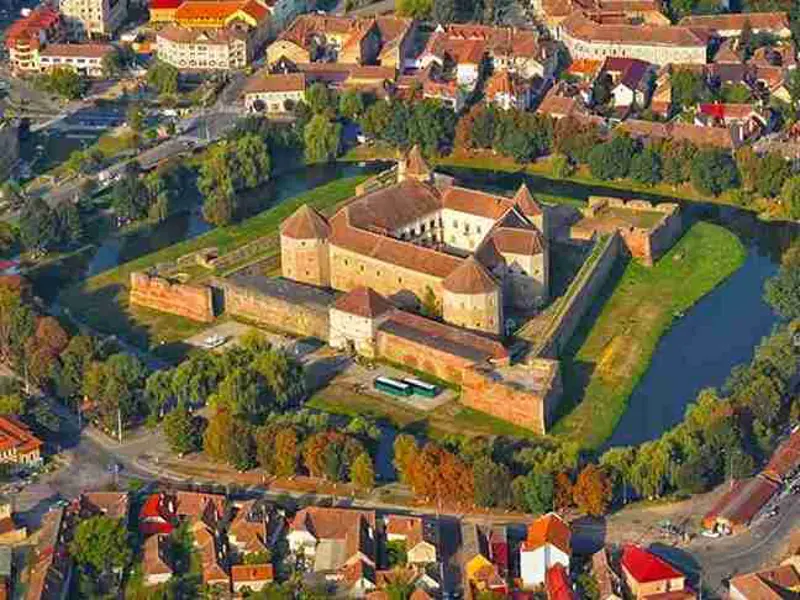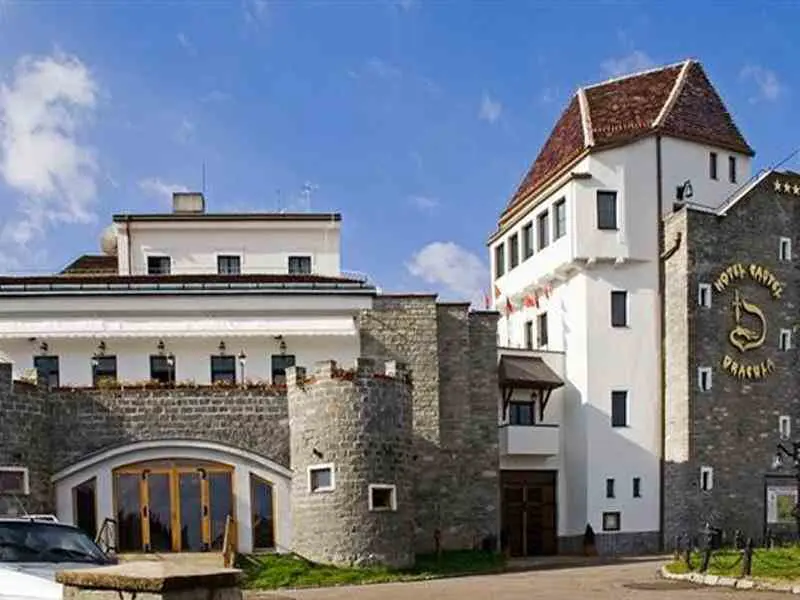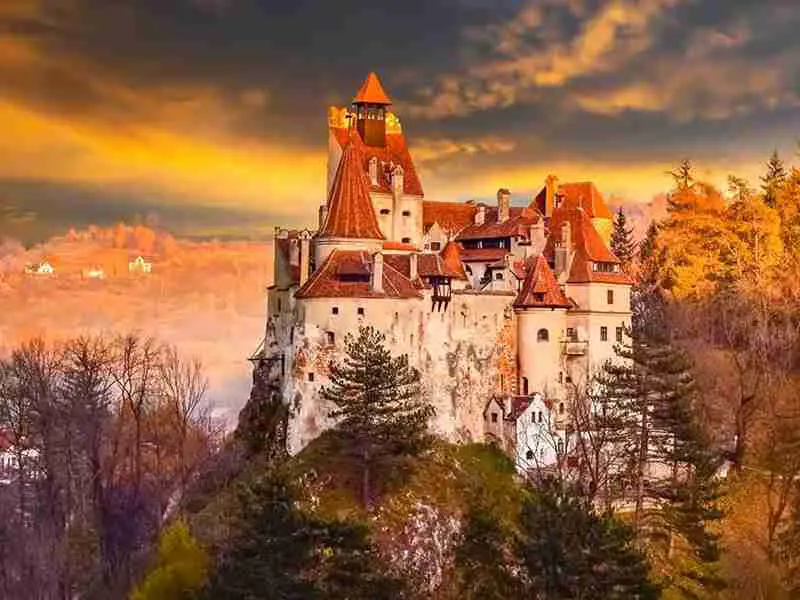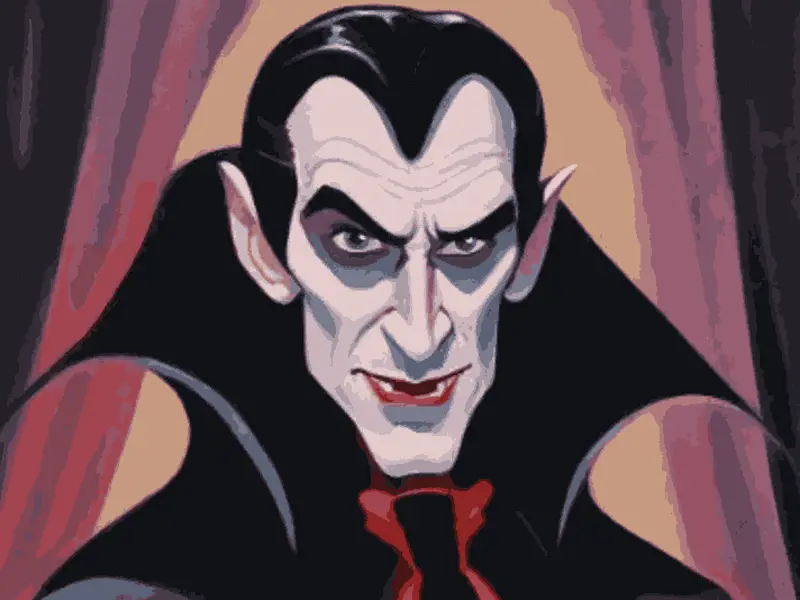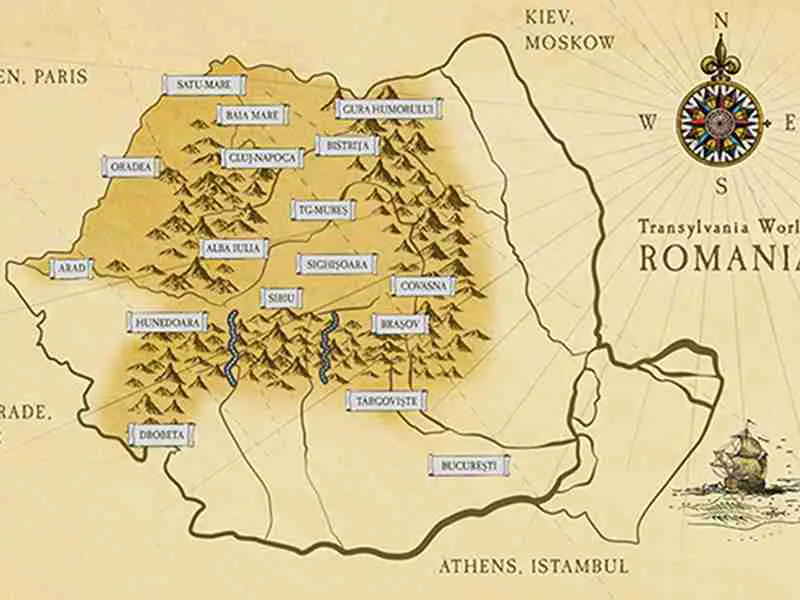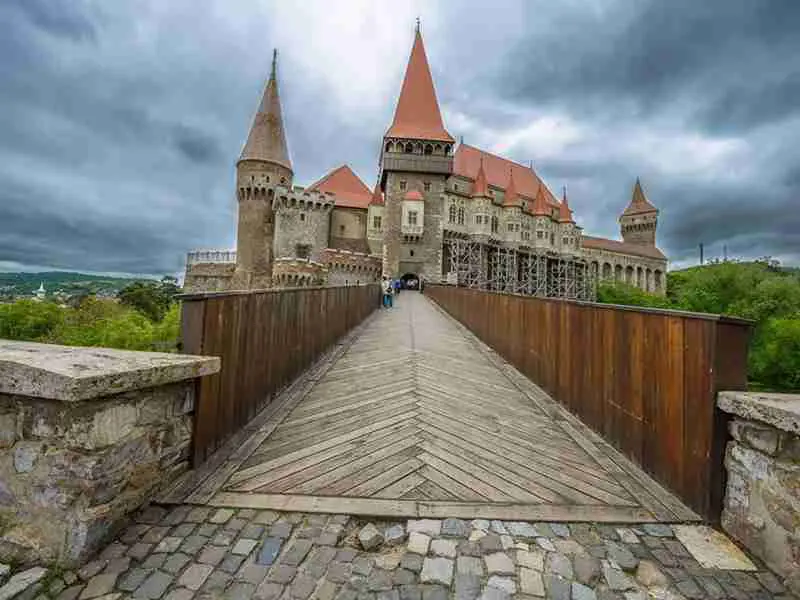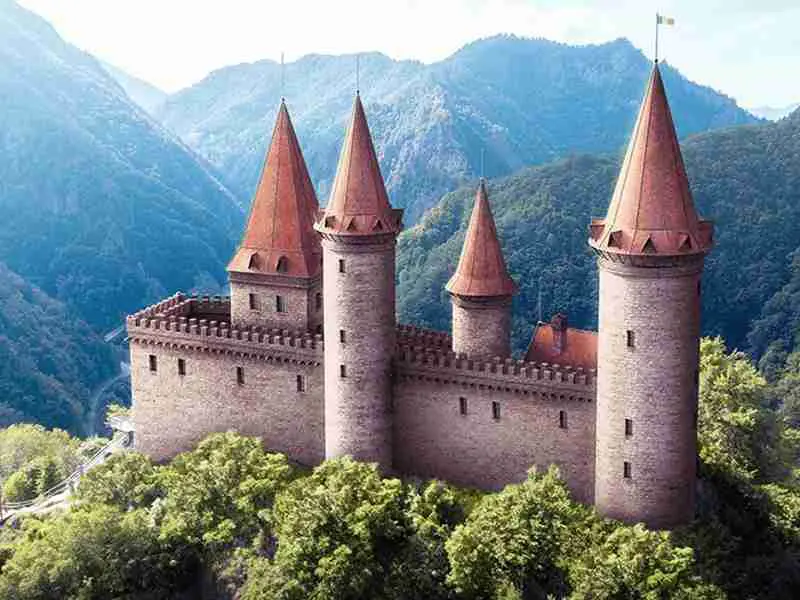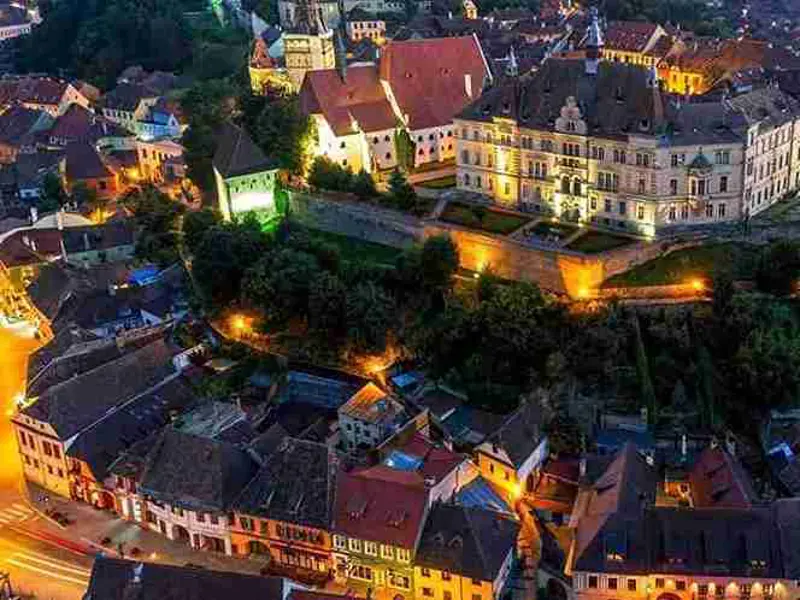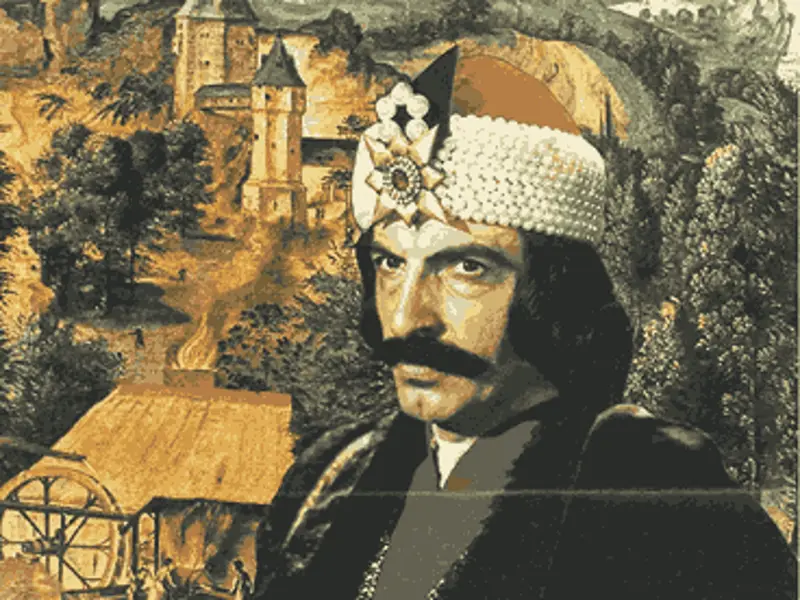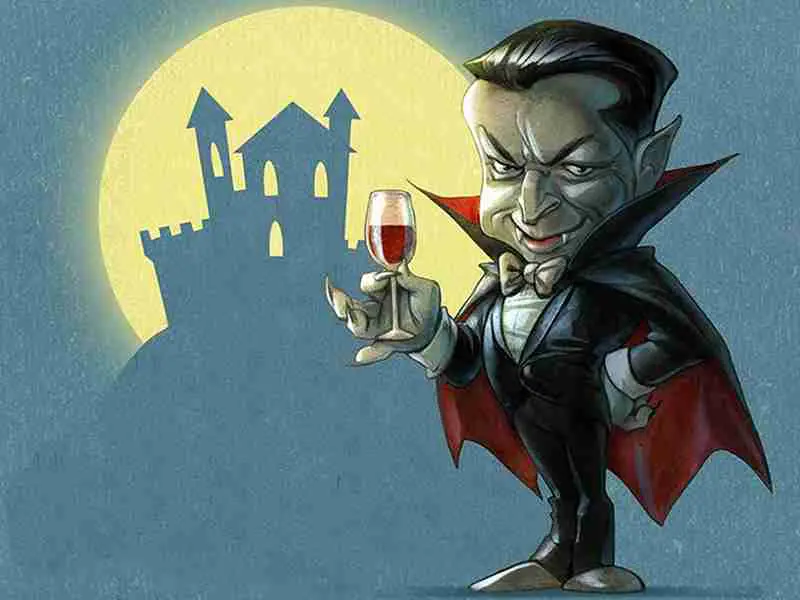
Countless mysteries have been woven around the name Dracula. Between history and myth, between reality and legend, the figure of ruler Vlad Țepeș continues to fascinate through the enigmas that surround it. Transylvania, with its dramatic landscapes and medieval castles, becomes the perfect setting for stories full of hidden symbols and inexplicable facts.
The origin of the Dracula mystery
At the heart of the myth is the contrast between the real man and the legendary character. Vlad Țepes, ruler of Wallachia, was known for his harsh discipline and unusual methods of punishment, which inspired stories of cruelty and bloodlust. The name "Dracula" comes from "Drăculea", a title signifying membership in the Order of the Dragon – a symbol of power and the fight against evil. Over time, this symbol was reinterpreted, giving rise to a dark and mystical image.
Legends and hidden stories
Many villages in Transylvania preserve old traditions and stories about haunted places, abandoned castles and nocturnal rituals. Vlad Țepeș is said to have had secret knowledge about the forces of nature and death, and some medieval chronicles suggest that the ruler was feared not only for his cruelty, but also for the mystery that surrounded him. Around the ruins of Poenari or the forests of the Carpathian Mountains, locals talk about shadows, unexplained lights and echoes that retrace the steps of the past.
Dracula between reality and symbol
Beyond horror stories, the mystery of Dracula is a reflection of human fear of the unknown. He symbolizes the struggle between light and darkness, between life and death, between desire and punishment. The fascination with this character persists precisely because each generation finds in him part of its own fears and curiosities. The mystery of Dracula is not just a Gothic legend, but a mirror of human consciousness, in which time seems to stop between myth and reality.