Why there is a universal fear of vampires
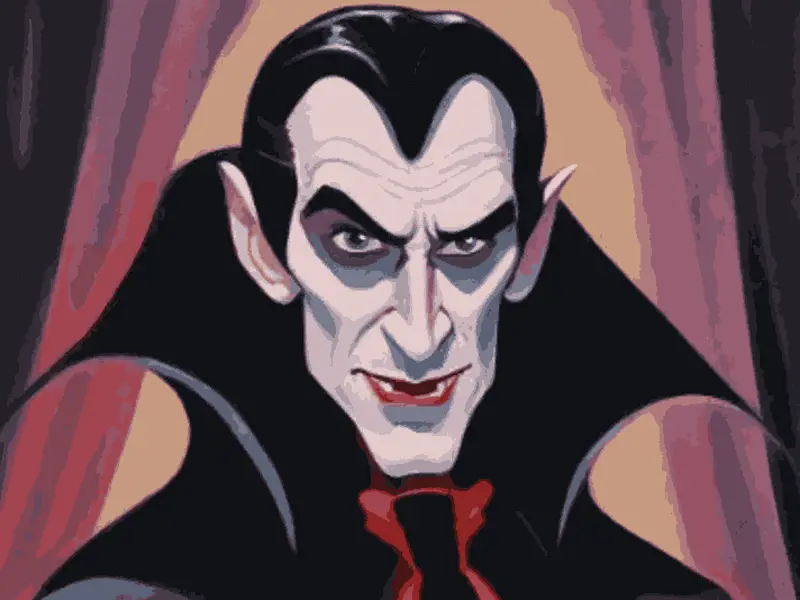
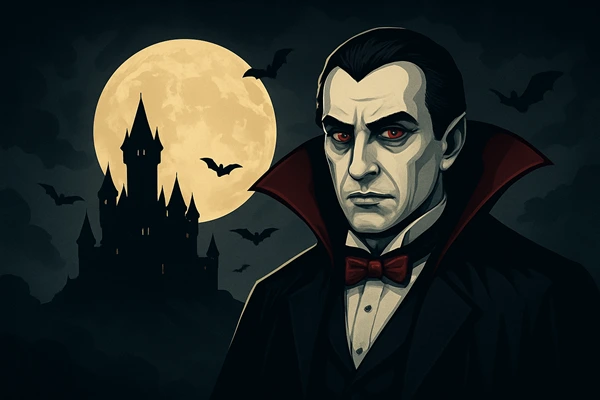
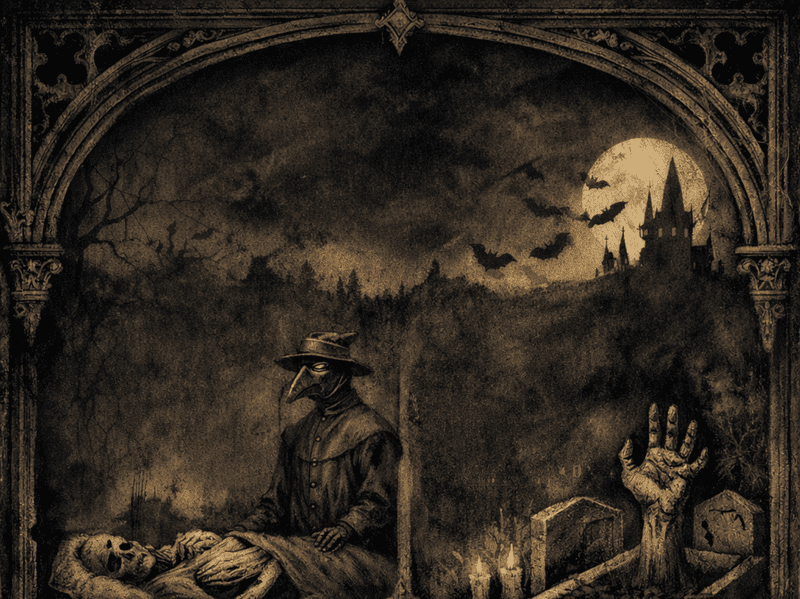
The fear of vampires is one of the most persistent fears in world folklore, and its roots can be traced back to certain biological reactions and medical phenomena that were difficult to understand in the past. Medieval communities, lacking scientific information, interpreted any unusual behavior as the influence of evil entities. Thus, the figure of the vampire became an intuitive, but wrong, explanation for real, visible and sometimes dramatic suffering.
What sleep disorders contributed to the birth of the myth
Some of the most frightening experiences are related to sleep, a period in which the body and mind can produce phenomena that are difficult to explain.
- Sleep paralysis – the person wakes up unable to move, often feeling a "presence" on the chest.
- Night terrors – intense episodes of panic, screaming, and violent behavior.
- Somnambulism – nocturnal movements interpreted as "shadowing" or paranormal activity.
- Hypnagogic hallucinations – images and sounds that are real only in the person's mind, associated with vampire attacks.
How to explain the "return of the dead" from a medical perspective
Numerous legends speak of people who "died" but were later seen walking around villages. In reality, these may be rare but documented medical phenomena.
- Cotard's Syndrome – the person believes they are dead or that their body is decomposing.
- Shallow coma – can mimic death, and recovery was considered a supernatural act.
- Epileptic seizures – viewed as demonic transformations or possessions.
What biological manifestations fueled belief in vampires?
The evolution of the human body after death can be surprisingly "alive" to those who don't understand the process. That's why some transformations have been interpreted as evidence of vampirism.
- The slow rate of decomposition in cold soil, which preserves features almost intact.
- Internal gases that create the illusion of a still active body.
- Skin retraction, which appears to lengthen nails and hair.
- Natural post-mortem bleeding, mistaken for blood feeding.
What psychologically contributes to maintaining fear
In psychology, the vampire represents a projection of anxieties related to illness, death, and loss of control. People are prone to looking for external culprits for phenomena that are difficult to explain, and the personification of evil in the form of a vampire has become a defense mechanism and a way to order the unknown.
Conclusion
Viewed through the lens of modern medicine, vampire myths become more understandable and take on a deeply human dimension. They reflect fear, lack of knowledge, and the need for explanations in a world full of mysteries. Every symptom, every phenomenon, and every error of perception has contributed to the formation of one of the most powerful and enduring legends in universal culture.