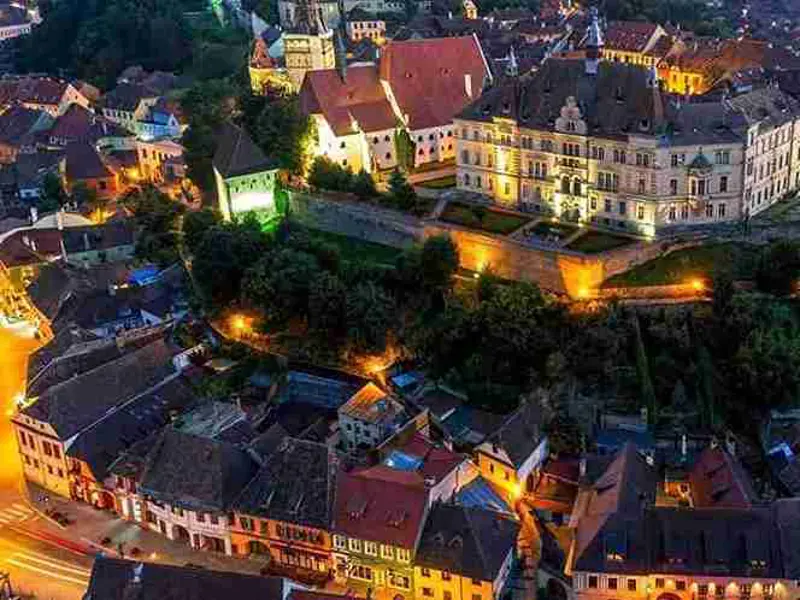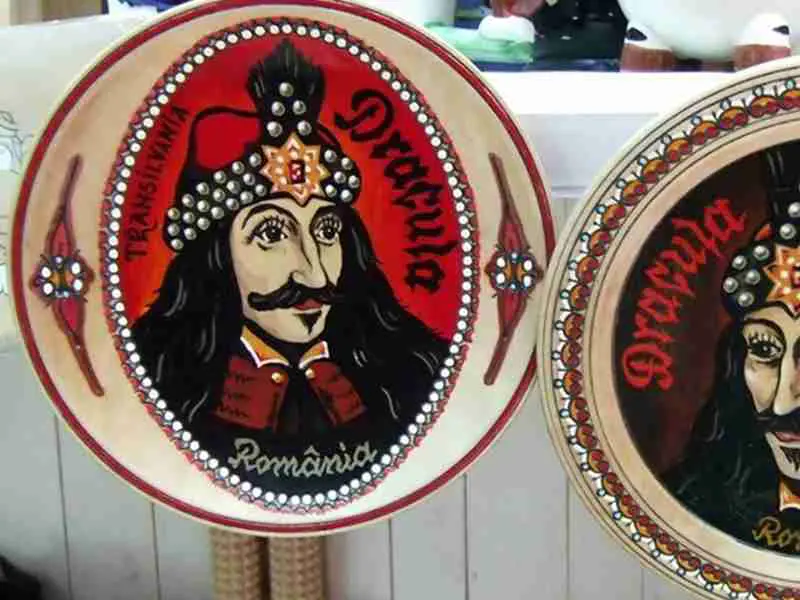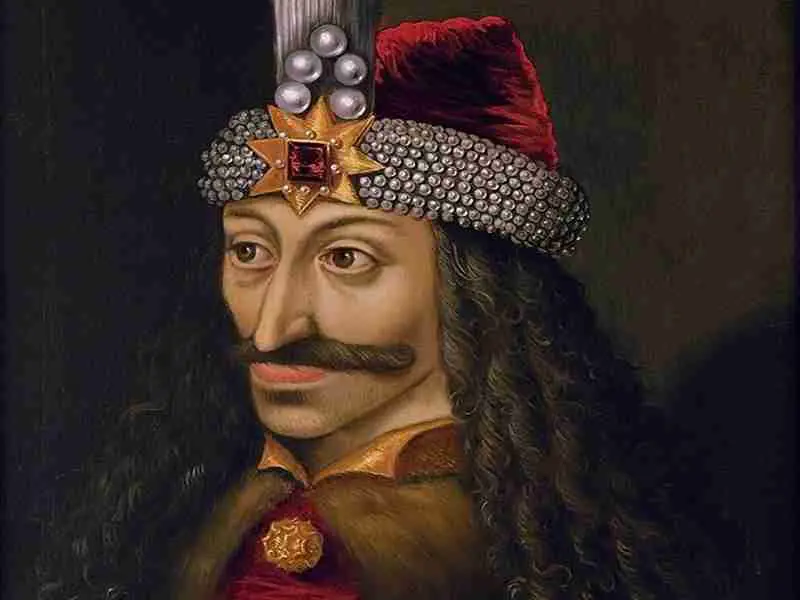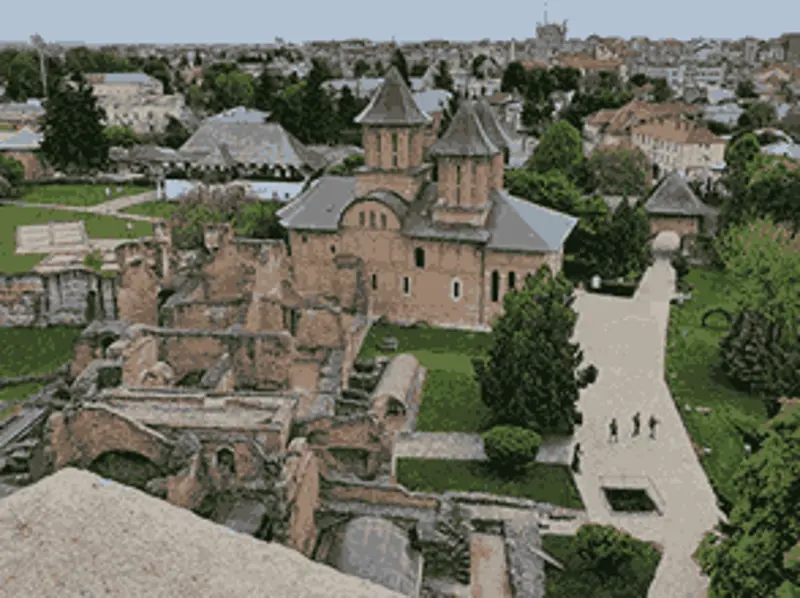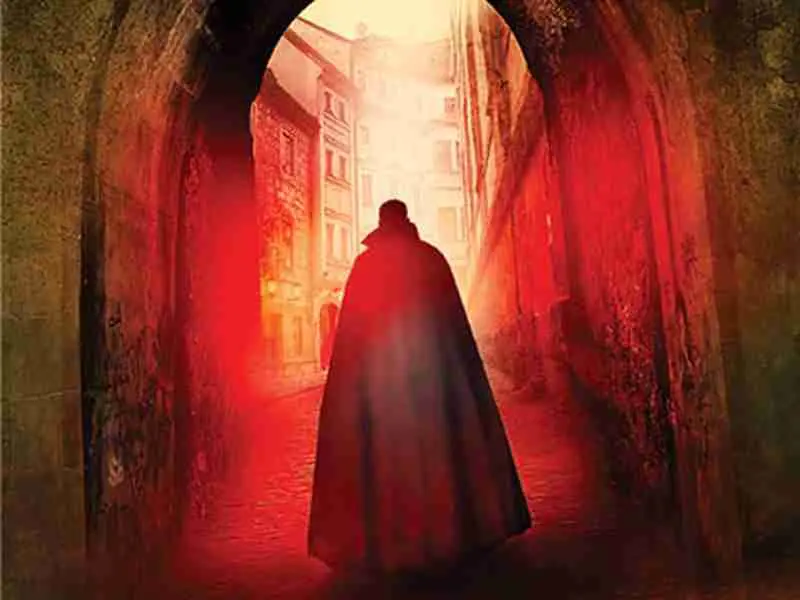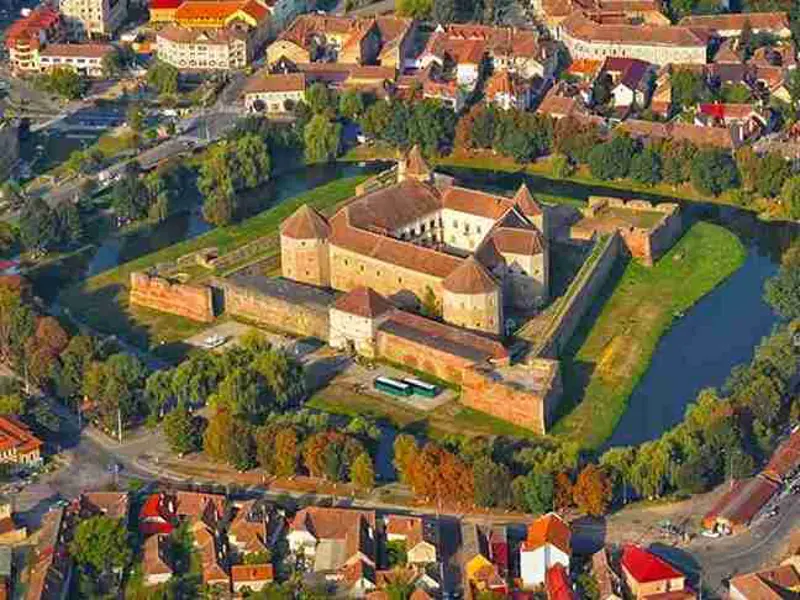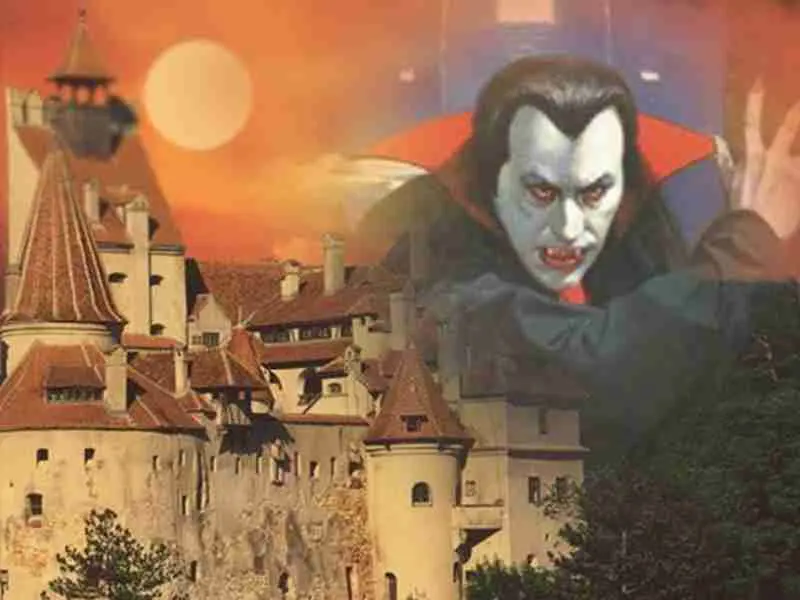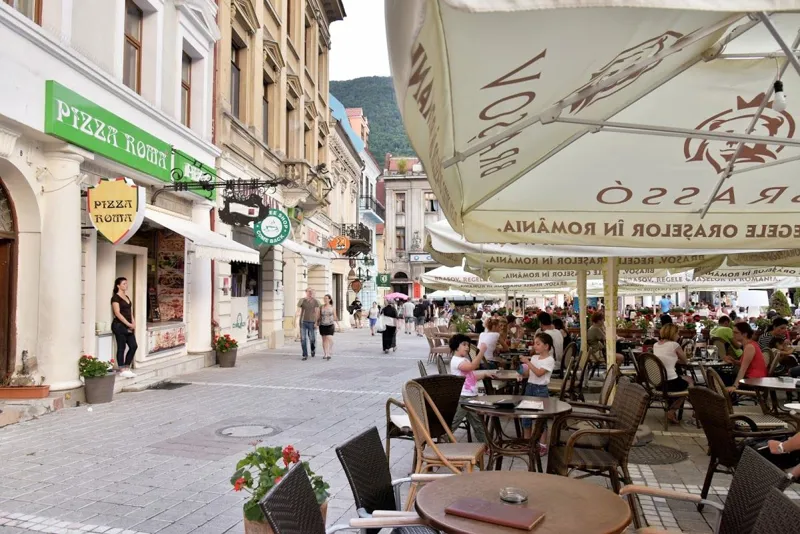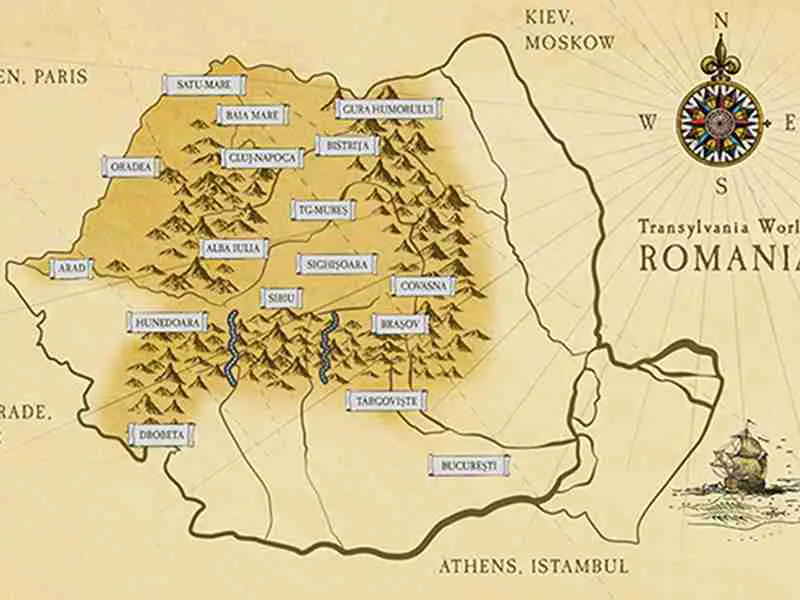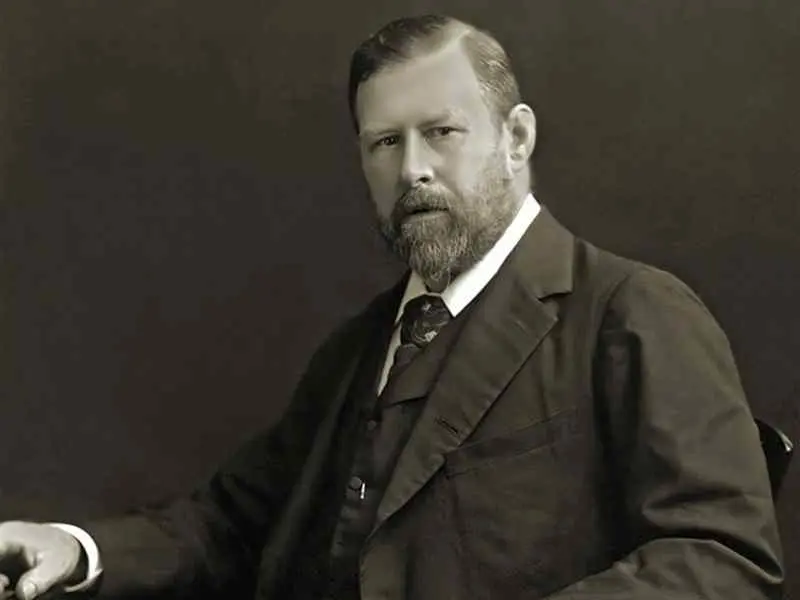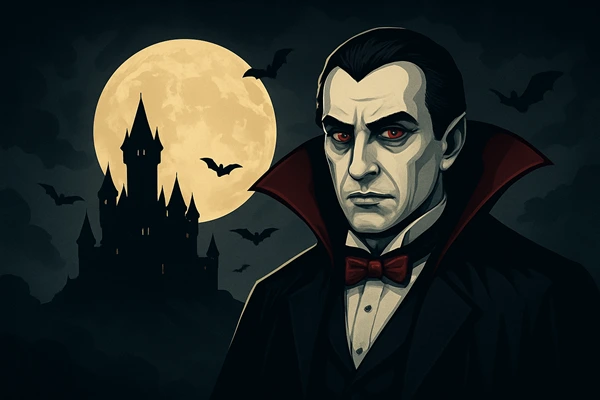
Protective rituals play an essential role in Transylvanian folklore. For centuries, people have used various symbols, gestures and objects to protect themselves from spirits, charms and, especially, from creatures of darkness. In old villages, traditions are still preserved, and stories about vampires, undead and demons continue to influence local customs. Although many practices seem archaic, they reflect a world in which the supernatural was perceived as part of everyday life.
Who used these rituals?
- Rural families and traditional communities
- Old women – considered keepers of wisdom
- Healers and those familiar with folk magic
What symbols were considered protective?
- Basil – the most powerful sign of protection
- Holy water – used at the entrances to the house
- Garlic – defense against spirits and vampires
Why did these rituals have power?
- They were passed down from generation to generation
- They inspired confidence and security in communities
- They were associated with religious and traditional beliefs
Conclusion
Protective rituals represent a fundamental part of Transylvanian cultural identity, preserving the connection between history, myths, and popular beliefs about the supernatural.