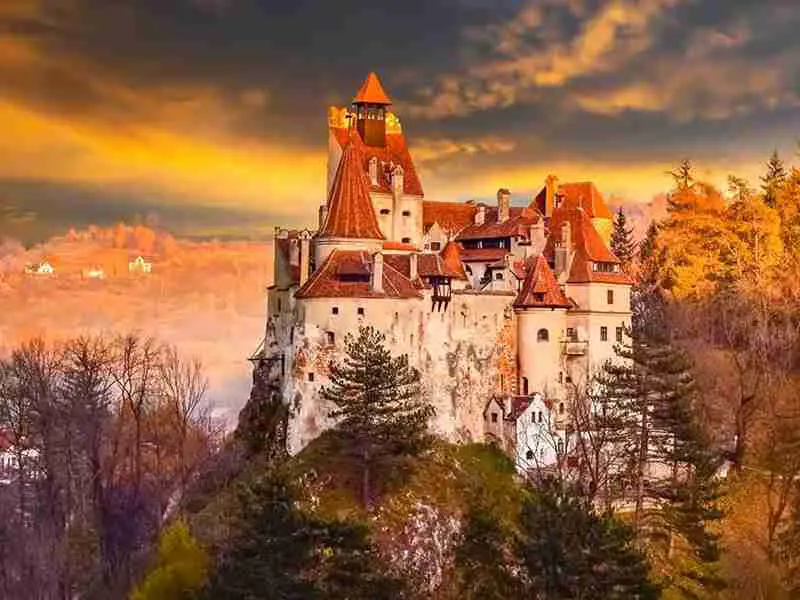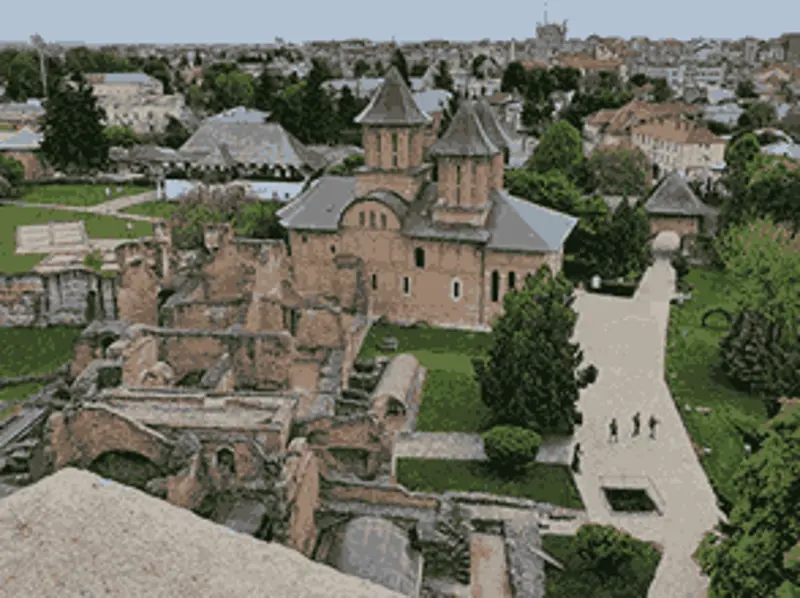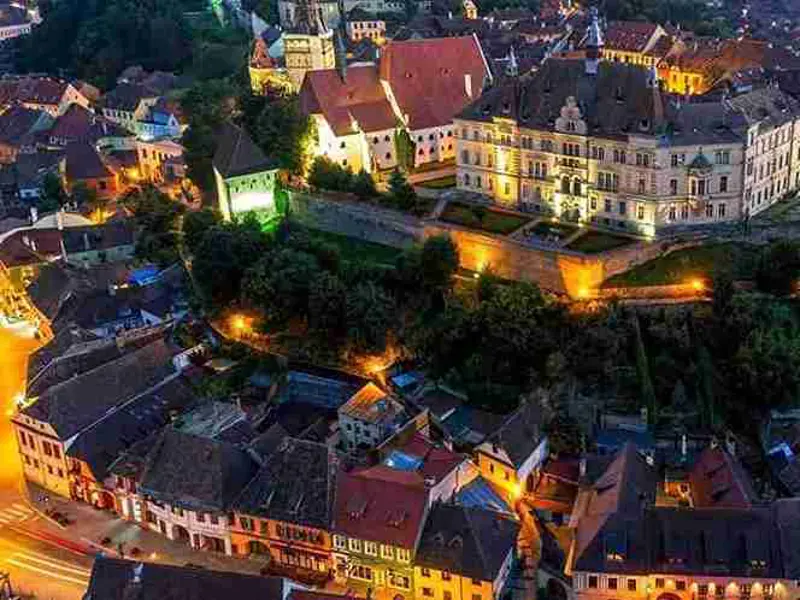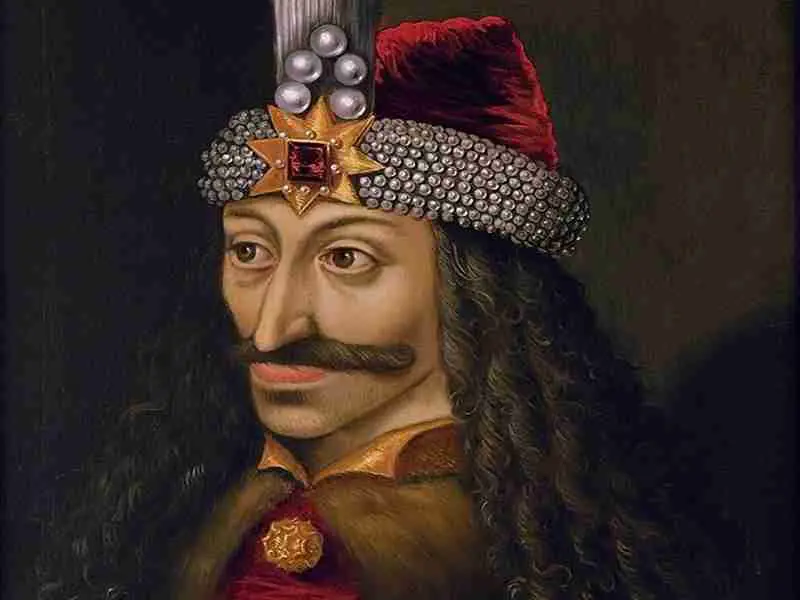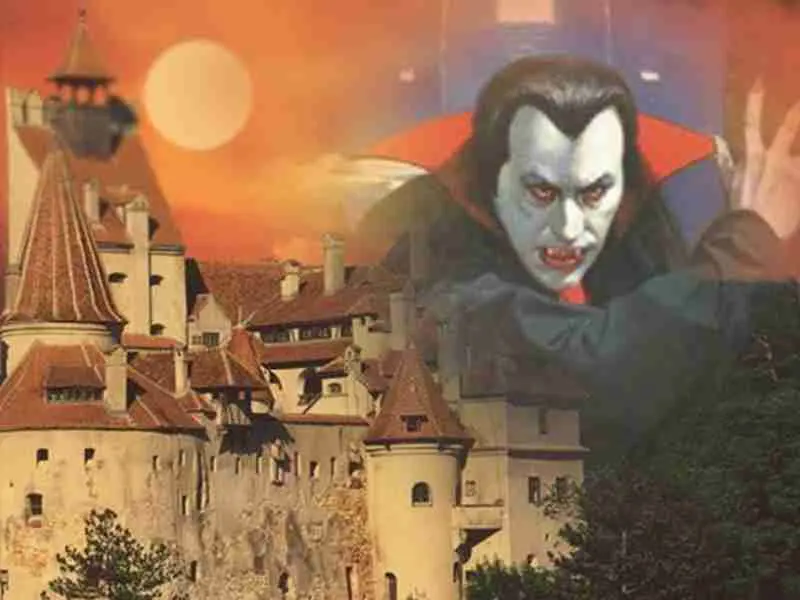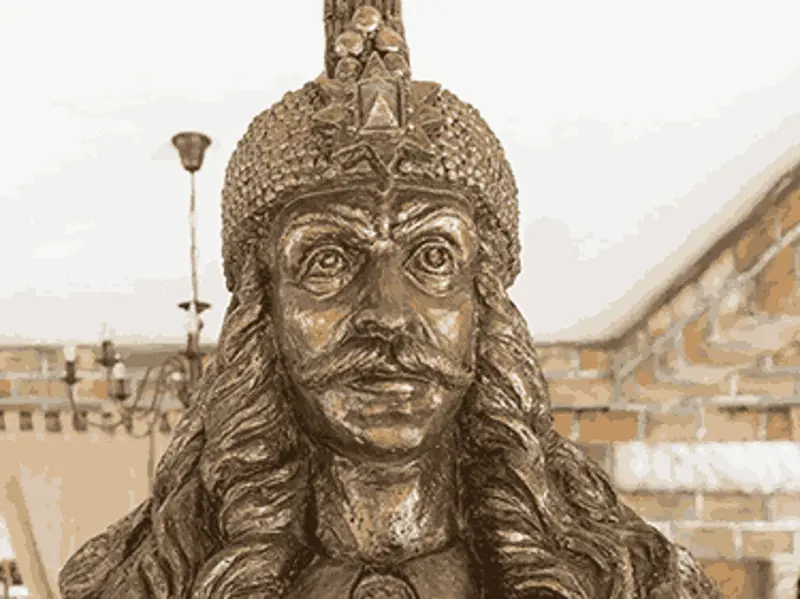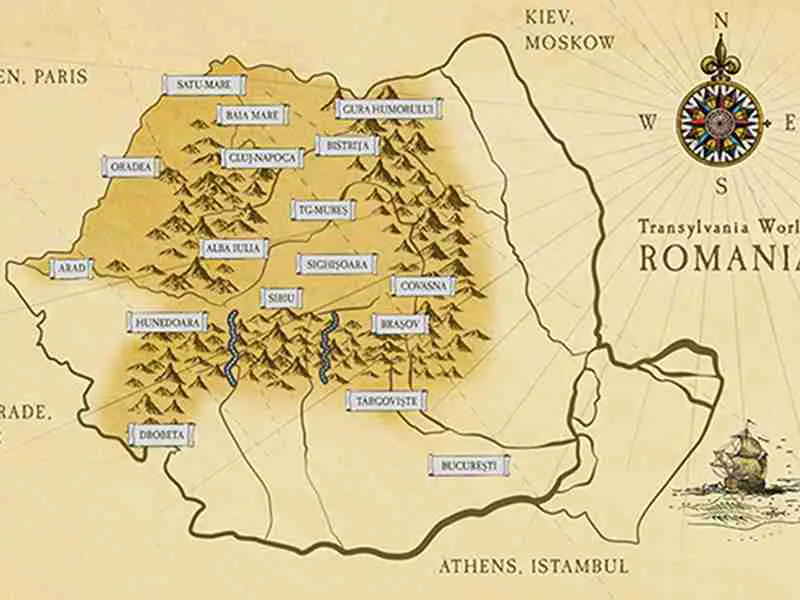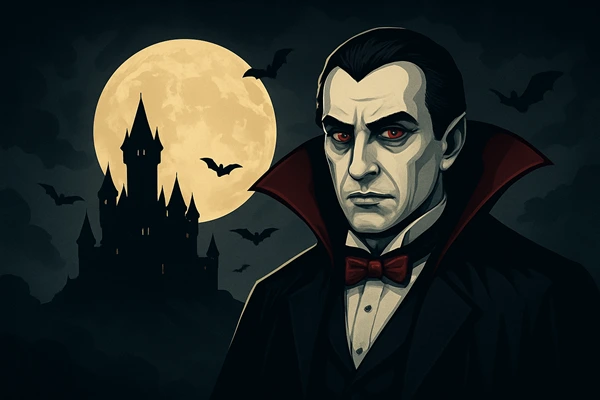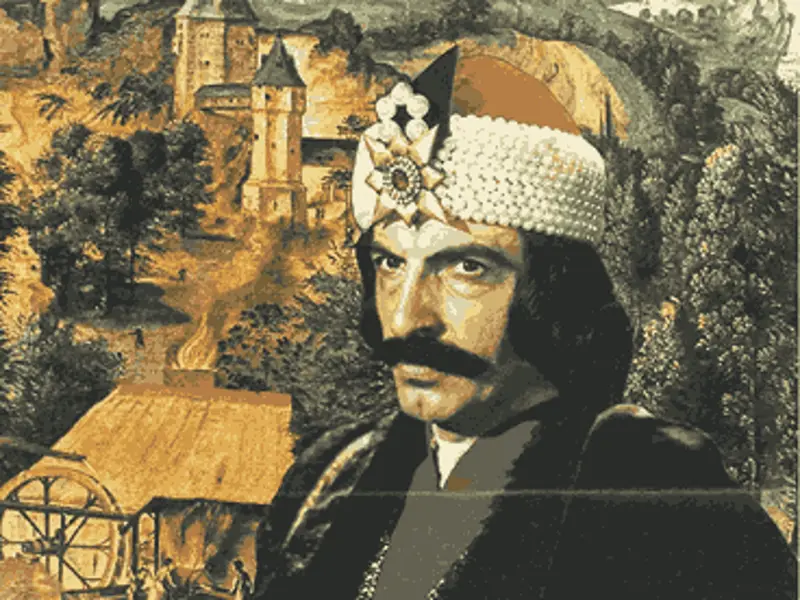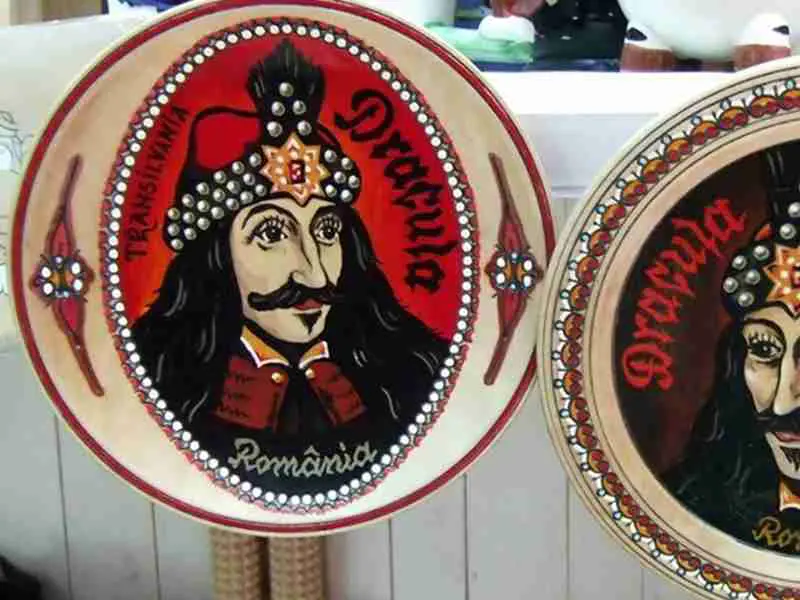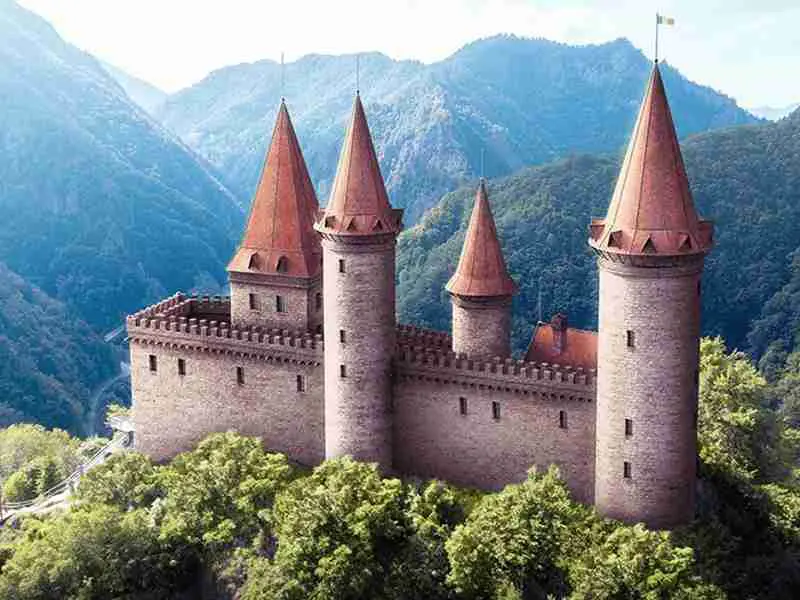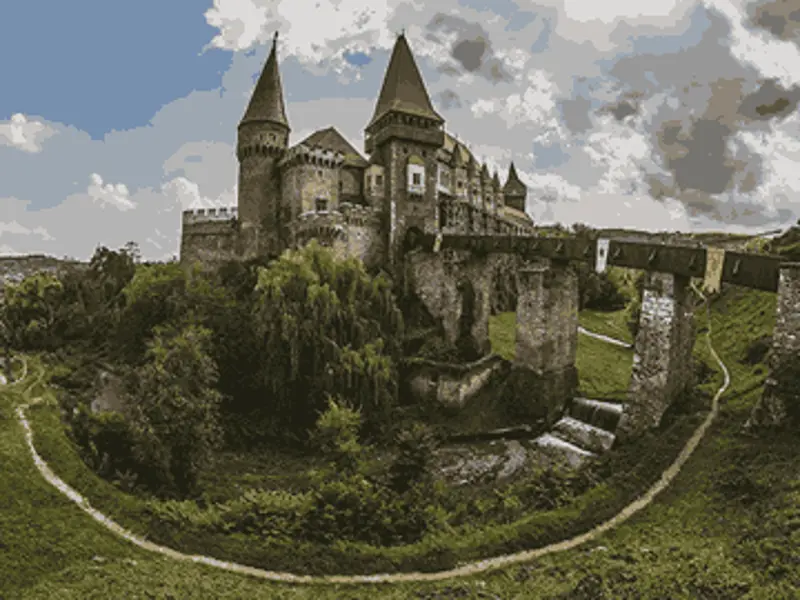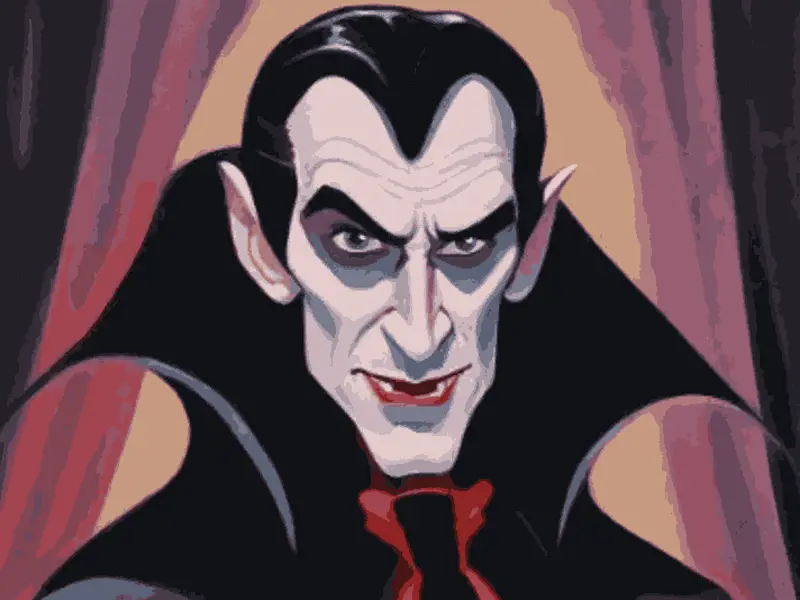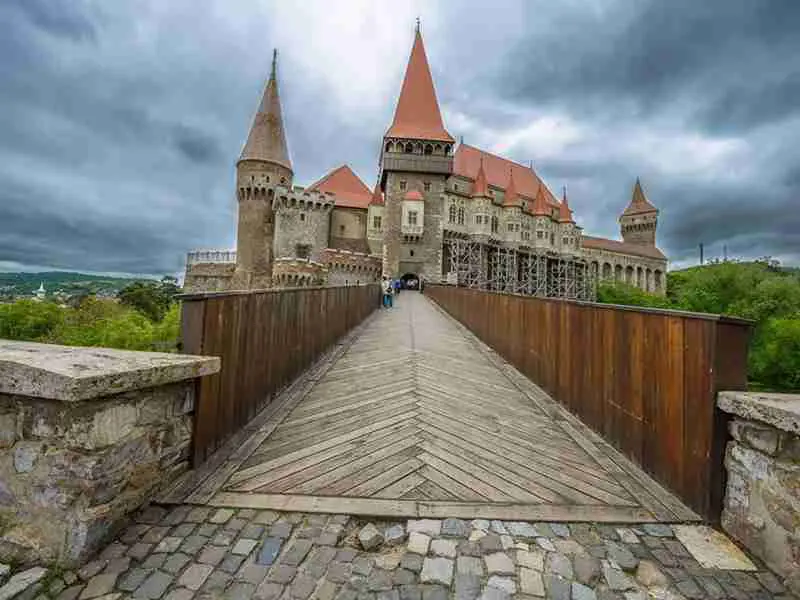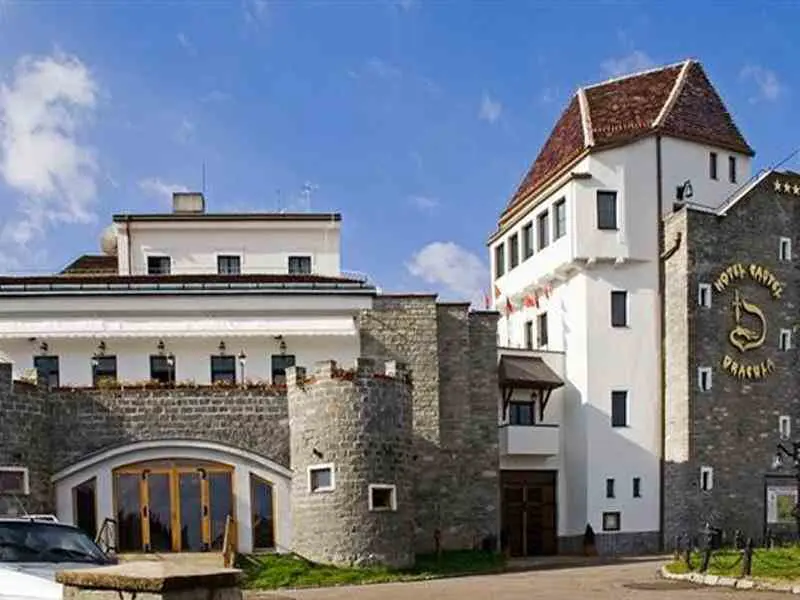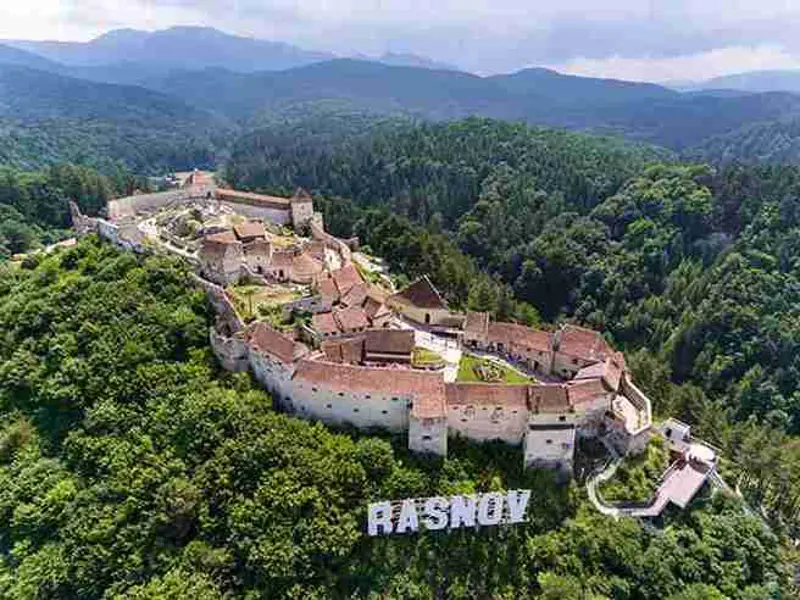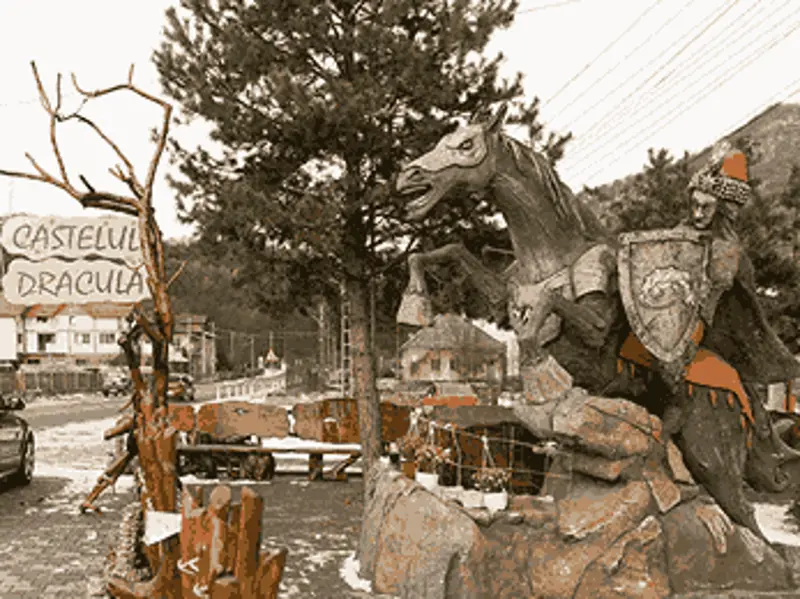
The legend of Dracula was born on the border between history and myth. Inspired by the reign of Vlad Țepeș and the dark traditions of Transylvania, his story has been passed down through generations, becoming a symbol of fear, power, and immortality. From medieval chronicles to folk tales, the image of Dracula has always been reinterpreted, while maintaining its aura of eternal mystery.
The birth of the legends about Dracula
The first stories about Vlad Țepeș appeared in the 15th century, spread by Saxon merchants and foreign chroniclers. They described a fearless but ruthless ruler who imposed law and order through gruesome methods. These stories intertwined with Transylvanian folklore about spirits, undead, and blood, giving rise to the myth of the ruler who never dies. Thus, the historical image was transformed into a supernatural tale that fascinates to this day.
Dracula between myth and reality
Legends speak of Vlad Țepeș as a defender of justice, but also as a lord shrouded in darkness. In some regions, it is said that he did not really die, but that his spirit watches over the Carpathian Mountains, protecting the Romanian land. For others, Dracula is the symbol of evil, the thirst for power and forbidden immortality. This duality between hero and monster has kept the legend alive for centuries.
The legacy of Transylvanian legends
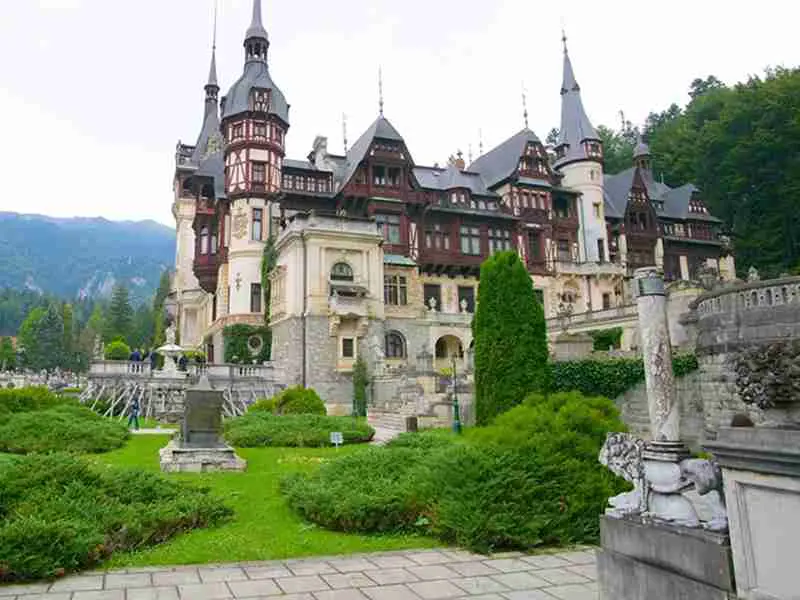
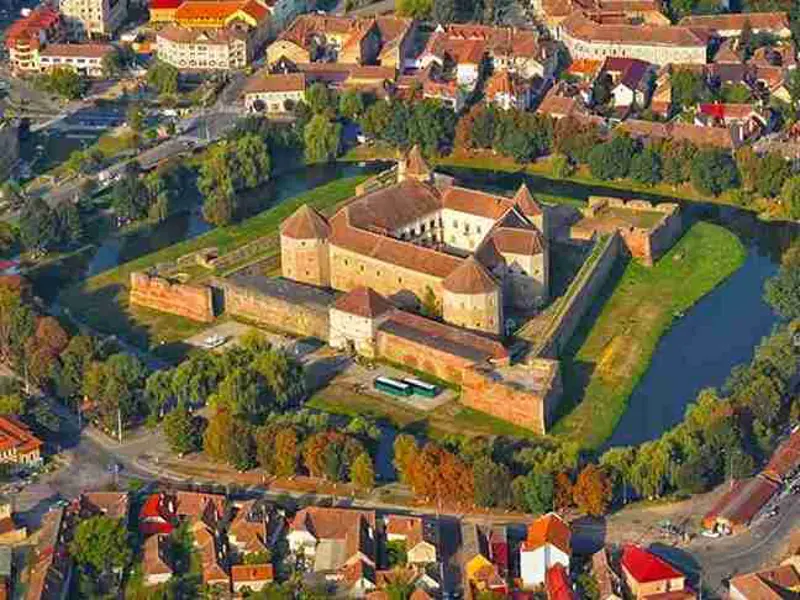
In the villages of Transylvania, elders still tell tales of cursed places, hidden treasures, and shadows that move in the night. These legends are not just scary stories, but an essential part of the region's cultural identity. The myth of Dracula lives on through festivals, traditions, and symbols, reminding us that mystery never disappears, but rather transforms with time.