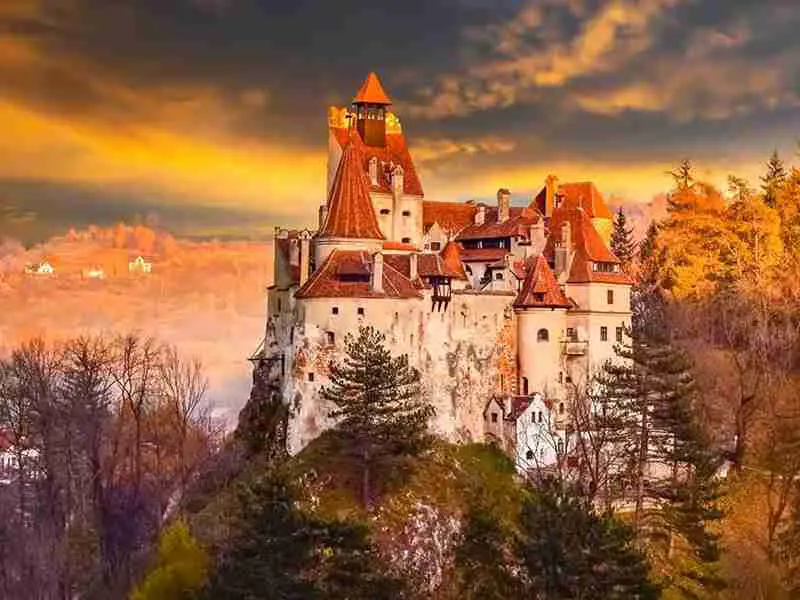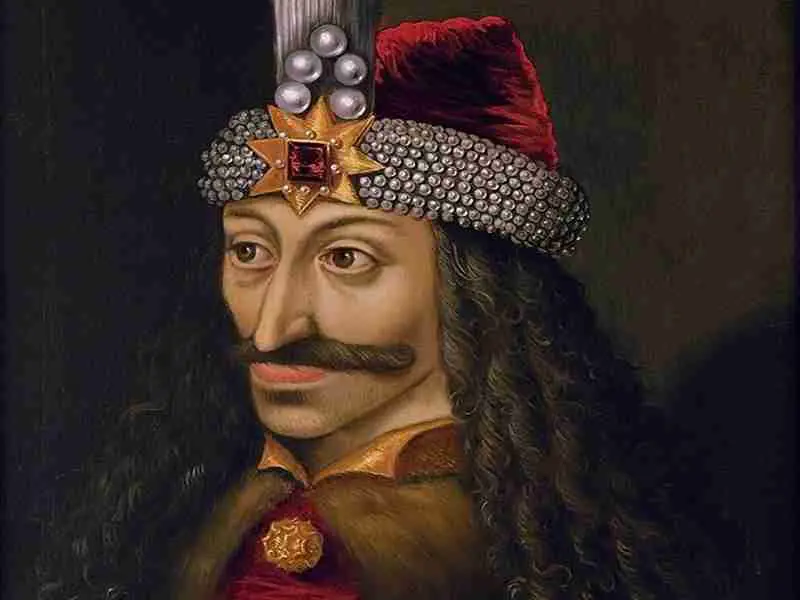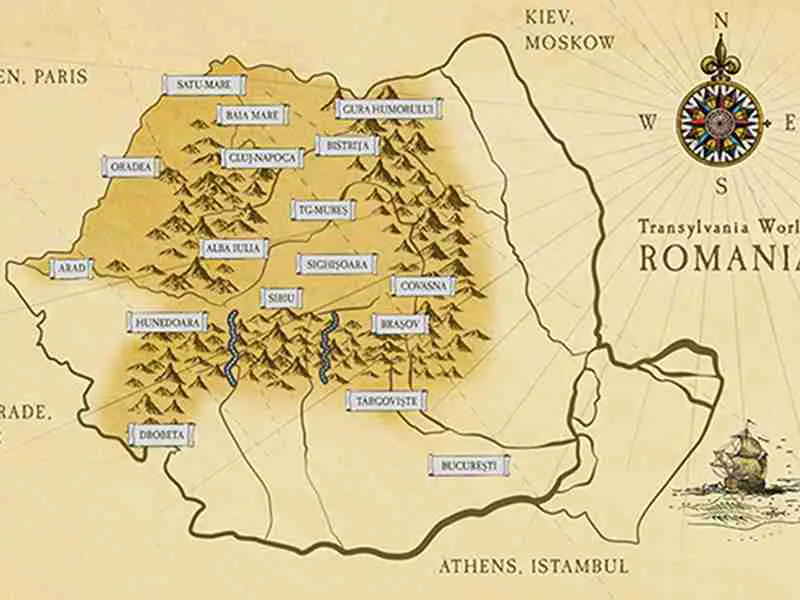
The legend of Dracula lives not only in castles and bloody tales, but also in the strong aromas of Transylvanian cuisine. In the heart of the Carpathians, taste becomes a form of storytelling, and food, a bridge between the past of ruler Vlad Țepeș and the eternal myth of the vampire in literature.
Culinary traditions from the time of Vlad Țepeș
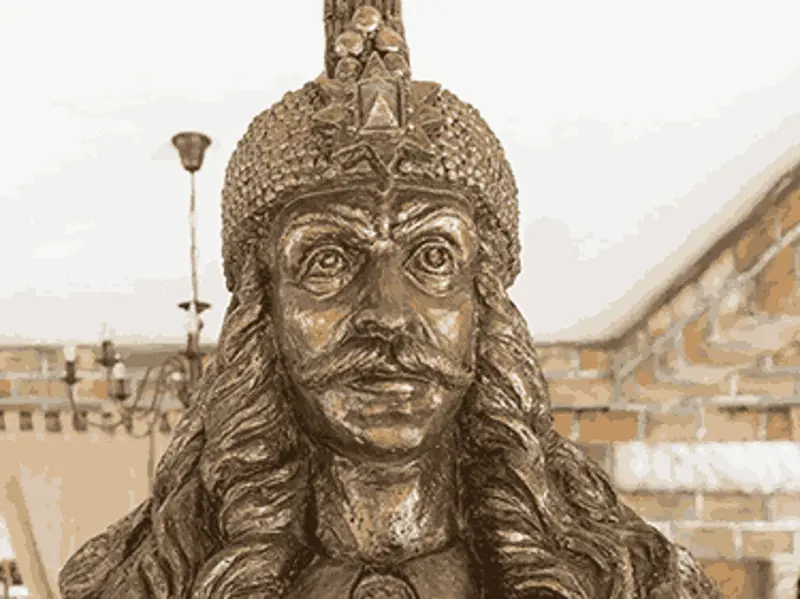
In the Middle Ages, princely meals were rituals. Vlad Țepeș is said to have preferred simple but hearty dishes – roast meat, garden vegetables and hearth-baked bread. Red wine flowed from large jugs, and tables were lit by torchlight and the songs of fiddlers. Each dish was a testament to wealth, power and respect for tradition.
Flavors and ingredients of Transylvania
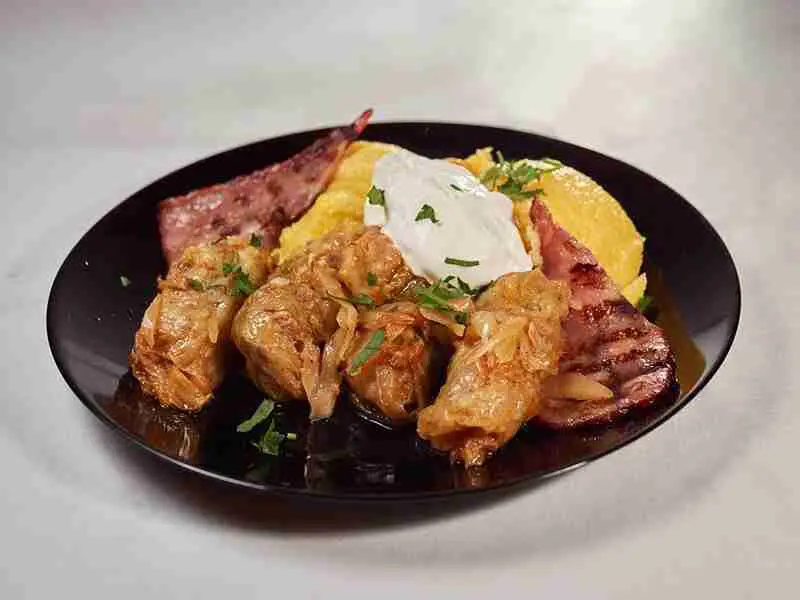
Transylvanian cuisine, born from the fusion of Romanian, Saxon and Hungarian cultures, offers a unique palette of tastes. Garlic, a symbol of protection against evil, appears frequently in recipes – a delicious coincidence for a myth centered on vampires. Sour soups, wine stews and honey and nut desserts recall a time when food was more than a necessity: it was a ritual of communion and survival.
Red wine – symbol of life and blood
In every story about Dracula, wine has a discreet but powerful presence. In Transylvania, red wine is the drink of celebrations, pacts and nocturnal soirees. Its deep color and intense taste seem detached from the vampire legend itself – a mixture of life, passion and mystery. It is said that a meal without wine is an unfinished story, and in the silence of the evening, the glass becomes a symbol of the mythical blood that connects the past to the present.
Gastronomy as part of the myth
Today, Transylvanian restaurants and themed festivals celebrate the legend of Dracula with modern reinterpretations: candlelit meals, artisanal wines and Gothic decor. Every plate tells a story – of nobility, fear and seduction. In a way, taste becomes a form of storytelling, and gastronomy, a gateway to the fascinating world of Transylvanian myth.