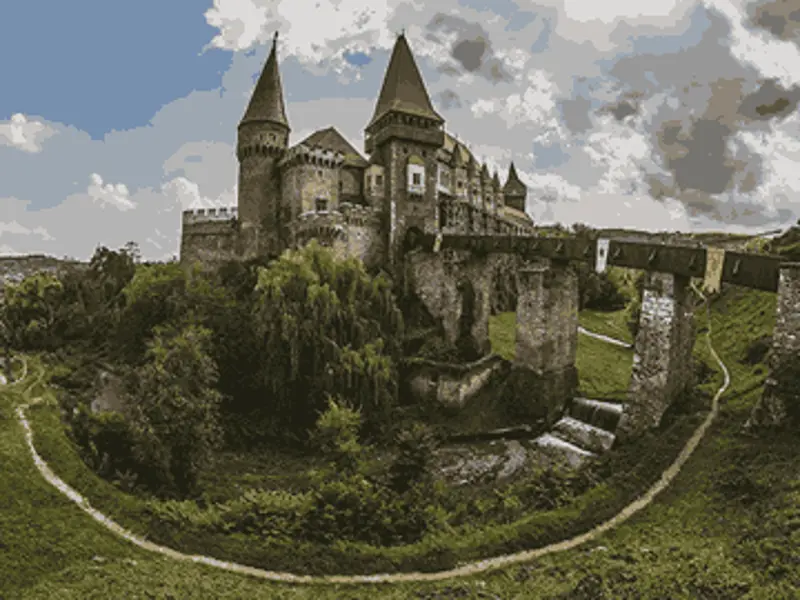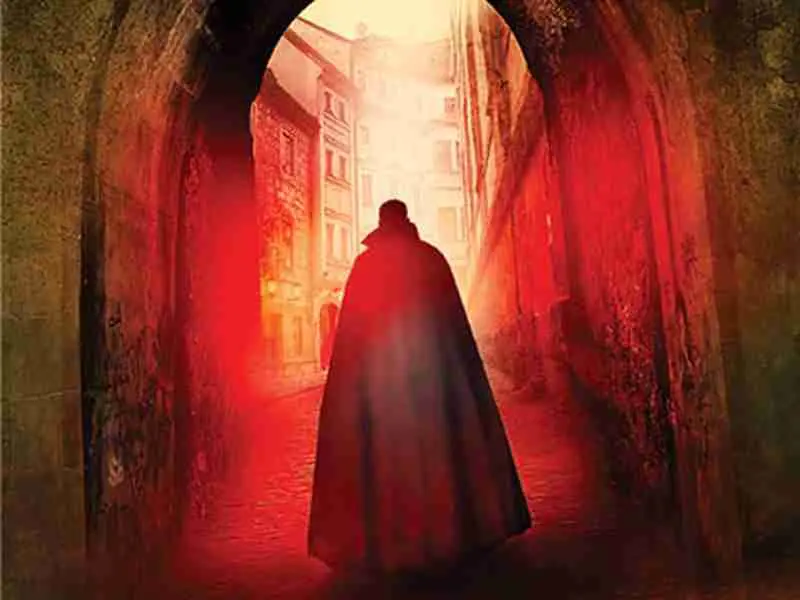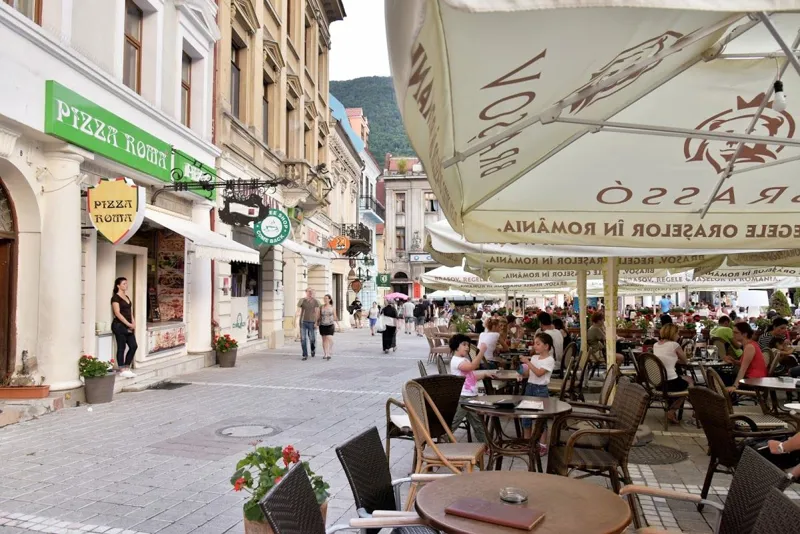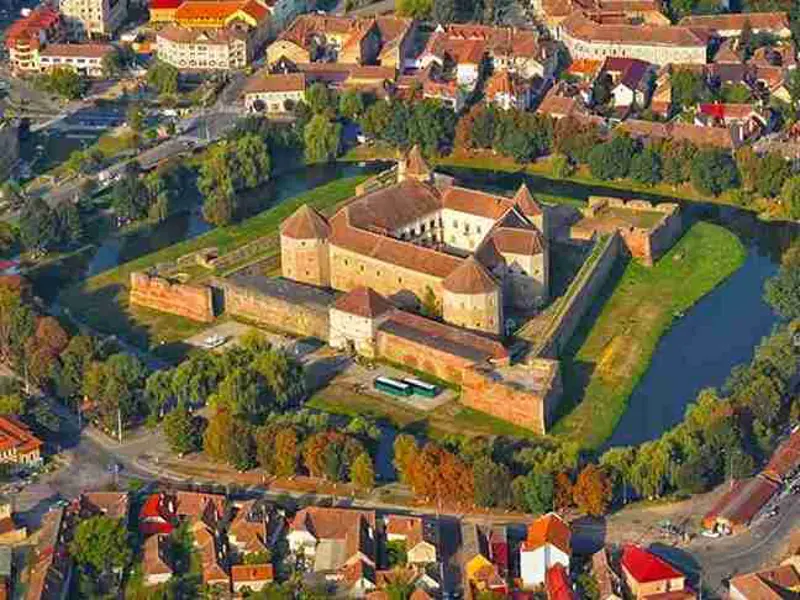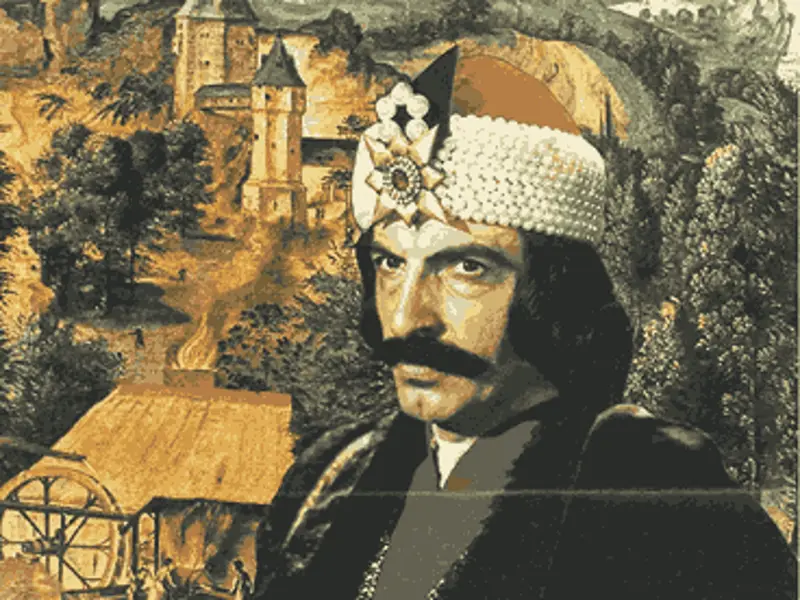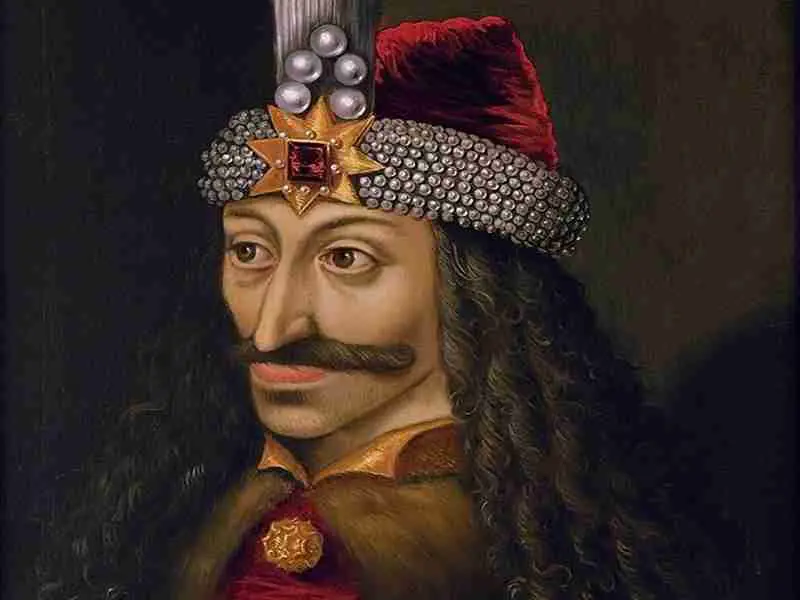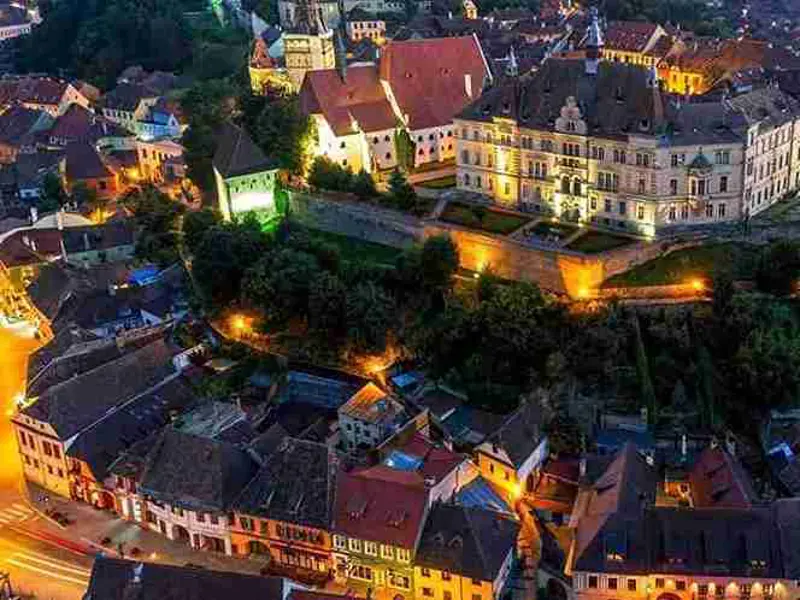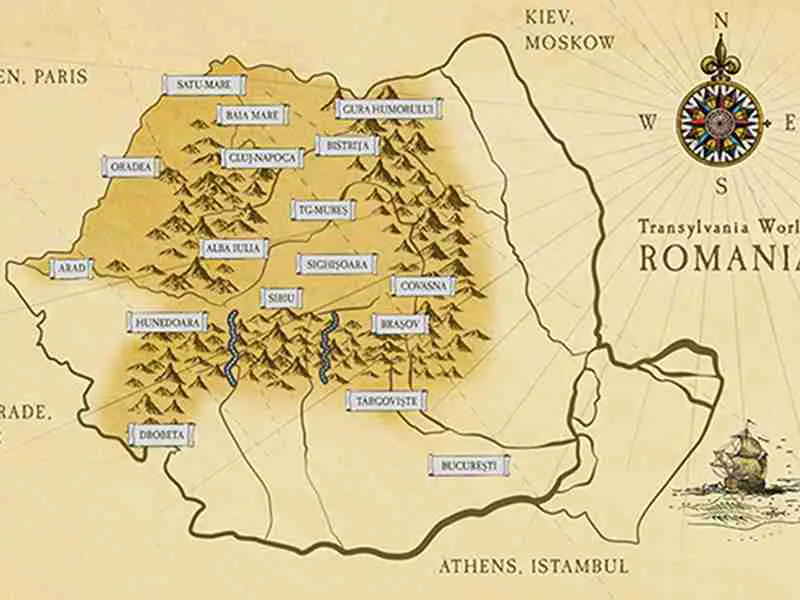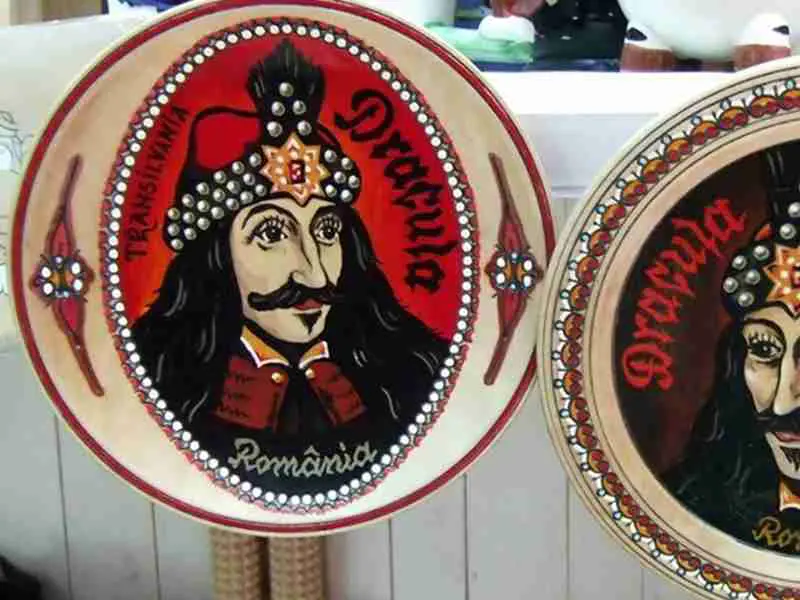
Medieval Transylvania was a world of contrasts – of nobles feasting in torch-lit halls and peasants cooking in clay ovens. Beyond the myth of blood and darkness, life in the time of Vlad Țepeș revolved around the table, where food was a symbol of power and connection with the earth.
Kitchen secrets from the time of Vlad Țepeș
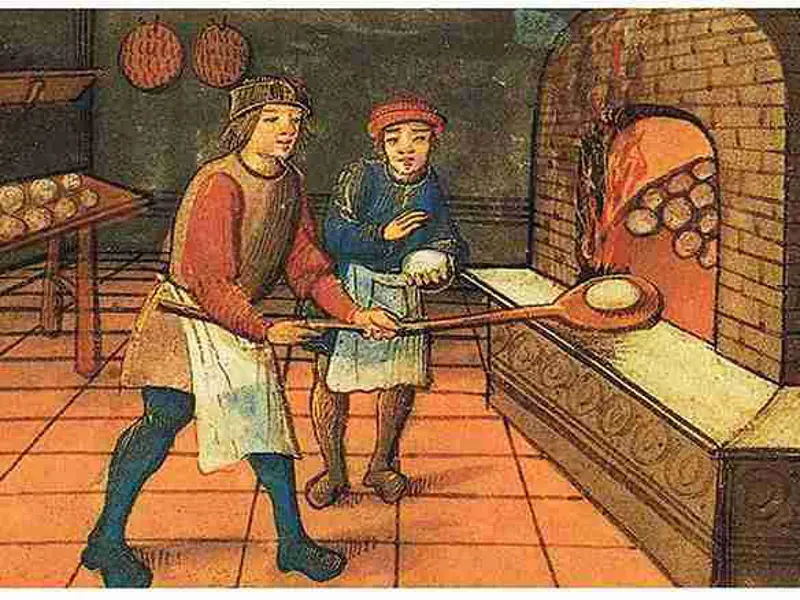
In the 15th century, royal meals were true rituals. Game meat – wild boar, deer or rabbit – was slowly roasted over coals and seasoned with rare spices brought from the East. Sauces were made from red wine, honey and fruit vinegar, and bread, baked on the hearth, was a must on the table. Meals often began with thick soups made from garden vegetables and ended with simple desserts: baked apples, gingerbread, or pies filled with sweet cheese and raisins.
Ingredients with mystical symbols
Medieval chefs believed that food had healing powers. Garlic, used liberally, was considered protective against evil – a belief that would later be linked to the vampire myth. Red wine was seen as the elixir of life, and aromatic herbs, such as thyme, basil, or wormwood, added not only flavor but also spiritual protection. Everything was cooked with respect for the rhythms of nature and with the belief that each ingredient carries sacred energy.
Recipes inspired by chronicles and legends
Among the traditional dishes preserved to this day are "venison stew with black wine", "chicken in honey and walnut sauce" and "lenten vegetable terrine". These recipes, reinterpreted in modern kitchens, preserve the authentic taste and fragrance of old times. Some chronicles even speak of a ritual preparation, a kind of "red bread", kneaded with wine and baked for holidays, as a symbol of strength and courage.
The meal as a symbol of life and faith
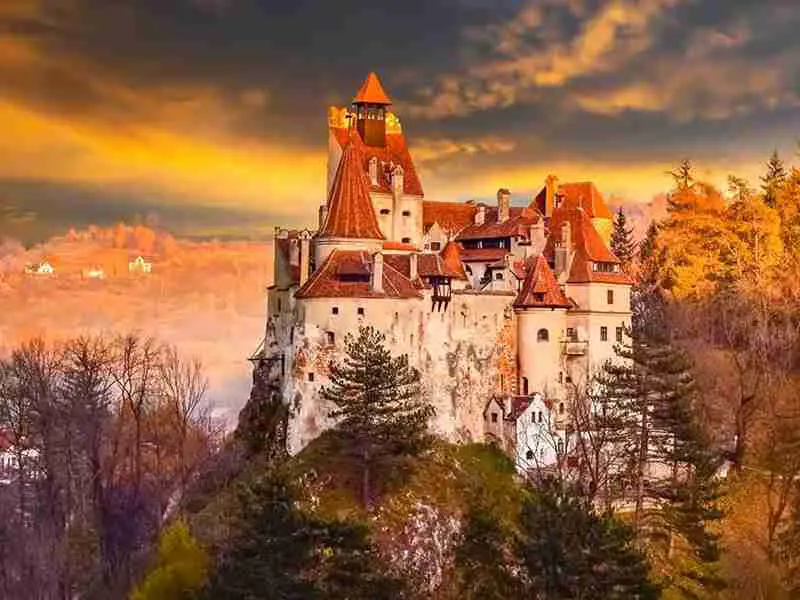
In medieval culture, sitting down at the table was an act of communion. The feast meant not only food, but also gratitude for the gifts of nature. Even in princely fortresses, where fates were decided and oaths were made, food was a bridge between people, between the world and the divine. In this sense, the medieval flavor of Transylvania has not been lost – it lives on in the simplicity and strength of the recipes that inspired the legend of Dracula.