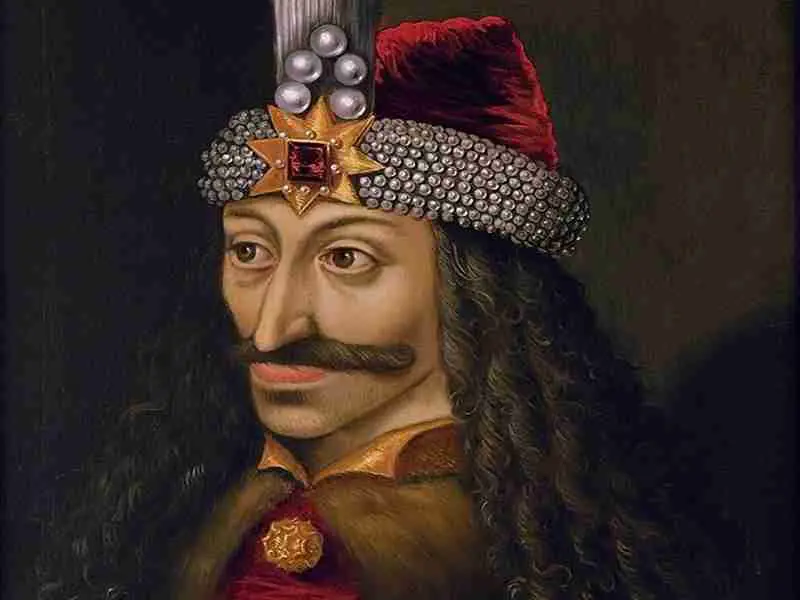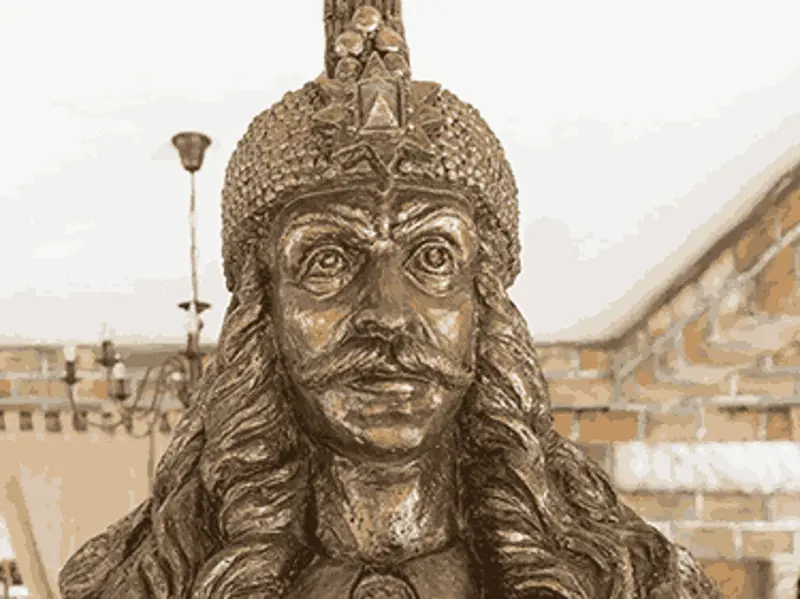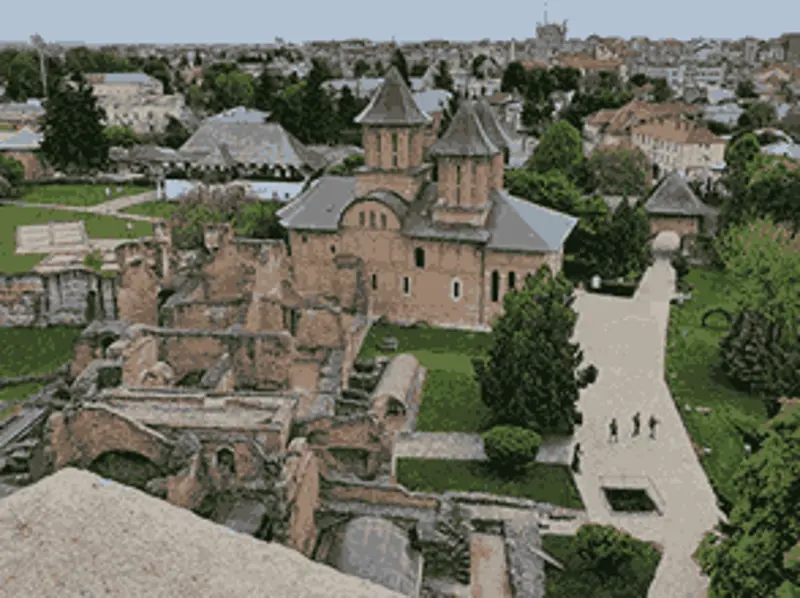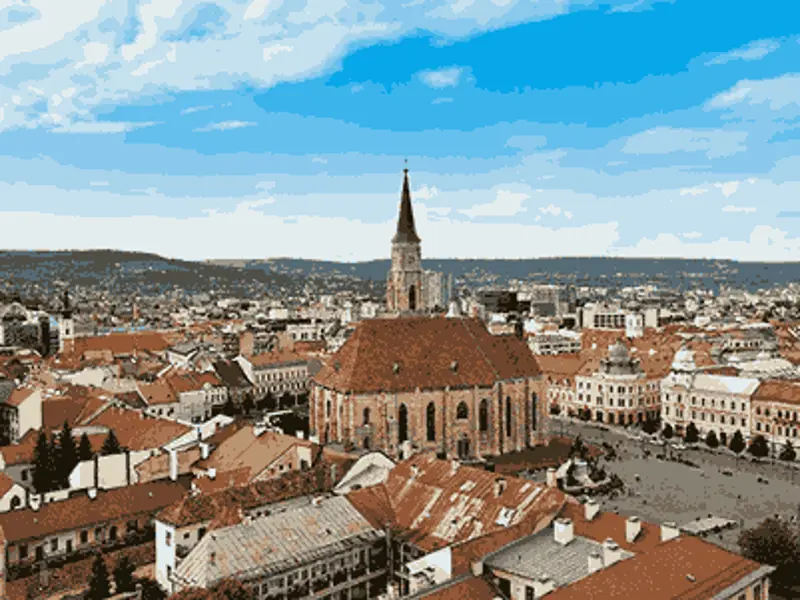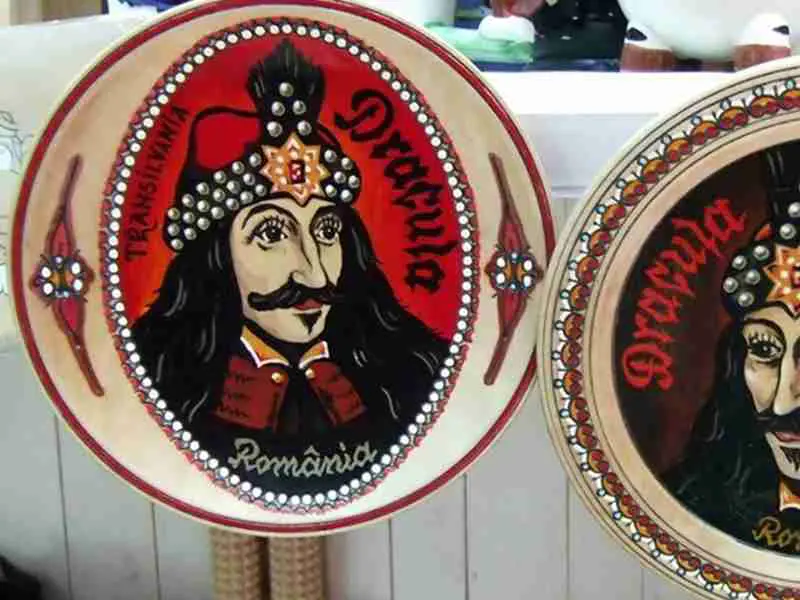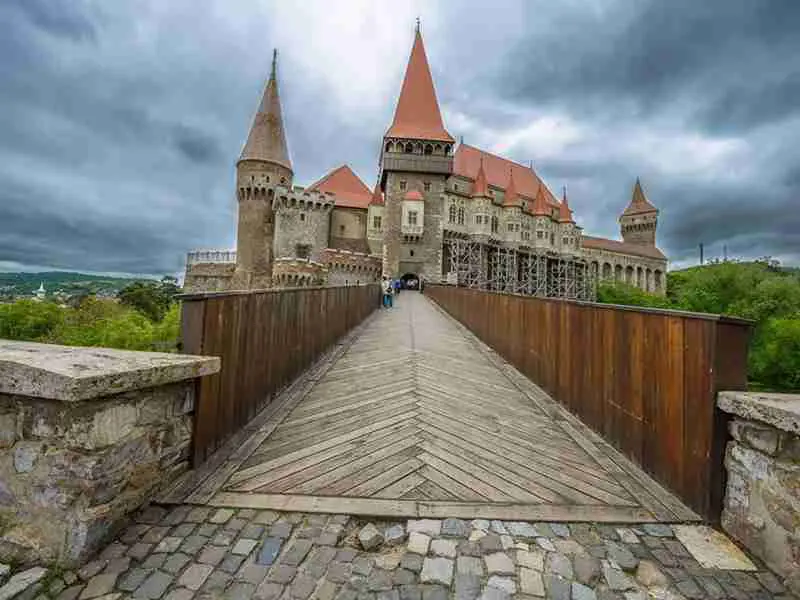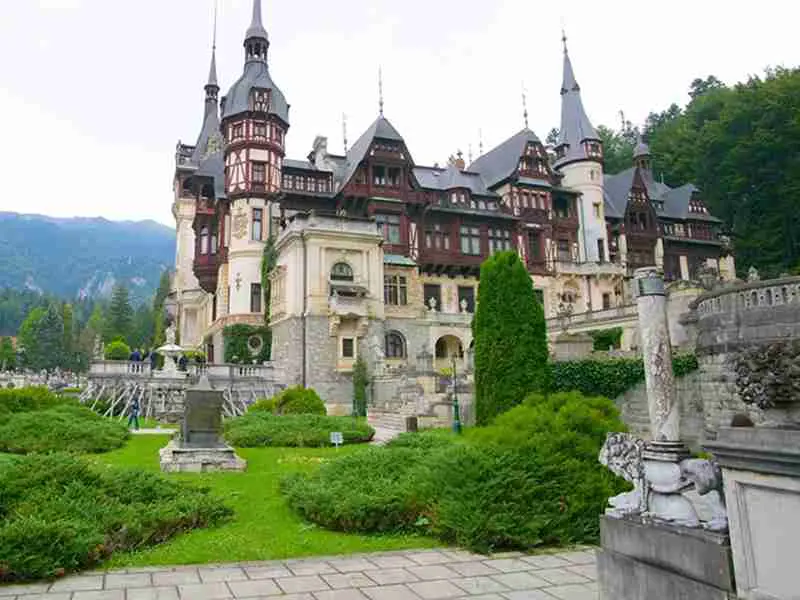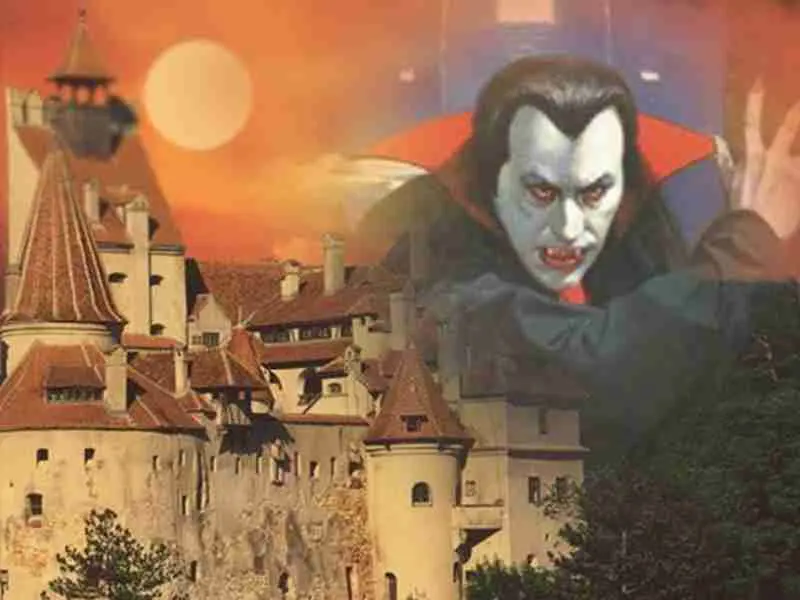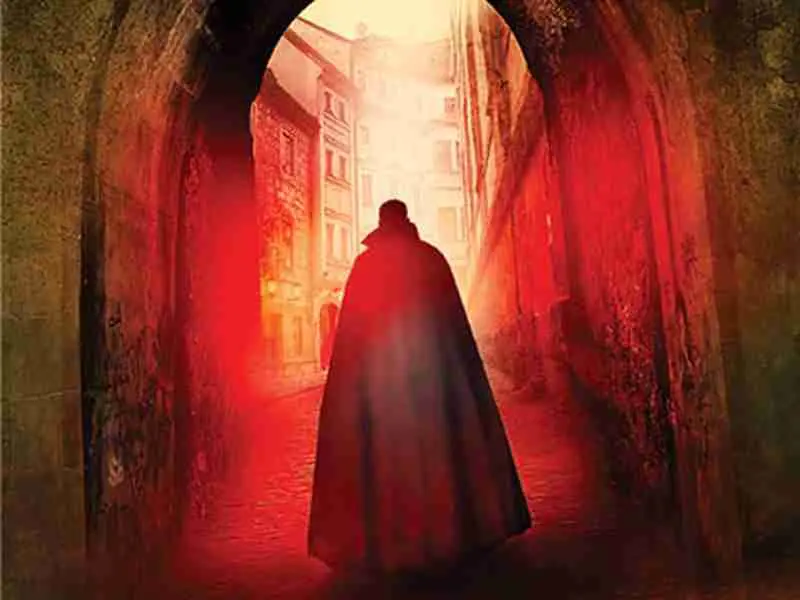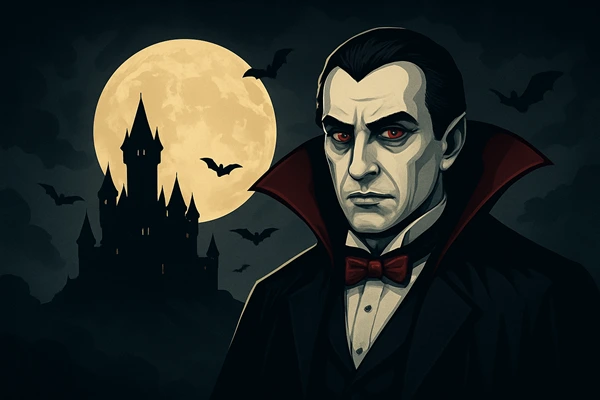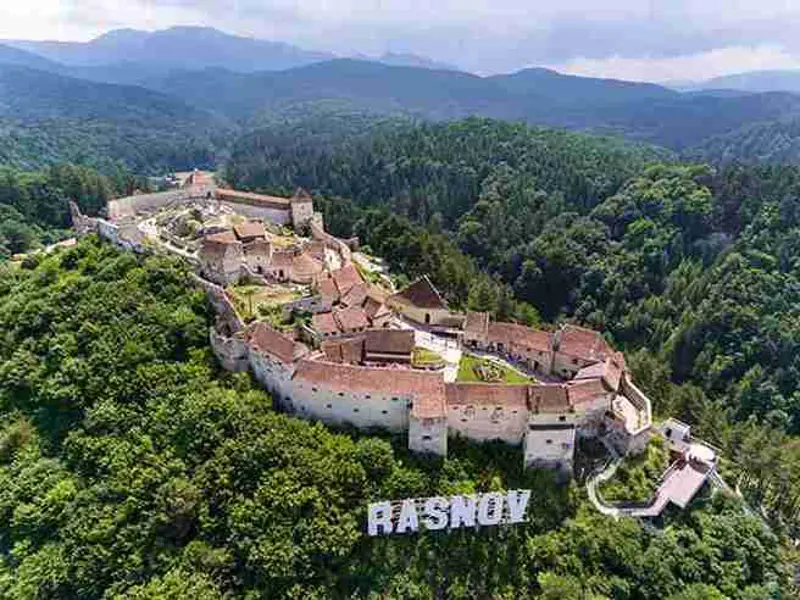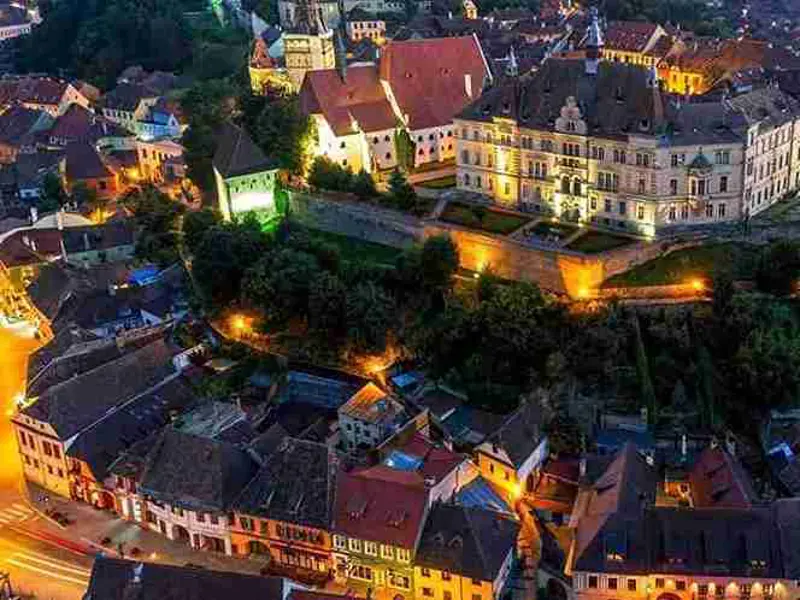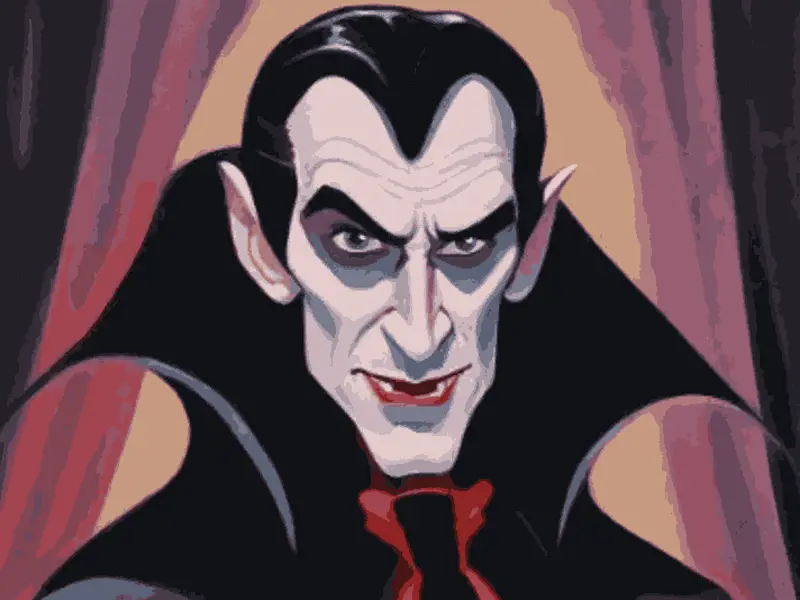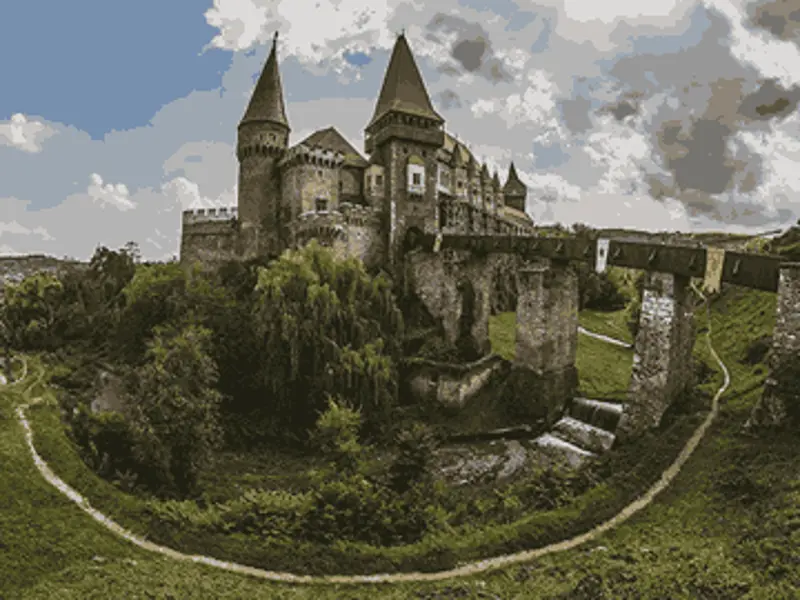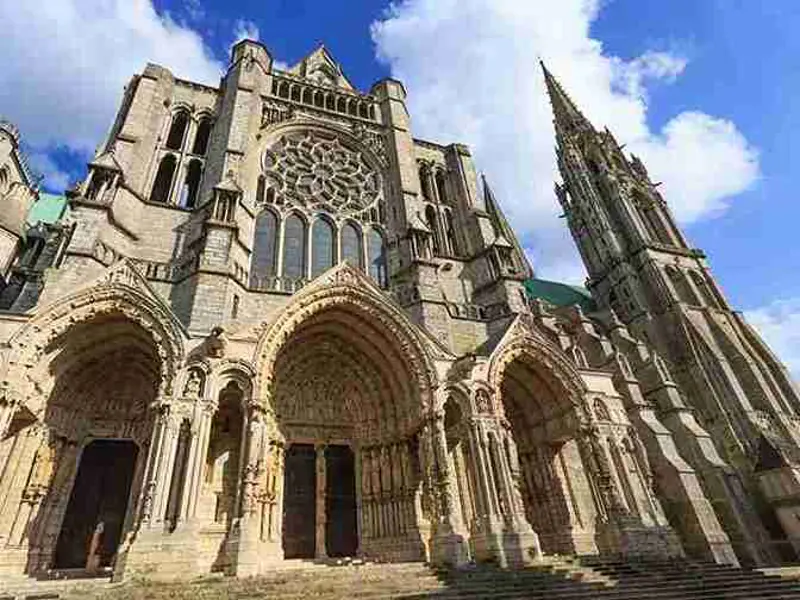
Gothic culture is a complex expression of dark beauty, mystery, and a fascination with life and death. Inspired by the medieval architecture, literature, and mystical symbolism of Europe, this aesthetic has become inseparable from the legend of Dracula and the story of Vlad Țepeș of Transylvania..
The origin and evolution of Gothic culture
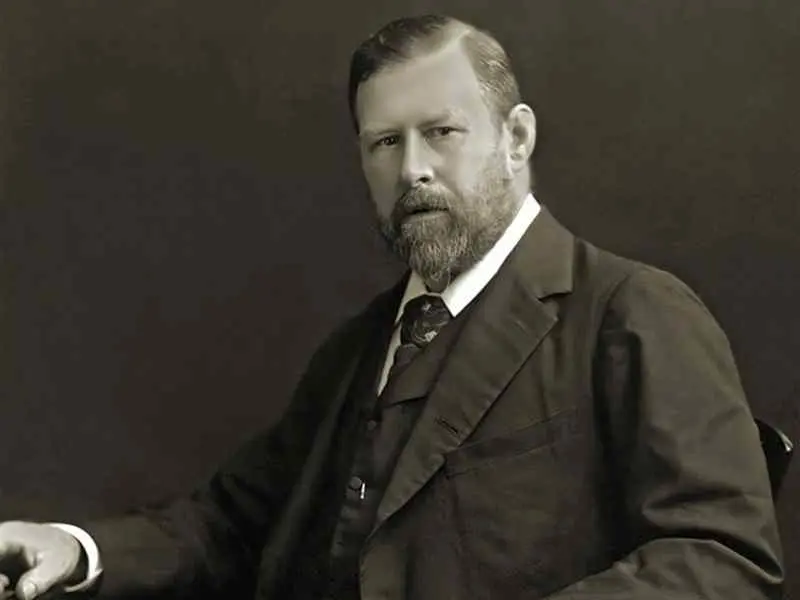
Gothic culture has its roots in the European Middle Ages, when towering cathedrals, colorful stained glass windows, and mysterious sculptures gave rise to a new visual language. In literature, this trend manifested itself through themes of melancholy, ruins, shadows, and destiny, culminating in the novel "Dracula" - the ultimate symbol of modern Gothic. Through its somber aesthetic, Gothic culture reflects the contrast between the spiritual and the material, life and death, light and darkness.
The connection between Gothic and the legend of Dracula
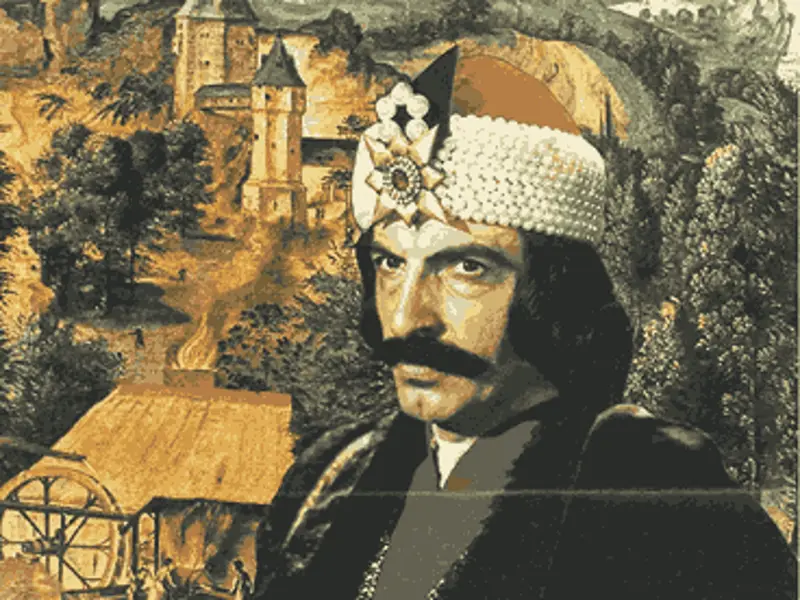
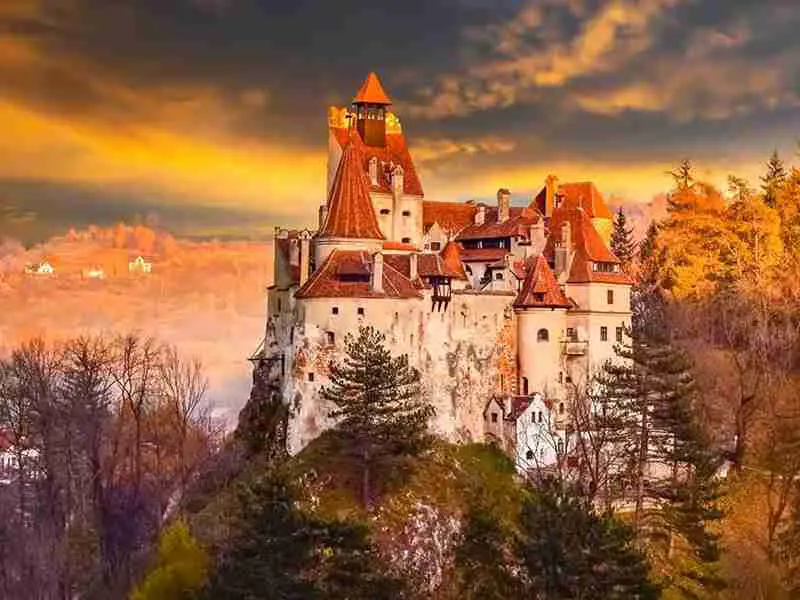
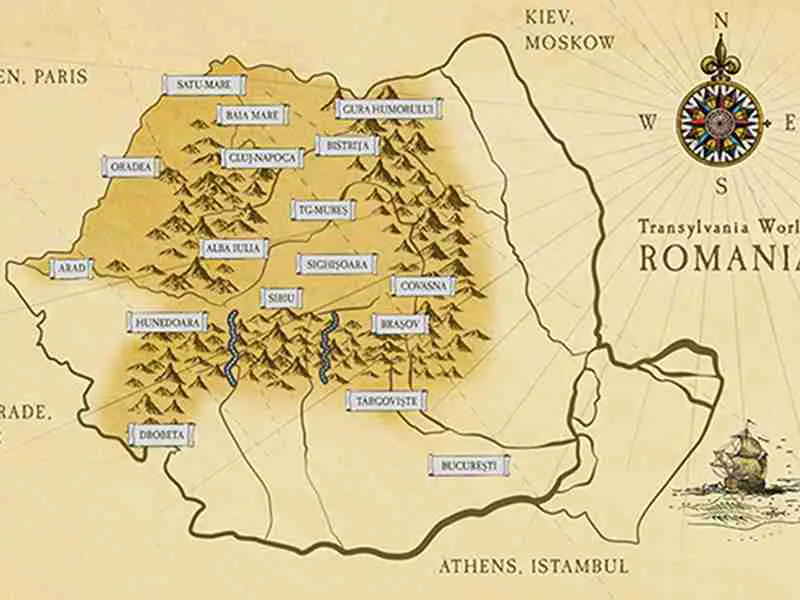
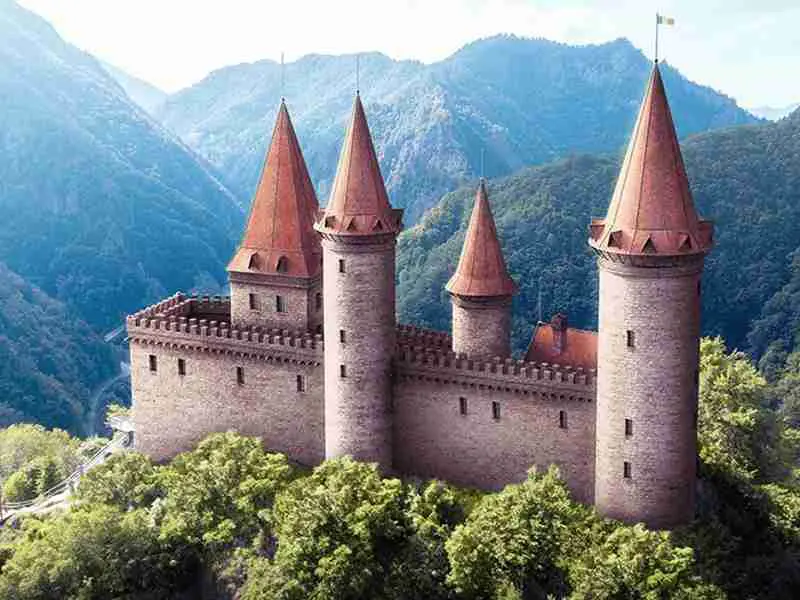
The character Dracula represents the perfect synthesis of Gothic symbols: the isolated castle, the occult forces, the desire for immortality and the moral conflict between good and evil. Against the backdrop of the mountains of Transylvania, this image has become an icon of Eastern European mystery. Gothic elements are found not only in the architecture of medieval fortifications, but also in the way literature describes fear, seduction and the mystery of the afterlife.
Gothic culture today
In the modern era, Gothic culture has expanded beyond literature, influencing fashion, music, and visual art. From black robes and alchemical symbols to themed festivals dedicated to Dracula, Gothic continues to express a form of melancholic elegance and individual freedom. It is a culture that celebrates contrast, introspection, and the hidden beauty of shadow.