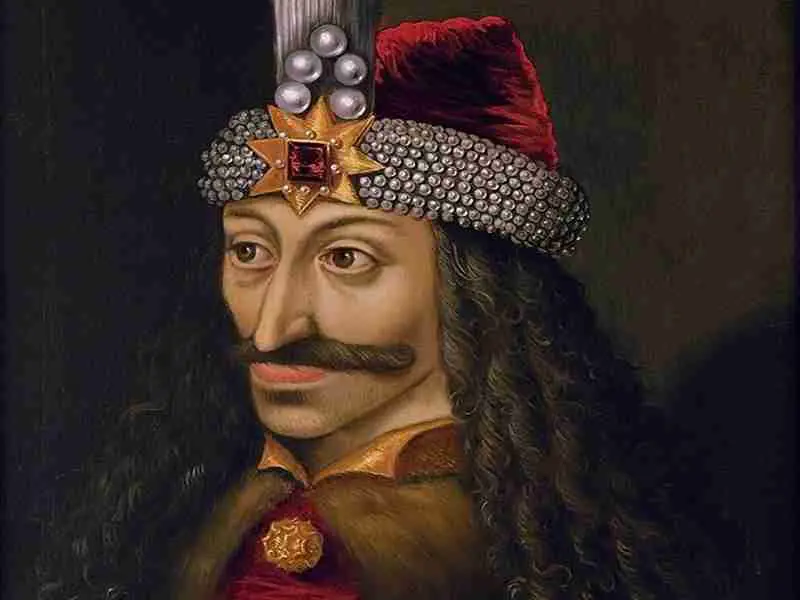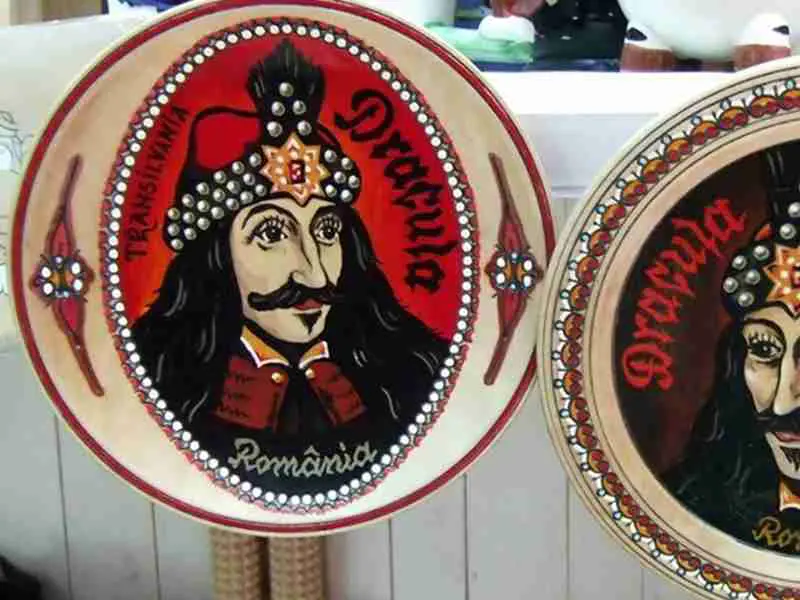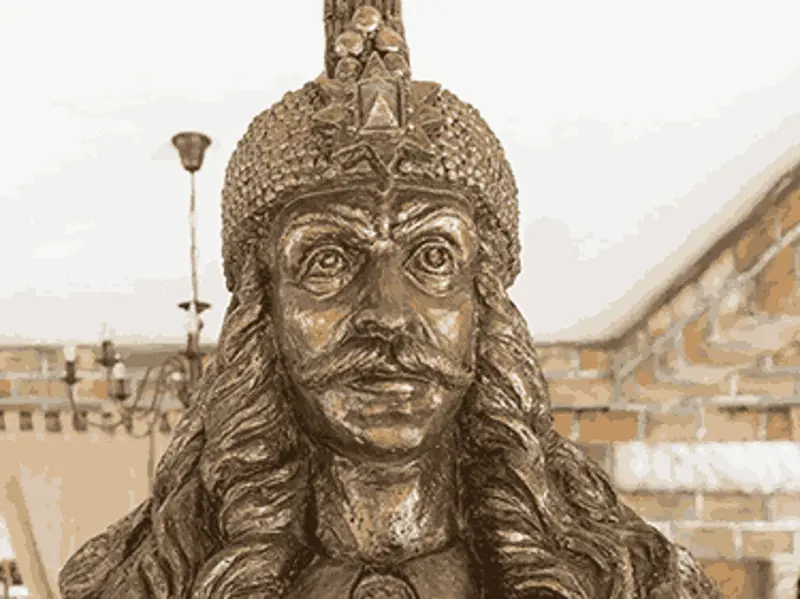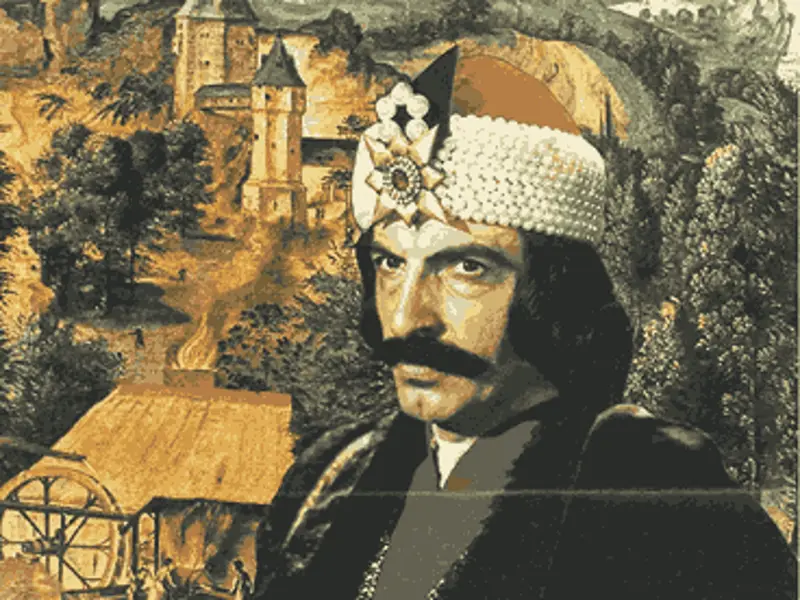
The legend of Dracula has not remained just a local story from Transylvania, but has become a universal cultural phenomenon. Inspired by the historical figure of Vlad Țepeș and transformed by the collective imagination, this myth has profoundly influenced art, literature, cinema, and even modern pop culture.
Dracula in literature and art
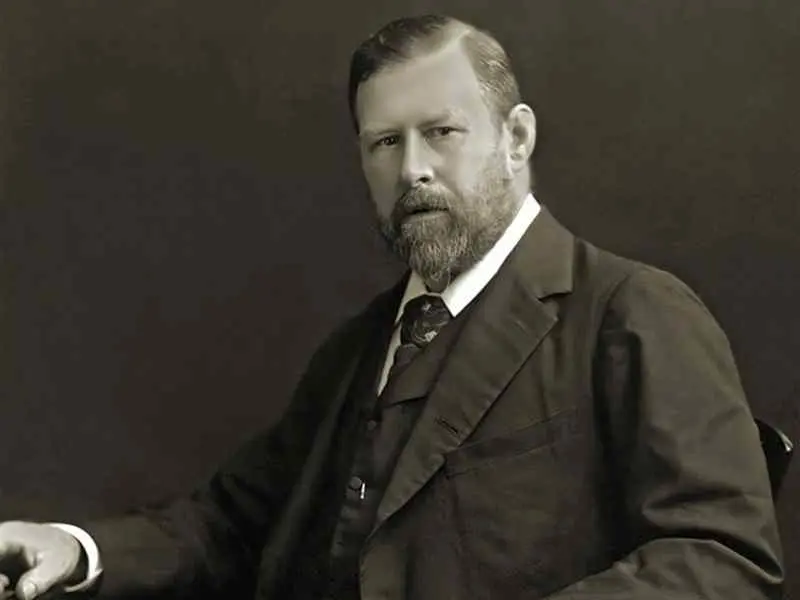
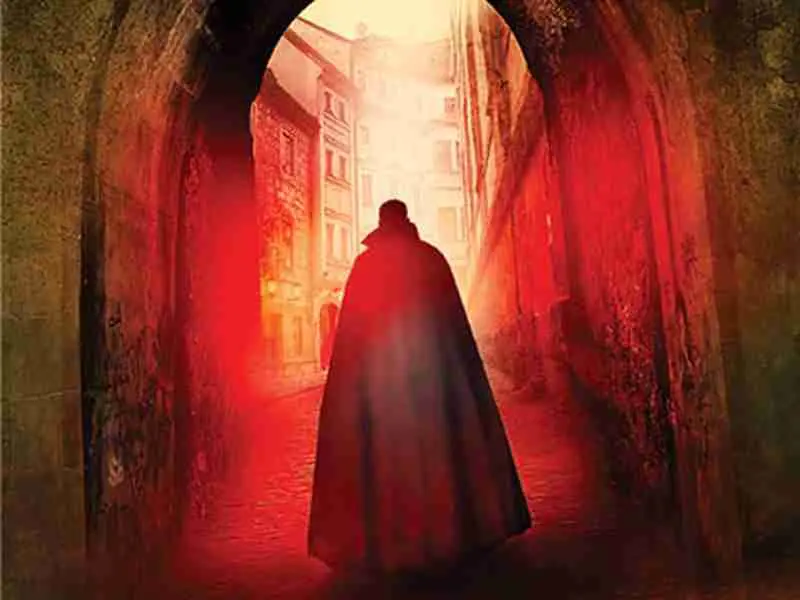
From Bram Stoker's classic novel to numerous modern reinterpretations, the character of Dracula has evolved from a symbol of fear to one of mystery and seduction. Writers, painters, and poets around the world have been fascinated by the theme of immortality and the contrast between humanity and monstrosity. Gothic and Romantic culture found in Dracula a character who reflected the moral dilemmas of modern man.
Dracula in film and popular culture
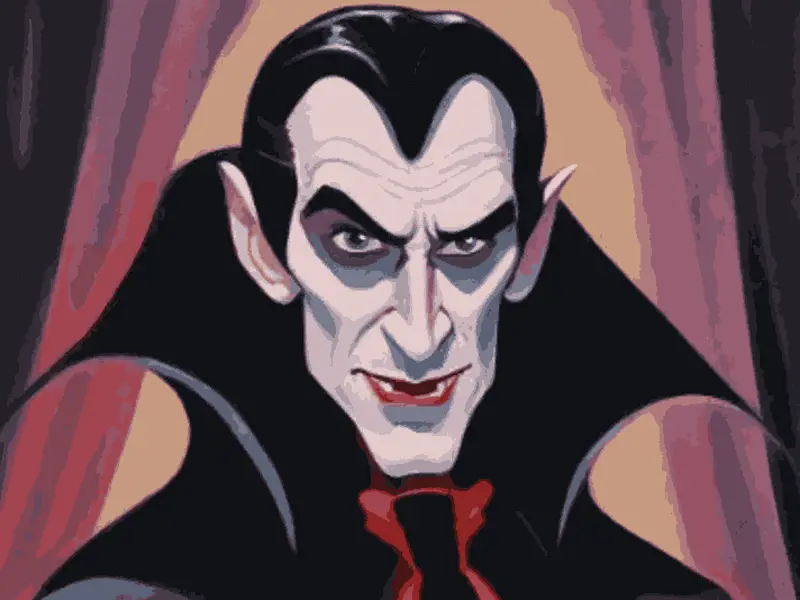
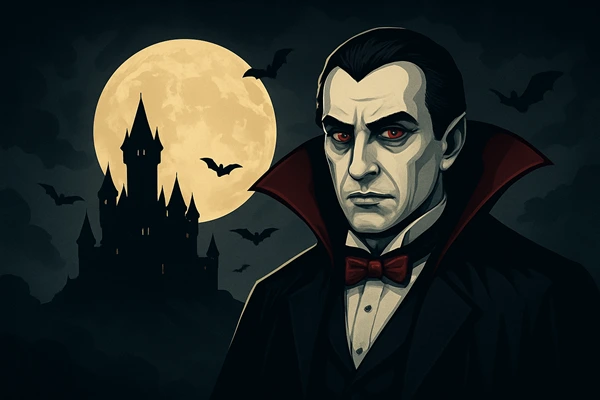
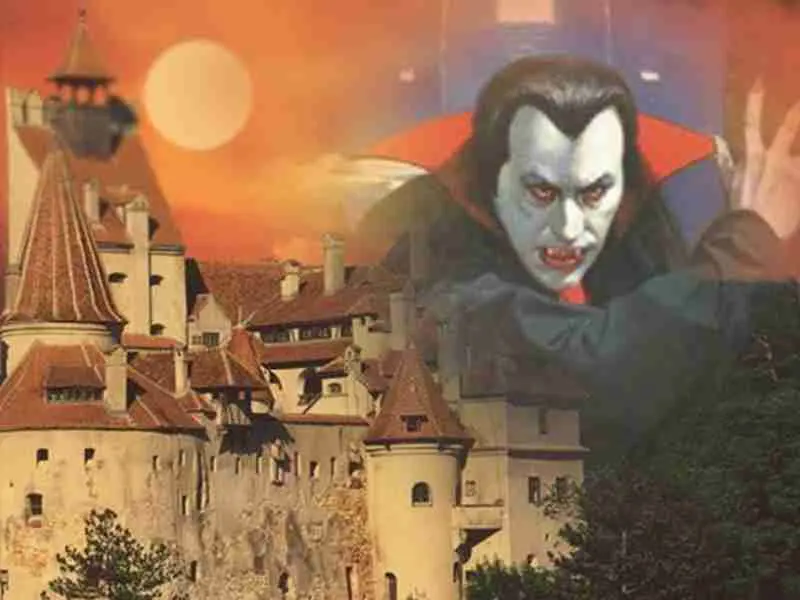
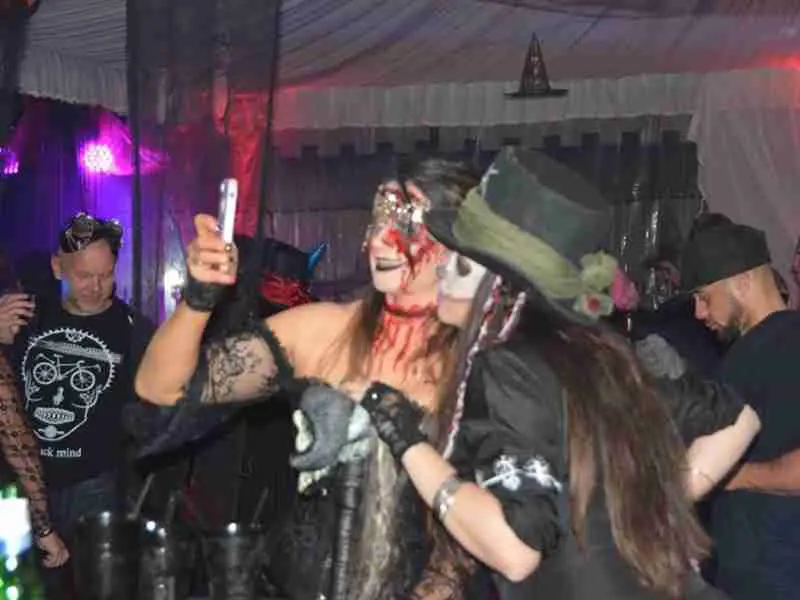
Cinema has transformed the legend of Dracula into an archetype of elegant horror. From the expressionist interpretation of the 1920s to contemporary adaptations, the image of the vampire has become a recurring symbol of dark seduction. In pop culture, Dracula has influenced music, fashion, video games, and the Gothic aesthetic, providing a unique artistic identity that crosses generations.
The cultural heritage of Transylvania
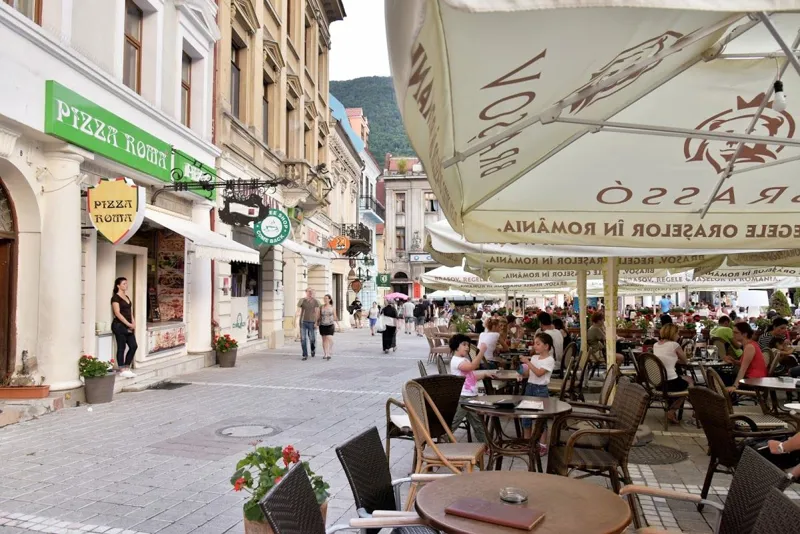
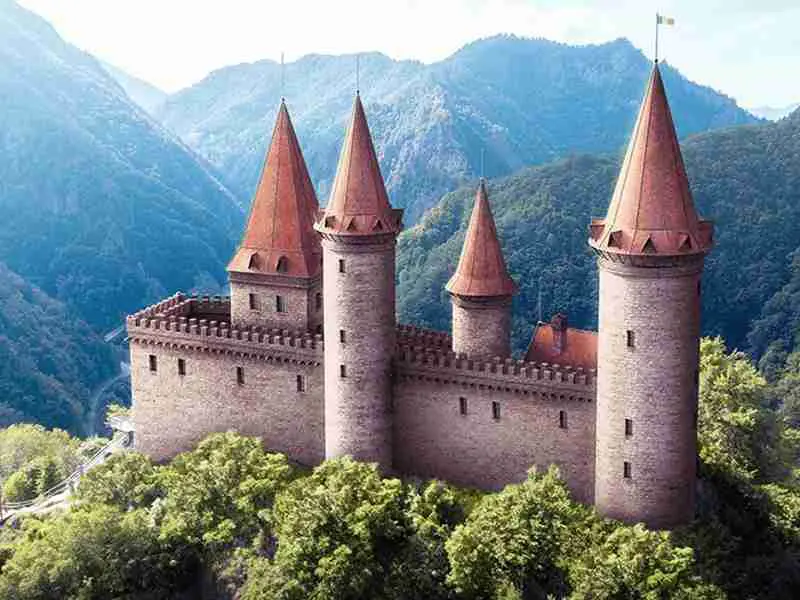
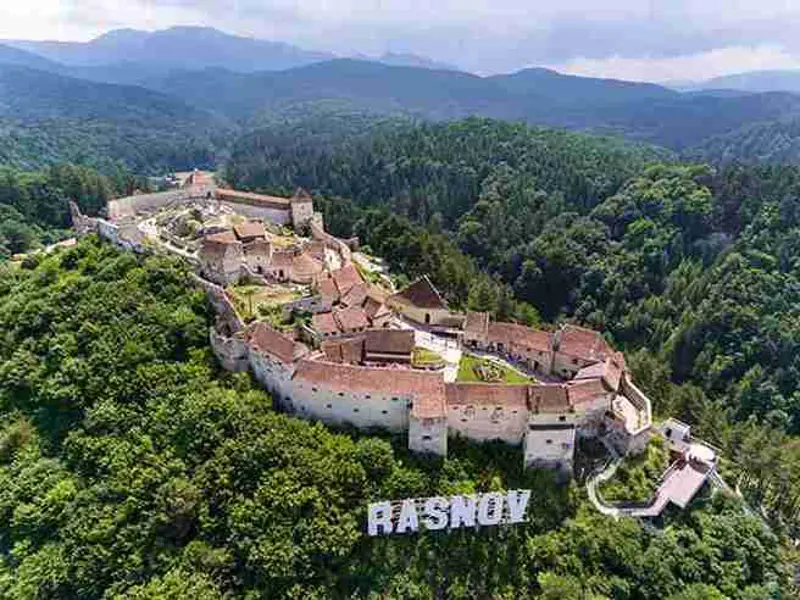
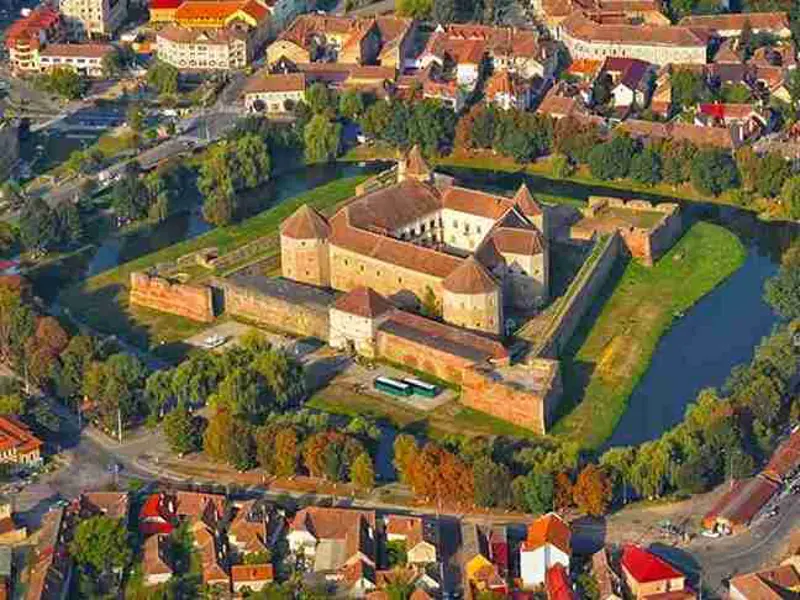
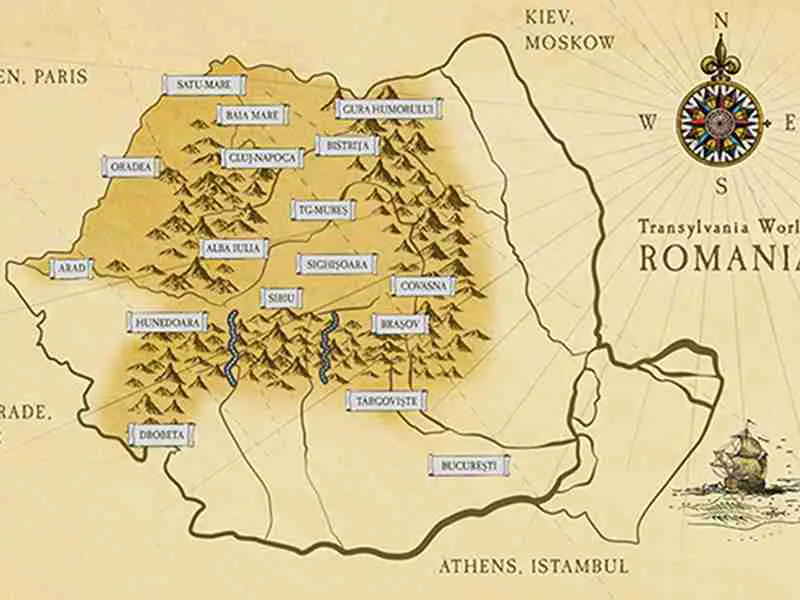
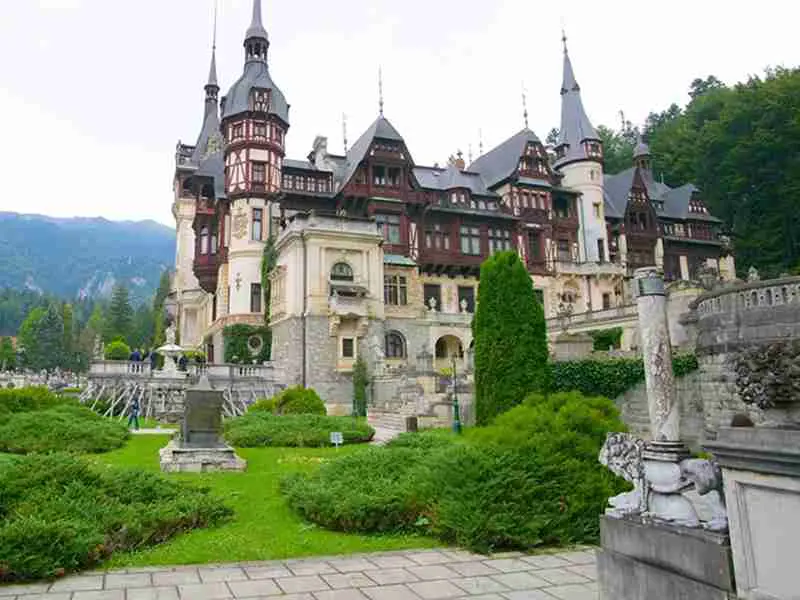
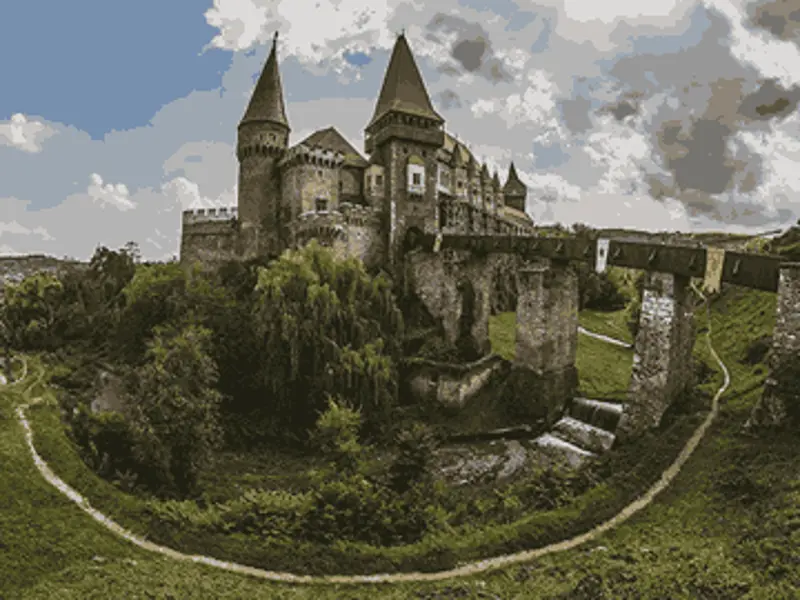
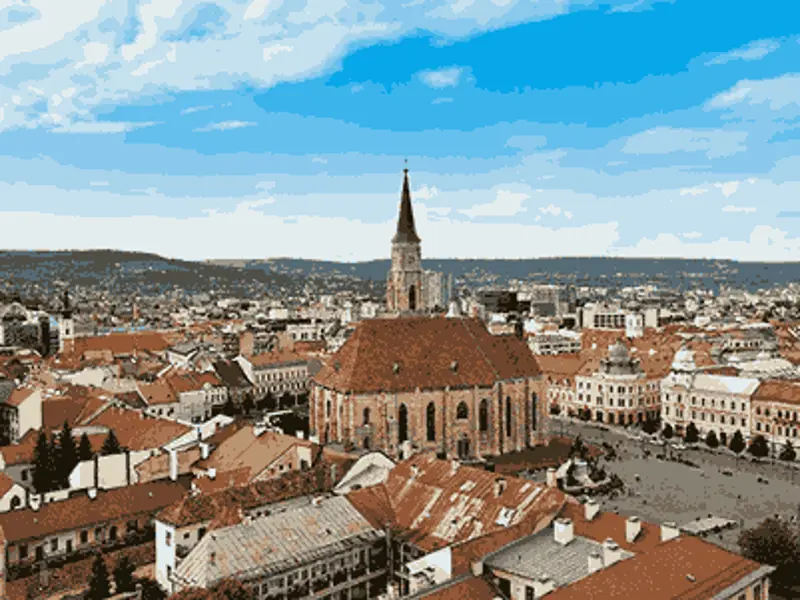
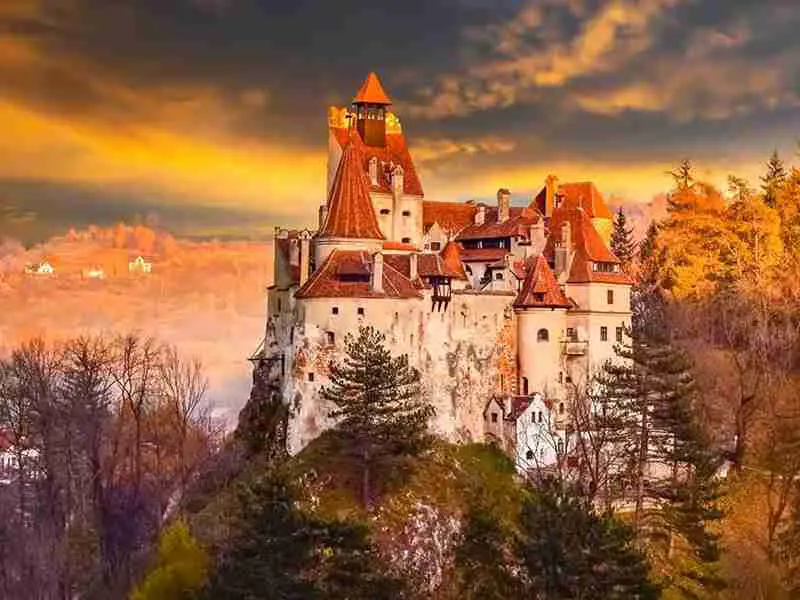
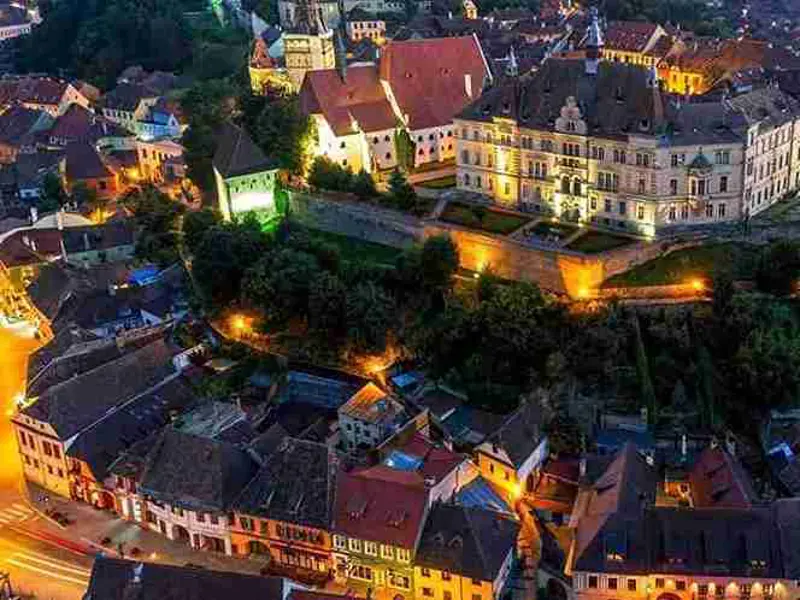
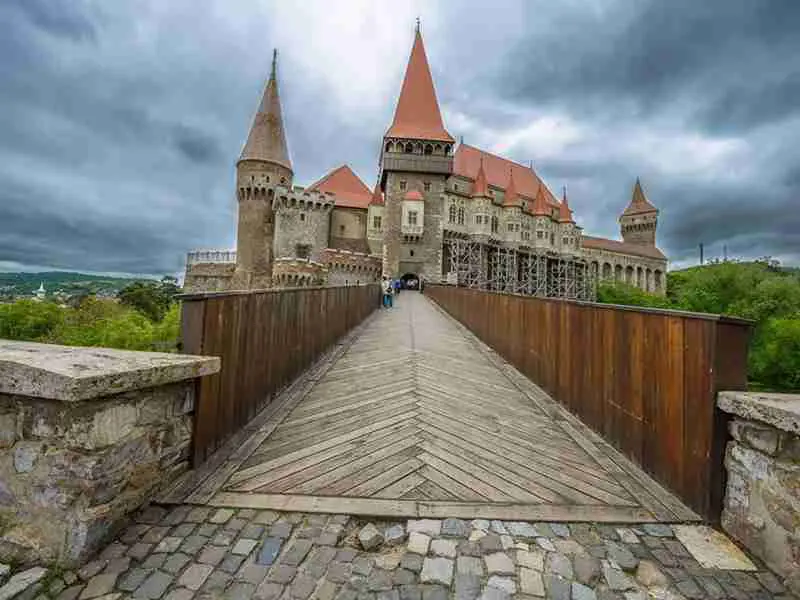
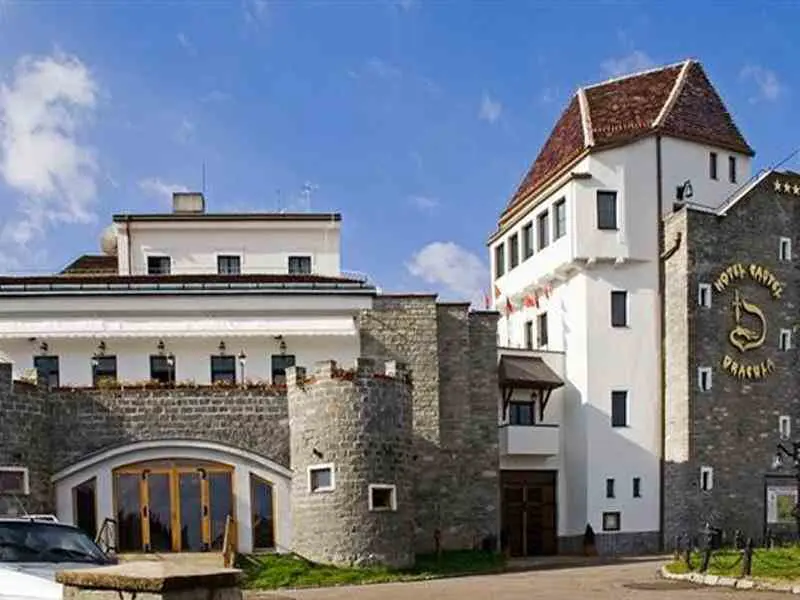
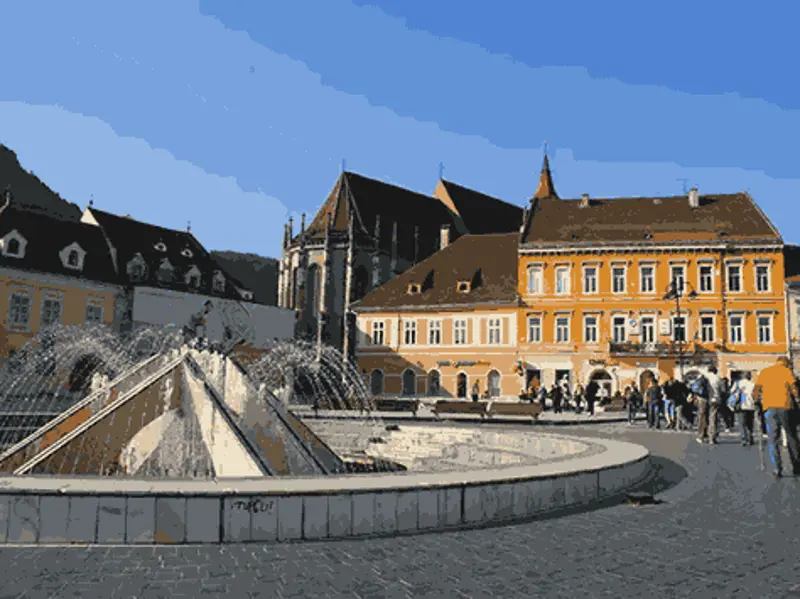
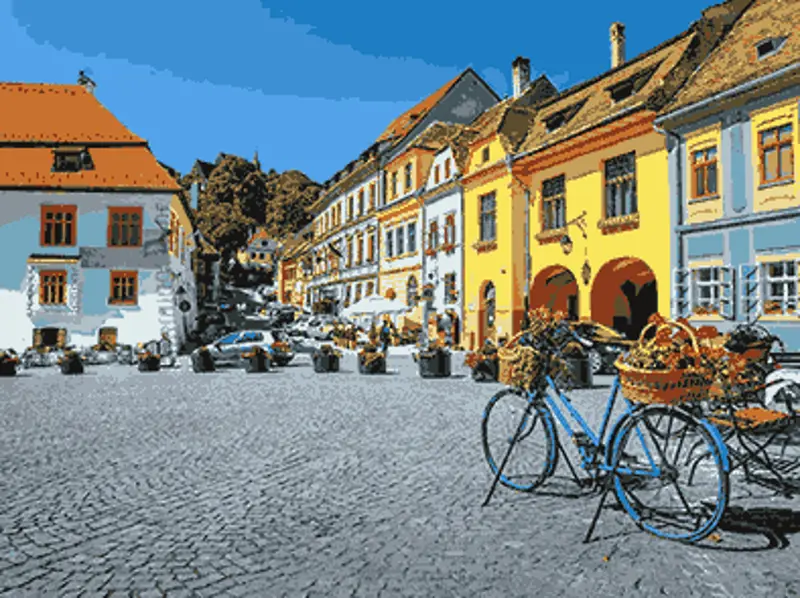
The myth of Dracula put Transylvania on the map of the global imagination, transforming it into a symbol of Eastern European mystery. Thematic tourism, medieval festivals and artistic productions inspired by the vampire legend have consolidated a unique cultural identity. Thus, the region's Gothic legacy has become an essential part of European heritage, uniting history and myth in a fascinating balance.
Dracula as a universal symbol
Beyond the stories, Dracula represents a metaphor for the thirst for power, the fear of death and the desire for eternity. This symbol crosses borders and cultures, offering each era a new interpretation. From literature to film, from art to fashion, the cultural influence of the Dracula myth remains an example of how a local legend can become a universal heritage.