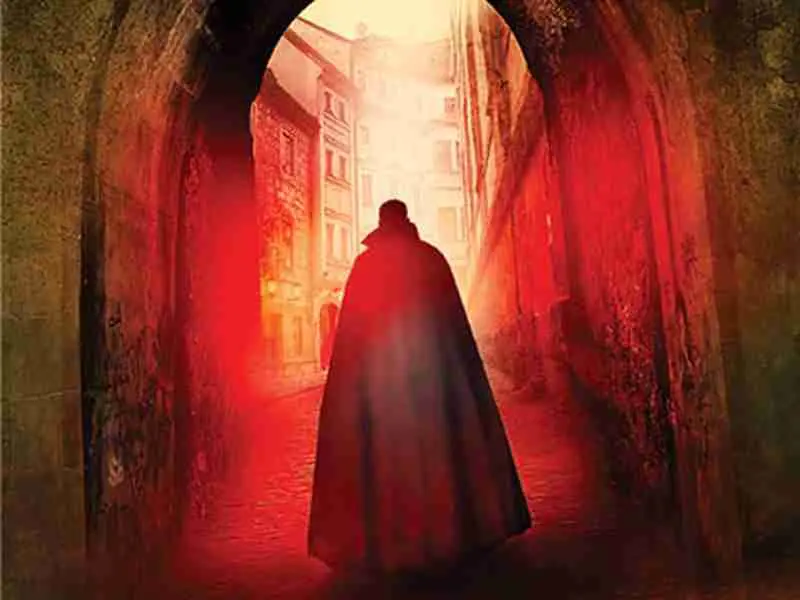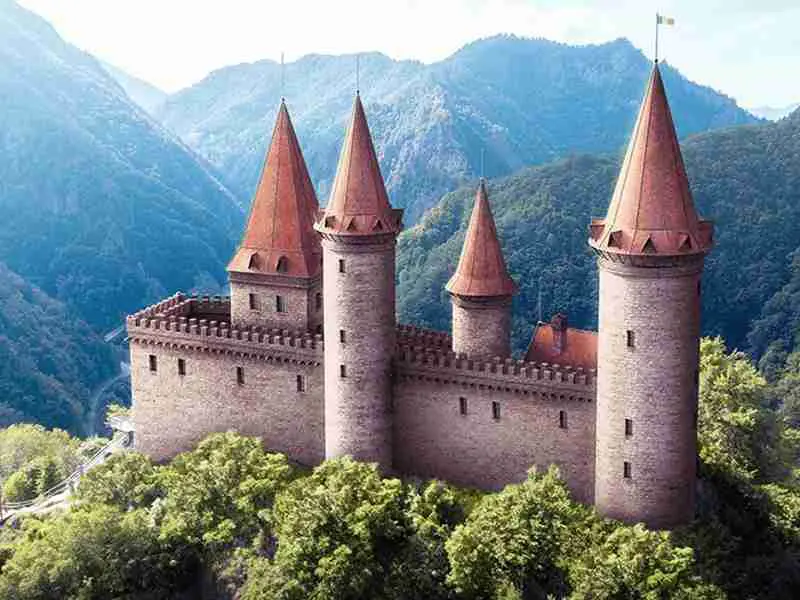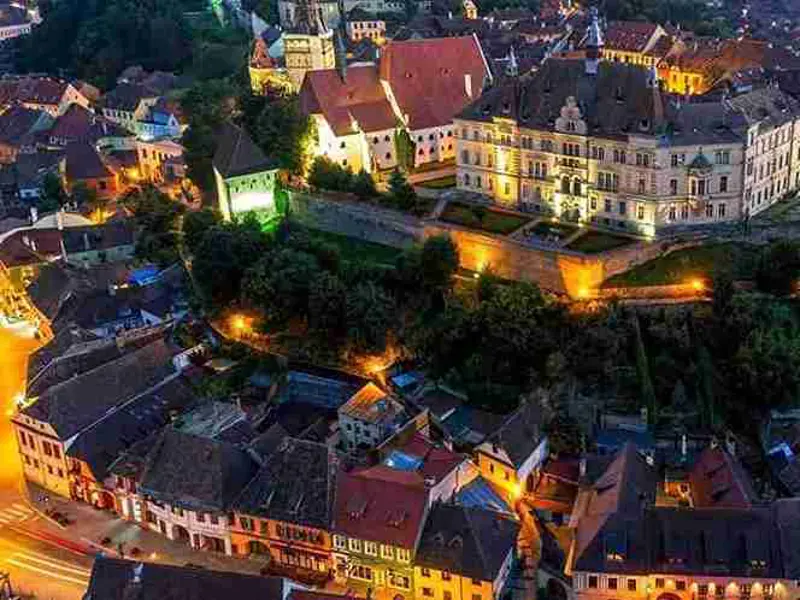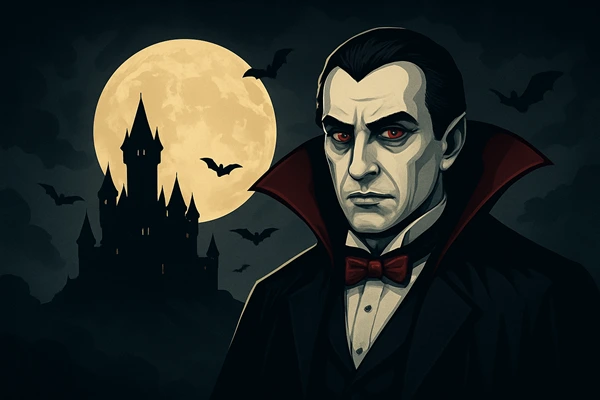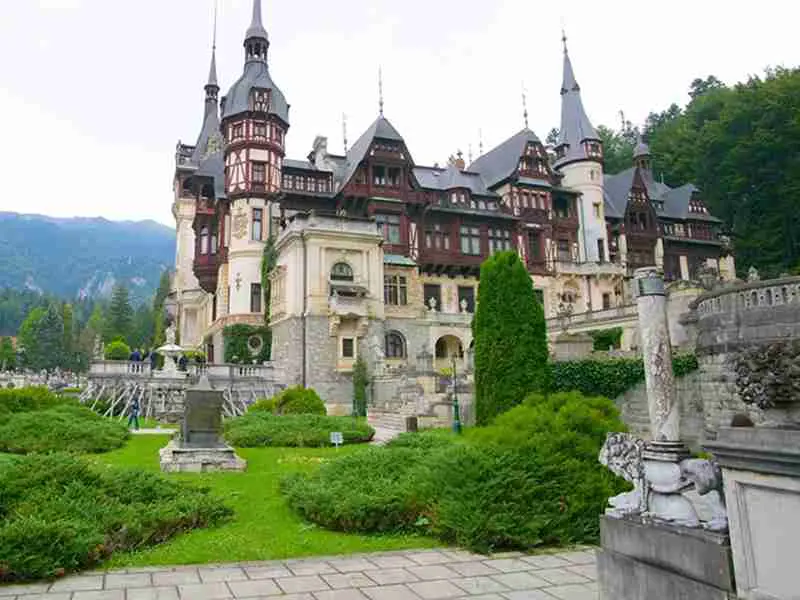
In the heart of Transylvania, among the hills shrouded in fog and vineyards that stretch as far as the eye can see, wines with stories were born. It is said that the very shadow of Dracula watches over the barrels hidden in the stone cellars, where time stands still and the aromas become legend.
The tradition of wine in Dracula's Land
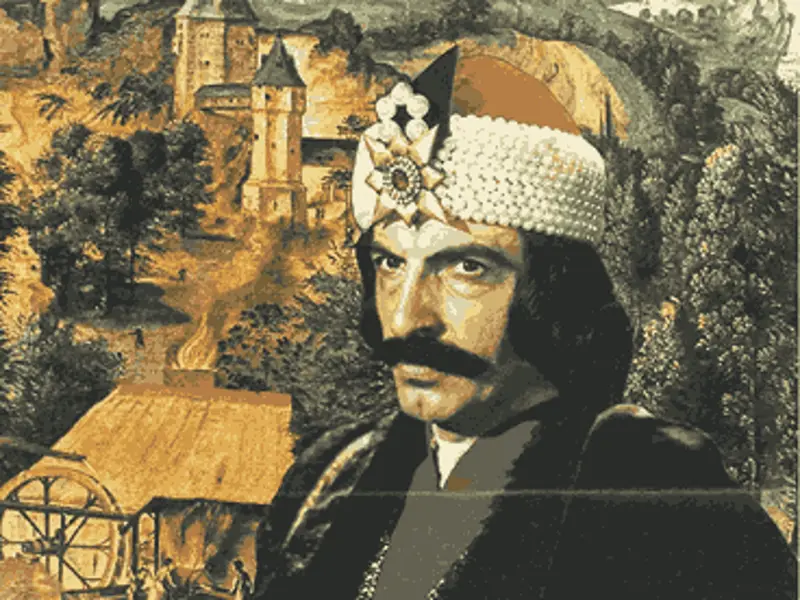
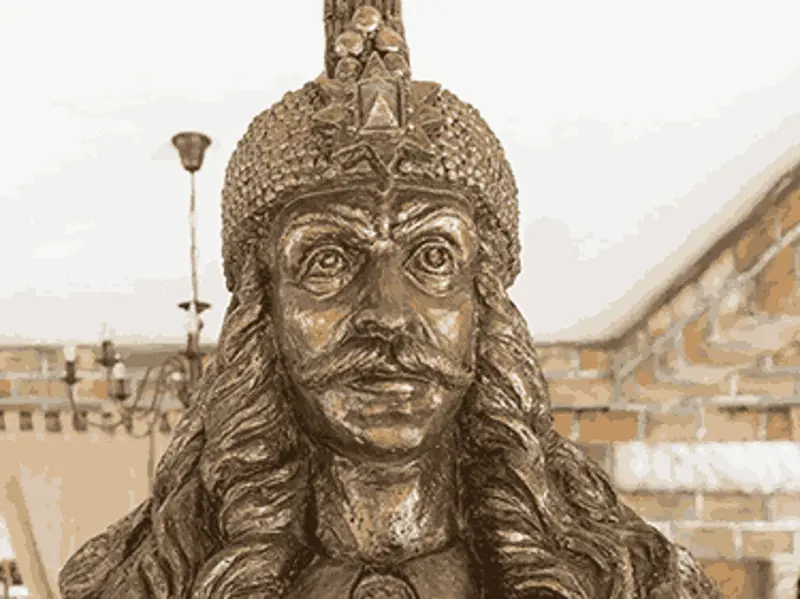
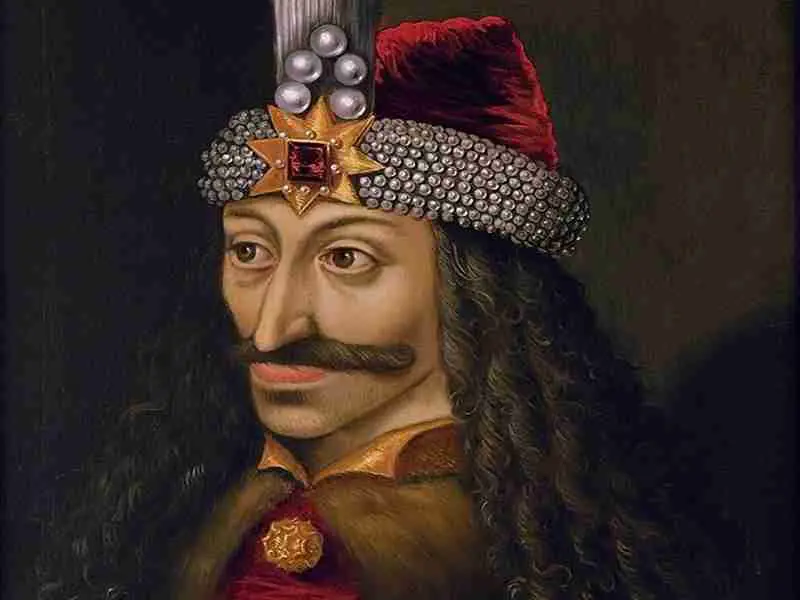
For centuries, Transylvania has been a region of contrasts – between light and darkness, between history and myth. Here, wine is not just a drink, but a part of life, rituals and the memory of the place. Every village has its own story about an old vineyard, a hidden cellar or a bottle in which the noble taste of the blood of the earth was preserved. Vlad Țepeș himself, known for his discipline and rigor, was a symbol of order, and legend has it that strong wines worthy of a ruler were served at his court.
Aromas from the depths of the Carpathians
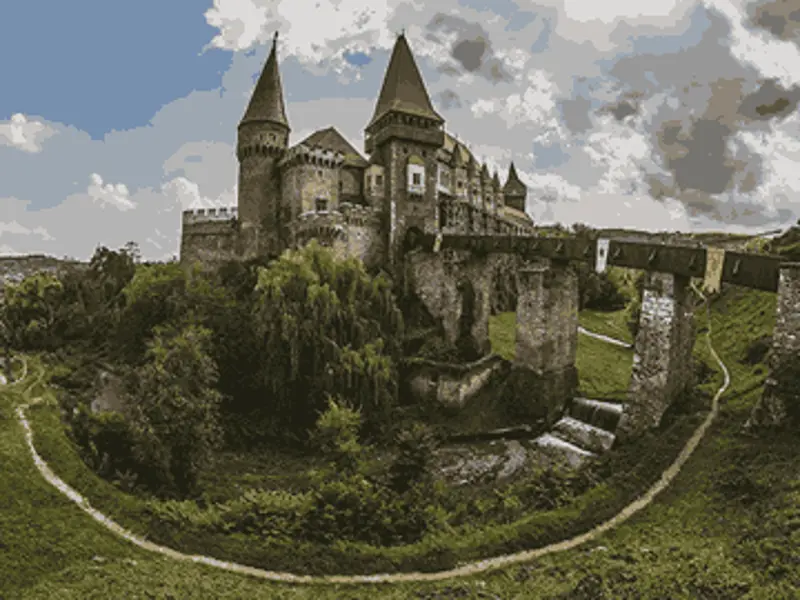
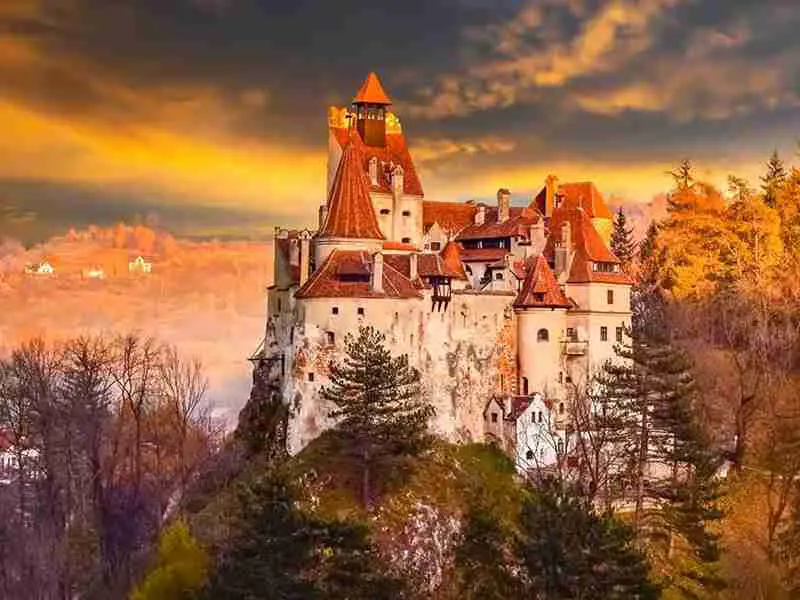
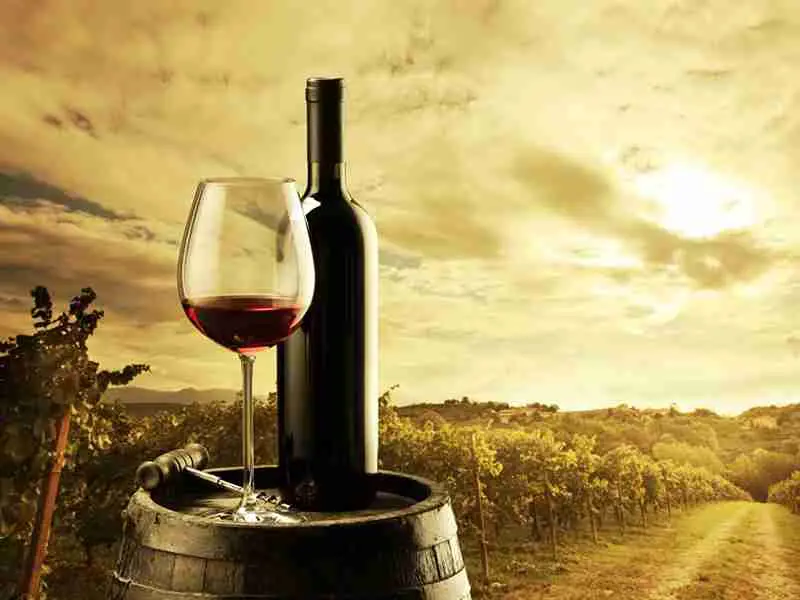
Transylvanian wines are distinguished by balance and character. In the vineyards of Aiud, Blaj or Târnave, late-picked grapes give rise to ruby liqueurs, full of mystery. Notes of dried plums, smoked wood and black fruits recall cold nights and stone fortresses that watch over the valleys. A glass of red wine from these places is not just a tasting, but a journey through time – to the era when the myth of Dracula came to life.
Cellars, celebrations and rituals
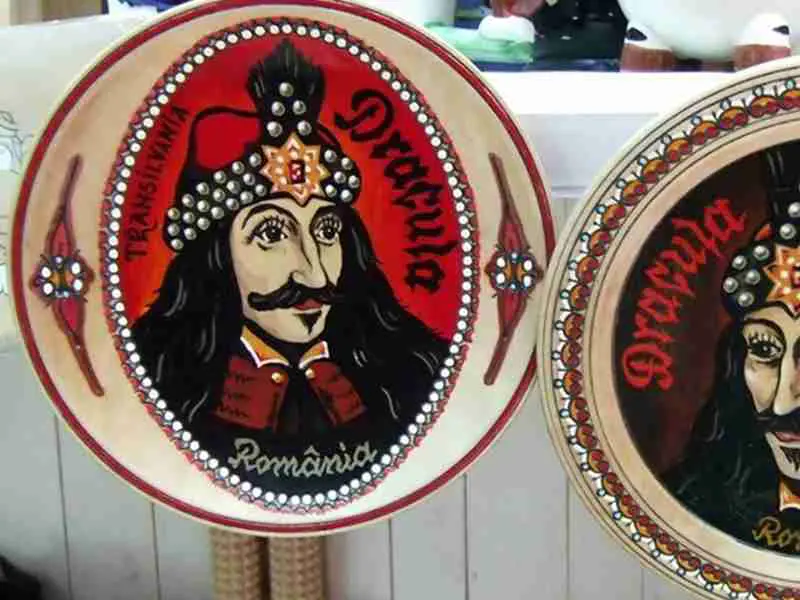
In Transylvanian villages, wine has its own celebrations. Whether it's the harvesting of the vine, the consecration of the must, or the blessing of the barrels, every moment is accompanied by song, prayer, and stories about ancient rulers and spirits. In some places, new wine is poured into red glasses, symbolizing the connection between life and death – a tradition reminiscent of Dracula's duality: protector and punisher, human and legendary.
Wine – symbol of immortality
In Transylvanian culture, wine is seen as a divine gift, a connection between earth and heaven. Its intense color evokes the power of blood, the essence of life, and its complex taste reflects the depth of the Romanian spirit. Just as the legend of Dracula never dies, neither do the wines from these places – they become symbols of a living legacy, passed down from generation to generation.