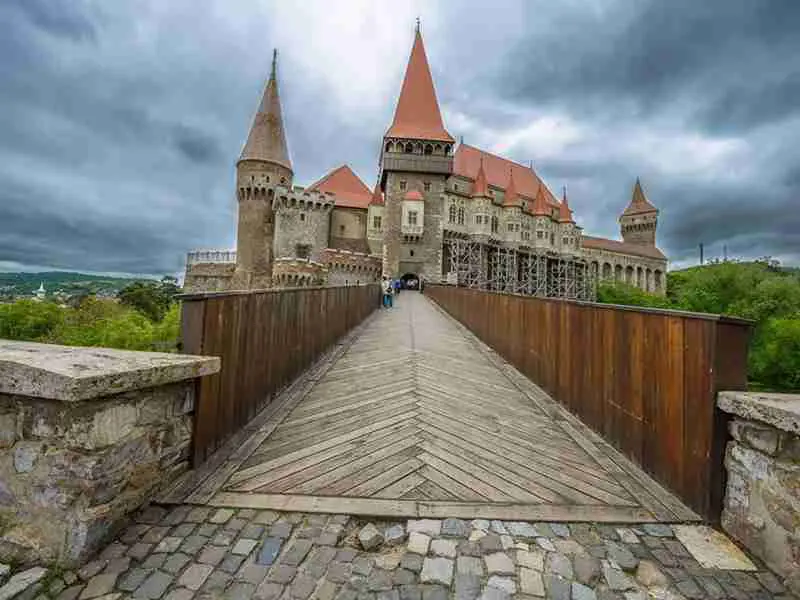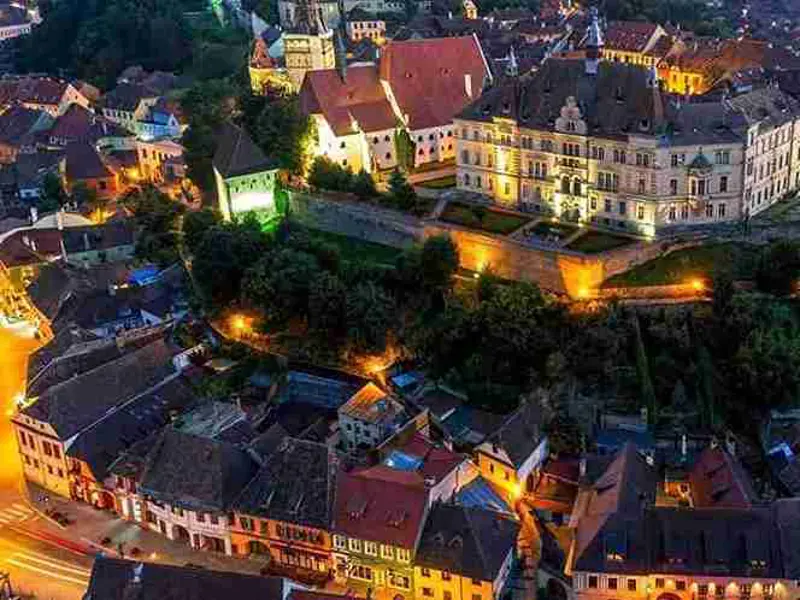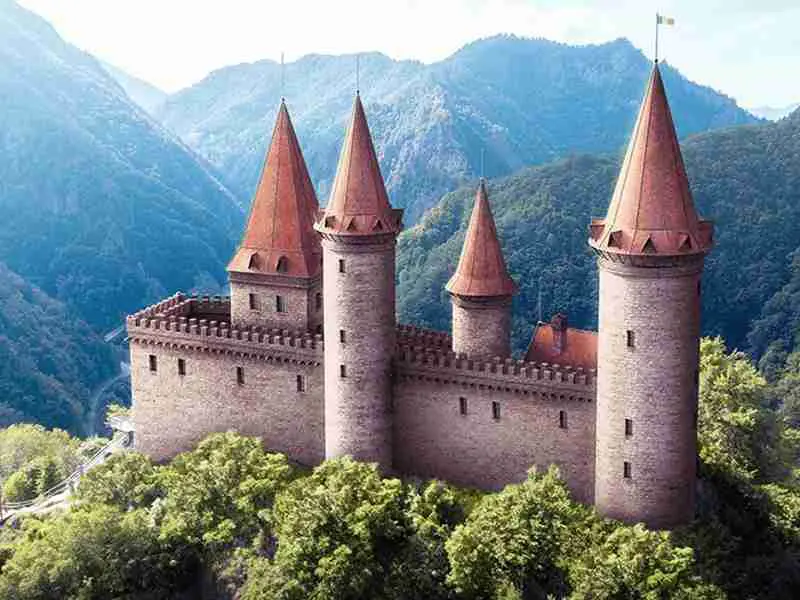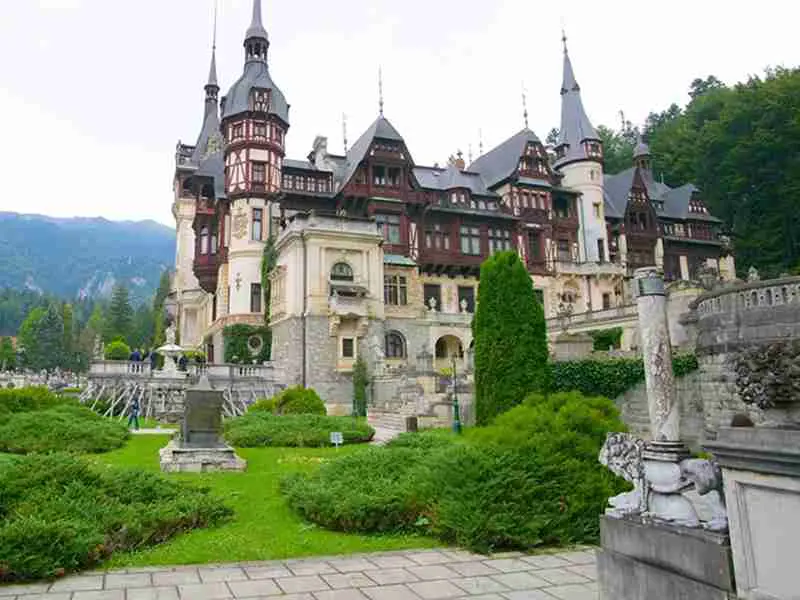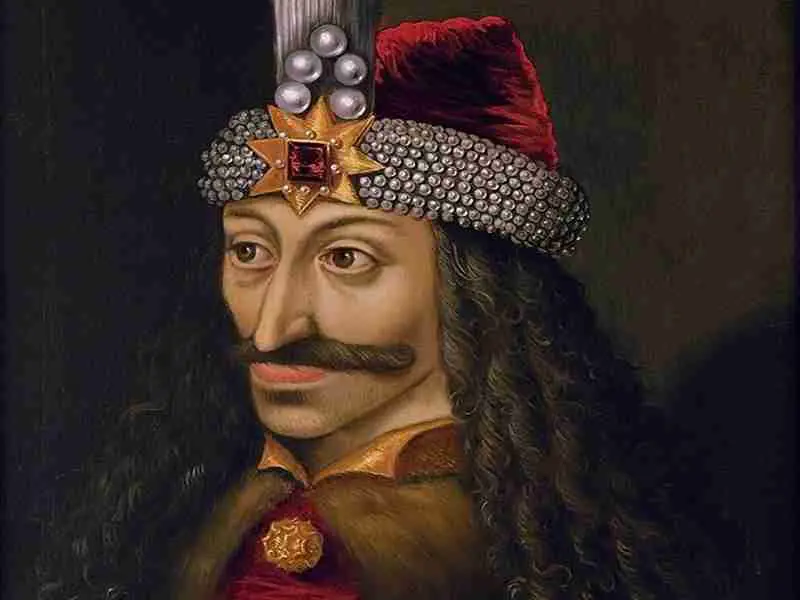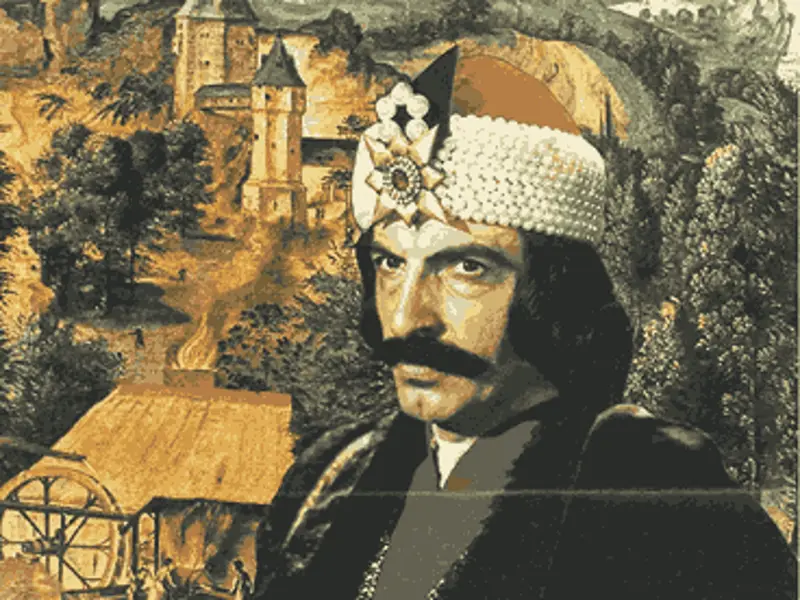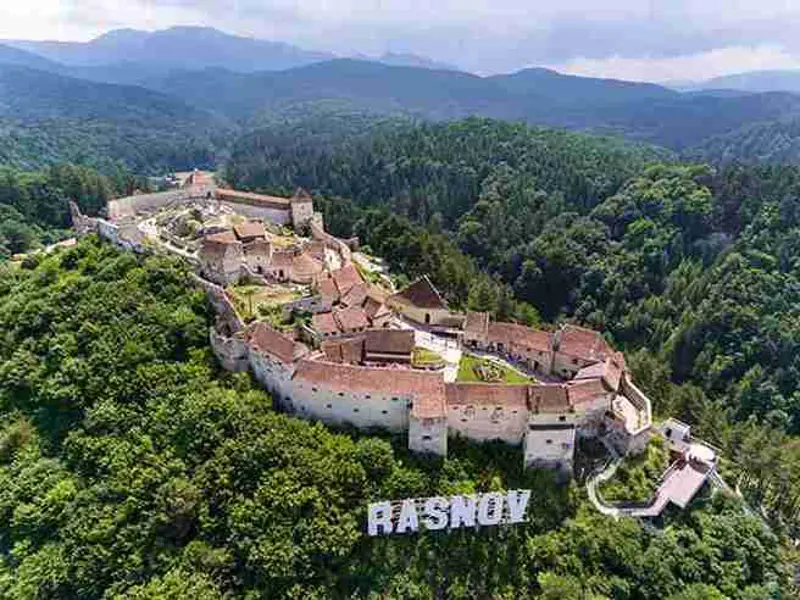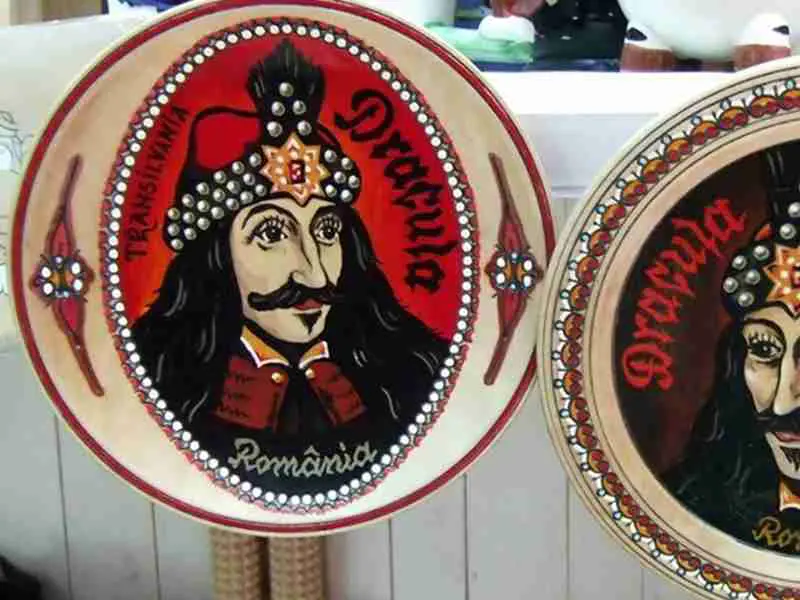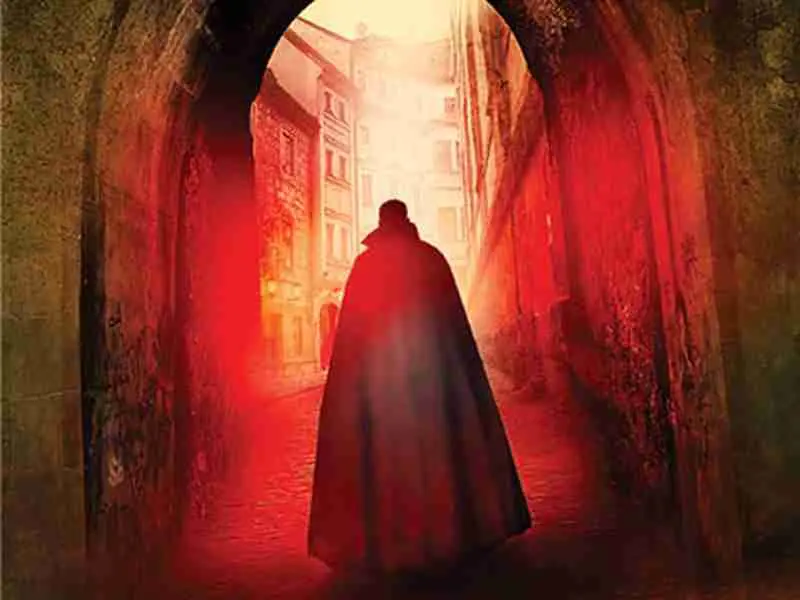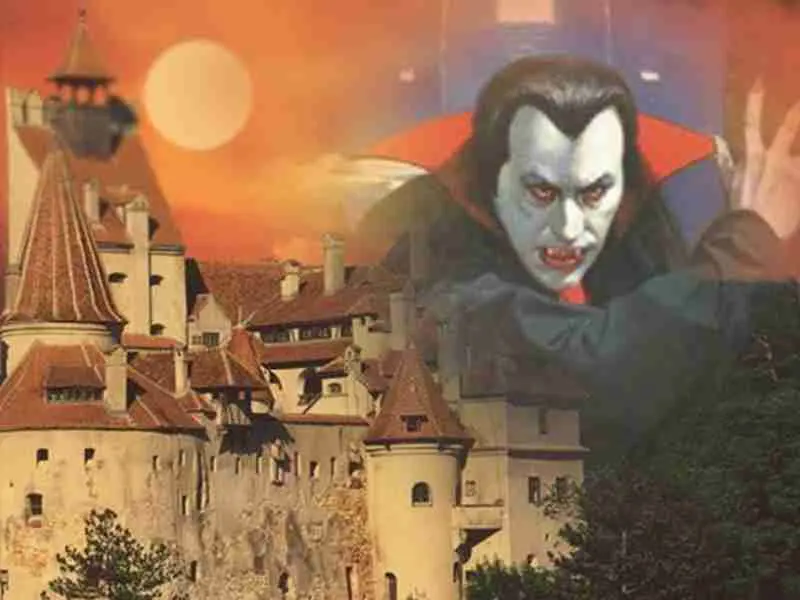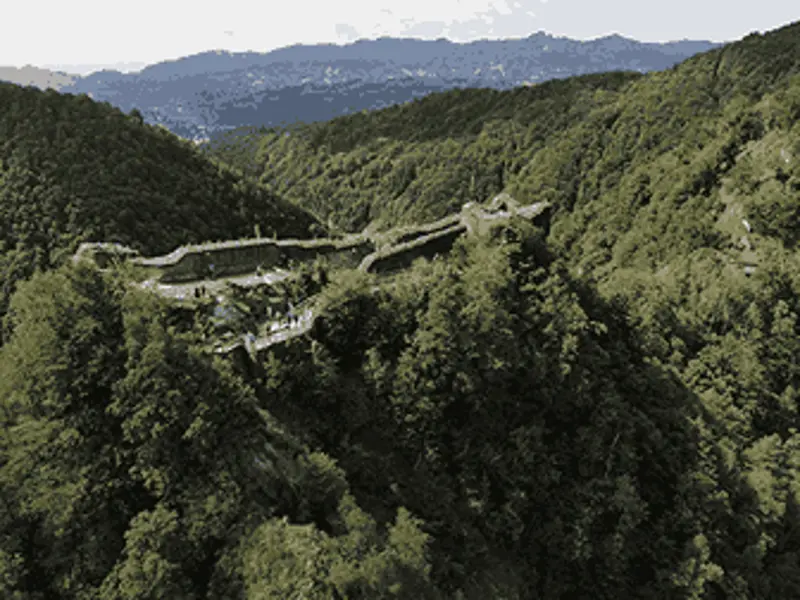
The mythology of Dracula has its roots in a complex symbolic universe, where fear, religion and ancient rituals intersected to give meaning to inexplicable phenomena. In the villages of Transylvania, the spirit world was perceived as an active reality, capable of influencing people's lives. Here, the figure of the vampire represented not only a nocturnal monster, but a moral warning, an explanation for illness or a sign that someone's soul had not found peace. The passage of time transformed this set of beliefs into a coherent mythology, from which a character like Dracula would inevitably be born - a bearer of collective fear and the fascinating ambivalence between life and death.
What supernatural forces inspired the myth?
- Legends of restless spirits that could not find rest
- Beliefs about creatures that fed on human energy
- Influences of pagan myths related to the cycles of nature
- Popular concepts of the wandering soul
- Collective fears generated by epidemics and misunderstood phenomena
What role did signs and symbols play in identifying an evil spirit?
- Unexplained changes in animal behavior
- Marks on objects, walls, or graves
- Damaged or disheveled clothing after burial
- Unusual movements of the flame in wake rituals
- The appearance of repetitive dreams considered warnings
What methods did people use to prevent a spirit from transforming?
- Purification rituals with fire and sacred plants
- Protecting the house with traditional ritual objects
- Sprinkling holy water on certain nights considered dangerous
- Watching over the dead to prevent their "raising"
- Consulting village elders, keepers of ancient traditions
What function did myth have in ancient communities?
- Explaining the unknown and protecting the community
- Reinforcing moral rules and values
- Transmitting traditions from generation to generation
- Increasing cohesion in times of crisis and uncertainty
- Providing a symbolic framework for understanding death
Why did Dracula become the most powerful symbol of these beliefs?
- Brings together archaic elements from Eastern European mythology
- Encompasses universal fears such as death and loss of control
- Can be reinterpreted in different cultural contexts
- It was amplified by literature and later by pop culture
- Symbolizes the eternal confrontation between light and darkness
Conclusion
The myth of Dracula, far from being just a dark story, represents a symbolic treasure trove that reflects the way our ancestors understood life, death and supernatural phenomena. Through the mixture of folklore, fear, morality and archaic rituals, a complex figure was shaped, loaded with deep meanings. Today, Dracula remains one of the most fascinating creations of the human imagination, a perfect example of how myths evolve and survive, adapting to the times without losing their mysterious essence.