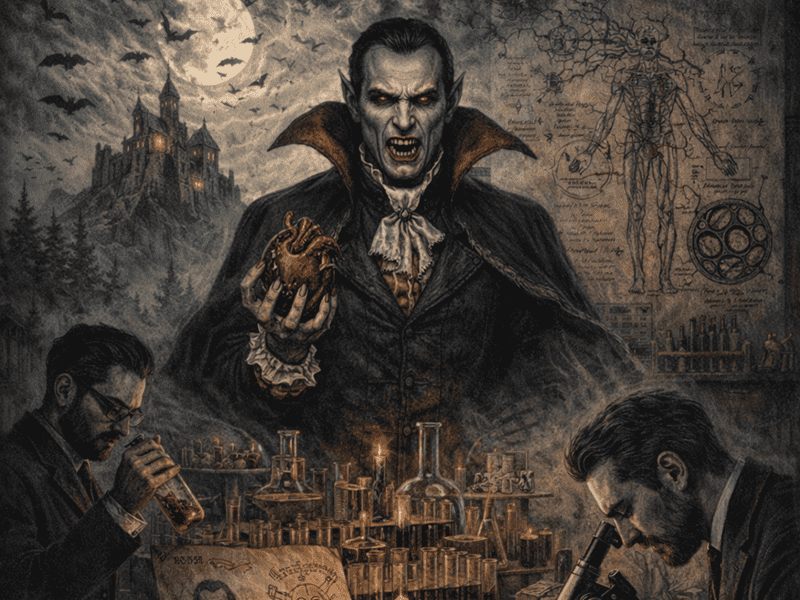
The scientific origin of the vampire myth
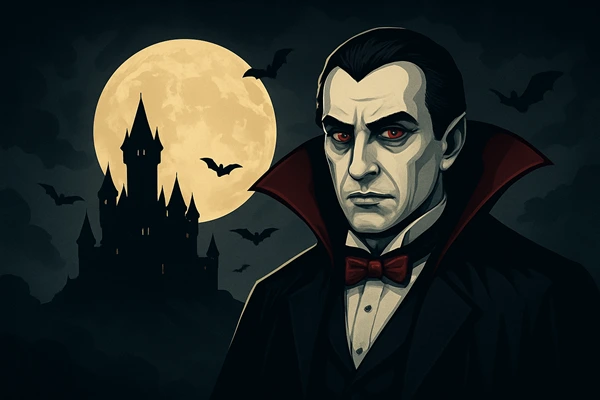
The vampire myth has deep roots in European folklore, but science offers logical explanations for many of the legends. Rare medical disorders, such as porphyria, or natural processes of decomposition, have fueled the belief that some people return from the dead to feed on blood.
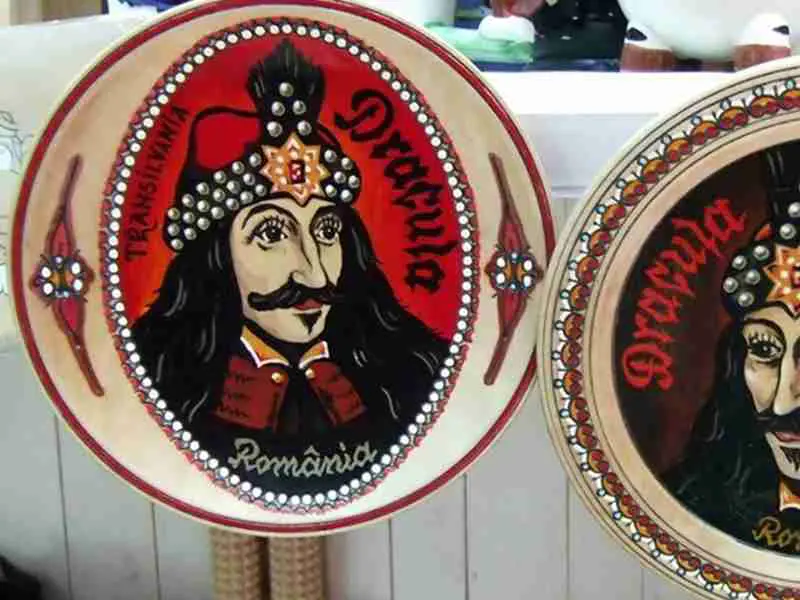
Vlad Țepeș and the historical factor
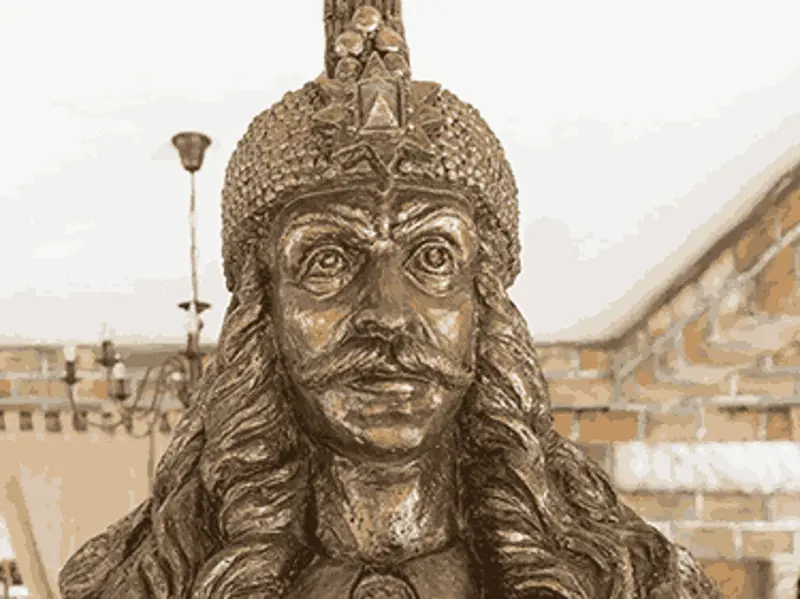
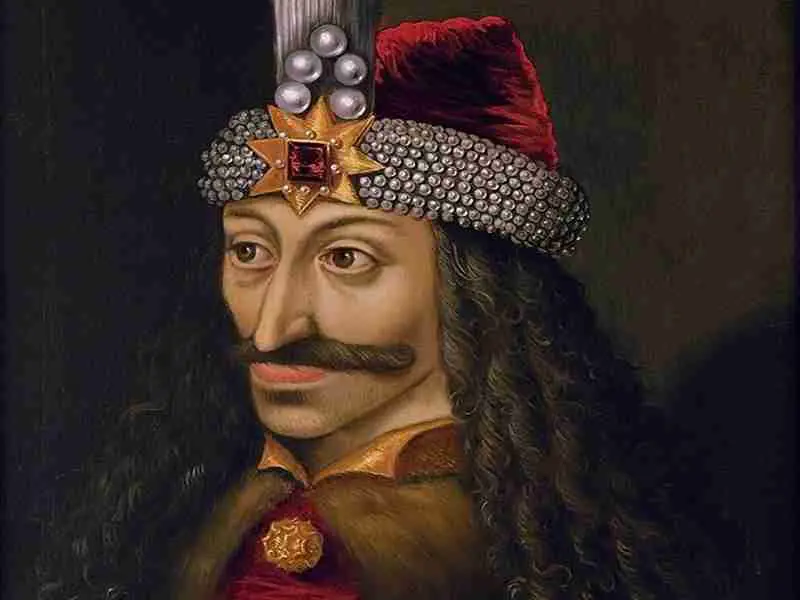
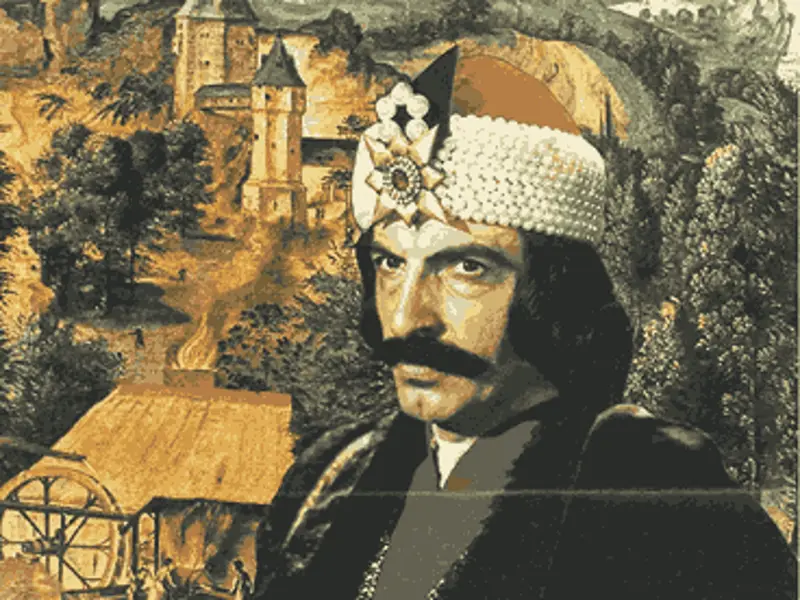
The historical figure of Vlad Țepeș was essential to the formation of the Dracula myth. The 15th-century crusader inspired vampire stories due to his cruelty and impalement method of punishment, but also by promoting fear as a tool of power.
- Extreme methods of punishment and the symbolism of violence
- Popular perception of the ruler as a supernatural being
- Historical influence on vampire culture and literature
Phenomenology and natural interpretations
Certain natural phenomena, such as the decomposition of corpses or the transmission of disease, have been misinterpreted as vampiric activities. Modern research in biology and chemistry is helping to debunk these myths and provide a rational understanding of the "miracles" and terrors attributed to vampires.
- Decomposition creating the appearance of fresh blood
- The transmission of rare diseases associated with abnormal behaviors
- The influence of environment and funeral customs on legends
Psychological and cultural impact
The vampire myth persists because of our collective fascination with life, death, and immortality. Scientific explanations do not diminish the cultural appeal, but rather provide insight into the psychological and historical reasons that gave rise to the legends.
Conclusion
The science behind the myth ofDracula shows us how historical facts, natural phenomena, and biological disorders have been transformed into fascinating vampire stories. Understanding these aspects enriches the cultural experience and provides clarity on the origin and persistence of the legend.