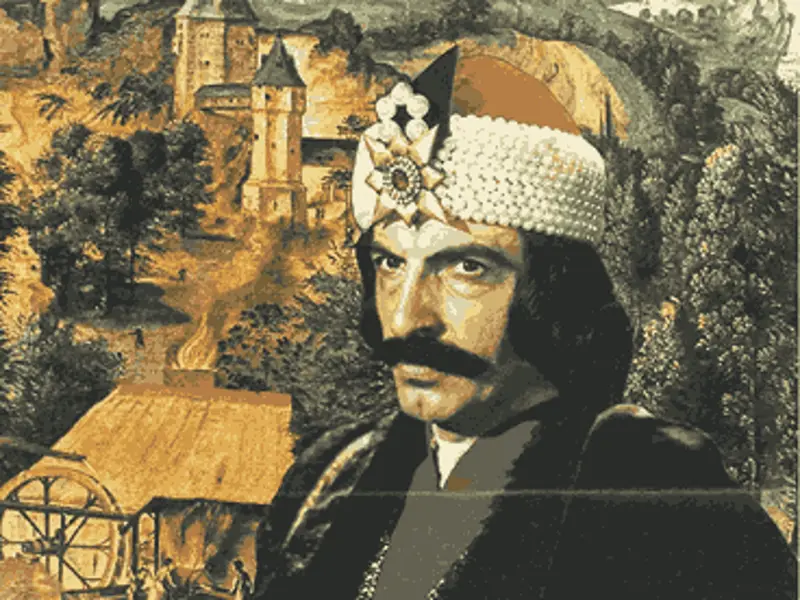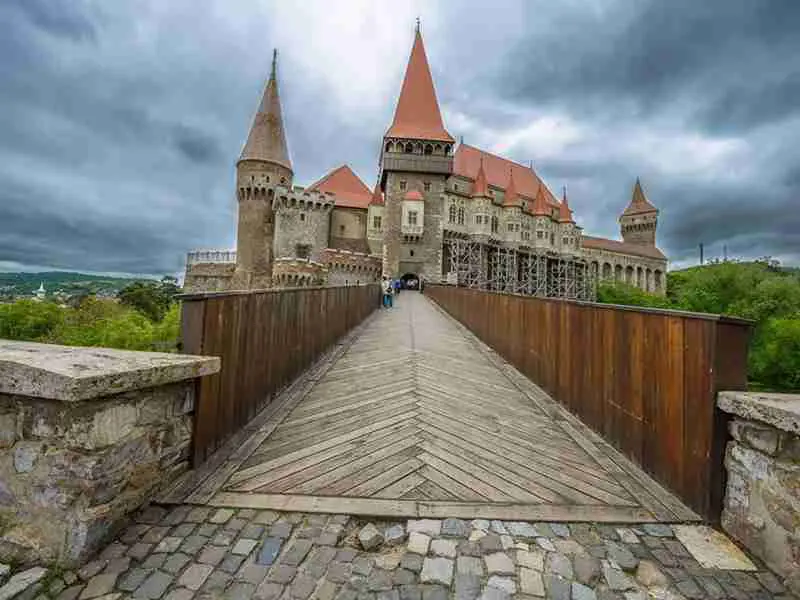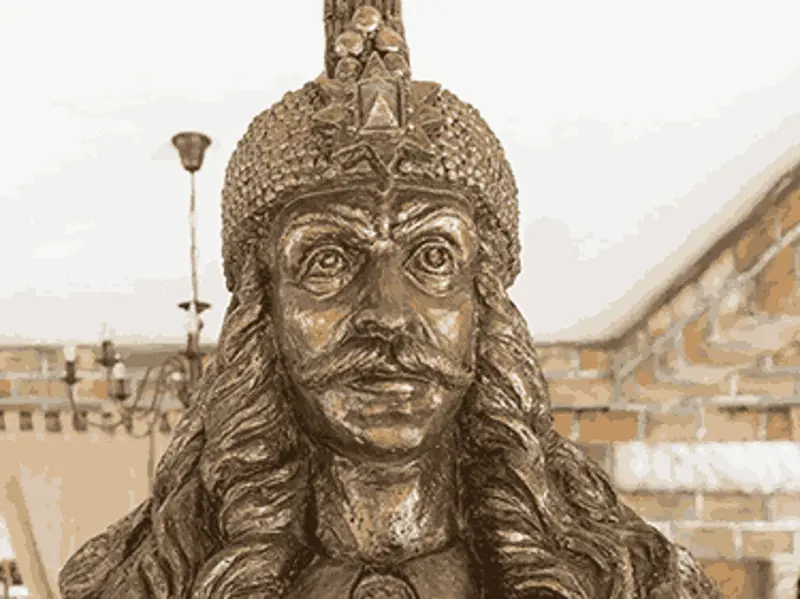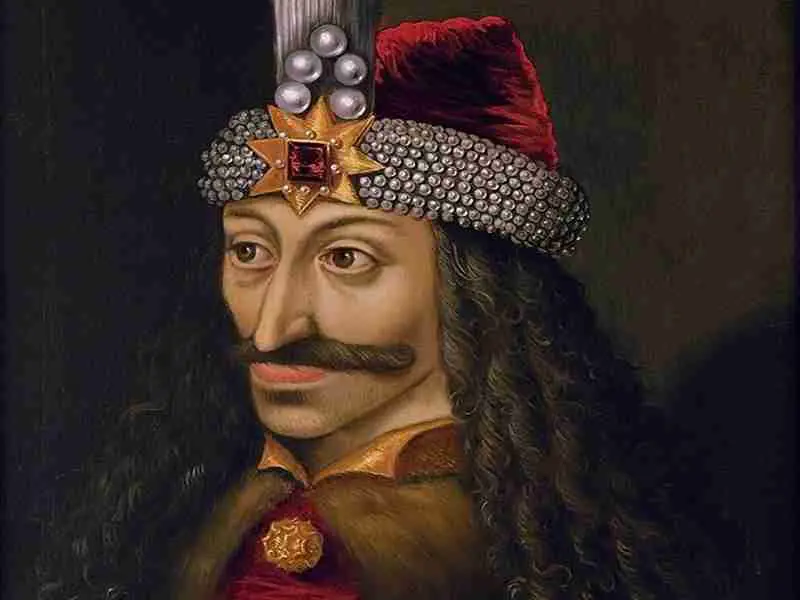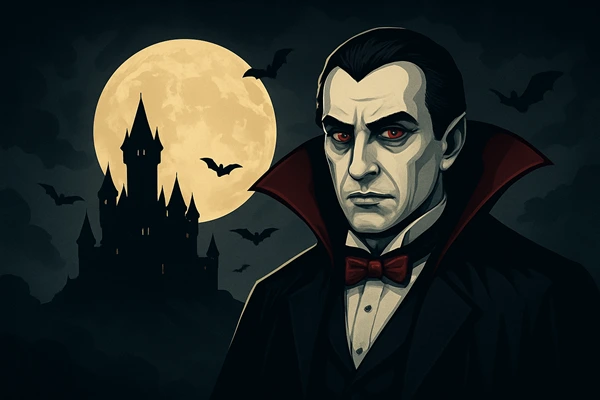
Vlad Țepeș's childhood and adolescence are crucial stages in the formation of his personality and in the subsequent evolution of the Dracula legend. Born into the Dracula family, Vlad grew up in a period when Wallachia was caught between rival powers and alliances were changing rapidly. Much of his youth was marked by being sent as a hostage to the Ottoman court, along with his brother Radu. This harsh experience profoundly influenced his character, way of thinking and perception of power. At the same time, he accumulated military, cultural and diplomatic knowledge that would define his leadership style. From this mixture of trauma, military education and political spirit, the complex figure that would later inspire the Dracula myth was born.
In what environment did Vlad Țepeș grow up?
- He grew up in a princely family at the center of political conflicts
- He witnessed the rivalries between the boyars and the country's lords
- He lived in a period of constant pressure from the Ottomans
- He learned the art of fighting and military strategies from a young age
- He was educated in the spirit of loyalty to country and family
What impact did the time spent as a hostage with the Ottomans have?
- He learned the Ottoman language, culture, and military tactics
- He observed the administrative system and discipline of the army
- He went through harsh experiences that strengthened his character
- The strained relationship with his brother Radu intensified
- He gained a strong motivation to return and fight for the throne
Why was Vlad sent as a hostage?
- To guarantee the loyalty of his father, Vlad Dracul
- To prevent revolts against the Ottoman Empire
- To consolidate a fragile political alliance
- To control Wallachian influence in the area
- To limit the Drăculești family's room for maneuver
How did this experience influence the future of the ruler?
- It shaped his disciplined and inflexible leadership style
- It developed his ability to anticipate his opponent's moves
- It strengthened his desire for independence from the Ottomans
- It nurtured his distrust of traitors and conspirators
- It contributed to the harsh image he has left in history
What role did his childhood play in the genesis of the Dracula myth?
- Traumatic experiences inspired tales of cruelty
- Ottoman culture was reinterpreted in legends as dark exoticism
- Conflicts with nobles generated exaggerated accounts
- The origin of the name Dracula added mystical overtones
- The duality between victim and avenger fueled the literary imagination
Conclusion
Vlad Țepeș's childhood and adolescence are not mere biographical chapters, but the foundations that gave birth to one of the world's most fascinating characters. Living between two worlds – his native Wallachia and the Ottoman Empire –, the future ruler accumulated experiences that shaped his character, political strategies and reputation. In these historical roots lies the true essence of the Dracula myth, where reality subtly intertwines with legend.