The “vampire disease,” known in modern medicine as porphyria, is a rare and extremely complex condition whose symptoms—photosensitivity, dark urine, and changes in skin and teeth—have been the basis for numerous vampire legends. This article examines in detail the connection between myth and science, presenting the latest research in the field of rare diseases.
What is Vampire Disease?
The term "vampire disease" is primarily associated with porphyria, a family of rare diseases known as "blood diseases." Porphyrias are caused by enzymatic defects in the synthesis of heme—the essential component of hemoglobin. These defects lead to the accumulation of porphyrins, molecules that react intensely to light.
The accumulated porphyrins can cause extreme reactions in contact with sunlight, generating burns, blisters and severe tissue damage, which is why affected people avoid light – a remarkable resemblance to the image of the vampire in folklore.
- Genetic etiology: most forms are inherited in an autosomal dominant or recessive manner.
- Severe photosensitivity: the main symptom that inspired vampire mythology.
- Accumulation of porphyrins: leads to reddish staining of urine and teeth.
- Extreme rarity: porphyrias are considered rare diseases, with a low incidence.
The Main Forms of Porphyria Associated with "Vampirism"
Although there are several types of porphyria, only a few are directly associated with symptoms that, in the past, would have been interpreted as "supernatural".
1.Congenital Erythropoietic Porphyria (CEP) – “Gunther’s Disease”
- Caused by mutations in the UROS gene.
- Severe symptoms: burning, blistering, lesions, erosion of the nose and ears.
- Erythrodontia: red-tinged teeth that glow under UV light.
- Urine may turn red or dark brown.
2. Erythropoietic Protoporphyria (EPP)
- One of the most common forms of porphyria related to photosensitivity.
- Intense pain upon exposure to sunlight, often without visible lesions.
- Increased risk of liver damage.
- Caused by mutations in the FECH or ALAS2 genes.
3. X-Linked Protoporphyria (XLP)
- X-linked recessive inheritance.
- Similar symptoms to EPP, but with variable severity.
4. Porphyria Cutanea Tarda (PCT)
- The most common form of porphyria in adults.
- Fragile skin, blisters, moderate photosensitivity.
- Can be triggered by alcohol, infections, heavy metals, hepatitis C.
Contemporary Research in the Field of Rare Diseases Associated with "Vampire Disease"
Progress in rare disease research has accelerated over the past two decades, thanks to modern genetic sequencing, cell therapies, and innovative clinical trials.
1. Genetic Sequencing and Molecular Diagnostics
- Identification of mutations in genes such as UROS, FECH, ALAS2.
- Modern diagnostics are based on DNA testing, not just on the analysis of porphyrins in blood and urine.
- Genetic panels dedicated exclusively to porphyrias are being developed.
2. Gene Therapy – a promising experimental direction
For forms such as CEP, experimental gene therapy has yielded results in laboratory models:
- Correction of UROS mutations in induced pluripotent stem cells (iPSCs).
- Reprogramming cells to produce normal heme.
- Safety testing of stable gene insertion.
3. Cell Therapy and CRISPR
International laboratories are testing the use of CRISPR technology to correct mutations. Although still experimental, this technology could provide a definitive treatment in the future.
4. Clinical Studies on Photosensitivity
- Development of skin protection molecules more effective than UV creams.
- α-MSH analogs used to increase skin pigmentation (melanin).
- EPP studies on liver function and protoporphyrin accumulation.
5. Challenges in Rare Disease Research
- Small number of patients → limited studies.
- High costs for advanced therapies.
- Variable symptoms → difficult diagnosis.
- Lack of rare disease specialists in many countries.
The Connection Between Porphyry and the Vampire Myth
Although it is a purely biological disease, porphyria has strongly influenced the popular imagination. In the past, the lack of scientific explanation led to the symptomatology being interpreted as a supernatural phenomenon.
- Avoidance of light – interpreted as fear of the sun.
- Reddish urine – associated with "blood consumption."
- Red teeth under UV light – linked to vampire folklore.
- Facial lesions – explained as monstrous transformations.
Today we know that all of this has clear medical explanations, but the cultural connection between disease and vampires remains a fascinating subject.
Future Perspectives
With rapid advances in genetics and personalized medicine, there is real hope for much more effective treatments – even cures – for porphyrias and other rare diseases. The combination of CRISPR techniques, cell therapies and high-precision genomic analysis offers a new era in the management of these diseases.
- Possibility of permanent correction of genetic mutations.
- Personalized treatment based on the patient's genetic profile.
- Expanded neonatal screening for early detection.
- Collaborative international research to accelerate progress.
Conclusion
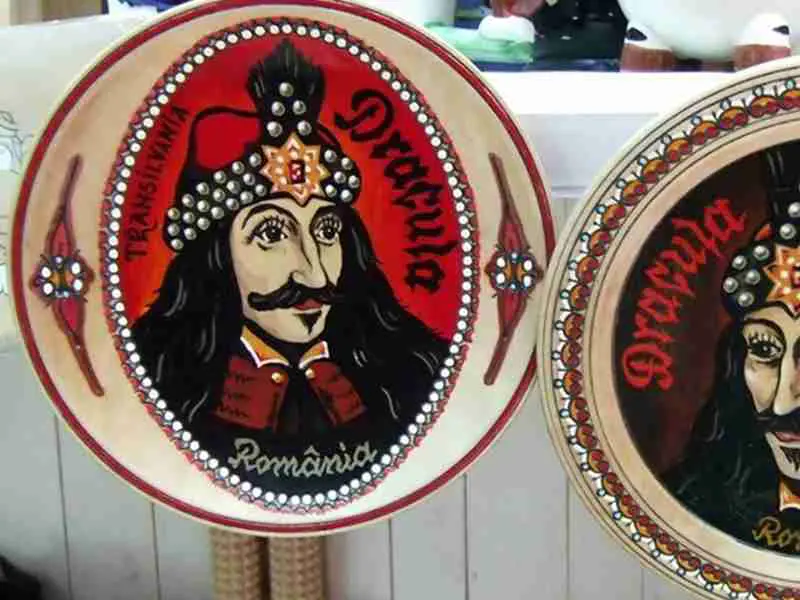
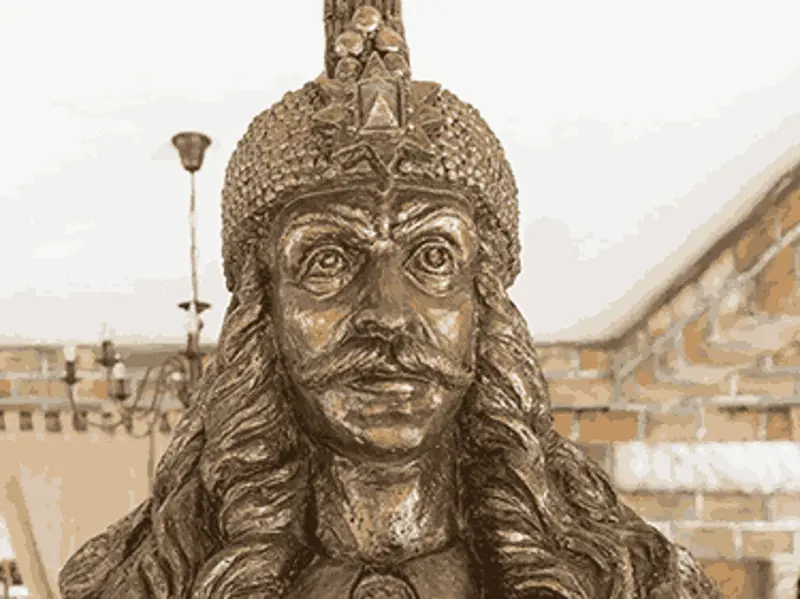
The vampire disease – porphyria – is one of the most intriguing rare diseases, due to the combination of its clinical manifestations and enormous cultural impact. While the myth of the vampire, Dracula has fascinated generations, modern research is revealing the biological truths behind these symptoms. Although many forms remain difficult to treat, advances in genetics and cell therapies offer real hope for patients.