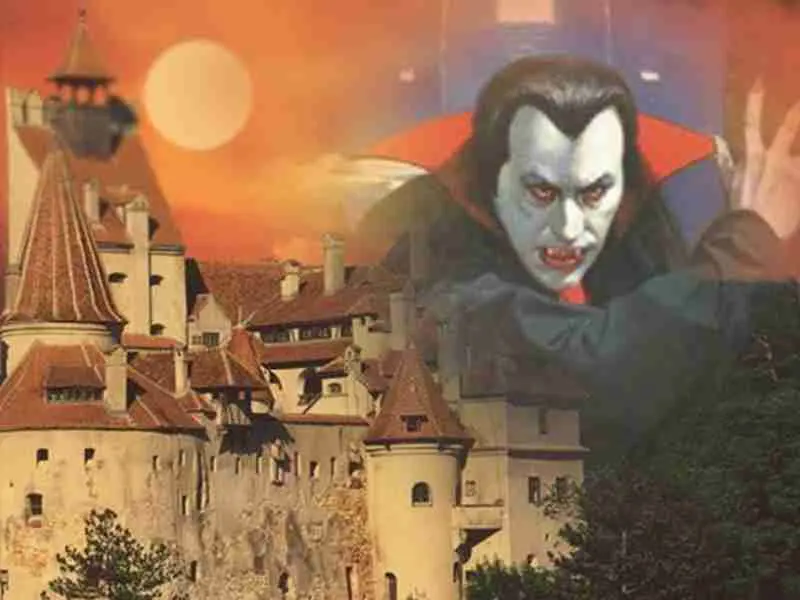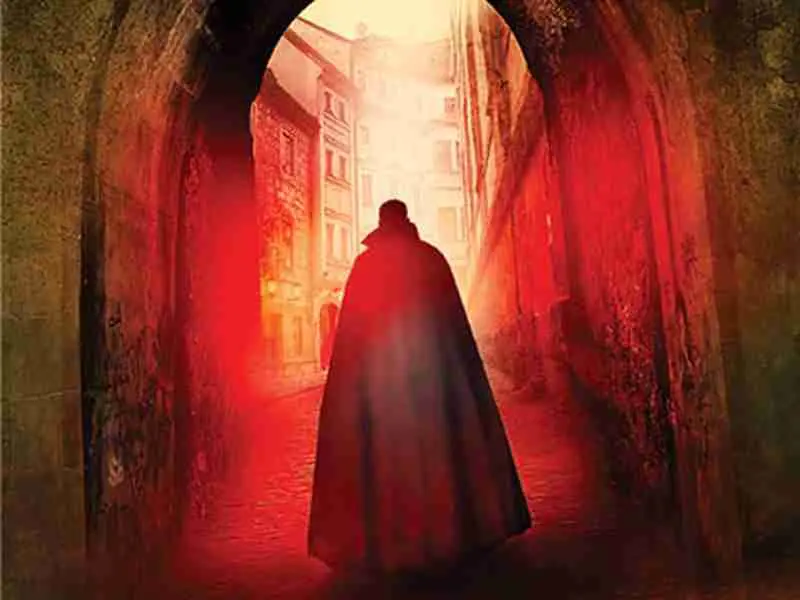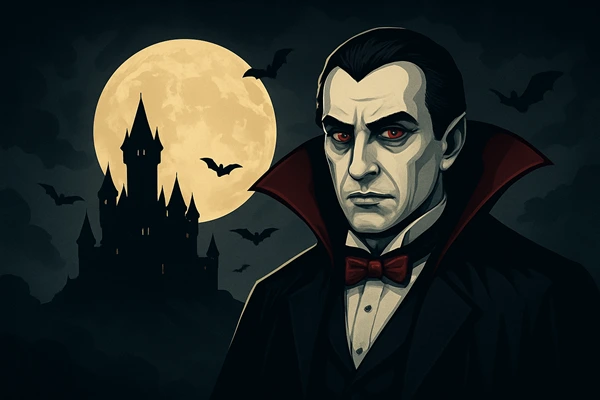
The vampire myth has fascinated humanity for centuries, combining folk beliefs, legends, and Gothic literature. Its origins can be found in Romanian folklore, where vampires were considered restless souls of the dead who returned to seek revenge or atone for their sins. The legend evolved, influencing European culture and, later, modern cinema, solidifying the image of Dracula in the collective imagination.
Who are vampires in Romanian tradition?
- Souls of those who died prematurely or violently
- Figures associated with revenge and spiritual impurity
- Entities that inspired fear and respect in communities
What characteristics define the vampire myth?
- Blood consumption for survival
- Supernatural powers, such as animal transformation or invisibility
- Medieval communities' fear of the vengeance of the dead
How did the legend spread?
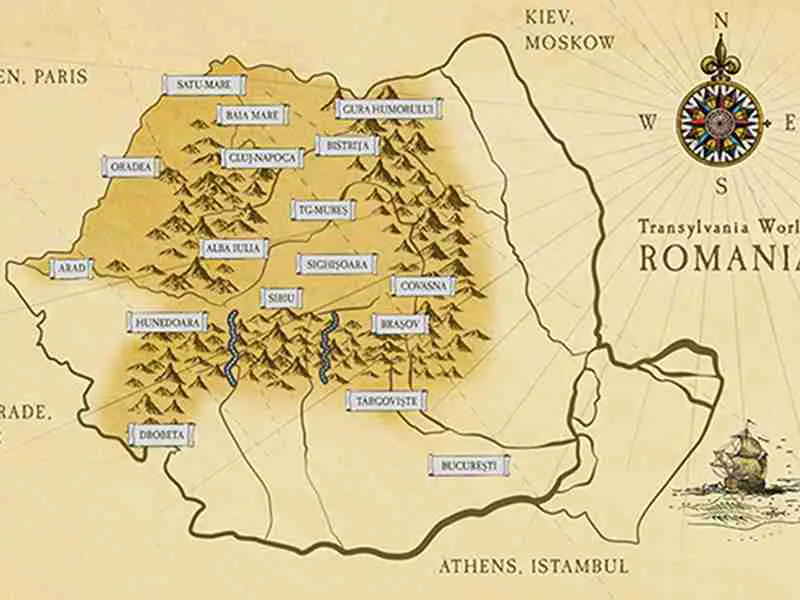
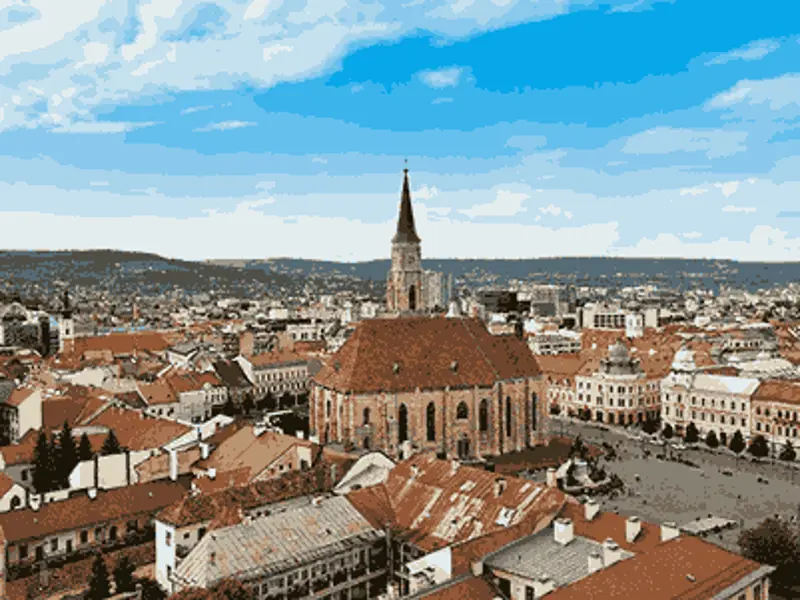
- Transylvania and Wallachia – the Folklore Core
- Central and Eastern Europe through Stories and Manuscripts
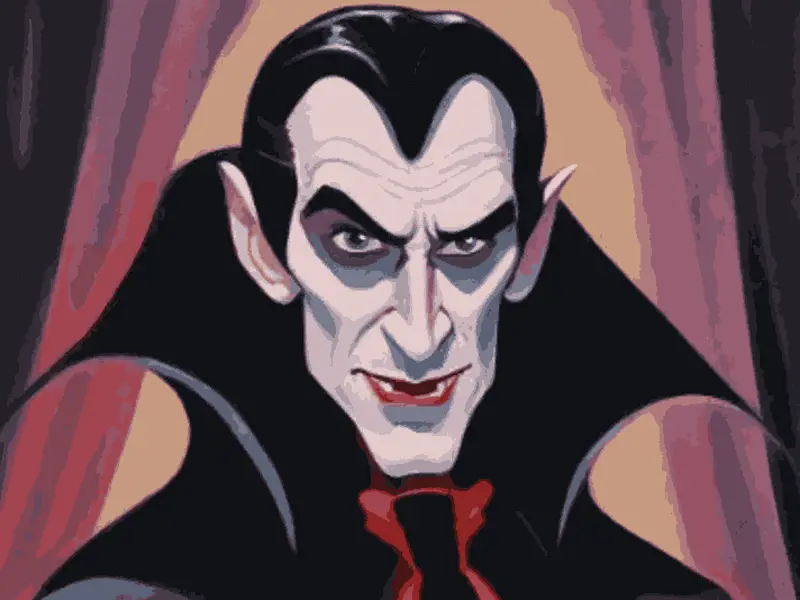
- Gothic Literature and Modern Films
Why did the vampire myth become popular?
- Fear of death and the unknown
- The intrigue and mystery of oral stories
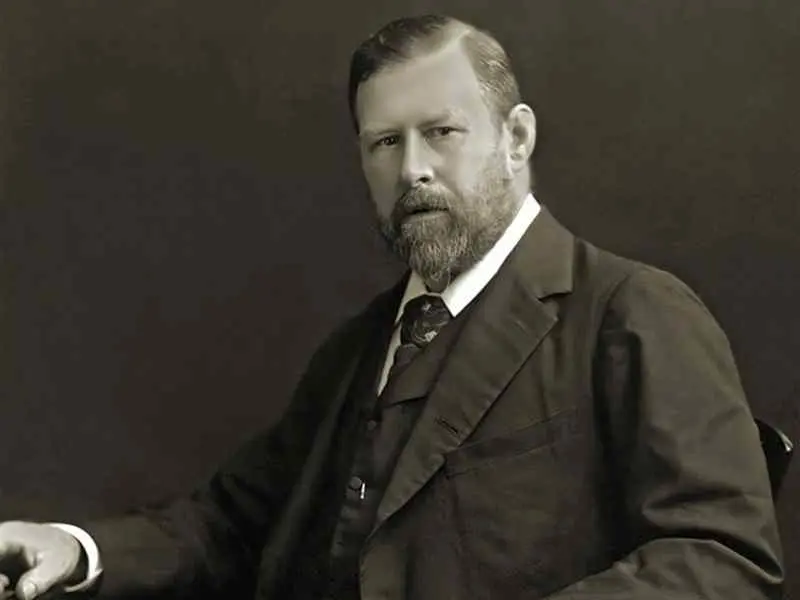
- The influence of literature, such as Bram Stoker's novel "Dracula"
Where can we find the influence of vampires today?
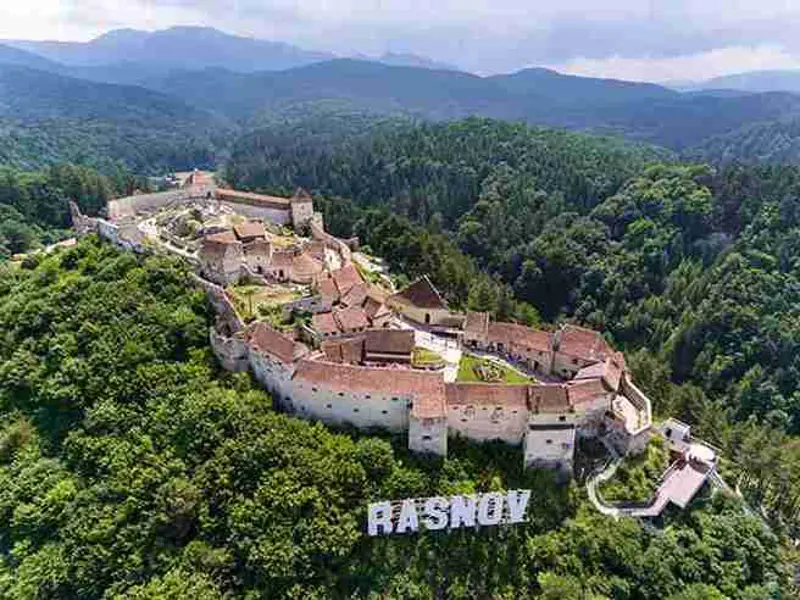
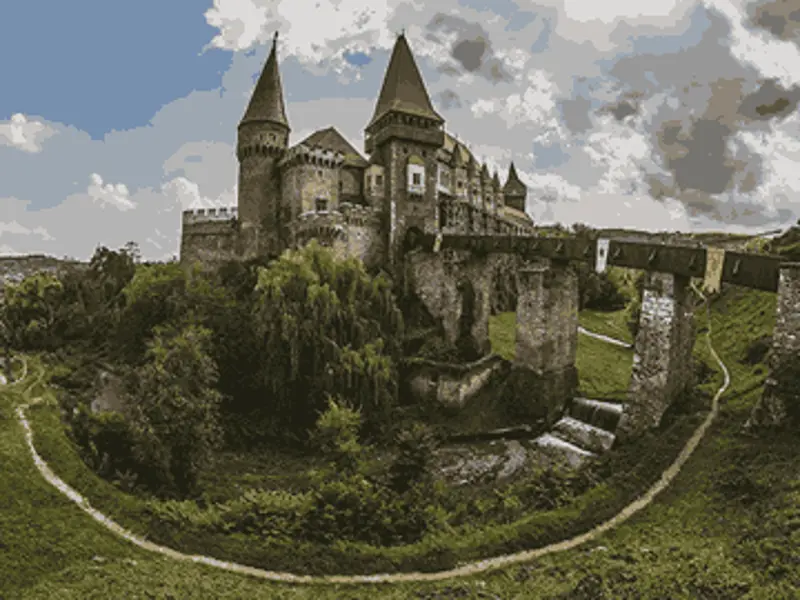
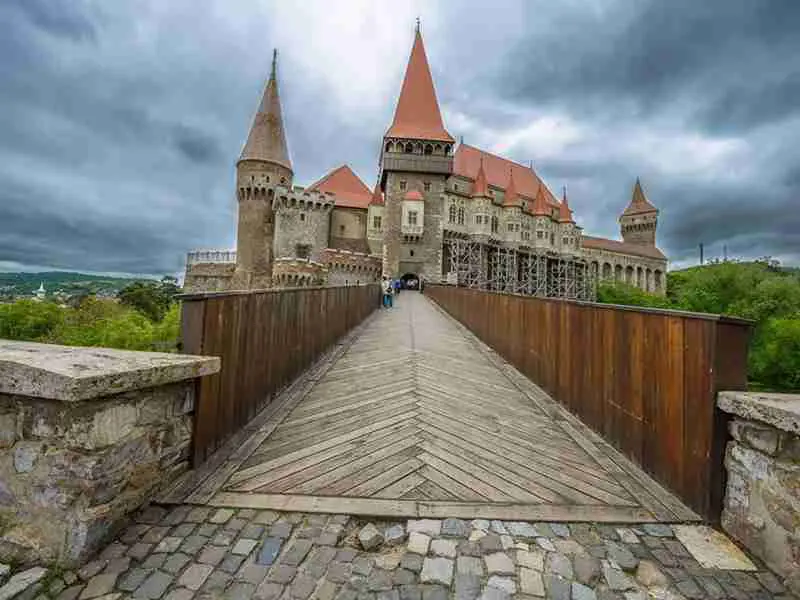
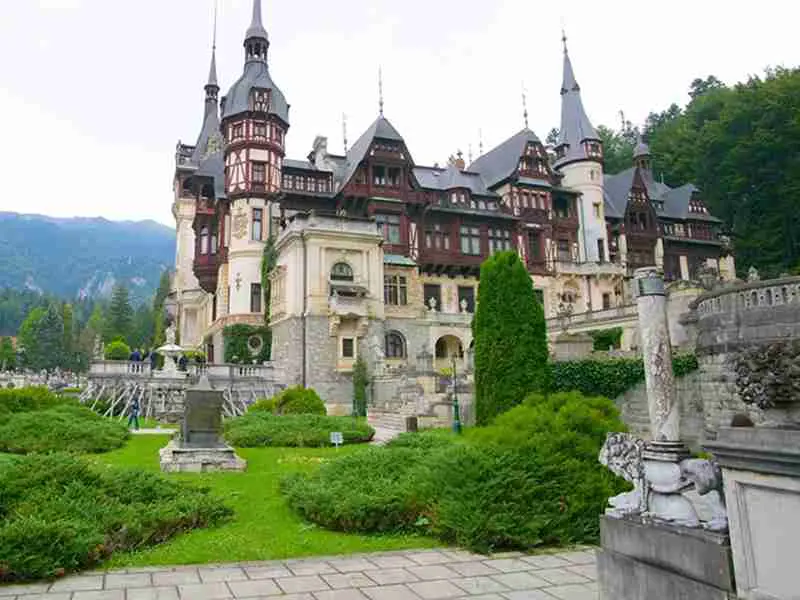
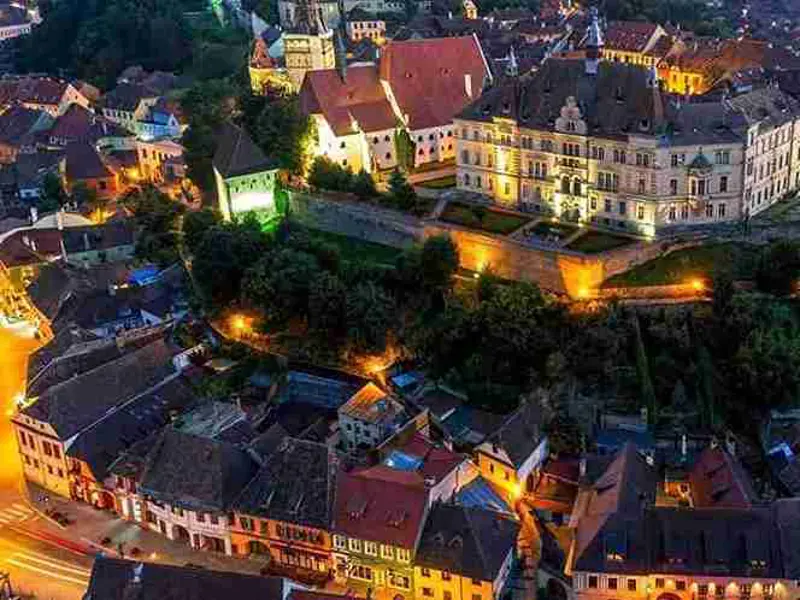
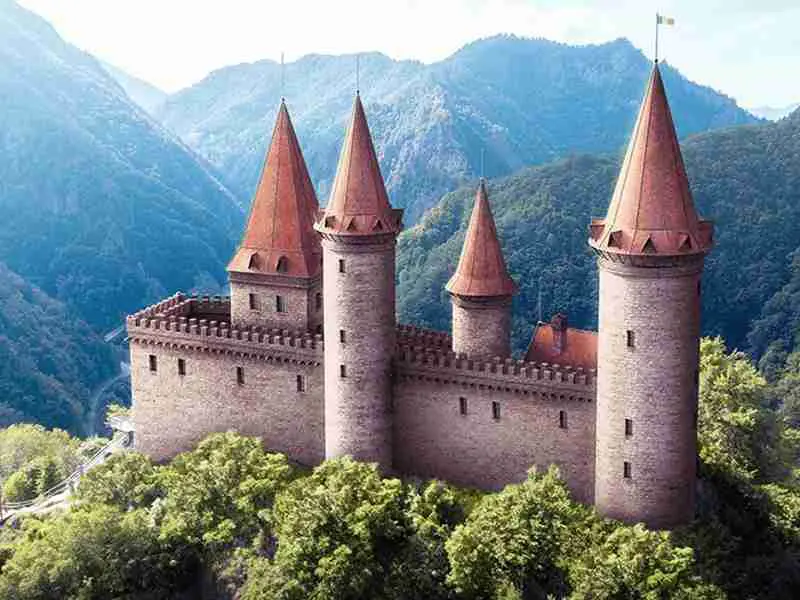
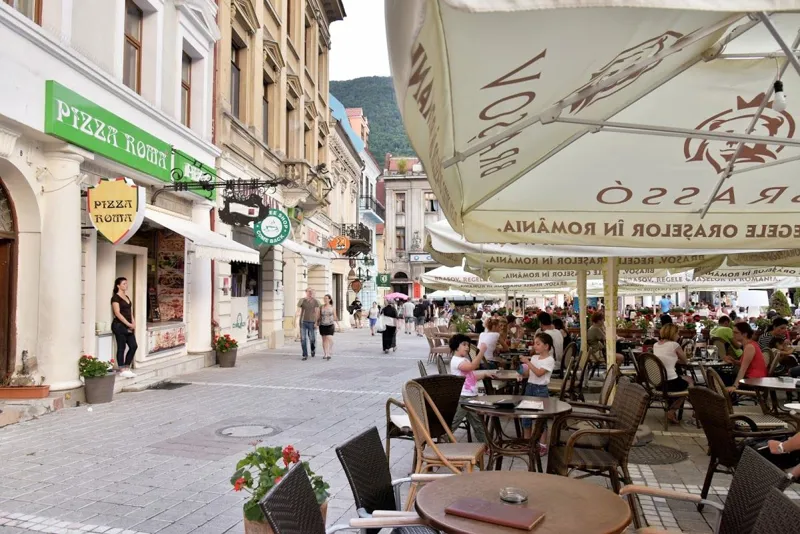
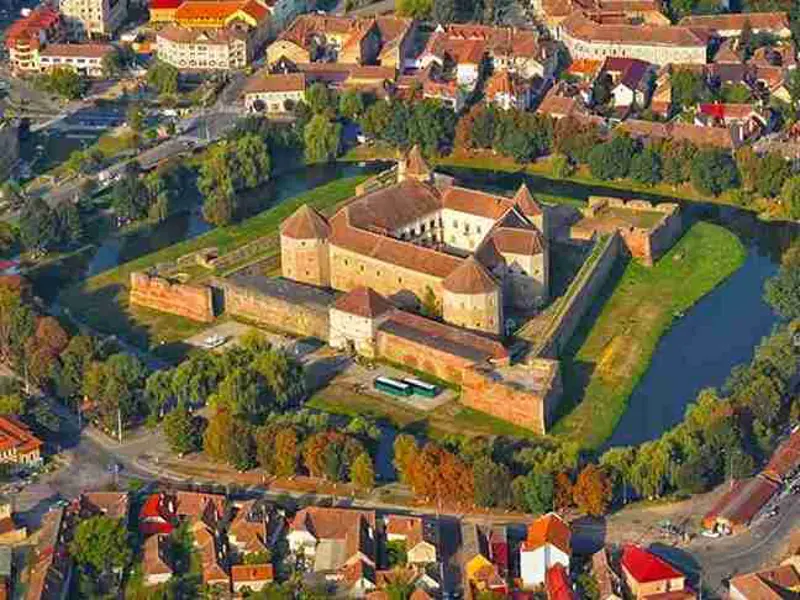
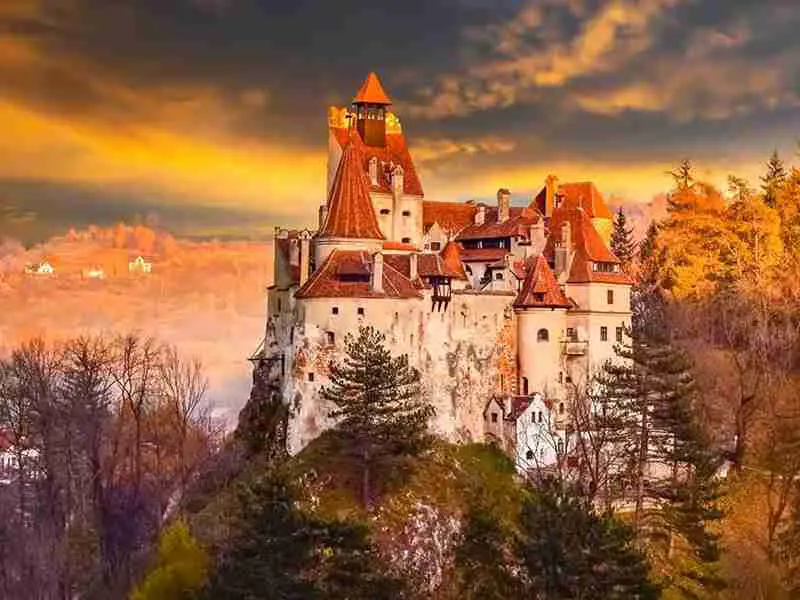
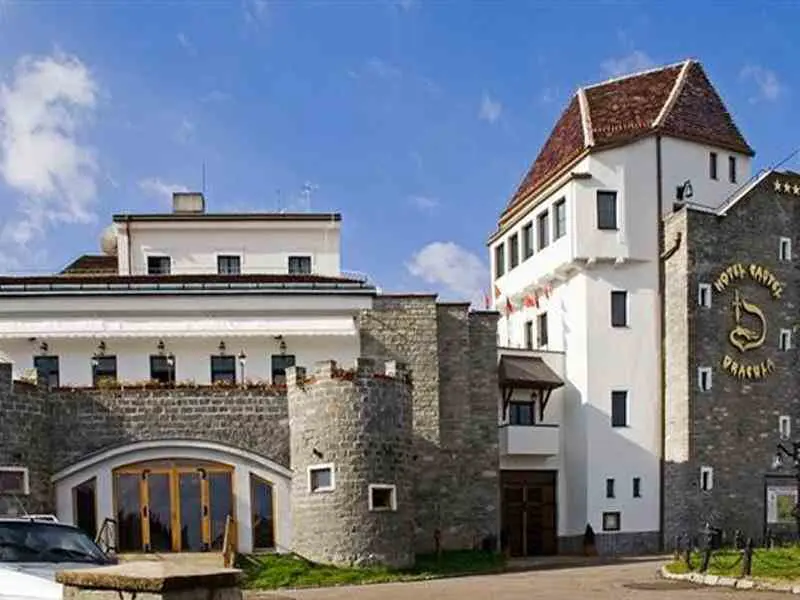
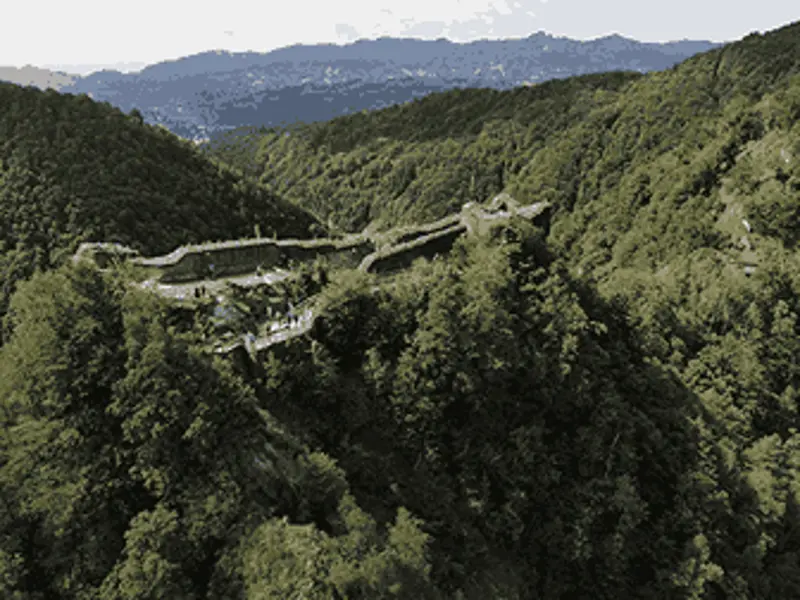
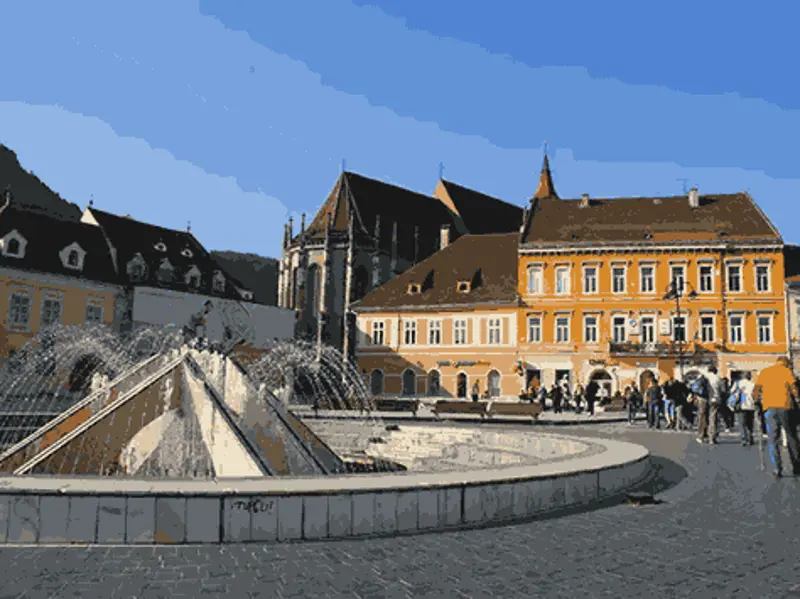
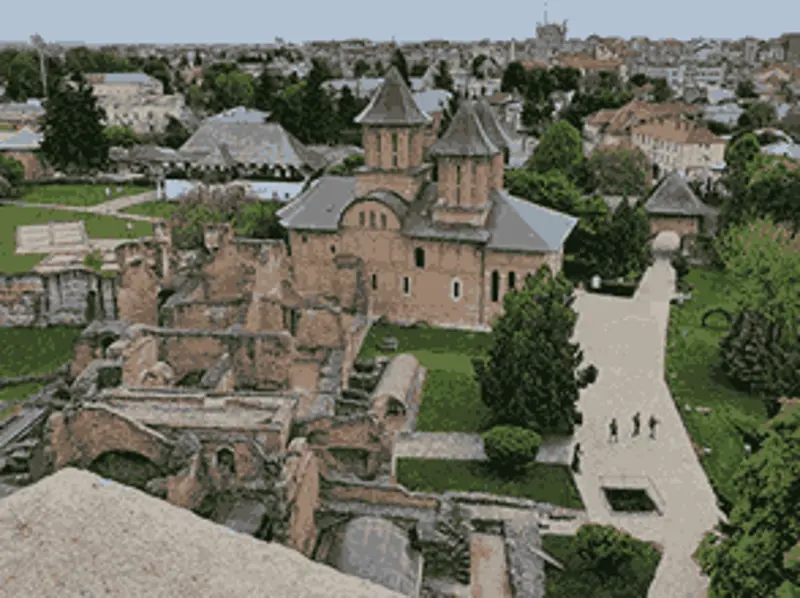
- Thematic tourism in Transylvania and historical fortresses
- Movies, series and modern literature
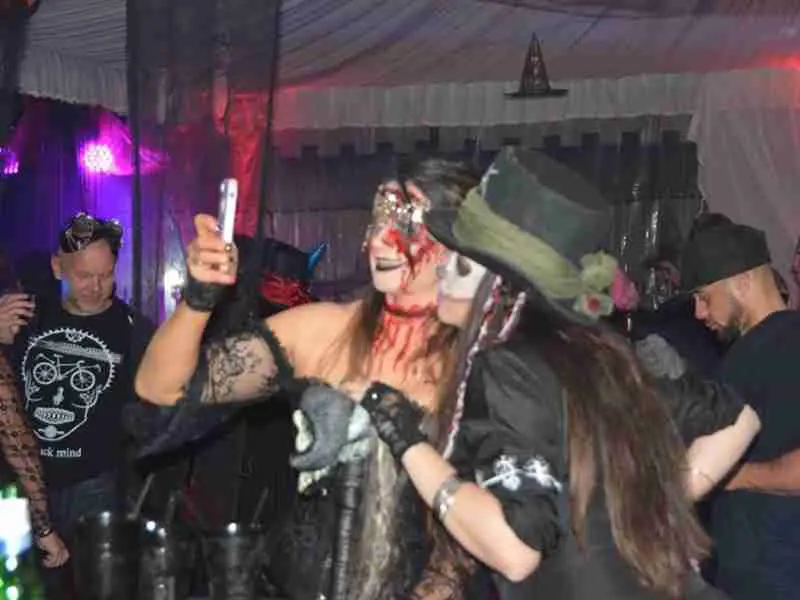
- Cultural events and festivals dedicated to vampires
Conclusion
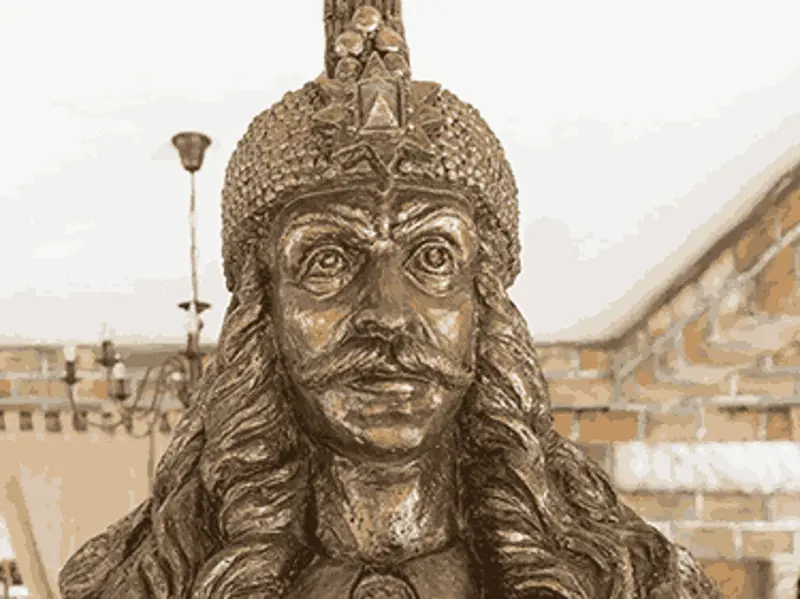
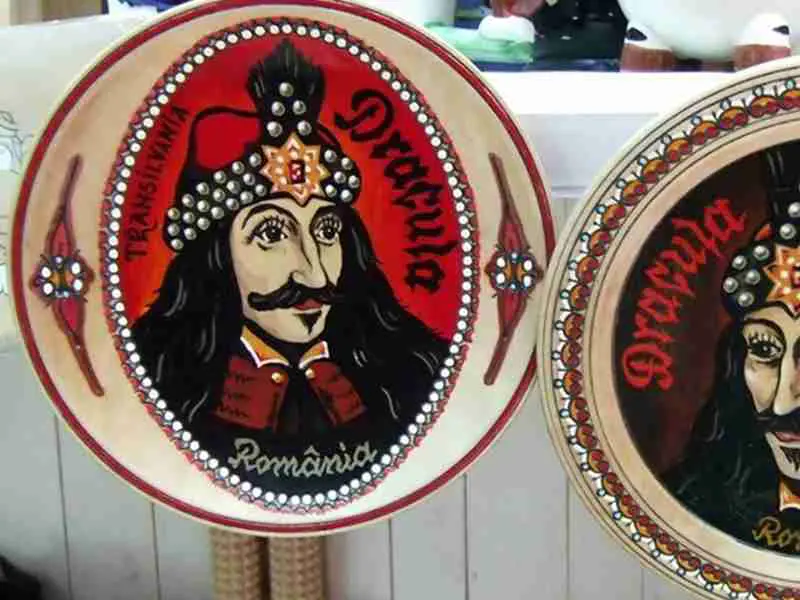
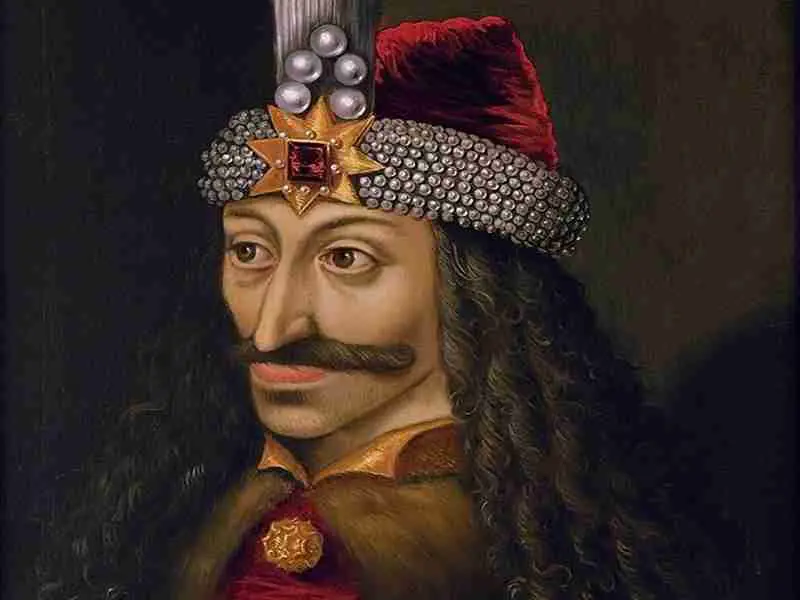
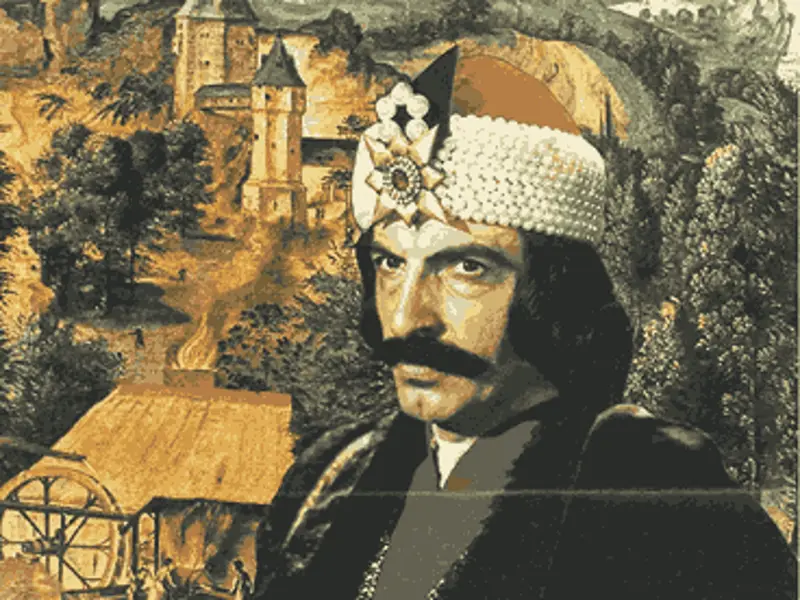
The vampire myth continues to capture people's imagination, combining medieval legends, local traditions and literary creations. The figure of Dracula, inspired by Vlad Țepeș, transformed the myth into a global symbol, providing a link between Romanian history and international pop culture.