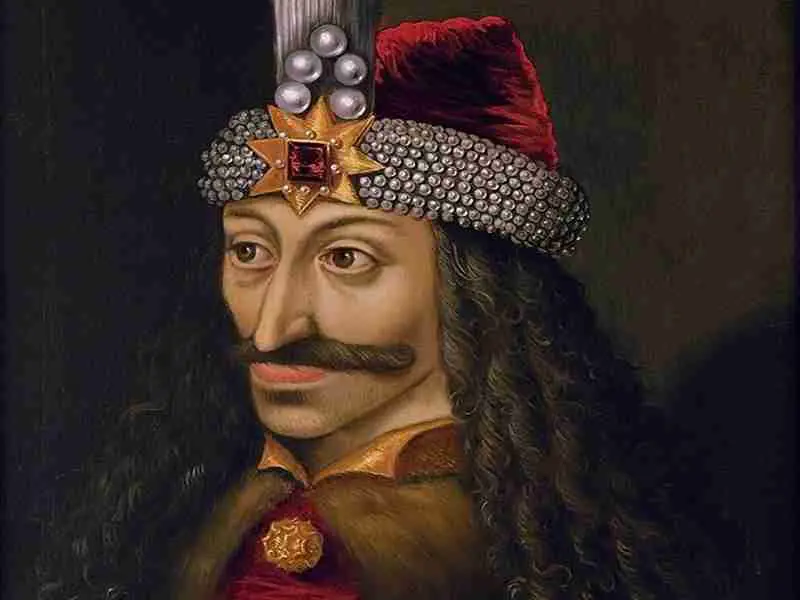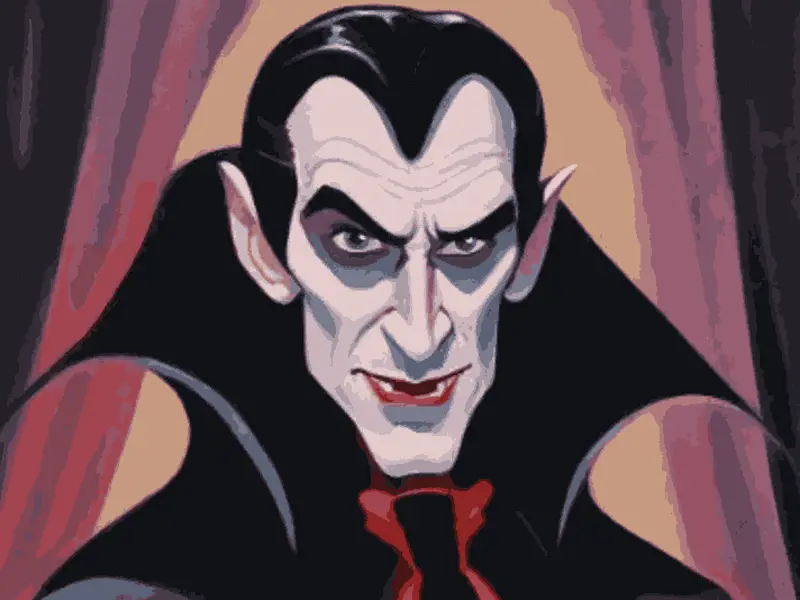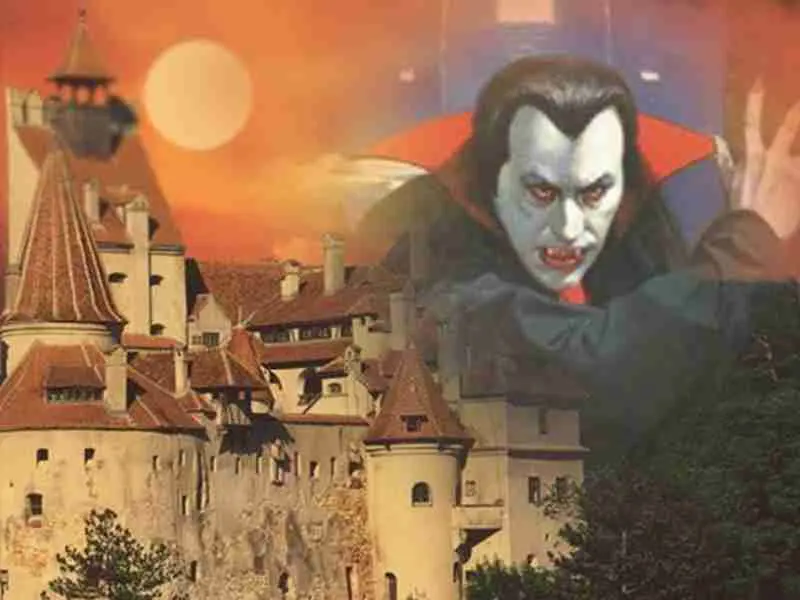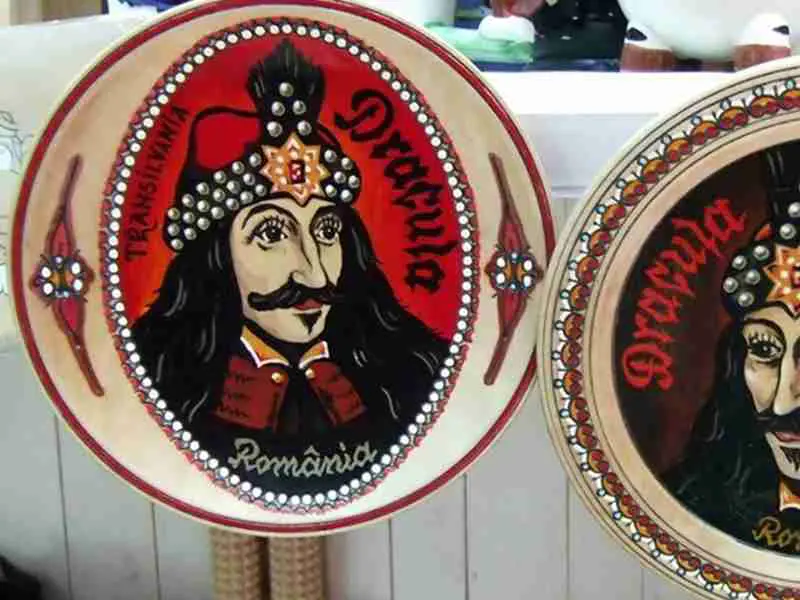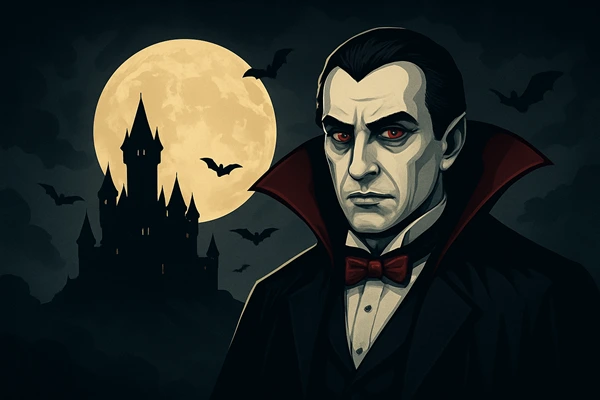
The vampire myth has its roots in Romanian folklore, where the dead would return to seek revenge or atone for their sins. Medieval communities believed that restless spirits, diseases, and unusual behavior of the dead could cause misfortune. Thus, practices emerged to protect the community against vampires, from rituals and incantations to practical methods of prevention.
Who were considered vampires?
- Premature or violent deaths
- People with evil reputations or moral uncleanness
- Restless souls who could return for revenge
What beliefs existed about vampires?
- They fed their powers from blood
- They could transform into animals or invisible smoke
- Warnings and rituals for community protection
How was the legend transmitted?
- Oral stories between villages and families
- Medieval manuscripts and chronicles
- Influence on European Gothic literature
Why did Romanian folklore contribute to the myth?
- Fear of death and the unknown
- Trying to explain inexplicable phenomena
- Creating social and moral rules through stories
Where can we find influence today?
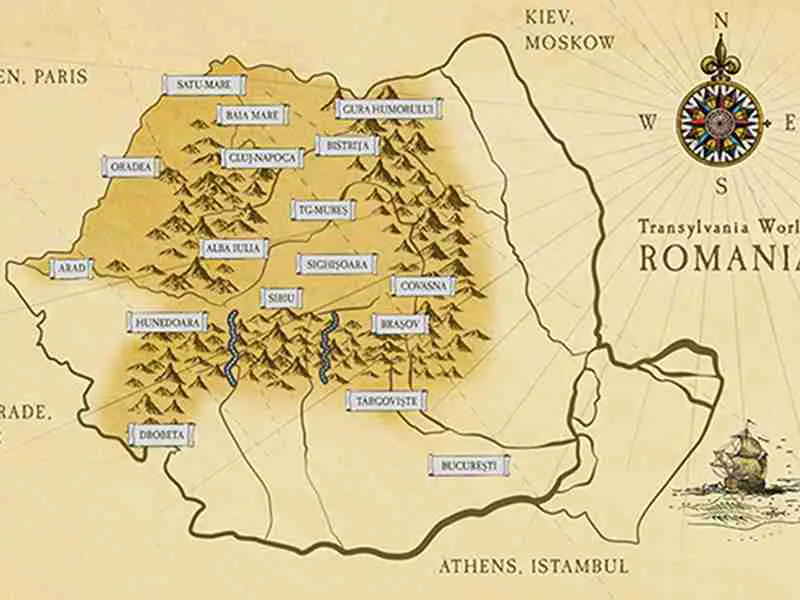
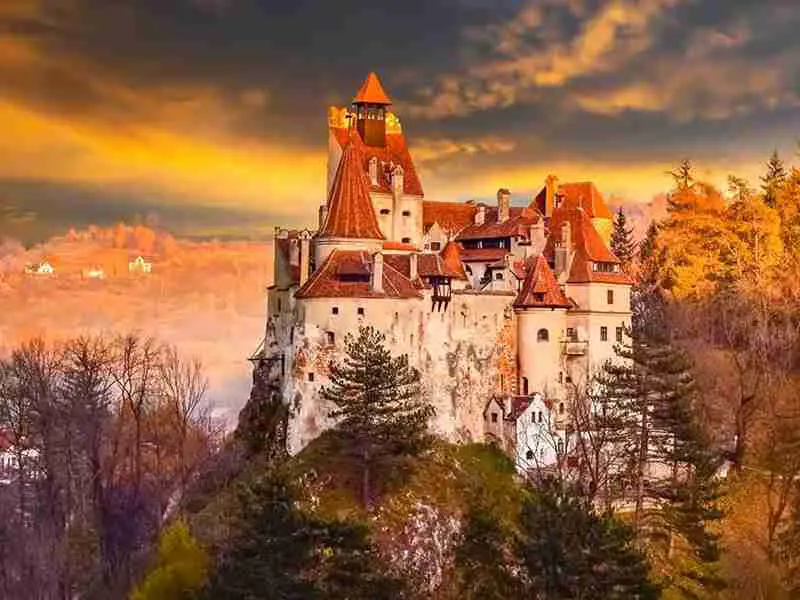
- Thematic tourism in Transylvania
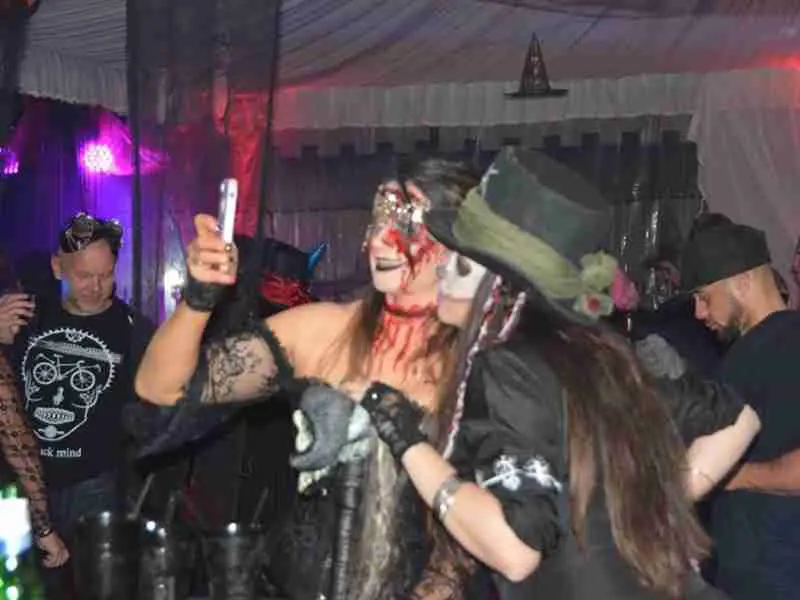
- Festivals and exhibitions dedicated to myths
- Modern literature and cinema
Conclusion
Romanian folklore played a key role in shaping the image of the vampire. These traditions created the basis for modern legends, transforming the vampire myth into an important part of Transylvanian culture and tourism.