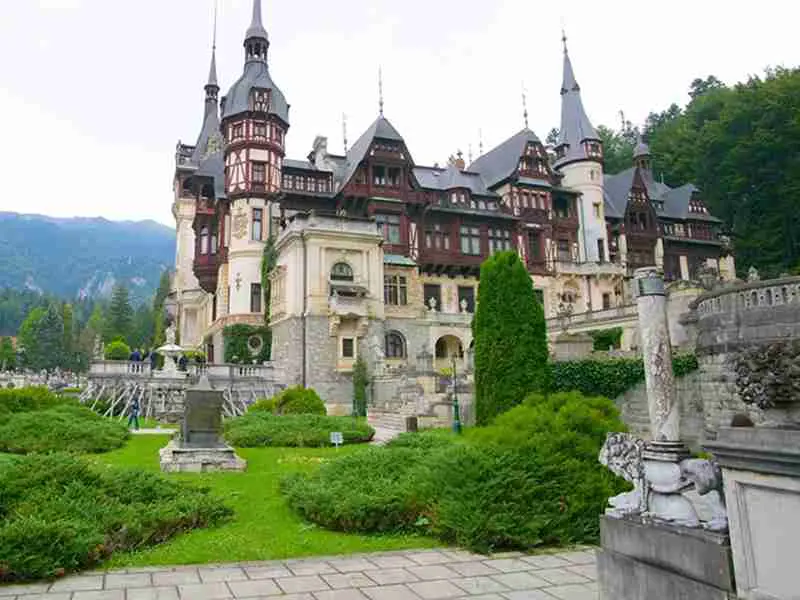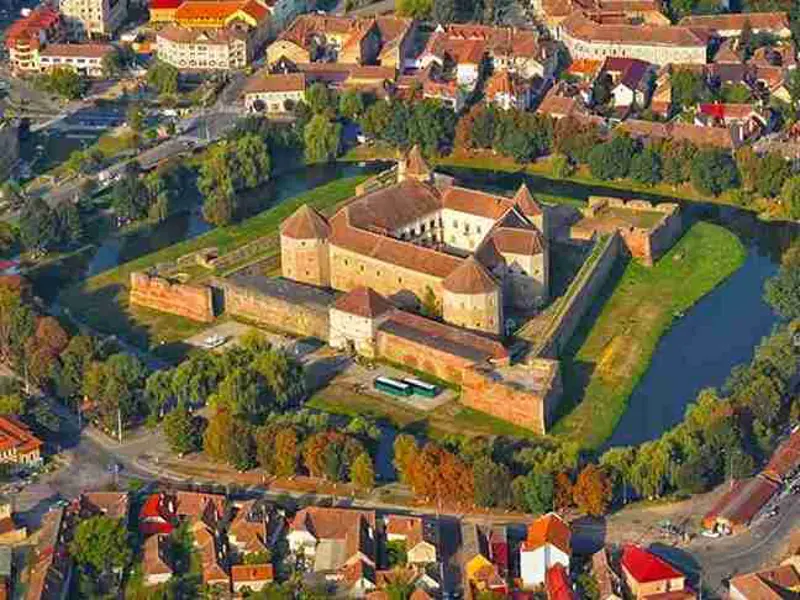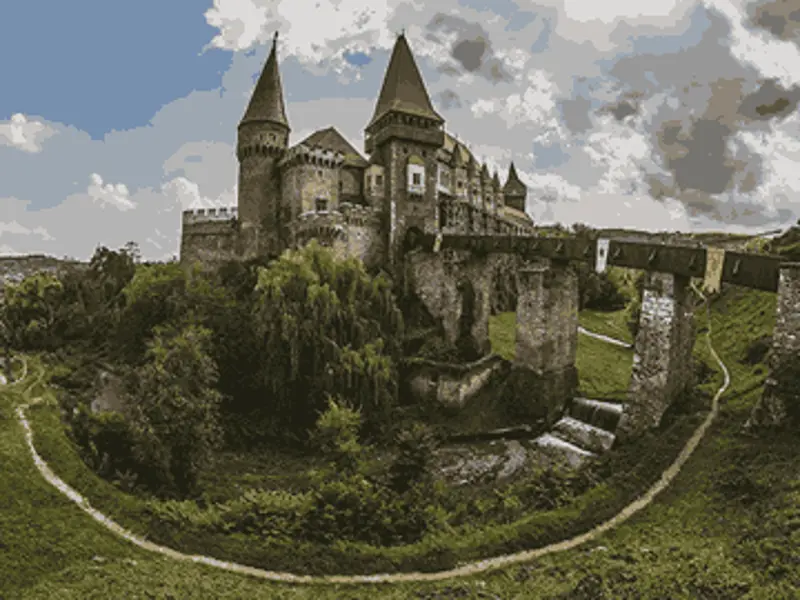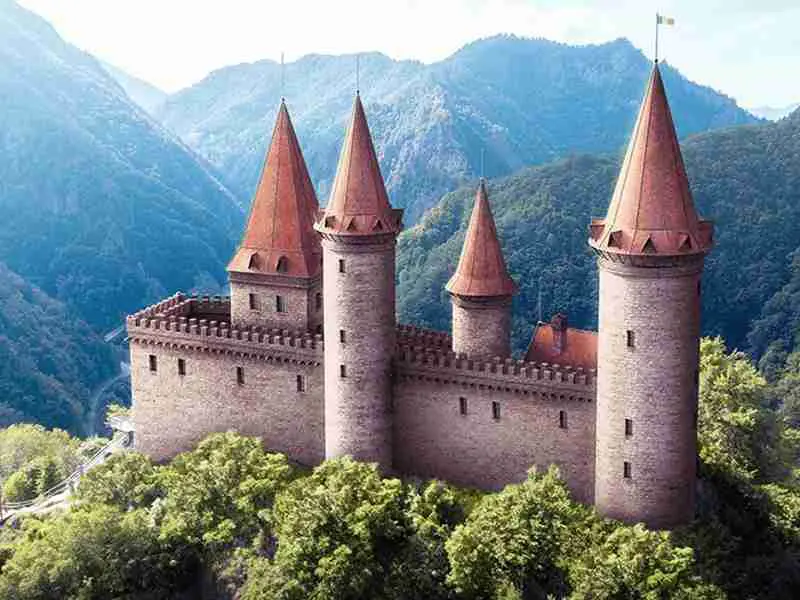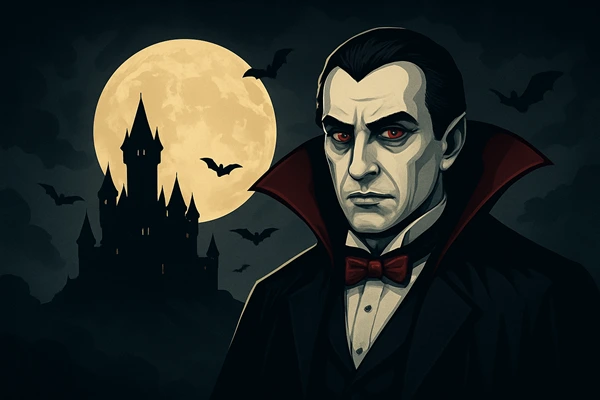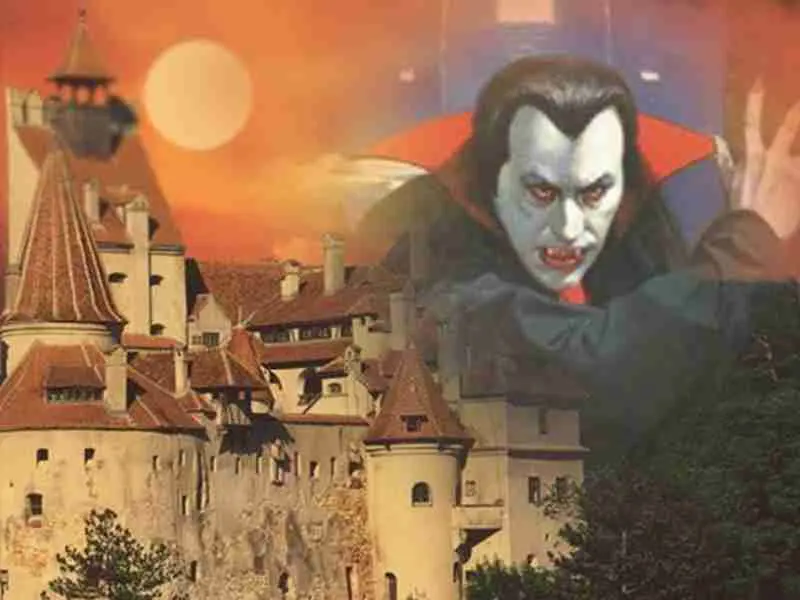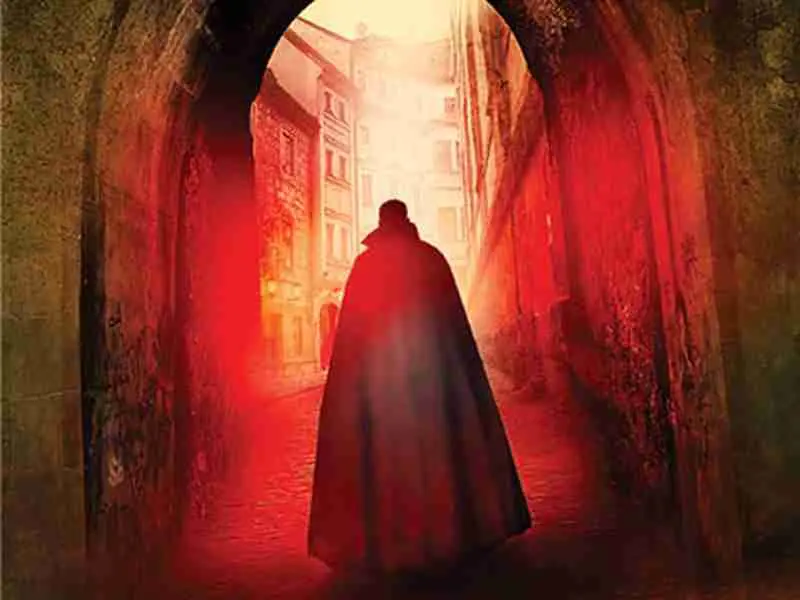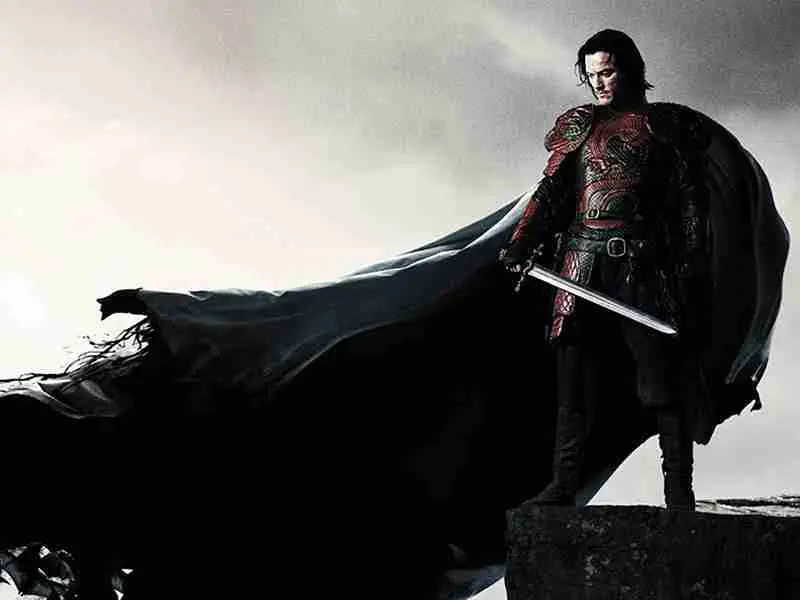
Dracula has fascinated entire generations, and cinema has transformed the legend of Vlad Țepeș into an impressive series of films and series. From Bela Lugosi's classic Dracula to modern reinterpretations, the character continues to inspire directors and screenwriters around the world.
First film adaptations
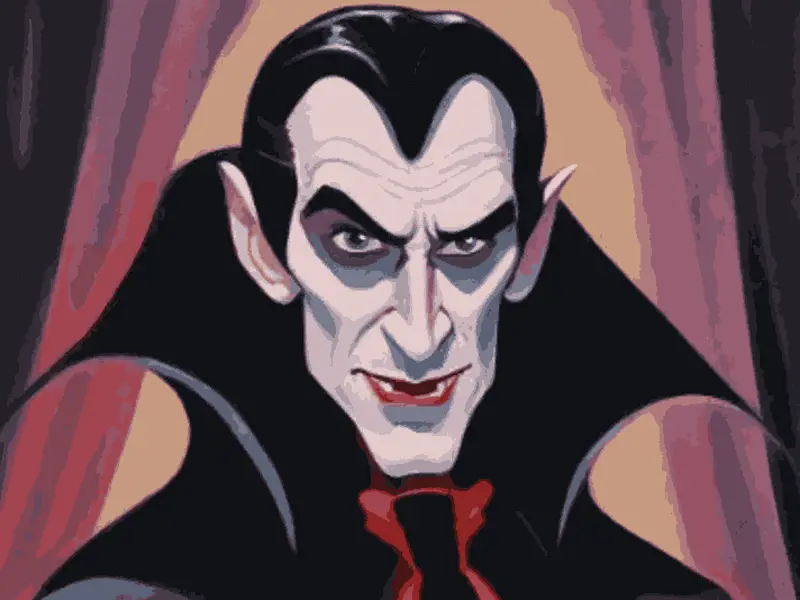
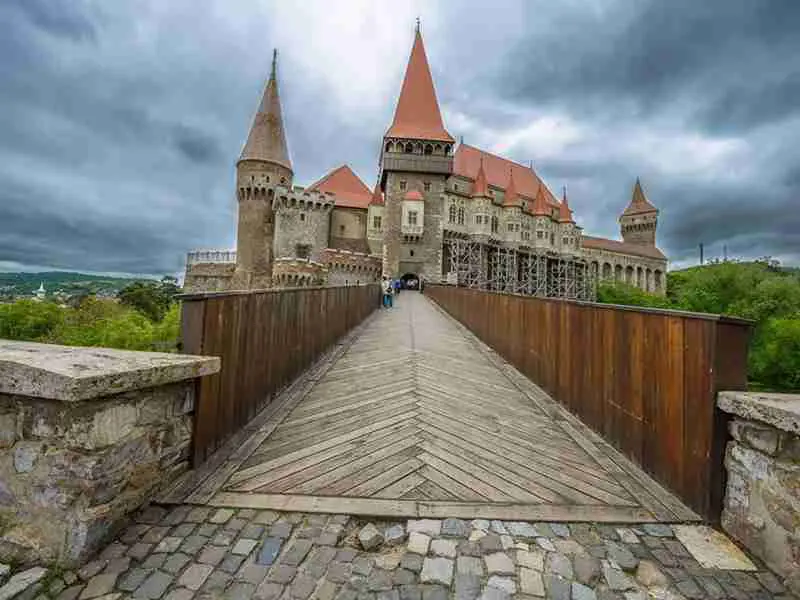
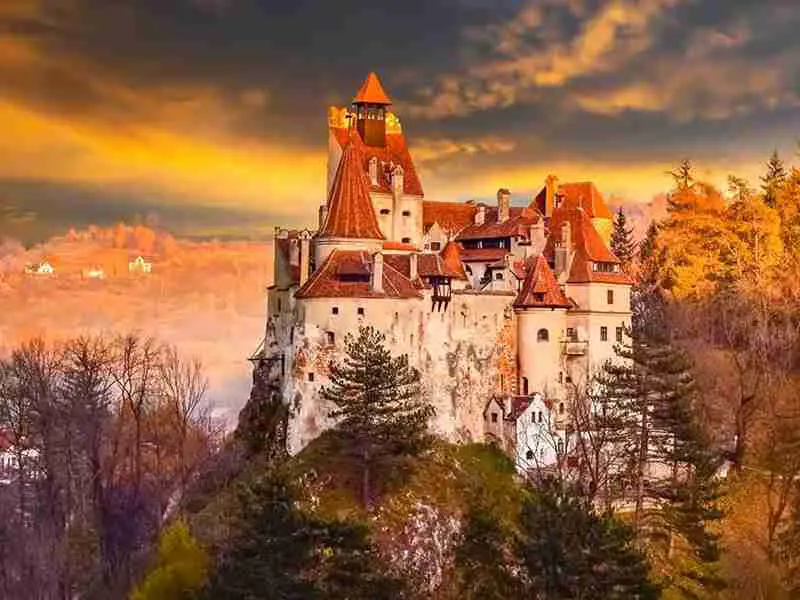
Starting in the 1930s, Dracula was brought to the big screen, popularizing the figure of the vampire in global culture. Classic films, such as "Dracula" (1931) with Bela Lugosi or "Horror of Dracula" (1958) with Christopher Lee, established the Gothic style and aesthetic that define horror cinema to this day. These productions transformed Transylvania and Bran Castle into an iconic symbol of mystery and legend.
Dracula in modern films and TV series
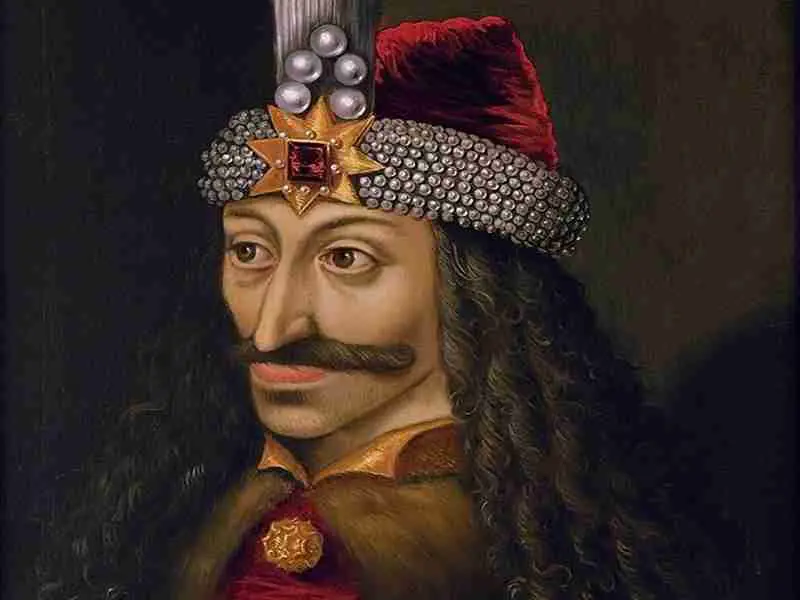
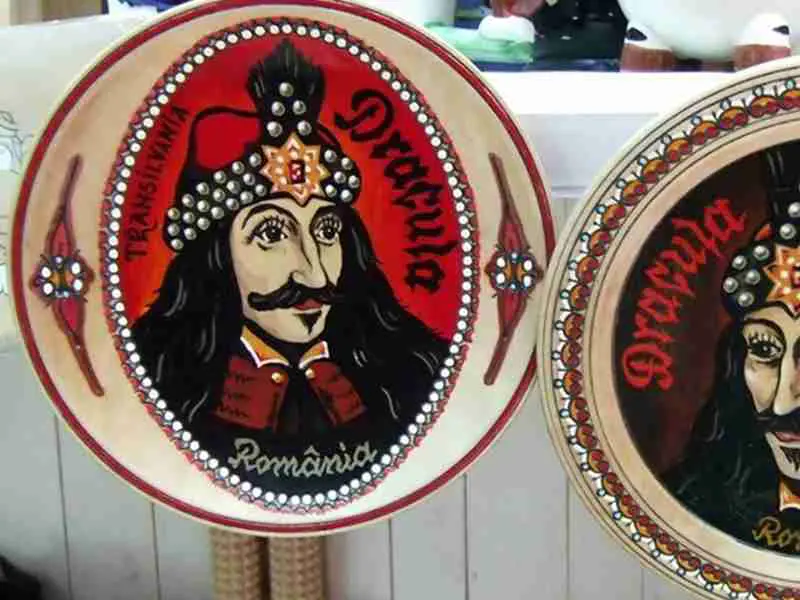
In recent decades, Dracula has been reinterpreted in films and series that explore not only the horror side, but also the psychology of the character. Productions like "Bram Stoker's Dracula" (1992) directed by Francis Ford Coppola or series like "Dracula" (Netflix, 2020) bring depth and historical context to the story, linking the vampire myth to Vlad Țepeș and Transylvania.
The impact of cinema on Gothic culture
Dracula influenced not only horror films, but the entire Gothic culture, from literature to fashion and music. His filmography promotes the fascination with the medieval castle, the mysterious landscapes of Transylvania, and the legendary elements that define the figure of the vampire. Cinema thus contributes to the preservation and spread of the myth of Dracula throughout the world.
Why these movies are worth watching
Watching films about Dracula offers a complete experience: the combination of history, mythology and cinematography creates a unique atmosphere. Each production brings details about Vlad Țepeș, the mysteries of Transylvania, and the legend of the vampire, offering the audience a captivating foray into Gothic culture and medieval European traditions.